Award-Winning Literature Tutors
serving Memphis, TN
Award-Winning
Literature
Tutors in Memphis
Private 1-on-1 tutoring, weekly live classes for academic support, test prep & enrichment, practice tests and diagnostics, and more to elevate grades and test scores.
Based on 3.4M Learner Ratings
UniversitiesSchools & Universities
DeliveredHours Delivered
ProficiencyGrowth in Proficiency
Who needs tutoring?
No obligation. Takes ~1 minute.
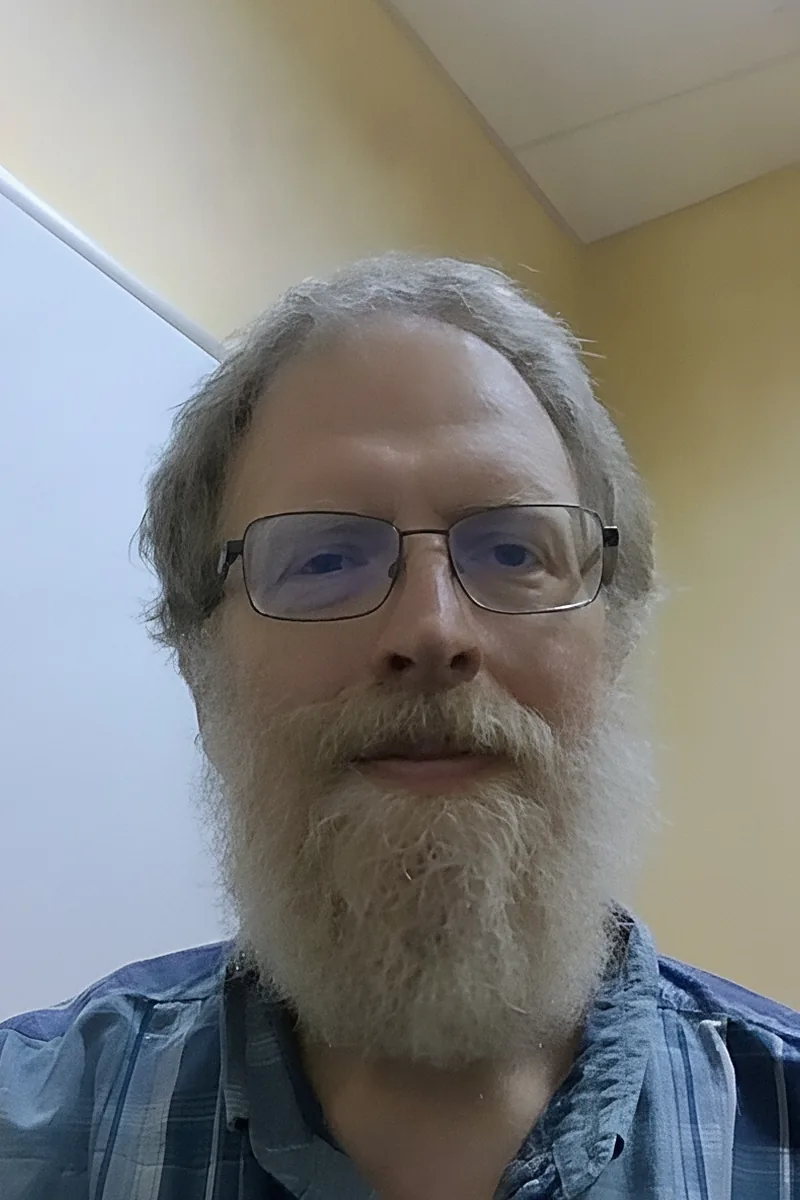
Jeremy's background in philosophy and years of academic writing give him a particular lens for literature: he teaches students to build an argument about a text rather than simply summarize it. Whether the assignment involves close reading a poem or analyzing a novel's thematic structure, he pushes students to identify what a passage is doing and articulate why it matters.
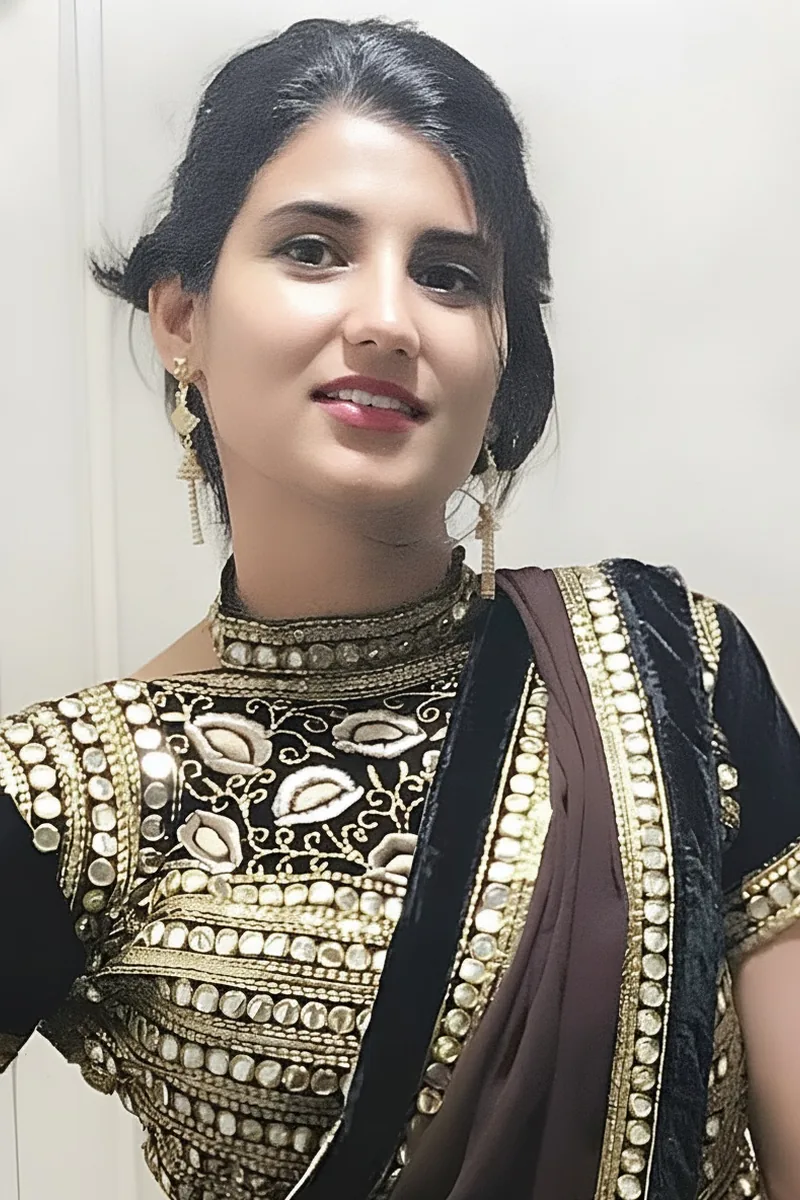
Monika treats literature analysis like solving a proof: identify the claim, trace the evidence, and build a coherent argument. Her background spans texts from multiple cultural traditions, having studied at top universities in both India and the U.S. She teaches close reading techniques that turn vague impressions into specific, defensible interpretations.
Reading literature at the doctoral level means going beyond plot summary to interrogate how a text produces meaning — examining narrative structure, rhetorical strategy, and historical context simultaneously. Patrick's exchange year at the Ecole Normale Superieure exposed him to French and comparative literary traditions, giving him a wider lens for analyzing everything from Shakespeare to Toni Morrison. He teaches close reading as an active, argumentative skill.
Grant graduated magna cum laude in English with a concentration in Literature from the University of Memphis, so when he's working through a poem's imagery or a novel's narrative arc, he's drawing on deep familiarity with the texts and traditions behind them. His strength is in critical reading — teaching students to identify how an author's specific choices in language or structure carry thematic weight, then articulate that analysis in clear, persuasive writing.
Reading a novel closely means tracking how an author uses symbolism, narrative structure, and character development to build meaning — skills that don't come naturally to most students. Juan is a certified high school English teacher with a bachelor's in the subject, and he teaches students to annotate actively and construct interpretations they can defend with textual evidence.
Reading a novel and analyzing a novel are two different skills, and Dotty's education background at Swarthmore sharpened the second one — close reading for theme, symbol, narrative structure, and authorial intent. She teaches students to build interpretive arguments from textual evidence rather than summarize plot, which is the shift that transforms essays and class discussions.
Reading literature well means slowing down enough to notice what an author is actually doing with language — why a metaphor recurs, how a narrator's reliability shifts, what structure reveals about theme. Eric brings an analytical mindset shaped by scientific training, which turns out to be surprisingly useful for dissecting a text's argument or tracing symbolic patterns across chapters.
Reading literature across multiple languages changes how you see a text — Edgar's background in Modern Languages and his work at Drexel give him an unusually layered perspective on narrative voice, symbolism, and cultural context. He digs into close reading techniques that teach students to build interpretive arguments rather than just summarize plot.
I am a rising sophomore at Emory University working towards a Bachelors of Arts degree in Psychology, as well as a minor in global health, culture, and society. I tutored in multiple subject areas in high school as a peer tutor as well as a tutor to younger students in elementary and middle school. I also tutored elementary school students in multiple subject areas during my first year at Emory. I tutor in many subjects, but have always been passionate specifically about tutoring in math. I have been tutored by peers many times throughout high school and college in different subjects, including the ACT. I found unique ways to solve problems and expand my problem solving skills through this, especially because I felt as though my peers were better able to relate to me, and therefore cater to my needs as a student. My approach is catered specifically to each student by first learning how he or she best learns, and then using tactics that will benefit them the most as they learn and grow as a student.
Reading literature closely means learning to sit with ambiguity — tracking how an unreliable narrator shifts your sympathy, or why an author chose one metaphor over another. Carlos approaches texts as arguments about the world, teaching students to build interpretive claims grounded in specific passages rather than vague summaries.
Reading a novel closely enough to write about theme, symbolism, or character motivation requires a different kind of attention than reading for pleasure. Lindsey's psychology background is surprisingly useful here — she teaches students to analyze characters' decisions and internal conflicts the way a psychologist would, which makes literary analysis feel less abstract and more like detective work.
Reading literature in multiple languages gives Jenny an unusual lens on how authors build meaning through structure, tone, and cultural context. She teaches students to dig into a text's choices — why Fitzgerald uses color the way he does, or how García Márquez bends time — rather than just summarizing plot.
Reading literature in multiple languages changes how you notice an author's choices — rhythm, word selection, what gets left unsaid. Mary's French minor and time abroad sharpened her close-reading instincts, and she applies that lens to everything from Shakespeare's rhetoric to the symbolism in modern novels, teaching students to build interpretive arguments grounded in textual evidence.
Reading a novel or poem closely is surprisingly similar to analyzing a piece of visual art — both demand attention to structure, symbolism, and the choices a creator made deliberately. Brennan's illustration training sharpened that kind of interpretive thinking, and he brings it to literary analysis by teaching students to break down how imagery, tone, and narrative perspective build meaning. Whether it's unpacking metaphor in poetry or tracing character development across a novel, he makes the analytical process concrete.
Reading a novel closely is a different skill than reading for pleasure, and the gap trips up a lot of students when they're asked to analyze symbolism, narrative structure, or an author's rhetorical choices. Andrew walks through passages methodically, teaching students to build interpretive claims from textual evidence rather than gut feelings. It's an analytical approach that comes naturally from his science training.
Reading literature closely means learning to ask better questions — why does this metaphor recur, what's the narrator hiding, how does structure shape meaning. Sarah's love of reading and writing gives her a natural entry point into textual analysis, and she teaches students to build interpretive arguments that go beyond plot summary.
Studying theology at the graduate level means reading dense, layered texts — from ancient allegory to modern existential fiction — and pulling meaning from every line. Christean brings that same close-reading discipline to literature tutoring, teaching students how to trace themes, analyze symbolism, and build interpretive arguments that hold up on paper.
Dental school admissions demanded that Jackson write and revise extensively — personal statements, case analyses, research summaries — all of which required him to read critically and argue from evidence, the same core skills that drive strong literary analysis. He teaches students to zero in on how an author's specific choices in dialogue, pacing, or figurative language build a larger meaning, then structure that interpretation into a clear, defensible essay.
Reading a novel and actually analyzing it are two very different skills, and Brian's English degree trained him in the second. He teaches students to trace motifs, unpack an author's use of point of view, and build interpretive arguments that go beyond plot summary — whether the text is a Shakespeare play or a contemporary short story.
McKenna earned her English degree at Tulane with a creative writing concentration, which means she reads literature from the inside out — understanding not just what a text says but how narrative structure, point of view, and figurative language create meaning. Whether the assignment is a close reading of a Shakespearean soliloquy or a thematic essay on a contemporary novel, she unpacks the craft choices that make analysis sharper.
Reading a novel and analyzing a novel are two very different skills, and Matthew's English degree sharpened the second one. He teaches students to dig into how literary devices like unreliable narration, symbolism, and structural choices shape meaning — whether they're unpacking Gatsby's green light or tracing the voice shifts in Beloved.
Unpacking a poem by Dickinson or a chapter of Beloved requires more than identifying literary devices — it means understanding how form, historical context, and language choices create meaning together. Hayley's anthropology background gives her a distinctive lens for examining texts as cultural artifacts, which deepens the kind of analysis that earns top marks on essays and class discussions.
Literary analysis is Paige's home turf — she earned her English degree with a literature concentration and is now deep in graduate-level work on the subject at the University of Memphis. Whether a student is wrestling with symbolism in Gatsby, unreliable narration in Poe, or postcolonial themes in Achebe, she teaches them to build interpretive arguments grounded in the text rather than vague impressions.
Testimonials
Because the right Literature tutor makes all the difference.
Average Session Rating – Based on 3.4M Learner Ratings
Nearby Literature Tutors
Other Memphis Tutors
Related English Tutors in Memphis
Frequently Asked Questions
Literature tutoring covers a wide range of topics including literary analysis, essay writing, reading comprehension, character development, themes, symbolism, and historical context. Tutors also help students master essay structure, thesis development, and argumentation—skills essential for success in Literature courses across Memphis schools. Whether you're studying classic novels, poetry, drama, or contemporary works, personalized instruction can strengthen your analytical and writing skills.
Expert tutors provide personalized feedback on every aspect of your writing, from thesis clarity and paragraph organization to argument development and style. They work with you through the entire writing process—brainstorming, drafting, revising, and editing—helping you identify patterns in your writing and develop a stronger voice. With one-on-one instruction, you'll receive targeted guidance that addresses your specific challenges rather than generic feedback.
Reading comprehension is understanding what a text says—plot, character actions, and basic meaning. Literary analysis goes deeper, examining how an author creates meaning through techniques like symbolism, imagery, tone, and structure. Tutors help you move beyond "what happened" to "how and why the author made it happen," which is critical for writing strong analytical essays and performing well on Literature exams and assignments.
Writer's block often stems from unclear thinking about your topic or fear of imperfection. Tutors help you work through this by using brainstorming strategies, asking probing questions about your ideas, and breaking the writing process into manageable steps. They also teach you to separate drafting from editing—getting ideas on paper first, then refining them—which removes the pressure of perfection and gets you writing again.
Yes, tutors can guide you through citation formats including MLA, APA, and Chicago style. They'll help you understand not just the mechanics of formatting, but why proper citations matter—giving credit to sources and allowing readers to verify your evidence. With personalized instruction, you'll learn to integrate quotes smoothly into your writing and avoid common citation mistakes.
Your first session is focused on getting to know you and understanding your specific goals. The tutor will assess your current skills in reading, writing, and analysis, discuss what you're studying in class, and identify areas where you need the most support. This personalized approach ensures your tutoring plan is tailored to your needs, whether you're preparing for a test, working on essays, or building stronger analytical skills.
Many students see noticeable improvement within a few sessions as they apply new strategies to their assignments and essays. However, deeper skill development—like stronger analytical thinking and more confident writing—typically develops over several weeks of consistent practice. The timeline depends on your starting point, how frequently you meet with your tutor, and how actively you apply what you're learning in your Literature class.
Varsity Tutors connects you with expert tutors who have strong backgrounds in Literature, English, or related fields. Many have teaching experience, advanced degrees, or extensive knowledge of literary analysis and writing instruction. Each tutor is carefully selected to ensure they can provide the personalized, expert instruction you need to succeed in your Literature courses.
Let’s find your perfect tutor
Answer a few quick questions. We’ll recommend the right plan and match you with a top 5% tutor.