Award-Winning Literature Tutors
serving Nashville, TN
Literature
Tutors in Nashville
Private 1-on-1 tutoring, weekly live classes for academic support, test prep & enrichment, practice tests and diagnostics, and more to elevate grades and test scores.
Based on 3.4M Learner Ratings
UniversitiesSchools & Universities
DeliveredHours Delivered
ProficiencyGrowth in Proficiency
Who needs tutoring?
No obligation. Takes ~1 minute.
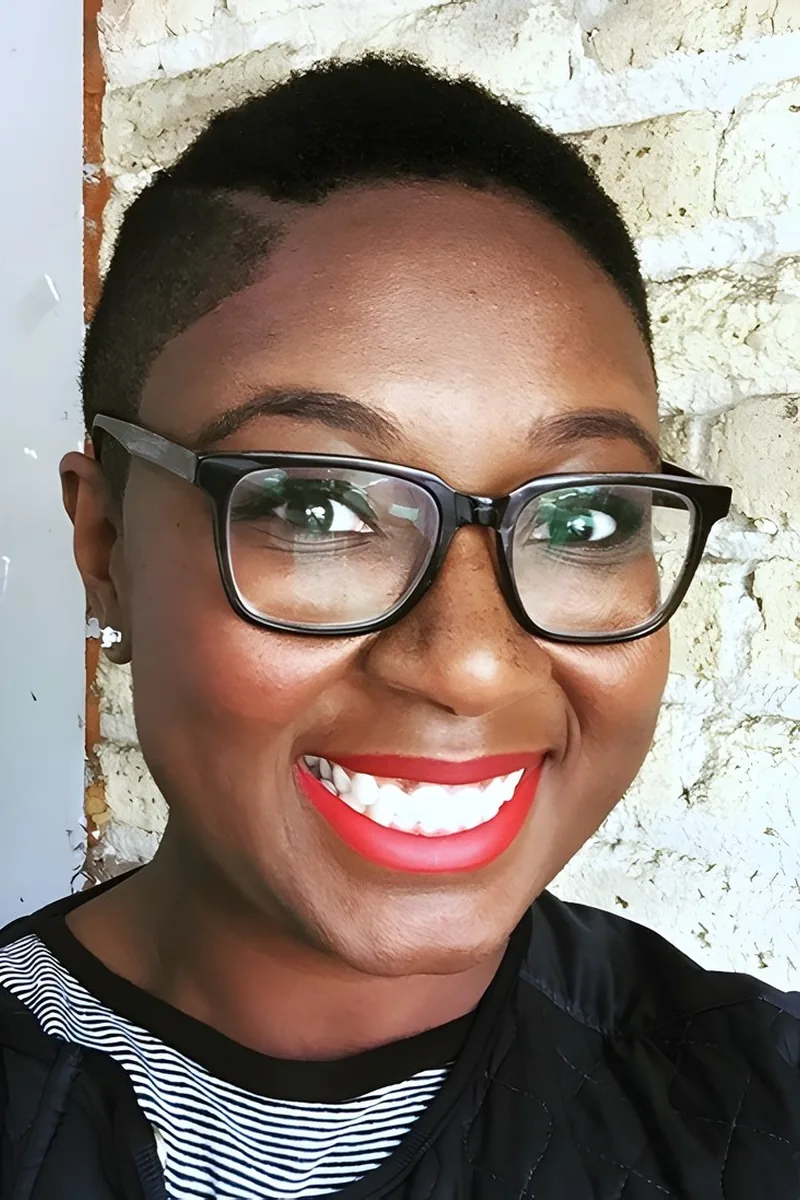
Reading literature well means doing more than summarizing plot — it means noticing how an unreliable narrator shifts tone, or why an author chooses fragmented structure over linear storytelling. Brittney studied Comparative Literature at Princeton, which trained her to analyze texts across traditions, periods, and languages. She teaches students to build interpretive arguments that hold up under scrutiny.
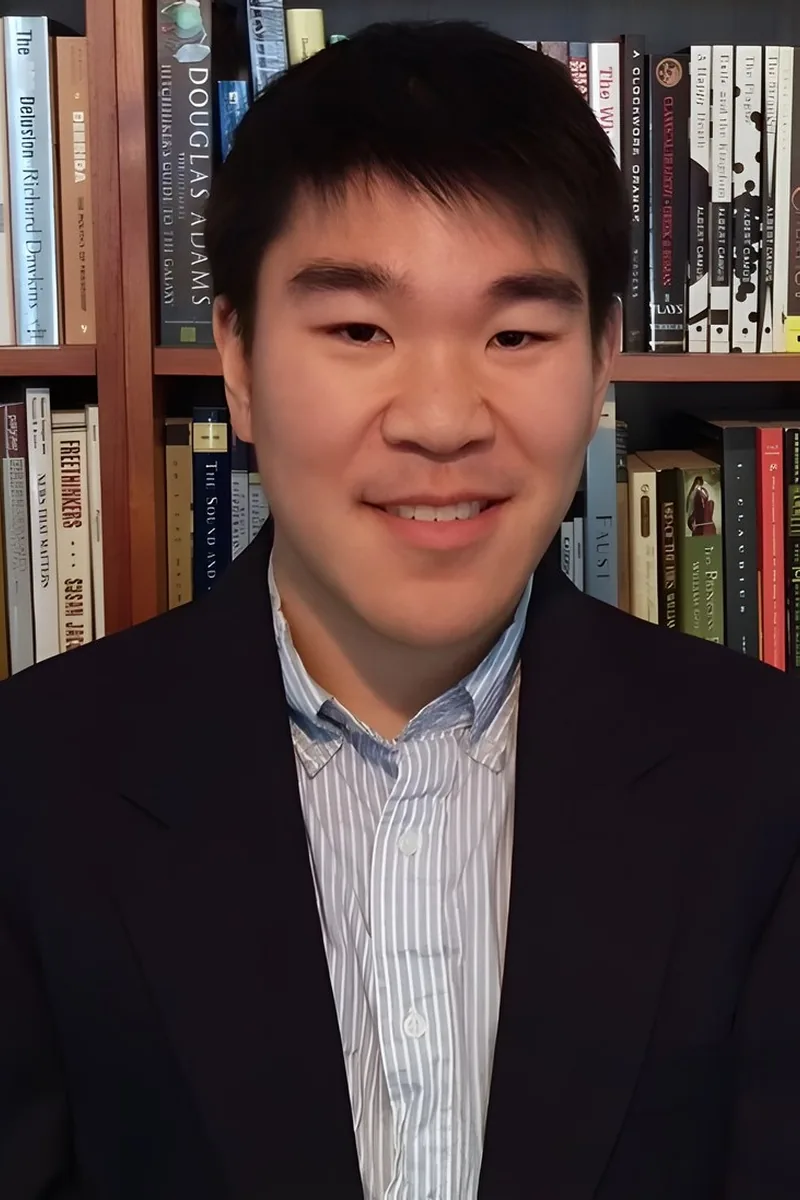
Reading literature analytically is surprisingly similar to reading a scientific paper: both demand close attention to structure, evidence, and the argument underneath the surface. Dennis brings that cross-disciplinary lens to poetry, novels, and drama, teaching students to trace motifs, unpack figurative language, and build interpretive claims that hold up under scrutiny. His genuine interest in philosophy and literary tradition keeps discussions grounded in the text rather than floating in vague impressions.
Reading a poem or novel closely means asking what the author is doing with structure, imagery, and tone — not just summarizing what happens. Eileen teaches students to annotate with purpose, tracing how a metaphor develops across a passage or how an unreliable narrator shifts meaning. She connects these analytical skills to both classroom discussion and timed literary analysis writing.
Studying sociology and anthropology has given Lisa a sharp lens for analyzing how texts reflect power, identity, and culture — exactly the kind of critical reading that literature courses demand. She teaches students to build arguments around literary devices like symbolism, narrative structure, and point of view rather than just summarizing plot. Whether it's a Shakespeare play or a contemporary novel, she connects the themes to broader human questions that make the reading stick.
Reading a novel closely — tracking symbols, unreliable narrators, shifts in tone — is a skill that clicks once someone shows you what to look for. Kerr treats literature as an exercise in argument-building, teaching students to move from a gut reaction to a thesis they can defend with textual evidence. His analytical mindset, sharpened by studying economics and computer science at Vanderbilt, brings a refreshingly structured approach to literary analysis.
Living in France and England shaped how Heather reads — she naturally draws connections between cultural context and literary meaning, whether analyzing a Victorian novel or a contemporary short story. Her background in writing and language gives her a sharp eye for how authors use structure, voice, and symbolism to build layered arguments beneath the surface of a narrative.
Rhamy approaches literature by teaching students to build arguments from the text itself — identifying motifs, analyzing character development, and connecting authorial choices to broader themes. His background at Thomas Jefferson High School for Science and Technology included rigorous humanities coursework that trained him to read critically and defend interpretations with evidence.
Reading literature as a history major means Alexander never treats a text in isolation — he connects novels, plays, and poems to the political and cultural moments that shaped them. Whether it's unpacking the colonialism embedded in Conrad's *Heart of Darkness* or tracing how Romantic poetry responded to industrialization, he brings context that makes literary analysis richer and more grounded.
Studying political science at Vanderbilt means Kit spends most of his time inside dense, argument-driven texts — skills that translate directly to literary analysis. He teaches students to move past surface-level plot summary and into the mechanics of how authors use structure, imagery, and point of view to build meaning in a work.
Reading a poem or novel closely means noticing what the author chose not to say as much as what's on the page. Nat approaches literature by teaching students to identify literary devices like motif, tone shifts, and unreliable narration, then connect those observations into a coherent interpretation. His analytical training in math and CS actually sharpens this skill — breaking a text into parts and reasoning about how they fit together.
Reading literature closely — pulling apart metaphor, tracking character development, identifying narrative structure — requires a kind of patience that Christina developed through years of teaching reading comprehension across different grade levels and language backgrounds. Her Vanderbilt training in English language education gives her practical strategies for making challenging texts feel approachable, whether the student is analyzing poetry or working through a novel.
I am a freshman at Vanderbilt University studying biochemistry and involved in analytical chemistry research. Despite my studies being very science oriented, I also enjoy studying English and the humanities. I'd be happy to tutor you in any of these areas!
Literary analysis asks students to do something counterintuitive: slow down, re-read, and argue about what a text means using evidence from the text itself. Mary's honors research on linguistic relativity trained her to examine how language shapes meaning — a skill she now applies to teaching students how to unpack symbolism, narrative structure, and authorial intent in everything from Shakespeare to contemporary fiction.
I'm a 24 year old student of life that graduated from Vanderbilt University in 2014. My first experience with tutoring came 5 years ago when I opened a branch of ACT prep tutoring for Revolution Prep. At that time, I taught small classes of 5-9 students and also worked as a private tutor. I absolutely love to learn and am fulfilled by guiding students to reach their maximum potential.
Reading literature well means making an argument about a text, not just summarizing what happened. Daniel teaches students to zero in on specific literary devices — an unreliable narrator, a recurring symbol, a shift in tone — and build interpretive claims around them. His own writing-intensive coursework at Vanderbilt keeps close-reading and thesis construction fresh in his approach.
Megan approaches literary analysis the way she approaches engineering problems: by breaking a text into its components — imagery, narrative structure, character motivation — and examining how they work together. Her interdisciplinary background across STEM, economics, and the humanities at Vanderbilt gives her a practical, analytical lens that clicks for students who don't consider themselves "English people."
Analyzing literature is a lot like diagnosing a problem — you gather evidence from the text, weigh competing interpretations, and build an argument. Jakobi brings that analytical mindset from his science background to close reading, teaching students to trace themes, dissect an author's choices, and support claims with precise textual evidence.
Elsa's minor in African American Studies at Vanderbilt involved close reading across genres — analyzing arguments in essays, symbolism in fiction, and historical context in primary texts. She teaches students to slow down and interrogate what an author is doing structurally, which transforms surface-level summaries into the kind of interpretive analysis that literature courses demand.
Reading widely across nonfiction is one of Ruiy's genuine hobbies, and she brings that curiosity to literature tutoring by connecting texts to the bigger questions they're wrestling with — power, identity, morality. Whether a student is annotating a Shakespeare soliloquy or writing a close reading of Toni Morrison, she teaches them to trace how literary devices like imagery, irony, and narrative structure carry meaning beyond the surface plot.
Reading a novel closely is a lot like analyzing scientific data — you're looking for patterns, questioning assumptions, and building an interpretation from evidence. Caroline earned an English minor at Vanderbilt and applies that analytical rigor to poetry, fiction, and drama, teaching students to unpack themes, literary devices, and authorial choices in their own words rather than borrowing SparkNotes summaries.
AP Literature and AP Language are two of Leanna's core specialties, and she digs into texts at the level those courses demand — analyzing narrative structure, rhetorical strategy, and the way an author's choices create meaning. Whether a student is unpacking a Shakespeare soliloquy or building a thesis about Toni Morrison, she teaches close reading as a skill that transfers across every text.
I'm pursuing a double major in Mathematics and English at Vanderbilt University. I have been tutoring math since High School and have native proficiency in Mandarin Chinese. I am dedicated to helping students explore the study methods that will fit their individual needs.
Reading literature well means doing more than summarizing plot — it means tracing how an author uses imagery, narrative voice, or symbolism to build meaning across a text. Miah's interdisciplinary studies at Vanderbilt, spanning political science to Russian studies, give her a knack for pulling thematic connections out of novels, poetry, and drama that students might otherwise miss.
Reading literature well means doing more than summarizing plot — it means asking why an author chose this metaphor, this structure, this narrator. Karen's European history studies at Vanderbilt have sharpened her ability to place texts in their cultural and political contexts, which adds depth to analysis of everything from Shakespeare to postcolonial fiction. She teaches students to build interpretive arguments grounded in the text itself.
Reading a novel closely means noticing what an author does with structure, voice, and imagery — not just summarizing what happens. Elena's background in art history at Vanderbilt sharpens her eye for how creators build meaning through deliberate choices, a skill she brings directly to literary analysis. She teaches students to build arguments around textual evidence rather than vague impressions.
Reading literature well means doing more than summarizing plot — it means noticing how an unreliable narrator shifts your trust, or why Toni Morrison places a particular image at the end of a chapter instead of the beginning. Kaitlyn, a creative writing major at Vanderbilt, analyzes texts from a writer's perspective, teaching students to ask not just what a work means but how it creates that meaning. Rated 5.0 by students.
Reading widely is a genuine hobby for Jacob, and he brings that to literature tutoring by teaching students to analyze texts on their own terms — tracking motifs, dissecting narrative structure, and building interpretive arguments from textual evidence. His economics training also sharpens his approach to close reading, since both disciplines demand careful attention to how an argument is constructed.
Katie treats literature as an exercise in close reading and argumentation: identifying how an author's choices — imagery, structure, point of view — create meaning on the page. She walks through passages line by line, teaching students to build textual evidence into interpretive claims they can defend in essays and class discussions.
Reading literature closely is really about building an argument — identifying a theme in a passage, gathering textual evidence, and explaining why it matters. Zeeshan's policy and economics background trained him to dissect complex texts and construct tightly reasoned analyses, skills he applies when walking through poetry, novels, or short fiction with students.
Reading literature well means doing more than following the plot — it means noticing how an author's choices in diction, structure, and point of view shape interpretation. Marjorie approaches texts by teaching students to ask specific analytical questions: why does the narrator shift tense here, what does this recurring image accumulate across chapters, how does dialogue reveal what exposition doesn't. Her background in biology also gives her an unusual lens on science fiction and naturalist literature.
An avid reader herself, Jamie treats literature not as a set of symbols to decode but as an argument the author is making through character, structure, and language. She teaches students to build interpretive claims about a text — whether it's a Shakespeare play or a contemporary novel — and support them with close reading rather than plot summary. That skill translates directly to stronger essays and class discussions.
I am able to create quality, yet comprehensive curriculum for my students that will thrust them to succeed. I am very detailed oriented, creative, and have a passion for ensuring student success. It is my endeavor to combine my range of experience with my wealth of education. This includes being a loving, motivating, supporting, fun, and integral educator who will make a positive contribution to each student. I want to help all students build confidence, which will enhance their self esteem as well as personal values. Reaching this objective will directly reflect in the progression of their academic success.
Reading a novel for class and actually analyzing it are two different skills, and the gap between them is where most students lose points. Grant breaks down literary analysis into concrete moves — tracking motifs, identifying narrative shifts, connecting a character's arc to a broader theme — so essays go beyond plot summary.
Reading Homer and Virgil in their original languages gave William an unusual lens for literary analysis — he knows how authors build meaning through diction, meter, and allusion at the most granular level. He brings that close-reading discipline to English literature, whether students are unpacking symbolism in a novel or tracing a poet's argument across stanzas.
Reading a novel is one thing; building an argument about its themes, symbols, or narrative structure is another skill entirely. Mary earned her BA in English and brings that analytical training to close reading — teaching students to trace motifs across a text and connect textual evidence to larger interpretive claims.
Reading a novel or poem closely is a skill that transfers everywhere — from college applications to boardroom presentations — and Ryan approaches literature with that practical lens. He teaches students to identify how authors use devices like symbolism, narrative structure, and tone to build meaning, then translate those observations into clear analytical writing.
Reading literature well means doing more than following a plot — it means noticing how an author's word choice, structure, and imagery create meaning beneath the surface. Jessica's background spanning American and European literary traditions allows her to teach close-reading techniques across genres, whether a student is unpacking symbolism in a novel or analyzing meter in a poem.
Reading literature closely is really about building an argument from evidence — identifying how an author's choices in language, structure, or point of view create meaning. Tristan's experience publishing academic papers and running two journal clubs at Vanderbilt has sharpened his ability to dissect complex texts and construct interpretive claims, skills he brings directly to literary analysis.
Reading literature through a scientist's lens might sound unusual, but Allyson's analytical training makes her particularly effective at teaching close reading — breaking a passage into its structural components the way you'd break down an experimental protocol. She tackles everything from thematic analysis to building arguments about authorial intent, and her 4.9 rating suggests students appreciate the clarity she brings.
Analyzing literature means learning to ask better questions about a text — why a character contradicts themselves, what an author gains by withholding information, how structure shapes meaning. Kate's psychology background adds a distinctive lens to character analysis and thematic interpretation that students find genuinely engaging.
Testimonials
Because the right Literature tutor makes all the difference.
Average Session Rating – Based on 3.4M Learner Ratings
Nearby Literature Tutors
Other Nashville Tutors
Related English Tutors in Nashville
Frequently Asked Questions
Your first session is a chance to connect with a tutor and discuss your goals—whether you're working on essay writing, literary analysis, test prep, or building reading comprehension skills. The tutor will ask about your current coursework, writing challenges, and what you'd like to focus on, then create a personalized plan tailored to your needs.
Yes. Tutors work with students on every stage of the writing process—from developing a strong thesis and organizing arguments to revising drafts and perfecting grammar. You'll get personalized feedback on your writing that helps you understand not just what to fix, but why, so you can apply those skills to future essays.
Literary analysis requires both close reading skills and the ability to support interpretations with evidence from the text. Tutors help you learn to identify themes, analyze character development, understand symbolism, and construct arguments that connect textual evidence to your claims—skills that strengthen both your essays and class discussions.
Many students benefit from strategies like active reading techniques, annotation methods, and guided discussions about what they've read. A tutor can help you slow down, ask better questions about the text, and build confidence in understanding complex literature—whether you're reading Shakespeare, contemporary novels, or poetry.
Writer's block often stems from unclear thinking about your topic or fear of starting. Tutors use strategies like brainstorming, outlining, and low-pressure drafting to help you move past the blank page. Breaking the writing process into smaller, manageable steps makes it less overwhelming and helps ideas flow more naturally.
Absolutely. Citation formatting is a common sticking point for students, and tutors can teach you the rules and help you apply them correctly to your essays. Whether you're learning MLA for English class or APA for research papers, a tutor ensures you understand the reasoning behind proper citations, not just the mechanics.
Yes. Tutors help students prepare for AP Literature exams, standardized reading sections, and other literature-focused assessments. Preparation typically includes practice with multiple-choice questions, timed essay writing, and strategies for analyzing unfamiliar texts under pressure.
Varsity Tutors connects students with tutors who have strong backgrounds in literature and writing—many hold degrees in English, comparative literature, or related fields, and have experience teaching or tutoring at the high school and college levels. Each tutor is vetted to ensure they can provide expert, personalized instruction for Nashville students.
Let’s find your perfect tutor
Answer a few quick questions. We’ll recommend the right plan and match you with a top 5% tutor.