Award-Winning Essay Editing Tutors
serving Omaha, NE
Essay Editing
Tutors in Omaha
Private 1-on-1 tutoring, weekly live classes for academic support, test prep & enrichment, practice tests and diagnostics, and more to elevate grades and test scores.
Based on 3.4M Learner Ratings
UniversitiesSchools & Universities
DeliveredHours Delivered
ProficiencyGrowth in Proficiency
Who needs tutoring?
No obligation. Takes ~1 minute.

Good essay editing isn't just catching comma splices — it's rethinking whether each paragraph actually earns its place in the argument. Aaron breaks the revision process into layers: first structural logic, then paragraph-level coherence, then sentence-level clarity and grammar. His dual background in science and humanities gives him range across research papers, personal narratives, and college application essays.
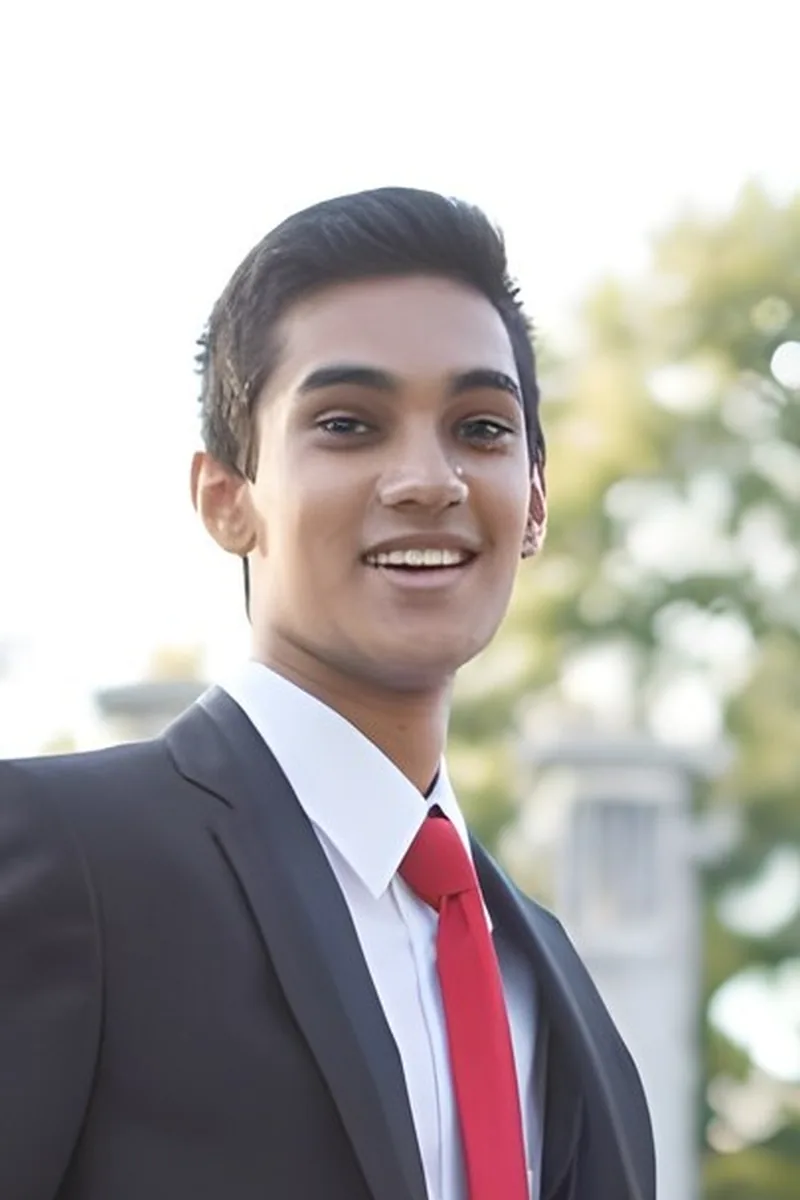
A strong essay usually needs a reader who can spot where the argument loses the audience — a vague thesis, a paragraph that drifts, a transition that doesn't land. Avi approaches editing structurally, tackling clarity and logical flow before moving into sentence-level polish. His scientific training makes him especially sharp at tightening reasoning and eliminating filler.
A strong essay isn't just about what you say — it's about how each sentence earns its place. Edward approaches editing by teaching students to tighten thesis statements, cut filler, and restructure paragraphs so the argument builds momentum. His own writing background includes college essays and extensive reading across genres, which sharpens his eye for clarity and voice.
I am my strongest and best self when helping others. As an enthusiastic, passionate, and dependable teacher, I am consistently working to share and engage with the material I love.
Oluwatosin edits essays the way an engineer reviews a schematic: checking that every component serves a function and that the whole structure holds together logically. He zeroes in on argument flow, paragraph transitions, and thesis clarity — the structural issues that matter more than comma placement but often get overlooked.
As an engineering student who also writes college essays and studies literature, Guillermo knows how to switch between technical precision and persuasive prose — a combination that sharpens his editorial eye. He digs into drafts at the idea level, flagging where an argument drifts or a claim needs stronger backing, then tightens sentence structure and grammar on the second pass. Rated 5.0 by students.
Editing an essay isn't just proofreading for comma splices — it's evaluating whether each paragraph earns its place and whether the argument actually progresses. Jeremy reads student drafts with an engineer's eye for structural integrity, flagging where logic gaps or weak transitions undermine an otherwise solid thesis. He then walks through revisions collaboratively so students internalize the fixes for future writing.
Good essay editing goes beyond catching comma splices. Erika zeroes in on argument structure — whether a thesis actually threads through every paragraph, whether evidence does real work or just sits there — and teaches writers to diagnose these problems on their own.
Good editing isn't just fixing commas — it's asking whether each paragraph earns its place and whether the argument actually holds together. Zachary's Classical Languages training demanded rigorous attention to syntax and structure, and he applies that same precision when reviewing student essays for clarity, coherence, and tone.
Good essay editing goes beyond fixing commas — it means restructuring an argument so each paragraph earns its place. Matthew digs into thesis clarity, evidence integration, and transitions, giving students concrete revision strategies they can apply to future papers on their own. Rated 4.9 by students, he's especially effective at tightening academic writing that feels unfocused or repetitive.
Editing is where James thrives most as a tutor — taking a draft that has strong ideas buried under unclear structure and reshaping it into something cohesive. He zeroes in on argument flow, transition logic, and whether each paragraph actually earns its place in the piece. Rated 5.0 by students.
Good editing isn't about catching typos — it's about restructuring an argument so each paragraph earns its place. Oen tackles drafts at the structural level first, tightening thesis statements and cutting filler, before moving into sentence-level clarity and transitions. His computer science training makes him unusually precise about logical flow in written arguments.
Good essay editing goes beyond catching comma splices — it means tightening argument structure, cutting filler, and making sure each paragraph earns its place. Natalie approaches revision systematically, starting with thesis clarity and logical flow before moving into sentence-level polish. Her science writing background makes her especially sharp at spotting vague claims that need concrete support.
A strong essay isn't just error-free — it needs a clear argument that builds momentum from sentence to sentence. Ingrid breaks down revision into layers: first tightening the thesis and paragraph structure, then sharpening transitions, then polishing at the sentence level. Her experience writing college-level papers across music, theatre, and humanities gives her a sharp editorial eye across genres.
A strong essay often hides in a messy first draft — Erika's editing process zeroes in on thesis clarity, paragraph transitions, and argument structure before tackling sentence-level polish. She also teaches students how to self-edit by reading their own work with fresh eyes, a skill that pays off long after the tutoring session ends.
Good editing is about more than catching comma splices. Michaela approaches each draft by first identifying what the writer is actually trying to say, then tightening thesis statements, restructuring paragraphs for flow, and sharpening transitions so the argument holds together from start to finish.
Editing is where Rachel spends most of her working hours as a college writing tutor, and she's developed a sharp eye for the difference between polishing prose and actually restructuring an argument. She walks students through revision in layers: first the thesis and evidence architecture, then paragraph transitions, then sentence-level clarity and style.
Good essay editing isn't about fixing commas — it's about asking whether each paragraph actually earns its place in the argument. Charles reads student drafts looking for structural problems first: unclear thesis statements, paragraphs that drift from their topic sentences, and evidence that doesn't connect back to the claim. His writing background and Yale coursework give him a sharp eye for tightening prose without flattening a student's voice.
Editing an essay well requires seeing both the big picture — argument, structure, flow — and the sentence-level details like clarity and word choice. Matthew approaches revision methodically, walking students through their drafts in layers: first tightening the thesis and organization, then sharpening individual paragraphs and transitions.
Editing legal briefs taught Emily that revision isn't about catching typos — it's about asking whether every sentence earns its place. She zeroes in on argument structure, paragraph transitions, and clarity of thesis before moving to sentence-level polish, so students learn to self-edit with the same critical eye.
Editing an essay is more than fixing commas — it's asking whether each paragraph earns its place in the argument. Matt reads drafts at two levels: first for structural logic (does the thesis actually thread through every body paragraph?), then for sentence-level clarity, trimming passive voice and tightening transitions until the writing sounds like the student at their sharpest.
Good editing goes beyond catching comma splices — it means tightening argument structure, cutting filler, and making sure every paragraph earns its place. Aaron approaches essay revision methodically: first the thesis and overall logic, then paragraph transitions, then sentence-level clarity and grammar. His 5.0 rating speaks to how effectively he sharpens student writing without overwriting their voice.
Getting into medical school required Perry to write and rewrite dozens of personal statements, secondary essays, and research abstracts — each with different audiences and tight word limits. That experience sharpened his eye for argument structure, clarity, and cutting filler without losing voice. He breaks editing into layers: first the logic of the argument, then paragraph flow, then sentence-level polish.
Good editing is more than fixing typos — it's restructuring a paragraph so the argument actually lands, cutting the sentence that sounded smart but says nothing, and tightening transitions between ideas. Solange approaches each draft with the critical eye she developed through years of academic writing at Harvard and her work reviewing application materials in the admissions office.
Meghan edits professionally at a trade magazine, which means she revises real prose under real deadlines every week. She applies that same eye to student work — tightening thesis statements, restructuring paragraphs for logical flow, and cutting filler — while explaining each change so students internalize the reasoning behind it.
Editing someone else's essay is a different skill from writing your own — it requires diagnosing why a paragraph feels off, not just flagging a comma error. Connor approaches editing sessions by first identifying the argument's logical structure, then tightening transitions, eliminating redundancy, and clarifying claims at the sentence level. Years of scientific writing in graduate school trained him to cut ruthlessly without losing meaning.
Good essay editing goes beyond catching comma splices — it asks whether each paragraph earns its place and whether the argument actually progresses from one point to the next. Liz digs into structure, transitions, and evidence use before touching surface-level grammar, teaching students to self-edit with a hierarchy of concerns. Her humanities training at Washington University in St. Louis means she's comfortable editing across disciplines, from history research papers to personal narratives.
Good editing is more than catching typos — it's about seeing where an argument loses its thread or where a paragraph buries its strongest point. Victoria's academic writing background across the humanities trained her to revise ruthlessly for clarity, and she brings that same eye to student essays, walking through each draft with specific, actionable feedback on structure, tone, and evidence.
Strong writing is really about clear thinking, and Nina's training in biostatistics has made her ruthless about logical structure, precise language, and eliminating fluff. She's especially useful for students revising research papers, application essays, or any writing that needs to present a tight argument. Every edit comes with an explanation of why the change strengthens the piece.
Testimonials
Because the right Essay Editing tutor makes all the difference.
Average Session Rating – Based on 3.4M Learner Ratings
Nearby Essay Editing Tutors
Other Omaha Tutors
Related English Tutors in Omaha
Frequently Asked Questions
Essay editing tutoring goes beyond basic proofreading—it focuses on strengthening your argument, improving organization, developing a compelling thesis, and refining your writing voice. Tutors provide personalized feedback on structure, clarity, and persuasiveness, helping you understand not just what to fix, but why those changes matter. This approach builds your skills as a writer so you can apply improvements to future essays independently.
Typically, you'll share a draft or outline with your tutor, who will review it and discuss specific areas for improvement during your session. Rather than simply correcting errors, tutors ask questions to help you identify weaknesses in logic, evidence, or flow. You'll work together on revision strategies, whether that's restructuring paragraphs, strengthening your thesis, or clarifying arguments—giving you concrete tools to revise on your own.
Students often struggle with organization (knowing how to structure arguments logically), developing a strong thesis statement, supporting claims with evidence, and maintaining a consistent voice. Writer's block and difficulty getting started are also common. Personalized tutoring addresses your specific challenges, whether you need help brainstorming, outlining, managing citations in MLA or APA format, or revising for clarity and impact.
Yes. Many students find citation formatting confusing, and tutors can walk you through the rules for MLA, APA, Chicago, or whatever style your assignment requires. Beyond just formatting, tutors help you understand why proper citations matter and how to integrate sources smoothly into your writing. This support ensures your essays meet academic standards and strengthen your credibility.
Absolutely. Literary analysis essays require close reading, strong textual evidence, and clear interpretation—skills that benefit greatly from personalized feedback. Tutors help you move beyond plot summary to develop meaningful arguments about theme, character, symbolism, or technique. They'll guide you in selecting relevant quotes and explaining how they support your analysis, strengthening both your reading comprehension and writing.
Bring any essay draft, outline, or writing sample you're working on—even rough drafts are helpful. If you have assignment guidelines or rubrics, share those too so your tutor understands what your teacher is looking for. If you're starting from scratch, come prepared to discuss your topic and any initial ideas. Your tutor will assess where you are in the writing process and tailor feedback to your needs.
In Omaha classrooms, the average student-teacher ratio is about 15:1, which means individual writing feedback can be limited. Personalized tutoring provides one-on-one attention focused specifically on your writing style, strengths, and areas for growth. Your tutor can spend time understanding your unique voice and challenges, offering targeted strategies that classroom instruction often can't provide—leading to faster improvement and more confident writing.
Varsity Tutors connects you with expert tutors experienced in essay editing and writing instruction. Once you share your needs—whether you're working on college application essays, literary analysis, or persuasive writing—you'll be matched with a tutor who fits your goals and schedule. You can start with a single session to see if the fit works, then continue with ongoing support as you develop your writing skills.
Let’s find your perfect tutor
Answer a few quick questions. We’ll recommend the right plan and match you with a top 5% tutor.