Award-Winning Creative Writing Tutors
serving Columbus, OH
Creative Writing
Tutors in Columbus
Private 1-on-1 tutoring, weekly live classes for academic support, test prep & enrichment, practice tests and diagnostics, and more to elevate grades and test scores.
Based on 3.4M Learner Ratings
UniversitiesSchools & Universities
DeliveredHours Delivered
ProficiencyGrowth in Proficiency
Who needs tutoring?
No obligation. Takes ~1 minute.
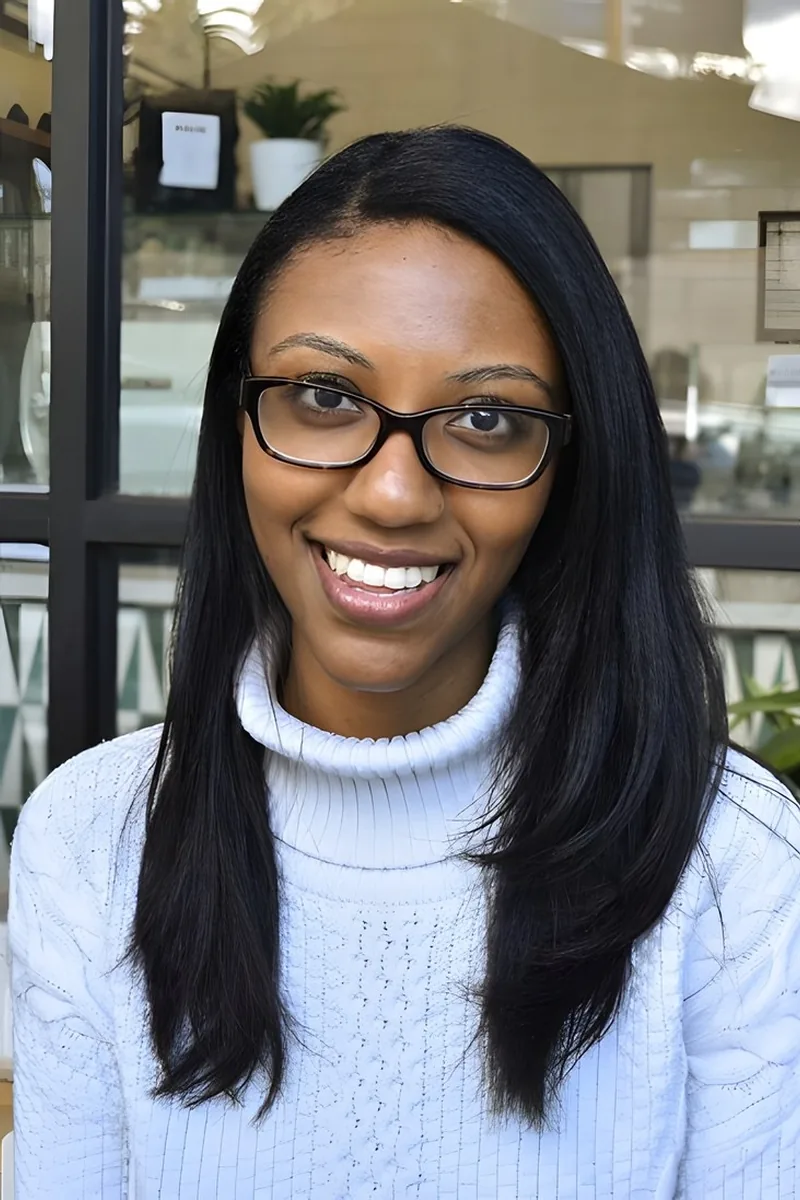
Studying child development at Yale taught Arielle something most writing tutors learn the hard way — that the stories kids want to tell and the language they have to tell them are two very different things, and the gap between them is where creative writing instruction actually lives. She uses that developmental lens to meet each writer's imagination with the right scaffolding, whether that means building a picture book narrative with a first grader or helping an older student craft a short story with real scene structure and dialogue. Rated 5.0 by students.
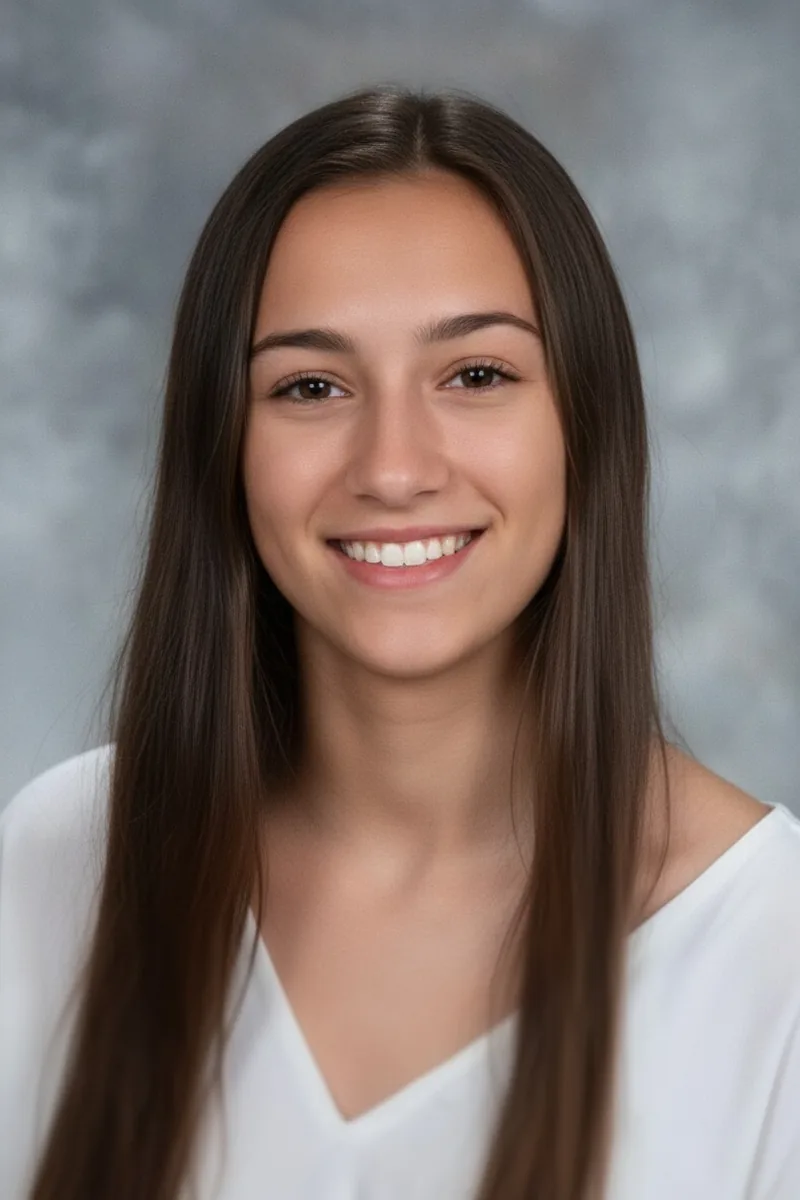
Emma's own poetry and nature literature lessons — designed for students from preschool through twelfth grade at Chautauqua Institution — taught her how to adapt creative writing instruction to wildly different skill levels without dumbing down the craft. Her Human Development studies at Cornell inform how she approaches the writing process itself, understanding what kinds of prompts and revision strategies actually click at different ages. Rated 5.0 by students.
Good creative writing isn't just inspiration — it's craft decisions about point of view, pacing, dialogue, and revision. Peter trained as a journalist before earning his master's in English Education, so he teaches students to treat their drafts as material to shape rather than precious first attempts. That combination of storytelling instinct and editorial discipline shows up in the fiction, poetry, and personal essays his students produce.
An IB-trained English teacher with a psychology degree from Kent State, Amanda knows how to draw out the personal stories students carry but struggle to put on paper — and how to shape raw material into writing that actually moves a reader. Her classroom experience centers on empowering student voice, which in creative writing sessions means spending real time on craft decisions like when to let a narrator hold back, how dialogue reveals character without exposition, and why the right ending often isn't the obvious one. Rated 4.8 by students.
The blank page is the easy part; the hard part is learning to revise with intention — cutting a paragraph you love because it slows the piece, or restructuring an essay's arc to land the ending. Zoe teaches revision as a craft skill, drawing on her training in both English and curriculum design to give writers concrete tools rather than vague encouragement.
Twenty years of composing, arranging, and performing music gave Amos an intuitive grasp of structure, rhythm, and pacing that he carries directly into creative writing — he treats a short story draft the way he'd treat a musical score, listening for where the energy builds, where it lags, and where the piece needs a rest or a surprise. That musician's ear makes him especially useful when students are working on prose rhythm, dialogue cadence, or figuring out why a poem sounds flat despite having all the right ideas. Rated 5.0 by students.
Before a story can land, a writer has to know what they're actually arguing — and Melanie's International Relations training is essentially a degree in constructing arguments from competing perspectives, then communicating them clearly under pressure. She applies that same discipline to creative writing, especially when students struggle to give their narrators a distinct point of view or to build essays and stories around a central tension rather than a loose collection of moments. Her ACT Writing chops reinforce the structural side, keeping drafts focused even when the subject matter is personal or messy.
Good creative writing starts with a single vivid detail — not a grand idea. Hanlu teaches techniques like sensory imagery, dialogue pacing, and narrative voice, drawing on her own fiction writing practice and her International Relations background, which sharpened her ability to tell stories across cultural contexts. She's especially effective at helping writers push past the blank page and into revision, where the real craft happens.
Before she was a Managing Editor at a tech company, Clare was a history major learning to build arguments from evidence and tell stories that make readers care about people long dead — skills that map directly onto crafting fiction and poetry with real stakes and specificity. She brings an editor's ruthlessness to revision, cutting the vague and sentimental to surface the concrete details and sharper sentences hiding underneath a student's draft.
Talia writes fiction and poetry in her own time, but her political science and activism background gives her creative work — and her tutoring — an unusual edge: she knows how to build an argument with scene and image instead of thesis statements, and she teaches students to do the same. She's particularly sharp at helping a draft find its voice, whether that means stripping away overwrought language or pushing a student to dig into the one honest detail they've been dancing around. Rated 5.0 by students.
Getting words on the page is often the hardest part of creative writing, and Sarah tackles that blank-page paralysis with structured brainstorming techniques and revision exercises that build momentum. As an English major at Dartmouth, she digs into craft elements like voice, dialogue, and narrative pacing — giving students concrete tools instead of vague advice to "just be creative."
A BA in Creative Writing plus a daily writing practice means Thomas isn't just teaching craft — he's actively living it. He unpacks elements like point of view, dialogue mechanics, scene pacing, and sensory detail, then applies them directly to whatever a student is working on, whether that's a short story, a poem, or the opening chapter of something bigger.
Policy analysis trains you to take a messy, tangled situation and find the story inside it — who's affected, what's at stake, why it matters — which is exactly the muscle Briana flexes when she sits down with a student's draft and asks where the real tension lives. Her own writing spans fiction, journalism, and expository work, so she can show students how techniques migrate across genres: how a journalist's eye for the telling detail sharpens a short story, or how an essayist's structural instincts give a poem unexpected shape.
Most creative writing feedback is either too vague ('nice imagery!') or too prescriptive ('rewrite this scene entirely'). Jennifer approaches workshop-style revision differently, asking pointed questions about voice, pacing, and point of view that let writers discover their own fixes. Her English background and NYU teaching residency give her a strong ear for both fiction and personal essay — two forms where finding an authentic voice matters most.
Spending years in research labs taught Emmanuel something unexpected about creative writing: the best ideas emerge from disciplined process, not inspiration alone. He walks writers through generating material, experimenting with form and voice, and revising with intention — whether the project is poetry, personal essay, or short fiction.
A creative writing minor from Penn means Sarah has spent serious time in workshops getting and giving feedback on poetry, personal essays, and experimental prose. She walks students through the full arc of a piece — finding a voice, choosing concrete details over vague abstractions, and learning to revise ruthlessly.
Studying both English and Film at Cornell gave Natalie a dual lens on storytelling — she understands how narrative tension, voice, and imagery work across mediums. She digs into the craft elements of each student's writing, whether that's sharpening dialogue, finding a more compelling point of view, or restructuring a draft so the pacing actually lands.
An electrical engineering student at Duke might seem like an unlikely creative writing tutor, but Brooke's deep Latin studies — through AP level — trained her to obsess over how individual word choices carry weight, rhythm, and layered meaning in ways that map directly onto crafting strong prose and poetry. She also writes and edits across genres, from college application essays to literary analysis, giving her a practical sense of when a draft needs tighter structure versus more room to breathe. Rated 5.0 by students.
Good creative writing isn't just inspiration — it's craft decisions about voice, pacing, point of view, and when to break the rules you've learned. Mollie has worked as both a content writer and a game designer, two fields where storytelling meets structure and every word has to earn its place. She digs into drafts with students to sharpen dialogue, tighten scenes, and find the story underneath the first attempt.
Testimonials
Because the right Creative Writing tutor makes all the difference.
Average Session Rating – Based on 3.4M Learner Ratings
Other Columbus Tutors
Related English Tutors in Columbus
Frequently Asked Questions
Your first session is all about getting to know you and your writing goals. A tutor will discuss what you're working on—whether it's short stories, poetry, essays, or another form—and identify specific areas where you'd like to improve, like character development, dialogue, pacing, or overcoming writer's block. From there, they'll create a personalized plan tailored to your strengths and challenges.
One-on-one instruction gives you direct, detailed feedback on your actual writing that you won't get in a classroom setting. A tutor can help you develop your unique voice, strengthen your storytelling structure, refine dialogue and character arcs, and work through revision strategies. You'll get real-time guidance on what's working and actionable steps to improve, rather than generic comments on an assignment.
Absolutely. Writer's block is one of the most common challenges creative writers face, and tutors can help you work through it with brainstorming techniques, freewriting exercises, and strategies to get unstuck. They can also guide you through the entire writing process—from generating ideas and outlining, to drafting, revising, and polishing—so you understand how to approach a piece from start to finish.
Creative writing focuses on storytelling, voice, imagery, and artistic expression—helping you develop characters, build compelling narratives, and find your unique style. Academic writing emphasizes structure, argumentation, thesis development, and formal conventions like citations. Many tutors work with both, but it's worth discussing your specific needs so you connect with someone experienced in the type of writing you want to improve.
Yes. Whether you're a middle schooler exploring creative writing for the first time, a high school student working on a portfolio or college applications, or an adult pursuing writing as a passion or career, Varsity Tutors connects you with tutors who specialize in your level. Each tutor can tailor their approach to match your experience and goals.
Yes. Tutors work across different genres and can focus on whatever you're interested in—whether that's short story writing, novel development, poetry, screenwriting, memoir, or other forms. During your first session, you can discuss which genres you want to explore, and you'll be matched with someone who has expertise in those areas.
Columbus has a strong network of schools across 89 districts with many offering creative writing courses, writing clubs, and literary magazines. Personalized tutoring complements these programs by giving you one-on-one support to develop your craft, prepare for writing competitions, or work on independent projects outside the classroom. A tutor can help you get the most out of your school's writing opportunities.
Simply reach out to Varsity Tutors and tell us about your creative writing goals and what you're working on. We'll match you with a tutor who fits your needs, and you can have your first session as soon as works for your schedule. There's no long-term commitment—you can work with a tutor for as long as you need support.
Let’s find your perfect tutor
Answer a few quick questions. We’ll recommend the right plan and match you with a top 5% tutor.