Award-Winning Computer Science Tutors
serving Austin, TX
Award-Winning
Computer Science
Tutors in Austin
Private 1-on-1 tutoring, weekly live classes for academic support, test prep & enrichment, practice tests and diagnostics, and more to elevate grades and test scores.
Based on 3.4M Learner Ratings
UniversitiesSchools & Universities
DeliveredHours Delivered
ProficiencyGrowth in Proficiency
Who needs tutoring?
No obligation. Takes ~1 minute.
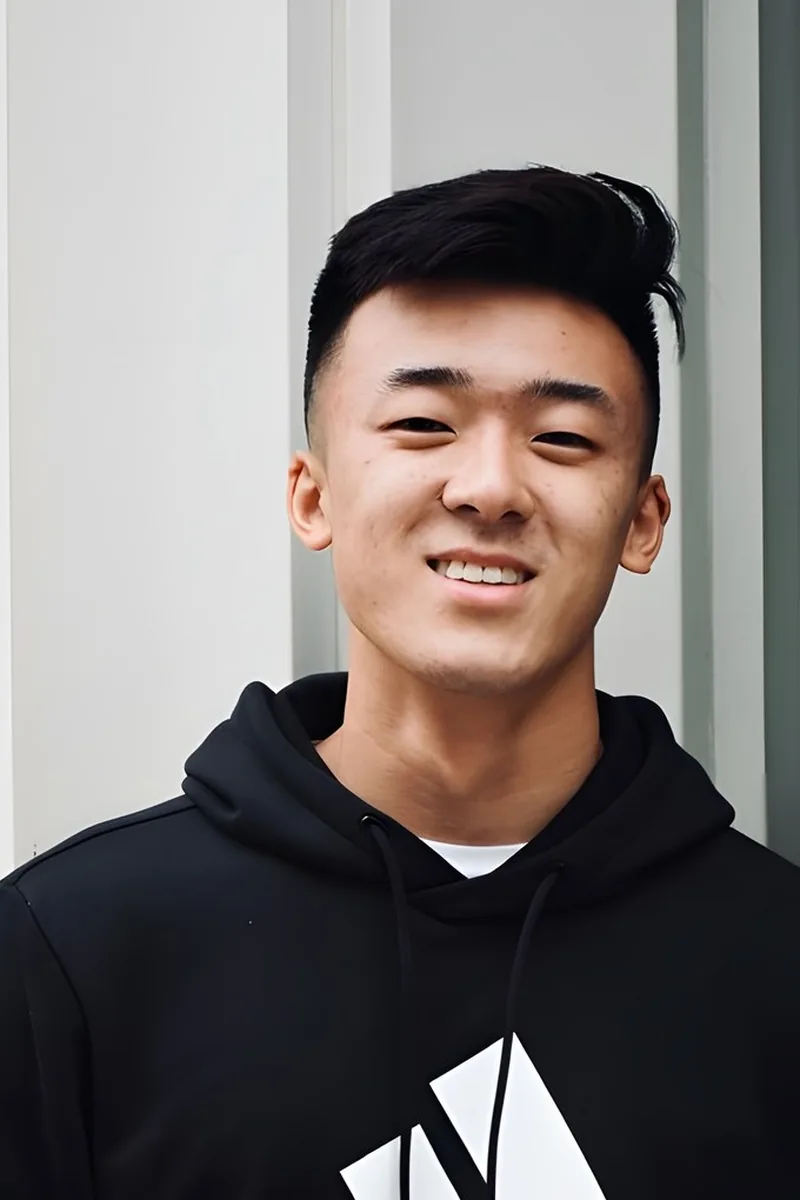
Software engineering internships at Apple and Microsoft gave Jerry hands-on experience with data structures, algorithms, and system design that most CS undergrads only encounter in textbooks. Now finishing his Computer Science degree at UT Austin, he breaks down complex topics like recursion, object-oriented design, and algorithmic complexity by connecting them to real production codebases he's actually worked in. Rated 4.9 by students.

From data structures and algorithms to computational logic, computer science covers a huge range of ideas that can feel disconnected without a unifying thread. Alicia ties these concepts together through her dual background in CS and architecture, where she routinely uses programming to solve spatial and structural problems. That cross-disciplinary perspective makes abstract topics like recursion or graph traversal feel grounded and purposeful.
Computational engineering at UT Austin sits at the intersection of CS theory and applied problem-solving, which means Atharva doesn't just know algorithms and data structures — he uses them to model real systems in aerospace and physics simulations. He digs into topics like Big-O analysis, sorting algorithms, and recursion by connecting each concept to why it matters in actual software. Rated 5.0 by students.
From data structures and algorithm complexity to Boolean logic and binary representation, Jake covers computer science fundamentals with the rigor of someone who studied them as part of an electrical engineering degree. He's particularly strong at explaining how abstract concepts like recursion or Big-O notation connect to real computational performance. Students rate him 5.0.
Problem-solving is problem-solving — Roozbeh approaches computer science the same way he tackles math, by breaking complex logic into smaller, testable pieces. He walks through fundamentals like control flow, data structures, and algorithmic thinking in a way that builds real debugging instincts.
Cornell's Electrical and Computer Engineering program, combined with a CS minor, gave Alexander deep exposure to everything from algorithms and data structures to digital logic and systems-level thinking. He spent six semesters as a TA for Intro Digital Logic, where he got skilled at breaking abstract computational concepts into concrete, buildable intuition. Rated 5.0 by students.
From sorting algorithms to data structures to recursion, Lloyd approaches computer science as a toolkit for solving real problems rather than an abstract set of rules. His data science coursework at the University of Rochester keeps him fluent in both the theoretical foundations and the practical implementation side, which means he can explain why a hash map outperforms a list — not just how to use one.
Jacqueline writes production code daily as a software engineer and holds a B.S. in Computer Science from UT Austin, so she teaches concepts like recursion, data structures, and algorithm complexity from real-world experience rather than purely academic examples. Whether a student is debugging their first Python script or wrestling with graph traversal, she breaks problems into manageable pieces. Her Human-Computer Interaction minor also means she thinks carefully about how people learn technical material.
From data structures and algorithm complexity to operating systems concepts in Linux, Sourav covers the full CS curriculum with the perspective of someone who studied it formally and then applied it in technology commercialization. He's especially strong on the practical side — debugging code, tracing recursive calls, and understanding why a hash map outperforms a linked list for a given problem.
Sandra earned her CS degree writing code and solving problems — and now she teaches everything from introductory programming logic to more advanced topics like data structures and algorithm design. What sets her apart is how naturally she connects computer science to the quantitative and analytical thinking she uses across her other subjects, so students see CS as a problem-solving framework rather than just syntax to memorize. Rated 5.0 by students.
Bennet is pursuing a computer science degree while simultaneously interning as a working programmer, which means he bridges the gap between academic theory and production-level practice. He unpacks core topics like data structures, algorithm complexity, and recursion by connecting them to real code he's written professionally.
I'm a Computer Science student who's been teaching all my life. From tennis camps for kids to an engineering physics class for college kids, I really enjoy helping someone discover for themselves what they are capable of! Please let me know if there's anything you'd like me to help you with.
Testimonials
Because the right Computer Science tutor makes all the difference.
Average Session Rating – Based on 3.4M Learner Ratings
Nearby Computer Science Tutors
Other Austin Tutors
Related Technology and Coding Tutors in Austin
Frequently Asked Questions
Your first session focuses on understanding your current skill level, learning goals, and specific challenges—whether that's mastering loops and conditionals, debugging complex code, or building your first application. The tutor will assess what you're working on in class or on your own projects, then create a personalized plan that targets your biggest gaps. This might include reviewing code you've written, discussing problem-solving strategies, or mapping out a path toward your goals.
Syntax is the specific rules of a programming language—how you write code so the computer understands it. Logic is the thinking process behind solving problems algorithmically. Many students struggle when they focus only on syntax without building strong logical thinking skills. Tutoring helps you develop both by working through problems step-by-step, learning to break down complex challenges into smaller pieces, and practicing how to translate your ideas into working code.
Debugging is a critical skill that separates struggling programmers from confident ones. A tutor teaches you systematic approaches to finding and fixing errors—reading error messages carefully, isolating the problem, and testing solutions methodically. Rather than just fixing your code for you, tutors guide you through the debugging process so you develop the problem-solving mindset you need to handle new errors independently.
Data structures like arrays, linked lists, trees, and hash tables are foundational to writing efficient code and solving complex problems. Many students find them abstract and difficult to visualize. Tutors break down how data structures work by using diagrams, working through code examples, and having you implement them yourself. This hands-on approach helps you understand not just what they are, but when and why to use them.
Absolutely. Project-based learning is one of the most effective ways to develop Computer Science skills. Tutors can guide you through building web applications, games, data analysis projects, or whatever aligns with your interests and goals. They provide code review, help you solve problems you encounter, teach best practices, and push you to think about design and efficiency—giving you real portfolio pieces while you learn.
Different paths require different foundational skills, and it helps to explore with guidance. Tutors can discuss your interests and strengths, introduce you to different areas, and help you build core skills that apply across all paths—like algorithmic thinking, debugging, and clean code practices. Many students discover their preference by working on small projects in different domains with a tutor's support.
Austin's schools teach Computer Science across multiple levels—from introductory courses in middle school to AP Computer Science Principles and AP Computer Science A in high school. Tutors understand these curriculum standards and can support you whether you're in a foundational course, preparing for AP exams, or exploring electives. With 24 school districts across the Austin area, tutoring adapts to your specific school's pacing and expectations.
Look for tutors with hands-on coding experience, knowledge of the languages and frameworks you're learning, and the ability to explain complex concepts clearly. The best tutors have real-world programming experience, understand common student misconceptions, and can teach both the theory and the practical skills you need. Varsity Tutors connects you with tutors who meet these standards and can work with your specific learning style and goals.
Let’s find your perfect tutor
Answer a few quick questions. We’ll recommend the right plan and match you with a top 5% tutor.