Award-Winning College Essays Tutors
serving Atlanta, GA
College Essays
Tutors in Atlanta
Private 1-on-1 tutoring, weekly live classes for academic support, test prep & enrichment, practice tests and diagnostics, and more to elevate grades and test scores.
Based on 3.4M Learner Ratings
UniversitiesSchools & Universities
DeliveredHours Delivered
ProficiencyGrowth in Proficiency
Who needs tutoring?
No obligation. Takes ~1 minute.
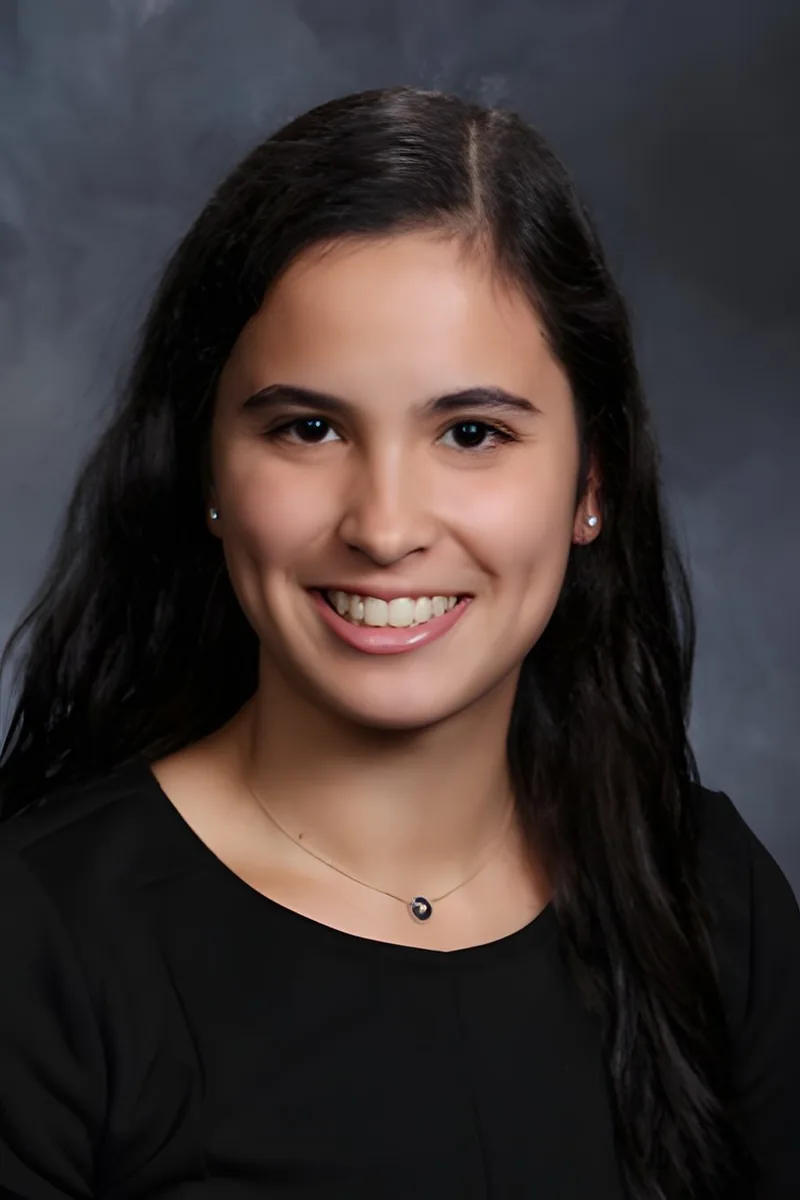
Having gone through the admissions process at MIT and now Georgia Tech's PhD program, Isabella knows what makes a personal statement land with a committee — specificity, structure, and a voice that sounds like the person writing it. She walks students through brainstorming, drafting, and revising so the final essay reveals something a transcript can't.
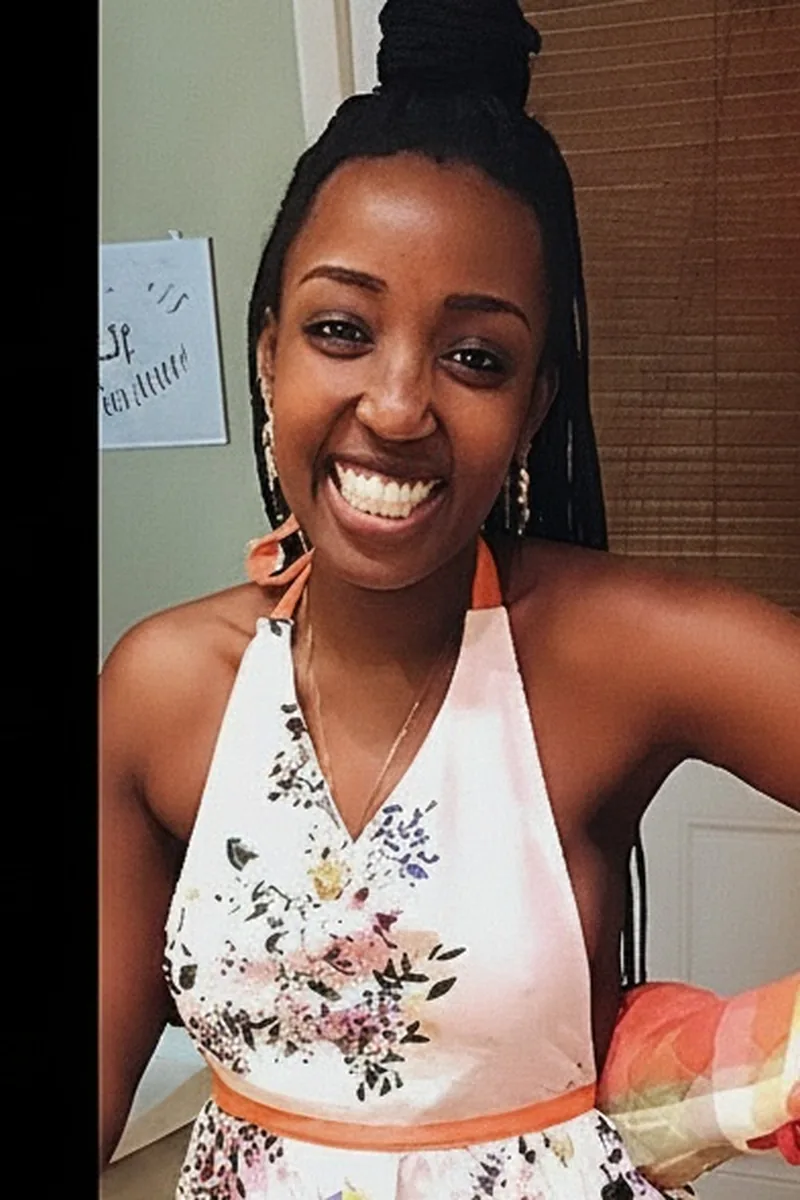
After working as a college prep administrator, Marion has read hundreds of application essays and knows exactly what admissions readers skim past versus what makes them pause. She doesn't hand students a formula — she digs into brainstorming sessions to find the specific story or insight that only that student could write, then shapes it into a draft with a clear narrative arc. The result is an essay that sounds like a real person, not a college brochure.
Every admissions officer reads thousands of essays that open with "I've always been passionate about..." — Jean makes sure her students don't write one of them. Having gone through competitive admissions herself at Duke and UNC Law, she knows what makes a personal statement land: a specific story, an authentic voice, and a structure that doesn't waste a single sentence. She digs into brainstorming and multiple drafts until the essay sounds like the student, not like a template.
As a Brown sophomore who recently survived the college application process, Alice remembers what works and what doesn't in a personal statement. She treats each essay as a storytelling problem — identifying the one specific moment or idea that reveals something genuine, then shaping the draft around it. Her cognitive science perspective also gives her a sharp eye for how admissions readers actually process a 650-word essay.
A Georgia Tech engineer who also loves writing might sound unusual, but that combination is exactly what makes college essays click — admissions officers want authentic voices, not formulaic five-paragraph structures. Ilesh walks students through brainstorming, drafting, and revising personal statements that reveal character without overreaching. His own full-ride scholarship journey gives him firsthand insight into what resonates with admissions committees.
Robert is a Stanford graduate and full-time writer, which means he's lived on both sides of the college essay — he wrote one that got him in, and now he spends his days crafting narratives professionally. He digs into what makes a personal statement memorable: a specific moment, an honest voice, and a structure that doesn't waste a single sentence. Rated 5.0 by students.
Having worked in Northwestern's writing center, Juliana spent years reading drafts from students trying to stand out in a sea of similar applications. She knows what admissions readers respond to — specificity, authentic voice, and a narrative arc that doesn't try to cover everything. Her editing process starts with finding the one story only that student can tell, then structuring every paragraph around it.
As a first-generation college student, Ominira navigated the admissions essay process without a built-in roadmap — and that experience now shapes how she teaches others to find and tell their own stories. She digs into brainstorming, structure, and voice, making sure each draft sounds like the student who wrote it rather than a template pulled from the internet.
A strong college essay doesn't summarize a résumé — it reveals how a student thinks, and admissions officers can spot the difference in a paragraph. David brings an analytical mindset from his math and actuarial background to essay structure, helping students find a single compelling thread in their experience and develop it with specificity and voice.
Engineering PhD students don't just run experiments — they write grants, craft research narratives, and learn to make technical ideas compelling to non-specialists. Bettina brings that storytelling discipline to college essays, teaching applicants how to structure a personal narrative with a clear arc and authentic voice. She's especially useful for STEM-oriented students who have strong accomplishments but struggle to translate them into engaging prose.
College admissions essays live or die on specificity — generic "overcoming adversity" narratives blur together after the hundredth read. Hailey earned a full-tuition Zell Miller Scholarship, a National Merit Scholarship, and a Woodruff Scholarship, so she's been through the process successfully and knows how to help a student find the one concrete story that makes an essay memorable.
The hardest part of a college essay isn't the writing — it's figuring out which story to tell and why it matters. Christopher went through this process for both Rice and Baylor's medical school, crafting personal statements that had to convey scientific passion alongside personality. He teaches students to identify one specific moment or insight and build outward from there, producing essays that sound genuinely like them.
Having recently navigated the college admissions process herself — landing at Rice University for biochemistry — Maddie knows what admissions officers look for in a personal statement. She tackles the hardest part first: finding an authentic angle that makes a student's voice stand out, then structuring the essay so every paragraph earns its place.
Having navigated admissions at both Northwestern and Notre Dame Law School — where he graduated magna cum laude — James knows what compelling personal writing looks like from both sides of the process. He digs into the specific prompt, the applicant's story, and the audience, then builds an essay that sounds like a real person rather than a template.
A Bachelor of Fine Arts in Creative Writing gives Alexandra something most STEM tutors lack: real training in voice, narrative structure, and revision. She applies that craft to college essays, teaching students to find the one specific story that reveals character — then edit ruthlessly until every sentence earns its place. Her science background also means she's especially effective with applicants writing about research or technical interests.
Personal statements for college admissions need a specific, honest voice — not a list of accomplishments repackaged as a narrative. Michael went through the application process for both a competitive biomedical engineering program and Georgia Tech's graduate school, so he knows how to identify the one story worth telling and shape it into an essay that admissions readers remember. He also brings a writer's eye from his own reading and writing hobbies outside of STEM.
A strong college essay doesn't summarize a résumé — it reveals how a student thinks. Matthew went through the application process for both Georgia Tech and ETH Zurich's graduate program, so he knows how to shape a personal narrative that admissions committees actually remember. He digs into structure, voice, and specificity with each draft until the essay sounds unmistakably like the student who wrote it.
A strong college essay doesn't summarize a résumé — it reveals how a student thinks. Anna's approach starts with brainstorming sessions designed to surface the specific story or perspective that only that student could write, then moves through multiple drafts to sharpen voice and structure. Her experience teaching writing at UVA means she understands what admissions readers are actually looking for in a personal statement.
A strong college essay doesn't summarize a résumé — it zooms in on one moment or detail that reveals something only you could write. Aditya, currently navigating the college experience himself as a UGA biochemistry and sociology double-track student, knows what admissions readers respond to and what makes an opening line fall flat. He walks applicants through brainstorming, drafting, and trimming until every sentence earns its place.
Having navigated the application process that landed him competitive investment banking internships at SunTrust Robinson Humphrey and Moelis & Company, Victor knows how to craft a personal narrative under tight word limits. He walks students through finding a specific, authentic angle and then structuring their essay so every sentence earns its place on the page.
The college essay isn't really about accomplishments — it's about voice, structure, and showing an admissions reader something they haven't seen before. Eugene earned his BA in English from Emory and went on to navigate medical school admissions himself, so he knows firsthand how to craft a personal narrative that's specific, honest, and structurally tight.
Personal statements live or die on specificity — admissions readers can spot a generic "overcoming adversity" essay in seconds. Jordan, who earned a degree in Creative Writing, walks students through the process of finding a genuine story, structuring it with narrative tension, and revising until every sentence earns its place. The goal is an essay that sounds unmistakably like the student who wrote it.
A strong college essay doesn't summarize a résumé — it reveals how a student thinks. Yilin earned her J.D. after studying psychology, so she understands both the persuasive structure of personal narrative and the admissions reader's perspective. She digs into brainstorming and revision, pushing students to find the one specific story that no other applicant could tell.
I'm always up for the challenge of changing my methods of instruction and breaking down topics to foster a deeper understanding of a subject. On a different note, I generally spend my spare time playing lacrosse or running outdoors when possible. I also play the violin with a school quartet, and teach lessons to beginning students working through the Suzuki program.
As a current Emory Law student who went through the law school admissions gauntlet, Matt knows what it takes to write a personal statement that stands out in a competitive applicant pool. He teaches students to identify the one story only they can tell, then structure it with a clear arc that admissions readers remember. His editing eye catches the vague generalizations that weaken most first drafts.
A strong college essay doesn't summarize a résumé — it reveals how a student thinks, and that's a surprisingly hard thing to put on paper. Adel, who went through the process himself at Georgia Tech and has been tutoring writing since his freshman year, excels at pulling out the specific details and voice that make a draft feel genuinely personal. He also edits for structure and clarity, so the final product reads as polished as it is authentic.
Having just gone through the medical school application process and earned admission to Columbia, Tyler knows firsthand what it takes to write a personal statement that stands out in a competitive pool. He applies that same eye to college essays — zeroing in on the specific narrative thread that makes a student's voice memorable to admissions readers.
A college essay lives or dies on specificity — admissions readers can spot a generic personal statement in seconds. Jennifer, who double-studied public relations and English, treats each essay as a branding exercise: identifying what makes a student's story distinct, then shaping it into a narrative with a clear arc. Rated 5.0 by students, she's especially sharp at cutting filler and strengthening opening hooks.
I'm a 25 year old recent J.D. graduate of Georgia State College of Law. I attended Emory University for my undergraduate studies where I was awarded a double major in Political Science and History. Currently I am interning with CAIR as I prepare for the February Georgia Bar Exam.
Applying to Georgia Tech's Biomedical Engineering program gave Travis firsthand experience crafting essays that translate technical interests into compelling personal narratives. He teaches students to identify a specific angle, structure their argument clearly, and revise until every sentence earns its place. His planned sociology minor also reflects a genuine interest in how people communicate ideas effectively.
Years of editing essays for classes and scholarship applications gave Emily a sharp eye for what admissions readers actually respond to — specificity, authentic voice, and a narrative arc that doesn't try to cover everything. She digs into brainstorming with students to find the one story worth telling, then refines drafts until the structure and language feel unmistakably theirs. Rated 5.0 by students.
A college essay lives or dies on specificity: one vivid moment unpacked honestly will outperform a broad summary of achievements every time. Arin's PhD in Performance Studies and experience teaching writing at NYU, American, and New College of Florida translate into sharp editorial instincts for where a draft is performing and where it's hiding behind clichés. Expect line-level feedback on voice, structure, and the narrative arc admissions readers remember.
Xihao's graduate work in mathematics and statistics means he's spent years writing for audiences who punish vague thinking — a habit that sharpens college essays more than most applicants expect, especially when it comes to cutting filler and making every sentence do real work. He's particularly useful for students who want to write about quantitative interests, economics, or finance without producing something that reads like a résumé, since he actually lives in those fields and can spot when the personal story gets buried under jargon.
An avid reader and writer outside the classroom, Jade approaches college essays as storytelling problems — figuring out which specific details reveal something meaningful about the applicant. She teaches students to move from a vague topic to a tight, compelling narrative by drafting quickly, identifying the emotional core, and cutting everything that doesn't serve it. Her 1530 SAT score also reflects the kind of precise, purposeful writing admissions officers notice.
Writing a college essay that actually sounds like you — and not like every other applicant — requires stripping away the impulse to impress and finding a specific, honest story. Chandler brings a songwriter's ear for voice and structure to the drafting process, pushing students to sharpen their narrative arc and cut the generic filler that admissions readers skim past.
College admissions readers spend about eight minutes on an application, so the personal essay has to land immediately and reveal something a transcript can't. As a current University of Pennsylvania student, Audrey knows firsthand what selective schools respond to — she unpacks brainstorming, narrative structure, and voice so each draft sounds authentically like the student writing it. Her editing eye catches the vague claims and clichés that weaken otherwise solid essays.
I am working as a program manager at a local non-profit organization in Miami. Outside of academia and work my interests are singing karaoke with friends, swimming, watching movies, and reading about environmental and social justice issues. In the past I have tutored public health topics (including epidemiology) online, taught environmental science and history courses, and tutored students in-person on ACT prep, biology, voice lessons, and Spanish language. My clients have been middle school, high school, university, and graduate students. My favorite subjects to tutor are those that I myself had to work the hardest to conquer (ACT, Spanish fluency, epidemiology and chemistry)! I love teaching these subjects because through my own struggle to achievement I have developed especially effective methods for my clients to succeed as well. My teaching style is based upon working with clients to develop individualized study methods. I am a tutor who is patient, caring, and committed to seeing you exceed your goals. Don't hesitate to contact me if you are searching for a tutor with these qualities.
An avid reader and writer outside his engineering work, Corey approaches college essays as structured arguments for who you are — each paragraph earning the reader's attention rather than restating a résumé. He's particularly good at coaching students who are strong in STEM but unsure how to translate technical experiences into compelling personal narratives.
Getting into a competitive program means writing an essay that sounds like a real person, not a thesaurus. Jen has been on both sides of the admissions experience — she earned admission to Georgia Tech's Honors Program and Co-op Program as an undergrad, then to Georgia State's law school — and she knows how to shape a personal narrative that's specific, honest, and structurally tight.
A strong college essay doesn't summarize a résumé — it reveals how a student thinks. Darien's MBA training sharpened his ability to craft concise, persuasive narratives under tight constraints, and he applies that same discipline to helping students find an authentic angle and structure it into a compelling personal statement. He's particularly effective at cutting filler and making every sentence earn its place.
Testimonials
Because the right College Essays tutor makes all the difference.
Average Session Rating – Based on 3.4M Learner Ratings
Nearby College Essays Tutors
Other Atlanta Tutors
Related English Tutors in Atlanta
Frequently Asked Questions
A strong college essay typically follows a clear structure: compelling introduction, well-developed body paragraphs with specific examples, and a thoughtful conclusion that reinforces your main point. The key is starting with brainstorming to find authentic stories that reveal something meaningful about who you are, then drafting without worrying too much about perfection. After your first draft, revision is where the real work happens—refining your thesis, cutting unnecessary words, and ensuring each paragraph serves a purpose. Many students benefit from getting personalized feedback on their drafts to identify areas where their voice can shine through more clearly or where arguments need stronger support.
Tutors provide personalized feedback that goes beyond what you might get from a teacher or parent. They can help you identify your strongest stories and develop them into compelling narratives, work with you on essay structure and thesis development, and give detailed guidance on revision—not by rewriting for you, but by showing you how to strengthen your own writing. They also help with the specific mechanics that matter: clarity, conciseness, and making sure your voice comes through authentically. For Atlanta students working with tutors, you get one-on-one attention to tackle whatever challenge you're facing, whether that's overcoming writer's block, organizing complex ideas, or polishing your final draft.
Many students fall into a few predictable traps: trying to sound overly formal or using big words that feel inauthentic, telling rather than showing (explaining what you learned instead of demonstrating it through specific examples), and losing focus by trying to cover too much ground in one essay. Another frequent issue is generic storytelling—essays that could apply to almost anyone—rather than revealing something unique about your perspective or values. Grammar and spelling errors, while less critical than content, can undermine an otherwise strong essay. The most common issue, though, is not leaving enough time for revision. First drafts are rarely polished, and essays improve dramatically with multiple rounds of thoughtful editing focused on clarity and impact.
Varsity Tutors connects you with experienced tutors in Atlanta who specialize in college essay writing and have deep knowledge of what admissions officers look for. When you work with a tutor, you get personalized 1-on-1 instruction tailored to your specific essays, writing style, and goals—whether you're working on your main application essay, supplemental prompts, or scholarship essays. The matching process takes into account your needs and timeline, so you can start getting feedback quickly. With nearly 94,000 students across Atlanta's 19 school districts, competition for college admission is real, and having expert guidance on your essays can make a meaningful difference in how your applications stand out.
Ideally, you should start brainstorming and outlining college essays in the summer before your senior year, giving yourself time to think about meaningful stories and experiences without the pressure of ongoing coursework. If you can get a draft done by early fall, you'll have time for feedback and revision before application deadlines. That said, it's never too late to get help—even if you're in the thick of applications, a tutor can provide focused guidance to strengthen essays still in progress. The key is giving yourself enough time for revision, since your first draft is rarely your best work. Starting earlier simply means less stress and more opportunity to polish your essays until they truly represent your best thinking.
Your authentic voice comes through when you write about things that genuinely matter to you and use your natural way of speaking rather than adopting an overly formal tone. Admissions officers want to hear from you, not from an essay-writing template. Start by being specific and honest in your examples—concrete details and personal reflection are what make essays memorable. Avoid trying to impress with vocabulary or complex sentences; instead, focus on clarity and saying what you actually mean. Many students discover their voice through multiple drafts, where they gradually strip away what feels forced and lean into what feels true. A tutor can help you identify where your writing sounds most natural and authentic, then build from there to strengthen the overall essay while maintaining your unique perspective.
Revision is a multi-layered process, and different passes focus on different things. First, look at big-picture issues: Does your essay have a clear main idea? Do your examples actually support your thesis? Are you showing the reader who you are through specific moments rather than just telling them? Next, focus on organization and flow—do your paragraphs connect logically? Then move to the sentence level: Are there unnecessary words? Is every sentence clear and purposeful? Finally, check for grammar, spelling, and punctuation. A common mistake is trying to fix everything at once, which is overwhelming. By tackling revision strategically, you'll strengthen your essay significantly. Working with a tutor during revision is particularly valuable because they can point out what's working, identify gaps in logic or evidence, and help you see where your writing can be tightened or clarified—making the revision process much more efficient and effective.
Let’s find your perfect tutor
Answer a few quick questions. We’ll recommend the right plan and match you with a top 5% tutor.