Award-Winning Microbiology Tutors
serving Madison, WI
Microbiology
Tutors in Madison
Private 1-on-1 tutoring, weekly live classes for academic support, test prep & enrichment, practice tests and diagnostics, and more to elevate grades and test scores.
Based on 3.4M Learner Ratings
UniversitiesSchools & Universities
DeliveredHours Delivered
ProficiencyGrowth in Proficiency
Who needs tutoring?
No obligation. Takes ~1 minute.
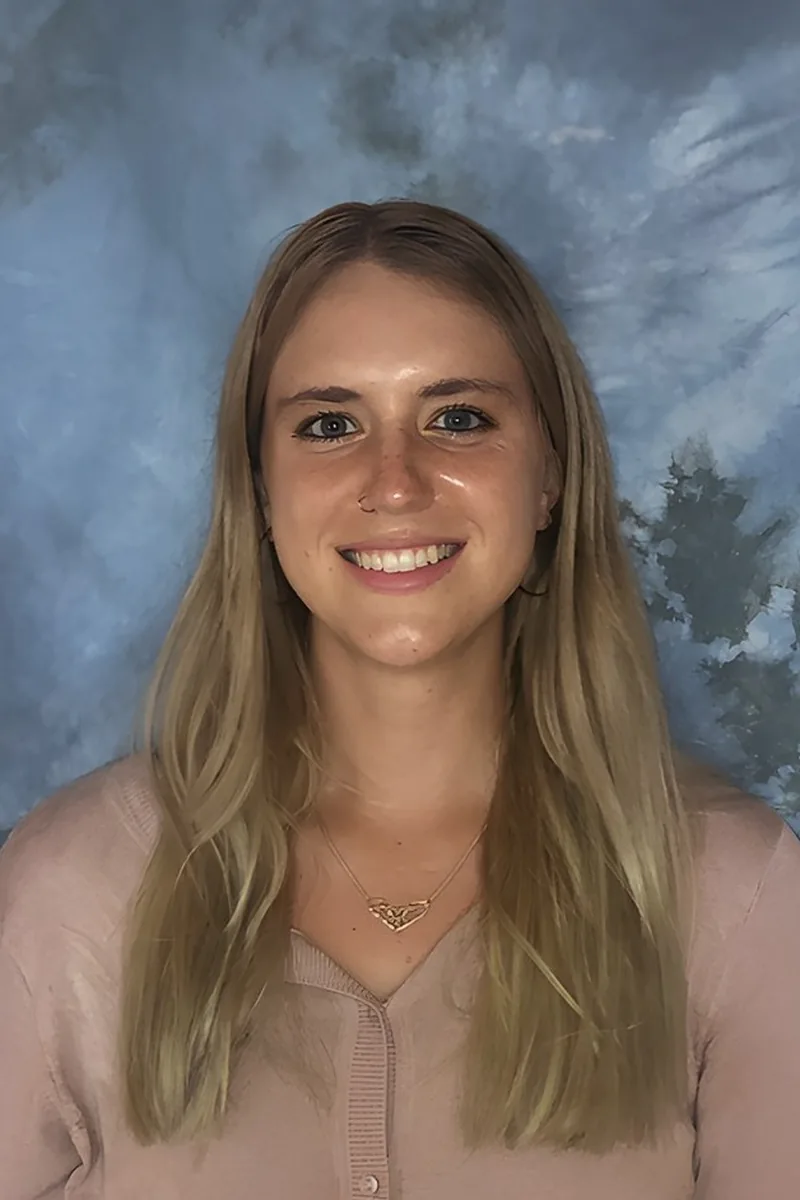
Madeline is earning her PhD in microbiology, which means she lives this subject — from bacterial pathogenesis and immune evasion strategies to lab techniques like Gram staining, PCR, and culture methods. She brings real research examples into her teaching, explaining how microorganisms actually behave in the lab versus what a textbook diagram might suggest. That firsthand experience makes complex topics like quorum sensing or biofilm formation far more intuitive.

Having co-taught a microbiology lab course at UW-Madison, Samantha knows exactly where students get lost — whether it's distinguishing Gram-positive from Gram-negative cell walls, interpreting streak plate results, or connecting metabolic pathways to bacterial classification. She brings bench-level familiarity with aseptic technique, staining protocols, and culture methods that turns confusing lab procedures into intuitive steps.
Keeping bacterial classification, virulence factors, and immune evasion strategies straight requires a system, not just flashcards. As a medical student at the Medical College of Wisconsin, Abrahim deals with microbiology in a clinical context daily — he teaches students to organize pathogens by mechanism of action and host response, which makes exam recall far more reliable.
Keeping bacterial classification, viral replication cycles, and immune response pathways straight requires a mental framework most textbooks don't provide upfront. Jeffry builds that framework early — organizing microbes by structure, metabolism, and pathogenicity — so each new organism slots into a pattern instead of becoming another isolated fact to memorize.
Medical school builds microbiology into nearly every clinical rotation — Robin's training means she's traced how specific pathogens cause disease, how immune responses escalate, and why certain antibiotics target one organism but not another. That clinical context turns dense material like Gram classifications and virulence mechanisms into something students can reason through, because each organism connects to a real disease process. Rated 5.0 by students.
A Stanford Human Biology degree with a concentration in bioinformatics gave Matthew a computational angle on microbiology — he thinks about microbial populations in terms of gene expression data, genomic analysis, and the quantitative patterns underlying concepts like antibiotic resistance and pathogen evolution. That top-down, systems-level perspective is especially useful for students who struggle to see how individual topics like bacterial metabolism or viral replication fit into the bigger biological picture. Rated 4.9 by students.
Richard's PhD research at Northwestern is in microbiology, which means he's not teaching this subject from a textbook — he's living it. He digs into topics like bacterial pathogenesis, microbial genetics, and host-immune interactions with the kind of detail that comes from years at the bench. Students preparing for exams or struggling with lab reports get someone who can connect microscopic mechanisms to the bigger public health picture.
Bioengineering trains you to think about microorganisms as systems — how bacterial metabolism, gene regulation, and surface interactions can be modeled, measured, and manipulated. Casey applies that engineering mindset to microbiology topics like growth kinetics and sterilization techniques, breaking down each process into the quantitative and biological components that actually explain it. Her parallel background in physiology and organic chemistry lets her trace microbial behavior from the molecular scale up to host-level effects.
The IB Biology program — both SL and HL — drills deep into microbial topics like cell theory, pathogen classification, and antibiotic resistance, and Kinjal completed that rigorous track before earning her biology degree at Texas A&M. That combination means she can walk through bacterial structure, microbial metabolism, and host-pathogen dynamics with the kind of layered understanding that comes from studying the material twice at increasing depth. Rated 5.0 by students.
As a biology major at Boston College, Andrew's coursework in cell biology and lab science gave him hands-on experience with the microbial world — bacterial structure, growth dynamics, and the metabolic differences that determine how organisms thrive in different environments. His parallel study of chemistry strengthens how he explains topics like cell membrane function and nutrient uptake at the molecular level, turning dense material into something students can actually reason through. Rated 5.0 by students.
Bacterial classification, viral replication cycles, and host-pathogen interactions are central to both microbiology coursework and clinical medicine. As a medical student at UMKC, Evelyn encounters these concepts in a clinical context every week, which means she can explain the difference between gram-positive and gram-negative organisms — or how antibiotic resistance develops — with real diagnostic scenarios in mind.
I'm a current medical student at VCU School of Medicine, and a graduate of Johns Hopkins University. I received my Bachelor of Science in Molecular and Cellular Biology. I've had the pleasure of tutoring a diverse range of students for 5 years; while I tutor a broad set of subjects, I'm most passionate about biology, psychology, and chemistry. I'm a big proponent of ensuring understanding over memorization and teaching concepts that last for years to come (particularly for other students interested in medicine!) In my free time, I love to write poetry, edit essays, and gush about game writing with friends.
Understanding microbiology means more than memorizing bacterial classifications — it requires seeing how metabolic pathways, genetic regulation, and environmental pressures shape microbial behavior. Alec studied genetics, genomics, and development at Cornell and taught biology content in both lecture and small-group settings, giving him a knack for making concepts like quorum sensing or virulence factor regulation feel intuitive rather than overwhelming.
As a fourth-year medical student at Thomas Jefferson University, Anshel has spent years immersed in bacterial pathogenesis, antimicrobial mechanisms, and the clinical consequences of infections that microbiology courses describe in the abstract. He connects concepts like gram staining, virulence factors, and antibiotic resistance to the patient scenarios that make them memorable. That clinical lens turns dense microbiology material into something students can actually reason through on exams.
Understanding microbiology means getting comfortable with organisms you can't see — bacterial cell structure, viral replication cycles, and the metabolic pathways that keep microbes alive. Varuna's graduate work in biomedical engineering at Tufts involved the biological mechanisms that underpin infection and immunity, giving her a practical lens for teaching concepts like gram staining, antibiotic resistance, and microbial genetics.
Studying biomedical engineering means Cassandra has spent serious time with microbial physiology, from bacterial cell structure and metabolic pathways to how pathogens interact with host immune systems. She teaches microbiology by linking each organism's characteristics to the mechanisms that make it clinically or industrially relevant, turning dense material into a coherent story.
Testimonials
Because the right Microbiology tutor makes all the difference.
Average Session Rating – Based on 3.4M Learner Ratings
Nearby Microbiology Tutors
Other Madison Tutors
Related Science Tutors in Madison
Frequently Asked Questions
Microbiology students often struggle with visualizing microscopic structures and processes they can't see with the naked eye—like bacterial cell division, viral replication, and metabolic pathways. Many also find it challenging to connect theoretical concepts (such as how antibiotics work at the molecular level) to real-world applications in medicine and industry. Personalized tutoring helps students build mental models of these abstract concepts and develop the scientific reasoning skills needed to apply knowledge to new problems.
Tutors can help you understand the 'why' behind lab procedures—not just the steps to follow. This includes grasping proper technique, interpreting results, troubleshooting when experiments don't go as expected, and connecting lab observations to course concepts. Strong lab skills combined with conceptual understanding lead to better experimental design, more meaningful data analysis, and deeper learning that extends beyond the grade.
Not at all—while Microbiology does involve learning about different microorganisms, the real focus is understanding how they function, interact with their environment, and impact human health and ecosystems. Effective tutoring emphasizes building conceptual frameworks so you can reason through new scenarios rather than relying on rote memorization. When you understand the underlying principles, facts become easier to retain and apply.
Your first session is about building a foundation for success. A tutor will assess your current understanding of key Microbiology concepts, identify specific areas where you're struggling (whether it's taxonomy, metabolic pathways, or lab interpretation), and learn your learning style. Together, you'll create a personalized plan focused on your goals—whether that's improving your grade, preparing for an exam, or developing stronger scientific reasoning skills.
Unit conversions and calculations are essential in Microbiology—from working with microbial concentrations (CFU/mL) to dilution factors and growth rates. Tutors break down these processes step-by-step, helping you understand not just how to convert units but why the conversion matters in a real experimental context. Mastering these skills builds confidence and prevents calculation errors that can derail lab work and exams.
Effective exam prep goes beyond reviewing notes—it involves practice testing, working through past exams, and identifying patterns in question types. Tutors help you distinguish between memorization questions and those requiring deeper reasoning, teach you how to apply concepts to unfamiliar scenarios, and build test-taking strategies specific to Microbiology. Regular practice with feedback strengthens both your knowledge and your ability to perform under exam conditions.
Varsity Tutors connects you with tutors who have strong backgrounds in Microbiology and experience teaching students at your level. When you get matched with a tutor, you can discuss their teaching approach, their experience with your specific course or exam, and how they help students move from confusion to confidence. The right tutor will meet you where you are and adapt their instruction to your learning style.
Understanding how Microbiology applies to medicine, food safety, environmental science, and biotechnology makes the subject more meaningful and memorable. When you see how antibiotic resistance develops, how fermentation is used in food production, or how microbes are engineered for research, abstract concepts become concrete. Tutors help you build these connections, which deepens your understanding and prepares you for advanced courses and career applications.
Let’s find your perfect tutor
Answer a few quick questions. We’ll recommend the right plan and match you with a top 5% tutor.