Award-Winning English Tutors
serving Richmond, VA
English
Tutors in Richmond
Private 1-on-1 tutoring, weekly live classes for academic support, test prep & enrichment, practice tests and diagnostics, and more to elevate grades and test scores.
Based on 3.4M Learner Ratings
UniversitiesSchools & Universities
DeliveredHours Delivered
ProficiencyGrowth in Proficiency
Who needs tutoring?
No obligation. Takes ~1 minute.

Between engineering reports and MBA case analyses, Waleed has written across genres that demand very different things — technical precision in one, persuasive storytelling in another. He brings that range to English tutoring, tackling everything from close reading and literary analysis to crafting compelling personal narratives.
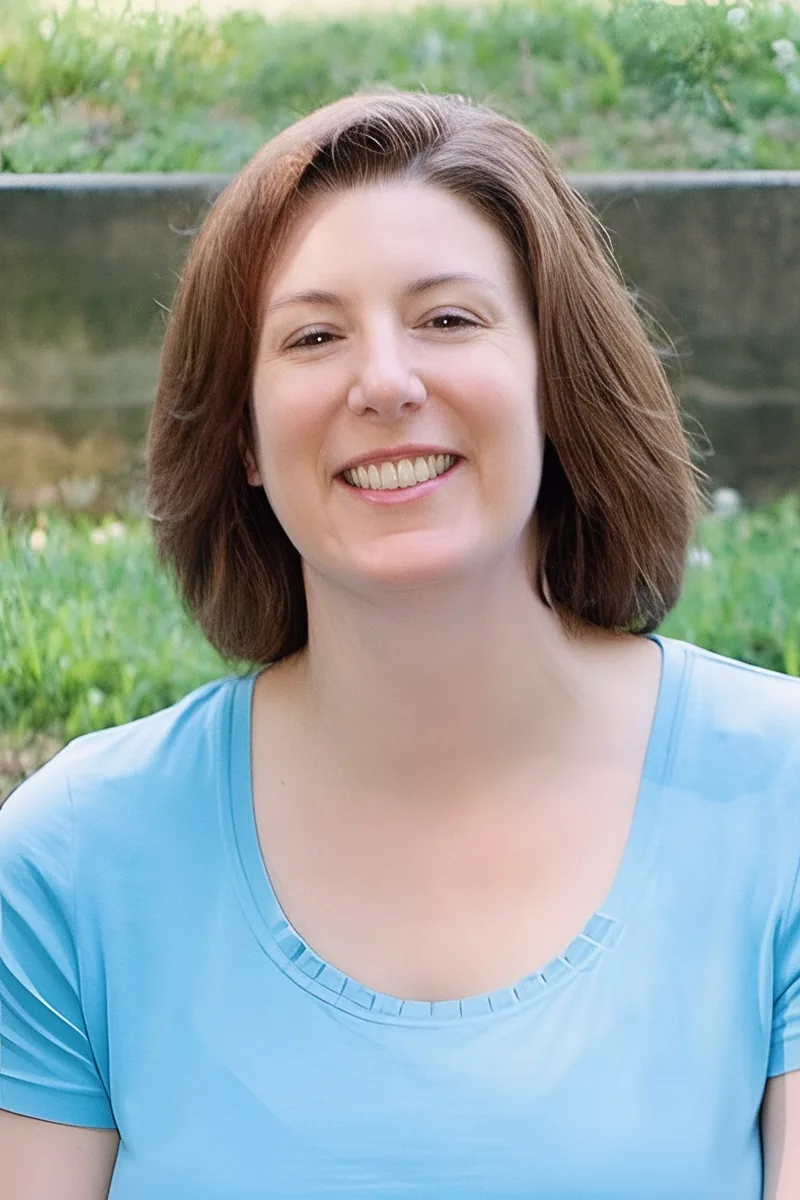
Between her history and sociology degree and her legal career, Amber has spent decades building arguments from texts — a skill that translates directly to English coursework. She teaches students to read critically, develop clear thesis statements, and support claims with textual evidence, whether they're analyzing a novel, writing a persuasive essay, or preparing for a standardized reading section.
Every English skill ultimately comes back to the same question: can you read something carefully and say something clear about it? Molly's Yale education and writing center experience gave her deep practice in both — she teaches students to annotate texts for argument structure, build thesis-driven essays, and revise their own prose with a critical eye. She's equally comfortable with literary analysis, persuasive writing, and vocabulary development.
Austin's primary strength is mathematics, but his experience writing college essays and editing peers' work gave him a practical grip on grammar, argument structure, and clear prose. He approaches English assignments the way a math mind would — breaking down thesis statements into logical claims and making sure every paragraph earns its place.
Reading and writing have always been central to Joel's life outside the lab, and his adjunct teaching role requires him to evaluate student writing daily. He tackles English by connecting reading comprehension skills — identifying tone, purpose, and rhetorical strategy — directly to stronger essay composition, so improvement in one area feeds the other.
Reading a novel and writing about it are two completely different skills, and Briana teaches both. Her approach to English centers on close reading — pulling apart an author's word choices, structural decisions, and rhetorical moves — then translating that analysis into essays with sharp thesis statements and well-organized evidence. With degrees that required constant analytical writing across disciplines, she knows how to push students past plot summary into genuine literary argument.
Between her love of reading and her extensive experience writing college essays and academic papers, Bhumi approaches English as two connected skills: pulling meaning from a text and then articulating that meaning clearly on the page. She digs into thesis construction, textual evidence, and paragraph organization so students can tackle any literature-based essay with confidence.
Medical scribing demands something most people don't associate with science — fast, precise writing under pressure, where every word has to convey exactly the right clinical meaning. Anurag carries that same attention to clarity and grammar into English tutoring, especially for students working on essay structure and college essays where getting an argument across cleanly matters more than flowery language. His biology background at VCU also means he's comfortable coaching writing about technical or scientific topics.
Between scoring 1550 on the SAT and spending years working with students on reading and writing, Roshni approaches English as a set of transferable skills: close reading, argument construction, and clear prose. She's especially effective at teaching students how to move from understanding a text to writing about it — building the bridge between reading comprehension and analytical essays that many students find frustrating.
A graduate of Maggie L. Walker Governor's School — one of Virginia's most academically demanding public schools — Emma spent years developing close-reading and thesis-building skills alongside her STEM focus. She approaches English assignments analytically, teaching students to identify an author's argument, gather textual evidence, and structure a response that actually answers the prompt.
Between her biomedical engineering coursework and medical school applications, Sanam has written and revised hundreds of pages of analytical prose — from lab reports to personal statements to literature reviews. She teaches students how to build a thesis, organize supporting evidence, and revise for clarity, drawing on the kind of disciplined writing process that got her into medical school.
Between a philosophy MA and an interdisciplinary BA that included heavy reading and writing across four fields, Kyle has spent years dissecting arguments in texts and constructing them on the page. He tackles English by connecting reading comprehension to writing — showing students how an author's choices in structure, tone, and evidence become tools they can borrow for their own essays. That analytical bridge between reading and writing is where his tutoring tends to make the biggest difference.
Reading critically and constructing a clear argument are skills Ying sharpens daily in her engineering program, where technical reports demand the same close analysis and structured writing that English classes require. She's particularly effective at teaching students how to pull textual evidence into a thesis-driven essay and organize body paragraphs that actually build on each other.
I am currently a lead preschool teacher. I received my Bachelor's in Psychology from VCU and am looking to return to school to further my education. While in college, I worked as a Supplemental Instruction leader, teaching general biology and anatomy. I have also worked in an after school program with elementary age children, but I have my fondest memories volunteering as a counselor for Camp Kesem. In my own experience, I loved school and now I love teaching even more at all age levels! I especially enjoy the challenge of getting creative to discover what approach and mediums work best for each student. I am available for in person as well as online tutoring.
I am a graduate of Tufts University. I received my Bachelor of Arts in English as well as a minor in History. Since graduation, I have worked as a 7th grade Reading Language Arts teacher in Dallas Texas at a newly formed public all boys school. This has provided me with great experience and insight into how students best learn and how to create culturally responsive lessons that students will engage with. I am most passionate about English, Literature, History, and Spanish. In my experience, working to prepare students for state standardized tests has had the additional benefit of helping students to discover what they enjoy reading about. This increase in intrinsic motivation to read has had an important impact on struggling students. I am dedicated towards ensuring that students are provided with an education that increases their quality of life.
Kendra built her career around English — teaching it abroad, developing ESL curricula, and coaching students from elementary age through adulthood in reading, writing, and spoken communication. That range means she can pinpoint whether a student's struggle is with vocabulary, sentence structure, reading stamina, or simply confidence. Her UCLA education and cross-cultural teaching experience give her a unusually broad perspective on how English works and how different learners absorb it.
Reading comprehension and writing are really cognitive tasks — they depend on how a student organizes information, makes inferences, and translates ideas into words. Megan's UVA cognitive science background gives her a unique lens on English instruction, and she uses it to pinpoint whether a student struggles with generating ideas, structuring paragraphs, or interpreting what an author is actually arguing.
Reading a poem and reading a history document require completely different instincts, and Julia's combined training in English and studio art gives her a sharp eye for how form shapes meaning. She digs into everything from close reading and thesis construction to the visual rhetoric of how texts are structured on the page. Students leave sessions with concrete tools for annotation, analysis, and argument — not just vague impressions of what a passage 'means.'
Between scoring a 1510 on the SAT and writing extensively for medical school applications, Allison has logged serious hours with close reading, analytical writing, and argument construction. She teaches English as interconnected skills — showing students how careful reading of a passage directly fuels a stronger thesis and tighter prose in their own writing.
A public policy and public health background means Braveen reads everything through the lens of argument — what's the claim, what's the evidence, and does the logic hold? He applies that same framework to English, whether students are dissecting a passage's rhetorical strategy or tightening their own thesis statements. From close reading to essay structure, he teaches the analytical habits that carry across every English assignment.
Amanda's English degree from VCU anchors a teaching approach that ties close reading directly to stronger writing — analyzing how an author builds tone in a passage, then applying those same techniques in a student's own essays. She digs into everything from thesis development to textual evidence, making the connection between what students read and what they produce on the page.
Shahad's bioinformatics training means she spends her days translating complex data into clear, precise written communication — a skill that transfers surprisingly well to English. She teaches grammar mechanics, paragraph structure, and how to build a claim from textual evidence, approaching each writing task with the same logical scaffolding she uses in her science coursework. Rated 4.9 by students.
Shona's strength in English comes from years of writing across disciplines — lab reports, research papers, personal statements for medical school applications — each demanding clarity and tight organization. She tackles reading comprehension, thesis development, and paragraph structure by showing students how to build an argument one logical step at a time.
From close-reading a novel to structuring a five-paragraph essay to nailing a thesis statement, Lauren covers the full range of skills that English classes demand. Her dual background in Communications and English means she treats every assignment as both a thinking exercise and a communication challenge — teaching students to develop a real argument and express it in writing that holds a reader's attention.
Monika's science-heavy courseload at VCU means she reads and writes across genres constantly — from dense research papers to persuasive essays — which sharpened her ability to analyze arguments and craft thesis-driven writing. She tackles English skills like close reading, textual evidence, and structured paragraph development by showing students how to pull apart what an author is really doing on the page.
Between literature analysis and essay writing, English demands two very different skill sets — close reading and clear argumentation. Elderen tackles both by teaching students to identify an author's rhetorical moves in a text and then translate those observations into structured, evidence-driven essays with strong thesis statements.
Between editing college essays and teaching Japanese lessons for a campus organization, Kai spends most days thinking about how language works — how to structure an argument, choose precise words, and communicate clearly across audiences. For English tutoring, Kai digs into reading comprehension strategies and paragraph organization, connecting each skill to the kind of writing students will actually need beyond the classroom.
An English degree built around critical analysis of film, theater, and diverse literary traditions means Brooke can tackle everything from Shakespeare to contemporary nonfiction. She teaches students to read actively — annotating for theme, tracking narrative structure, identifying rhetorical moves — so they engage with texts on a deeper level than plot summary.
Michael approaches English from an analytical angle, breaking down reading passages and writing assignments the way an engineer would break down a system — identifying how each part functions and supports the whole. His experience with college essays and literature gives him a practical toolkit for teaching thesis development, textual analysis, and clear argumentation.
Between her Latin American Studies minor and her International Studies degree, Jessica spent college reading critically across genres — political analyses, literary texts, historical documents — and writing arguments that synthesized all of it. She teaches English students to do the same: dissect an author's choices, build a thesis with real evidence, and revise until the writing is sharp.
A double major in English Literature and Arabic at James Madison University trained Andrea to read closely across languages and literary traditions, picking apart tone, structure, and argument in everything from Victorian novels to contemporary essays. She brings that cross-cultural lens to English tutoring, whether a student is crafting a thesis statement, analyzing a passage, or learning to revise their own prose with a more critical eye. Rated 4.7 by students.
Between his college essay coaching, essay editing work, and literature background, Mac approaches English as a subject where reading and writing reinforce each other. He teaches students to pull apart an author's argument or narrative structure and then apply those same techniques — thesis development, textual evidence, clear organization — in their own writing.
Katie approaches English by tying reading and writing together — analyzing how an author builds an argument or develops a character becomes the foundation for a student's own essays. Her experience across literature, essay editing, and college-level writing means she can move fluidly between close reading and composition in a single session.
From Shakespeare's verse to the five-paragraph essay, Andrew's English teaching spans close reading, literary analysis, and the full writing process — brainstorming through revision. His master's in secondary education and years teaching in a public high school mean he knows exactly where students tend to lose the thread, whether they're unpacking a poem's imagery or building an argument with textual evidence.
Testimonials
Because the right English tutor makes all the difference.
Average Session Rating – Based on 3.4M Learner Ratings
Other Richmond Tutors
Related English Tutors in Richmond
Frequently Asked Questions
Richmond students often struggle with essay organization and thesis development, reading comprehension across different text types, and grammar fundamentals that weren't solidified in earlier grades. With an average student-teacher ratio of 14:1 across Richmond's 8 school districts, many students benefit from personalized attention to address these gaps. Personalized 1-on-1 instruction allows tutors to identify whether a student needs help with foundational skills like sentence structure or more advanced concepts like literary analysis.
The first session focuses on understanding where a student stands—whether they're working on reading fluency, writing mechanics, test prep, or literary analysis. Tutors will assess current skills, discuss specific goals (like improving essay grades or preparing for standardized tests), and create a personalized plan. This foundation ensures every subsequent session builds directly on what the student needs most.
In a classroom of 25+ students, teachers can't always address individual writing struggles or reading comprehension gaps. Personalized 1-on-1 instruction allows tutors to focus entirely on one student's needs—whether that's breaking down complex texts, providing detailed feedback on essays, or building confidence in class discussions. This targeted approach typically leads to faster skill development and stronger grades because instruction is customized to how that specific student learns best.
Yes. Varsity Tutors connects you with tutors who understand Virginia Standards of Learning (SOL) requirements and the specific curricula used across Richmond's schools. Whether a student is working on SOL-aligned reading and writing standards, AP English literature and composition, or IB English, tutors can align instruction with classroom expectations while providing the personalized support that accelerates progress.
Many students struggle with essay structure, thesis clarity, and revision—areas where detailed, one-on-one feedback makes a real difference. Tutors work through the writing process with students, helping them develop strong arguments, organize ideas logically, and revise for clarity and impact. With consistent personalized instruction, students typically see measurable improvement in essay grades and writing confidence within a few weeks.
Reading comprehension challenges often stem from different causes—difficulty with vocabulary, trouble tracking complex plots, or struggling to identify main ideas. Tutors can diagnose the specific issue and use targeted strategies like active reading techniques, text annotation, and guided discussions to build understanding. Whether a student is reading grade-level novels or preparing for SAT/ACT reading sections, personalized instruction addresses the root of the problem rather than just the symptom.
Absolutely. Tutors can prepare students for the reading and writing sections of the SAT and ACT, as well as AP English Literature and Composition or AP English Language and Composition exams. They focus on test-specific strategies, practice with authentic materials, and targeted skill-building in areas like grammar, rhetoric, and literary analysis. Personalized prep is more effective than generic test prep because tutors focus on each student's specific weak areas.
Getting started is straightforward—tell Varsity Tutors about your student's grade level, specific challenges, and goals, and you'll be matched with an expert tutor who fits your needs. Tutors work with students across Richmond and are available for flexible scheduling. The first session is an opportunity to build rapport and establish a personalized learning plan that targets your student's most important priorities.
Let’s find your perfect tutor
Answer a few quick questions. We’ll recommend the right plan and match you with a top 5% tutor.