Award-Winning Spanish Tutors
serving Dallas, TX
Spanish
Tutors in Dallas
Private 1-on-1 tutoring, weekly live classes for academic support, test prep & enrichment, practice tests and diagnostics, and more to elevate grades and test scores.
Based on 3.4M Learner Ratings
UniversitiesSchools & Universities
DeliveredHours Delivered
ProficiencyGrowth in Proficiency
Who needs tutoring?
No obligation. Takes ~1 minute.
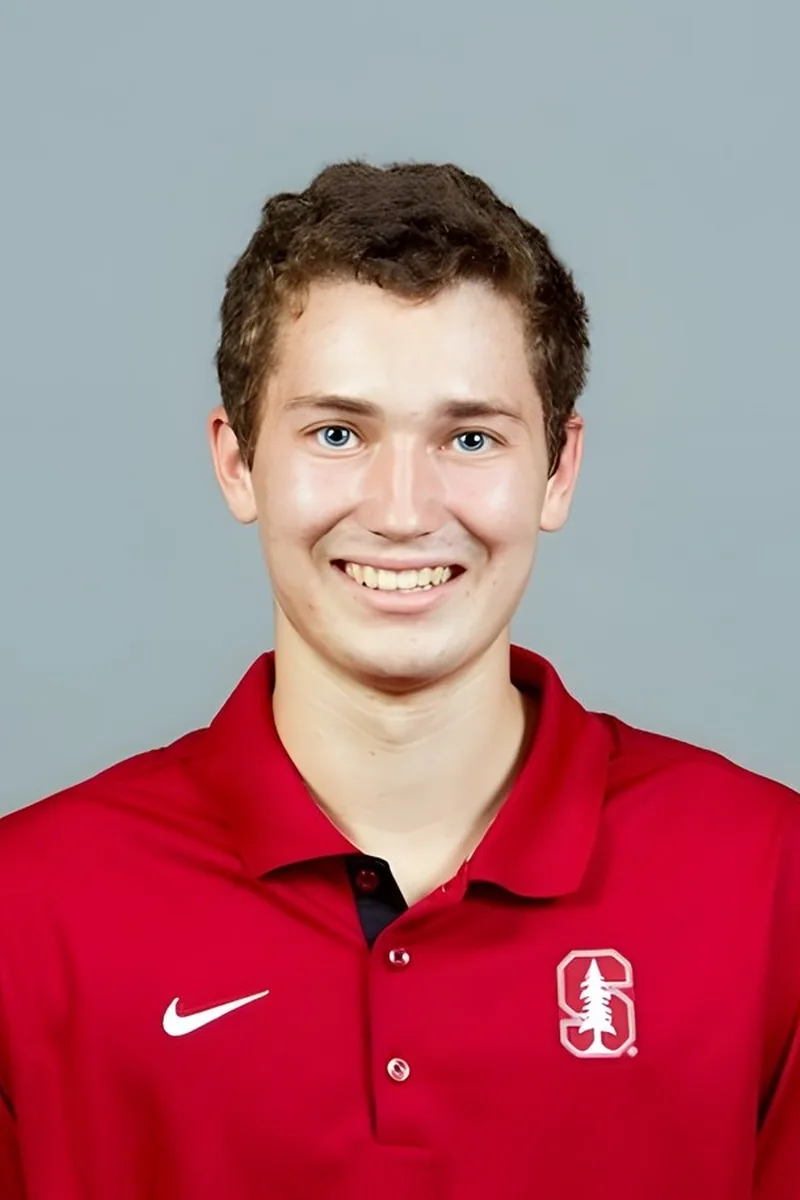
Jake has tutored Spanish across multiple levels and speaks the language well enough to teach everything from verb conjugation patterns in the preterite and imperfect to reading comprehension strategies for literary passages. His approach emphasizes understanding the logic behind grammar rules so students can apply them flexibly, not just memorize charts.
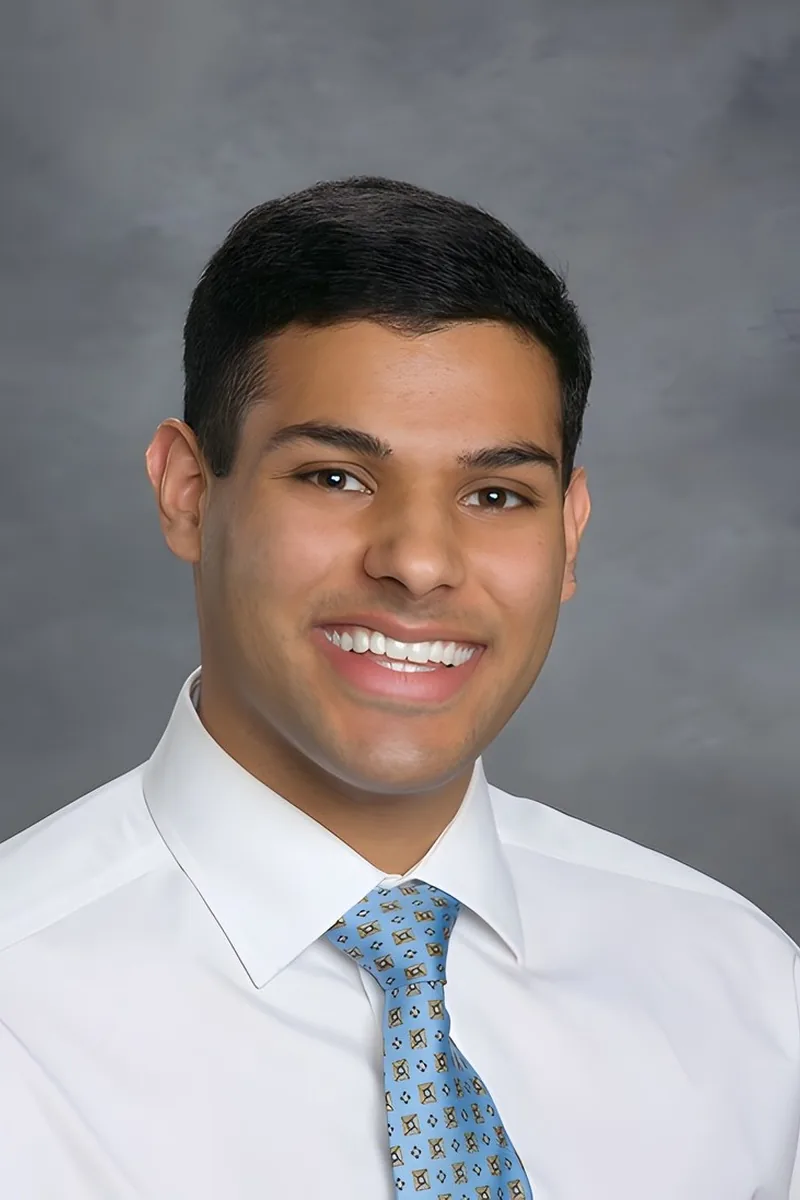
Learning Spanish from second grade through college and then into medical school interpreting, Sanjay knows exactly where English speakers get tripped up — ser versus estar, the subjunctive mood, preterite versus imperfect. He approaches the language as someone who built fluency from scratch rather than growing up bilingual, which means he has concrete strategies for the grammar patterns and vocabulary gaps that slow most learners down.
Teaching Spanish from level 1 through level 4, Misael covers everything from foundational verb conjugations and noun-adjective agreement to subjunctive mood and complex sentence structures. His approach connects grammar rules to real usage patterns so students internalize the language instead of just memorizing charts.
Learning Spanish verb conjugations in isolation rarely sticks, so Si builds lessons around practical sentence construction — moving from present-tense basics through preterite vs. imperfect distinctions in real conversational contexts. His experience with multiple languages gives him an intuitive sense for where English speakers tend to stumble with Spanish grammar and pronunciation.
Studying one Romance language deeply changes how you learn another — John's bachelor's in French and graduate linguistics training give him a structural understanding of Spanish grammar that makes conjugation patterns, subjunctive triggers, and pronoun placement click faster. He connects Spanish to the broader logic of how languages work, which is especially useful for students who need more than just memorization drills.
Managing an MBA while juggling 19 different subject areas means Kari is used to picking up new frameworks quickly and breaking them down for others — a habit that carries over into teaching Spanish grammar and vocabulary. She approaches verb conjugations and sentence structure with the same organized, step-by-step thinking she applies to her business coursework, which tends to resonate with students who want clear logic behind the rules.
I am a graduate of UC San Diego with a Bachelors in Neuroscience through the Psychology department. After graduating, I went to Michigan Technological University and did some graduate work, before moving to Texas to be closer to my parents. I did my alternative certification program through Texas Teachers and am highly qualified to teach Science for grades 7-12. I have been a teacher in public and charter schools for the last four years, and have tutoring experience extending over ten years behind me as well.
I am a graduate of Georgetown University where I earned my Bachelor of Science degree in International Politics with a concentration on Foreign Policy. I also earned a Certificate in Latin American Studies and am a member of Pi Sigma Alpha, The National Political Science Honor Society. I have experience tutoring students in both the SAT and the SSAT. Additionally, my time as an 8th Grade Science teacher here in Dallas has prepared me for the curriculum and challenges facing students in the area. While I offer tutoring in a broad range of subjects from foreign languages to grammar and writing to math and science, I find Physics to be the most enjoyable subject to teach. I see Physics as the science that allows all the other sciences to occur, and I find it helpful to use Physics demonstrations when studying the subject. When it comes to tutoring, I believe that whoever is doing the talking is doing the learning, so my students will be doing the leg work when it comes to their learning. I believe that every student can achieve success in school; each student just learns at their own pace and in their own way. When I have free time, I enjoy reading a good book, playing a game of tennis, or participating in or watching theatrical events.
Learning Spanish grammar — verb conjugations, ser versus estar, pronoun placement — sticks better when it's tied to actual communication rather than isolated drills. Scott teaches across multiple levels of Spanish and uses constant back-and-forth dialogue during sessions to reinforce new structures the moment they're introduced. That real-time practice keeps students actively producing language instead of passively copying notes.
Del is fluent in Spanish and brings a language-learner's mindset to teaching it — he's already acquired two languages and is working on a third. He breaks down verb conjugations, pronoun usage, and sentence structure by connecting Spanish grammar patterns to their English equivalents, making the logic behind the language click faster.
Cameron teaches Spanish across four levels, which means he understands the full arc from basic conjugation and vocabulary through subjunctive mood and complex reading comprehension. That range lets him pinpoint exactly where a student's grammar or listening skills started to slip and rebuild from there. His sessions emphasize active use of the language — constructing sentences, not just memorizing verb charts.
Mary teaches Spanish across four levels, building from foundational verb conjugations and noun-gender agreement through complex subjunctive constructions and reading comprehension. Her structured approach — honed through years of graduate-level academic discipline — treats grammar as a logical system rather than a set of rules to memorize. Rated 5.0 by students.
Dual degrees in computer science and cognitive science mean Snipta understands both how logical systems work and how the brain actually acquires new information — a combination that shapes how she tackles Spanish vocabulary retention and grammar rules. She applies cognitive science principles like spaced repetition and chunking to make conjugation patterns and new vocabulary stick long-term, not just survive until the next quiz. Rated 5.0 by students.
Because she's pursuing a full Bachelor's degree in Spanish alongside English, Alexandra treats the language as more than vocabulary lists and conjugation charts. She connects grammar concepts like the subjunctive mood to real usage patterns, so students understand *why* Spanish speakers choose certain constructions — not just which ending to memorize for a quiz.
Brianna approaches Spanish grammar the way she approaches science: systematically, building from clear rules toward real fluency. Whether a student is wrestling with subjunctive triggers or trying to internalize preterite vs. imperfect distinctions, she connects each concept to practical usage so the patterns actually stick.
Samantha minored in Spanish at the University of Colorado and spent time studying in Spain, so she teaches the language with the kind of conversational fluency and cultural context that textbooks alone can't provide. Whether it's nailing subjunctive conjugations or building confidence with spoken dialogue, she connects grammar rules to how Spanish is actually used in everyday life.
Testimonials
Because the right Spanish tutor makes all the difference.
Average Session Rating – Based on 3.4M Learner Ratings
Nearby Spanish Tutors
Other Dallas Tutors
Related Languages Tutors in Dallas
Frequently Asked Questions
In a typical Dallas classroom with a 15:1 student-teacher ratio, students get limited time to actually speak Spanish. With personalized 1-on-1 instruction, you get dedicated conversation practice every session—a tutor responds to your ideas, corrects your pronunciation in real-time, and adapts to your pace. This consistent speaking practice is one of the most effective ways to build confidence and fluency, especially for students who feel shy speaking in group settings.
Verb conjugation is one of the trickiest parts of Spanish because there are so many patterns and exceptions. Rather than memorizing conjugation charts, expert tutors focus on helping you understand the patterns and practice them in real sentences and conversations. With spaced repetition and retrieval practice—reviewing conjugations over multiple sessions—you'll internalize the patterns naturally rather than just memorizing them temporarily.
The best approach uses both. Understanding grammar rules gives you a framework, but natural usage—hearing how native speakers actually use the language in context—helps you sound authentic and fluent. A tutor can explain why a particular grammar rule exists, then show you how it works in real conversations, songs, and cultural materials, helping you develop intuition alongside knowledge.
Cramming vocabulary lists doesn't stick. Research on learning science shows that spacing out your practice over time and testing yourself repeatedly (retrieval practice) is far more effective. Tutors help by introducing vocabulary in meaningful contexts—through conversations, stories, or topics you care about—and reviewing it strategically across sessions so it moves into long-term memory.
Absolutely. Pronunciation is hard to fix on your own because you can't always hear your own mistakes. A tutor listens carefully, identifies specific sounds you're struggling with (like rolling your R's or the Spanish 'j' sound), and gives you targeted feedback and practice techniques. Regular pronunciation work in tutoring sessions, combined with your own practice, leads to noticeable improvement over time.
Spanish is spoken across 20+ countries with different dialects, slang, and cultural references. Understanding the culture behind the language—whether it's Mexican Spanish, Castilian Spanish, or Caribbean Spanish—helps you use the language authentically and avoid misunderstandings. Tutors can introduce you to authentic materials like music, films, and literature from different Spanish-speaking regions, making your learning richer and more engaging.
Fluency depends on your starting point and how much you practice. Research from language learning experts suggests that reaching professional-level proficiency typically requires around 600 hours of study and practice. With consistent tutoring sessions combined with your own practice, many students see conversational progress within a few months and significant fluency gains within a year or two.
Look for tutors who are native or near-native Spanish speakers with teaching experience and expertise in the specific areas you need—whether that's conversational Spanish, grammar, test prep, or cultural fluency. Varsity Tutors connects you with expert tutors in Dallas who have been vetted for their teaching ability and subject knowledge, so you can focus on learning rather than vetting credentials.
Let’s find your perfect tutor
Answer a few quick questions. We’ll recommend the right plan and match you with a top 5% tutor.