Award-Winning Special Education Tutors
serving Memphis, TN
Special Education
Tutors in Memphis
Private 1-on-1 tutoring, weekly live classes for academic support, test prep & enrichment, practice tests and diagnostics, and more to elevate grades and test scores.
Based on 3.4M Learner Ratings
UniversitiesSchools & Universities
DeliveredHours Delivered
ProficiencyGrowth in Proficiency
Who needs tutoring?
No obligation. Takes ~1 minute.
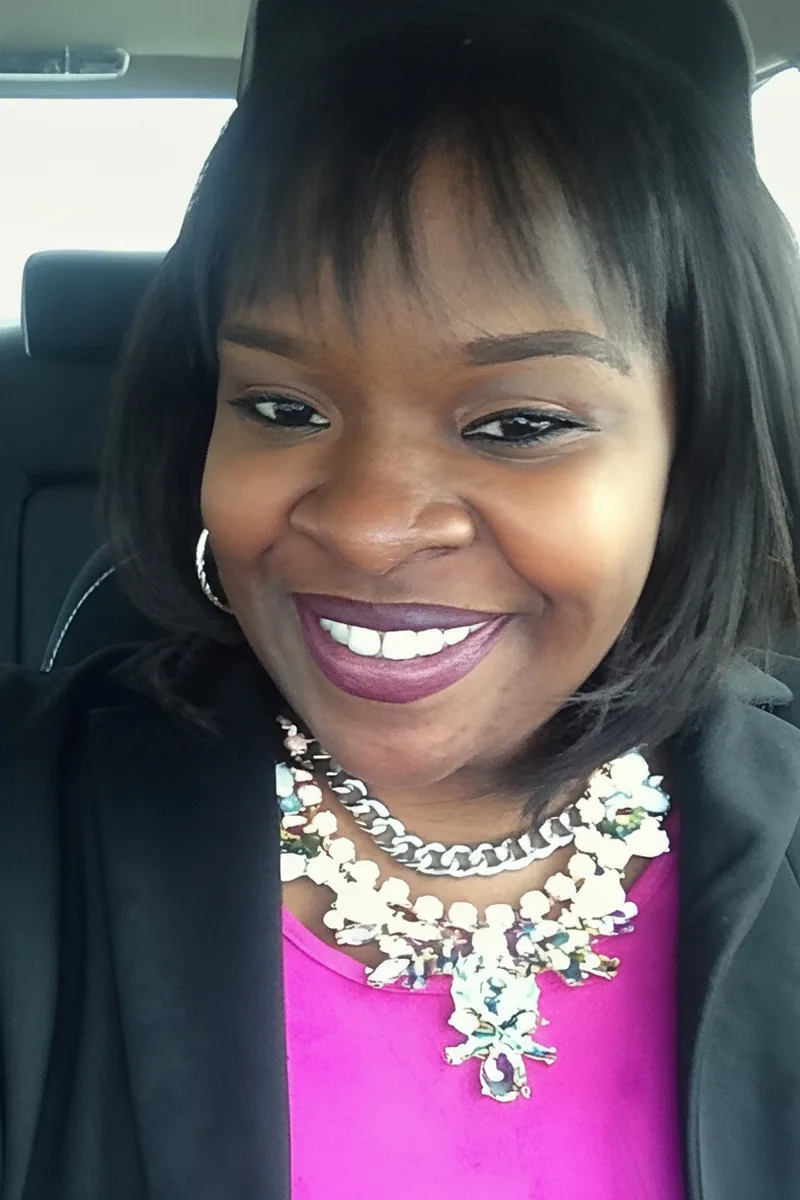
I am able to create quality, yet comprehensive curriculum for my students that will thrust them to succeed. I am very detailed oriented, creative, and have a passion for ensuring student success. It is my endeavor to combine my range of experience with my wealth of education. This includes being a loving, motivating, supporting, fun, and integral educator who will make a positive contribution to each student. I want to help all students build confidence, which will enhance their self esteem as well as personal values. Reaching this objective will directly reflect in the progression of their academic success.
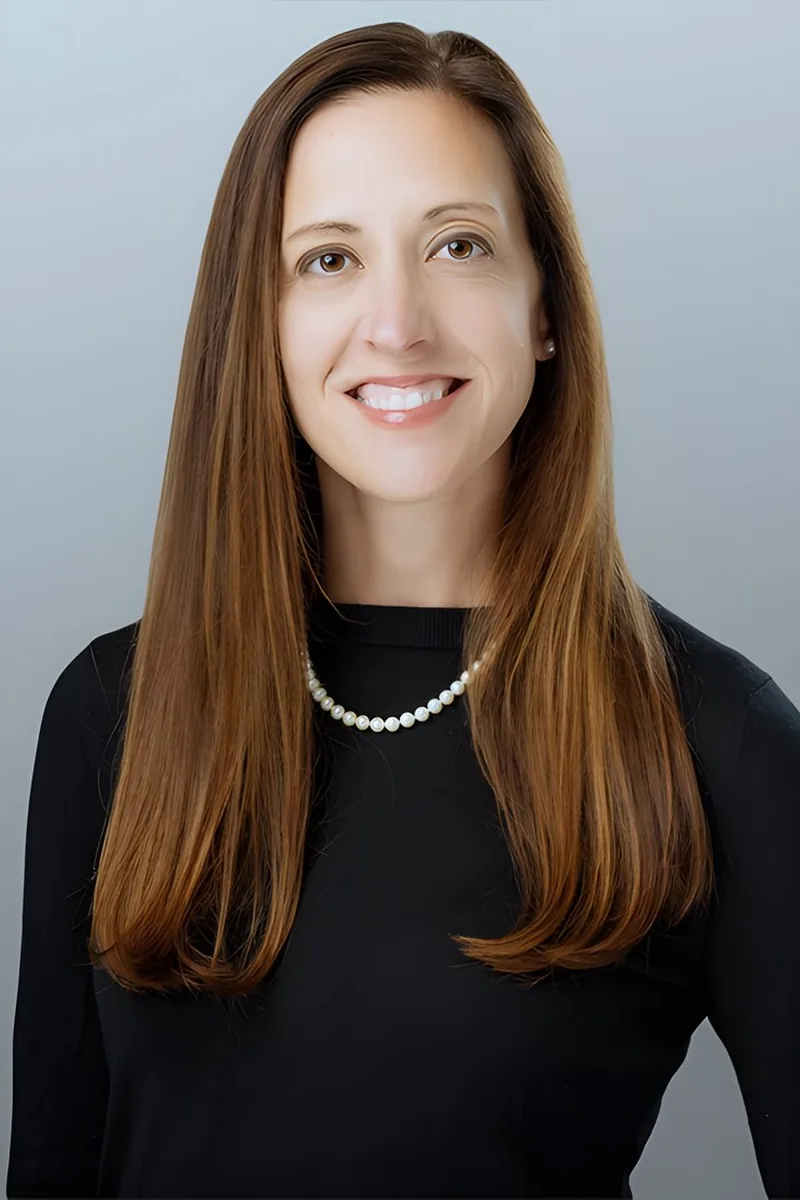
As a Vanderbilt-trained and Tennessee-licensed special educator, Megan understands the full landscape — IEP goal writing, behavior intervention plans, differentiated instruction, and the legal framework of IDEA and Section 504. She tailors her approach to each learner's profile, whether that means building phonemic awareness for a student with dyslexia or creating visual math supports for a student who processes information differently. Her 5.0 rating speaks to how well that individualized approach works.
Trained in special education at Vanderbilt and currently teaching in the field, Alexandra designs instruction around how each learner processes information — not around a one-size-fits-all curriculum. She adapts materials for students with learning disabilities, ADHD, and other differences, breaking academic content into manageable, scaffolded steps that build genuine understanding.
As a certified Special Education teacher and Board Certified Behavior Analyst, Kate designs instruction around how each learner actually processes information — not around a one-size-fits-all curriculum. She adapts academic content across subjects like reading, math, and writing while building the self-regulation and executive functioning skills that underpin classroom success. Her dual expertise in special education and applied behavior analysis means interventions are both evidence-based and practical.
I am able to get back to my passion of teaching students.
Twelve years of combined elementary and special education classroom experience give Elizabeth a deep understanding of how learning differences like dyslexia, ADHD, and processing disorders actually show up in day-to-day schoolwork. Now working as an Educational Diagnostician, she identifies where a student's learning profile creates specific barriers and adapts instruction accordingly — adjusting pacing, breaking multi-step tasks into manageable pieces, and choosing strategies matched to how each learner processes information.
Brendan holds a Master's in Special Education, which means he's trained in differentiated instruction, IEP goal alignment, and evidence-based interventions for learning disabilities like dyslexia and dyscalculia. He adapts lessons to match each student's processing style — whether that means multisensory math manipulatives, graphic organizers for writing, or modified pacing for reading tasks. His experience spans a wide range of ages and ability levels.
Patrick earned his Master's in Special Education from UIC's MEd + Licensure program, which means he's trained in differentiated instruction, IEP development, and evidence-based interventions for learning differences like dyslexia and ADHD. His undergraduate psychology degree adds a layer of understanding around how attention, memory, and motivation shape each student's learning profile.
Heather's psychology background gives her real insight into how different learners process information — whether a student needs material broken into smaller chunks, presented visually, or reinforced through repetition. She's especially effective with kids who get frustrated easily, building their confidence alongside their skills in reading, math, or writing. Rated 5.0 by families she's worked with.
Rosemary's graduate work in occupational therapy included extensive training in adaptive learning strategies, sensory processing, and task analysis — the clinical side of what special education looks like in practice. She volunteers regularly with the Down syndrome community, giving her hands-on experience tailoring instruction to different cognitive and developmental profiles. That combination means she doesn't just know accommodations exist; she knows how to implement them in real learning moments.
Theresa adapts her teaching pace, format, and explanations to match how each learner actually processes information, whether that means visual organizers for reading comprehension or step-by-step scaffolding in math. Her range across subjects — from writing to algebra to study skills — means she can meet a student's needs without constantly switching tutors.
Annie's graduate training in counseling psychology gave her direct experience with IEPs, learning accommodations, and the cognitive frameworks behind conditions like dyslexia, ADHD, and processing disorders. She adapts lesson pacing, breaks tasks into smaller chunks, and uses multi-sensory techniques tailored to each learner's profile — not a one-size-fits-all script.
Alison spent six years teaching diverse learners in Brooklyn public schools, including students with IEPs and varied learning profiles, so she knows how to adapt pacing, instructions, and materials on the fly. She pairs that classroom experience with formal mindfulness training, which gives her concrete strategies for students dealing with attention challenges, test anxiety, or sensory overwhelm. The goal is always building independence — not just getting through tonight's homework.
Rebecca's graduate training in social work at the University of Chicago, combined with her undergraduate psychology research, gives her a sharp understanding of how different learners process information and what accommodations actually look like in practice. She adapts pacing, breaks down multi-step instructions, and uses individualized reinforcement techniques to keep students engaged and progressing. Rated 4.9 by families she's worked with.
Colin is a certified special educator whose classroom experience spans multiple grade levels and learning profiles, from students with dyslexia and ADHD to those on the autism spectrum. He designs each session around a student's specific IEP goals and learning style — visual aids for one learner, movement-based activities for another — rather than applying a one-size-fits-all approach. That individualized structure builds both academic skills and the confidence students need to advocate for themselves in the classroom.
Co-teaching in NYC public schools means Rhiannon designs lessons daily for classrooms where IEPs, 504 plans, and diverse learning profiles are the norm — not the exception. She breaks down academic content into scaffolded steps, builds in sensory and processing accommodations, and adjusts pacing based on how each student actually learns. That real-world experience with differentiated instruction translates directly into one-on-one sessions where modifications aren't an afterthought.
Grant has spent two decades working successfully with students across a wide range of learning differences, from processing disorders to ADHD to math-specific anxiety. His approach strips away the shame many students carry — he slows down, re-explains using different models, and builds lessons around how each individual learner actually thinks rather than forcing a one-size-fits-all method.
Testimonials
Because the right Special Education tutor makes all the difference.
Average Session Rating – Based on 3.4M Learner Ratings
Nearby Special Education Tutors
Other Memphis Tutors
Frequently Asked Questions
Special education tutoring is personalized 1-on-1 instruction designed for students with documented learning differences, disabilities, or IEP (Individualized Education Program) goals. Unlike classroom instruction, a special education tutor works directly with your child's specific learning profile, adapts teaching methods to their strengths, and aligns support with IEP objectives. This targeted approach helps students build confidence while making measurable progress on skills that matter most.
Yes. Varsity Tutors connects you with tutors who understand IEP frameworks and can provide targeted support aligned with your child's specific goals and accommodations. Before starting, share your child's IEP with the tutor so they can tailor instruction to address priority areas—whether that's reading fluency, math computation, executive function skills, or social-emotional learning. This alignment ensures tutoring reinforces what's being worked on at school while filling gaps in understanding.
The first session is an assessment and relationship-building time. The tutor will learn about your child's learning style, current challenges, strengths, and any relevant background (IEP, previous testing, preferred teaching methods). They'll observe how your child approaches tasks and ask questions to understand what's worked well in the past. This foundation helps the tutor create a personalized plan that builds on your child's strengths while addressing specific skill gaps.
Students with learning differences often struggle with reading comprehension, math reasoning, organization, attention, or processing speed—challenges that can widen achievement gaps without targeted support. Personalized tutoring breaks skills into smaller steps, uses multisensory or alternative teaching methods, and provides frequent feedback and practice. Research on 1-on-1 instruction shows it can significantly accelerate learning when methods are matched to how a student's brain works best.
Look for tutors with special education certification, experience with specific disabilities or learning differences relevant to your child, and familiarity with IEP processes and accommodations. Knowledge of evidence-based interventions (like structured literacy for dyslexia, or concrete-representational-abstract methods for math) is valuable. Varsity Tutors connects you with tutors who have demonstrated expertise in special education and can explain their approach in ways that align with your child's needs.
Progress in special education tutoring shows up in multiple ways: improved confidence, mastery of specific IEP goals, better grades, increased independence with tasks, or stronger foundational skills (like phonics or number sense). Your tutor should track progress regularly through informal assessments, work samples, and observations—and share updates with you so you can see growth over time. Many parents also notice their child becoming more willing to tackle challenging work, which is an important sign of progress.
Yes. Varsity Tutors connects students from all Memphis schools and districts with expert tutors who understand local curriculum standards and can support IEP goals across the district. Whether your child attends a public school, charter school, or private school in Memphis, we can match them with a tutor who knows how to bridge classroom learning and provide the extra support they need.
Contact Varsity Tutors and tell us about your child's learning needs, current grade level, and any IEP goals or diagnoses. We'll match your child with a tutor who has relevant expertise and understands their specific challenges. You'll have a chance to discuss your child's needs with the tutor before committing, so you can feel confident the fit is right. Most families see the benefit of starting with 1-2 sessions per week and adjusting frequency based on progress.
Let’s find your perfect tutor
Answer a few quick questions. We’ll recommend the right plan and match you with a top 5% tutor.