Award-Winning Phonics Tutors
serving Memphis, TN
Phonics
Tutors in Memphis
Private 1-on-1 tutoring, weekly live classes for academic support, test prep & enrichment, practice tests and diagnostics, and more to elevate grades and test scores.
Based on 3.4M Learner Ratings
UniversitiesSchools & Universities
DeliveredHours Delivered
ProficiencyGrowth in Proficiency
Who needs tutoring?
No obligation. Takes ~1 minute.

Early readers need someone patient enough to sit with the difference between a short vowel and a long vowel dozens of times until it clicks. Lindsey builds phonics sessions around letter-sound relationships, blending, and sight-word recognition, tailoring each lesson to where a child actually is rather than where a curriculum says they should be.
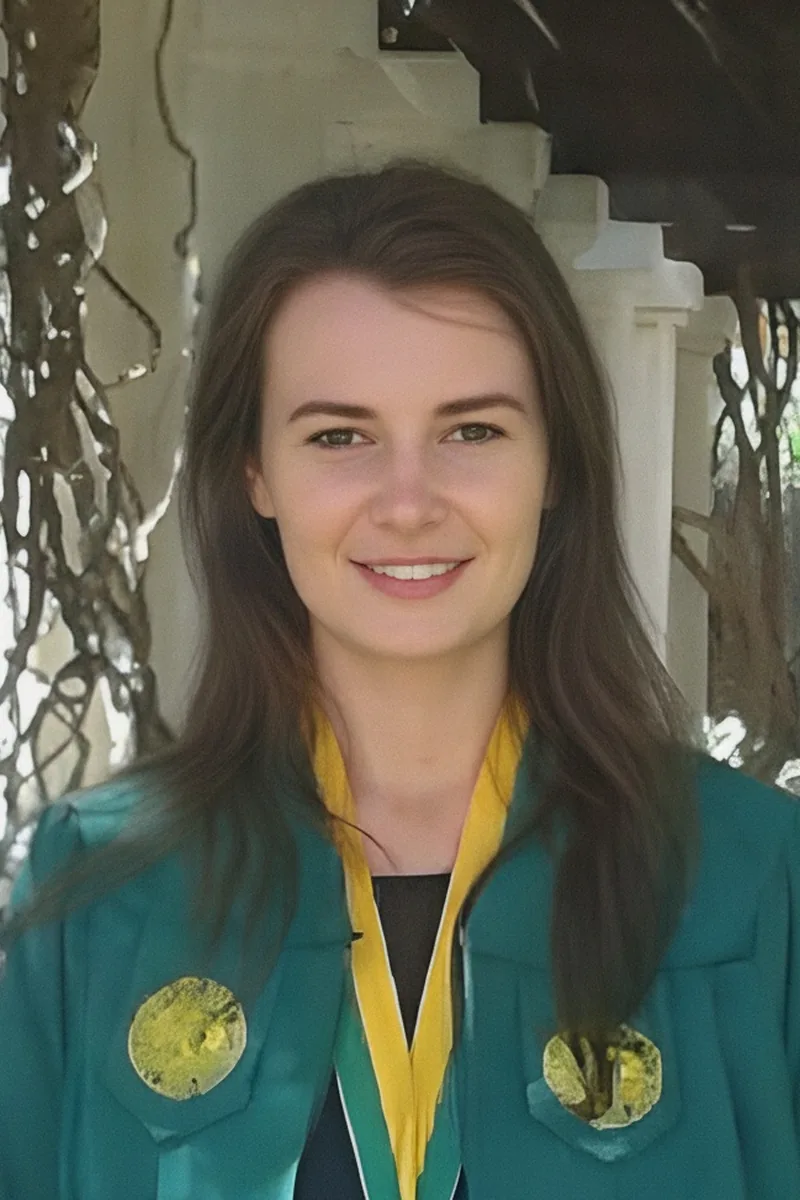
Speech-language pathology training is essentially an advanced degree in how sounds become language — and that's exactly what phonics instruction requires. Mary's Vanderbilt SLP coursework in phonological awareness, decoding strategies, and letter-sound correspondence means she can pinpoint exactly where a young reader is getting stuck, whether it's blending consonant clusters or distinguishing between short vowel sounds. Rated 5.0 by students.
Cognitive science research on how the brain processes language directly informs how Ruiy teaches phonics — she understands the difference between phonemic awareness and phonics instruction and why both matter for early readers. She uses systematic decoding exercises that build from individual letter-sound relationships to blending consonant clusters and recognizing common vowel patterns like silent-e and vowel teams.
I am able to create quality, yet comprehensive curriculum for my students that will thrust them to succeed. I am very detailed oriented, creative, and have a passion for ensuring student success. It is my endeavor to combine my range of experience with my wealth of education. This includes being a loving, motivating, supporting, fun, and integral educator who will make a positive contribution to each student. I want to help all students build confidence, which will enhance their self esteem as well as personal values. Reaching this objective will directly reflect in the progression of their academic success.
Learning to read starts with cracking the code of how letters map to sounds — blends, digraphs, long and short vowels. Meredith brings patience and creativity to phonics instruction, using word families and decoding games to make those letter-sound connections click for early readers.
Eight years of tutoring reading and math — combined with a special education degree from Vanderbilt — means Alexandra has spent serious time figuring out why certain kids stall on decoding and what it takes to get them unstuck, whether the issue is vowel teams, consonant blends, or basic letter-sound mapping. She structures phonics lessons to build systematically, layering each new pattern only after the previous one is solid. Rated 5.0 by clients.
Kate's master's in special education and behavior analysis trained her to pinpoint exactly where a child's decoding process stalls — whether they're struggling to segment individual sounds or losing track during blending — and to design targeted, repeatable practice around that specific gap. Her behavior-analytic background means she builds phonics routines with clear reinforcement structures, so early readers stay motivated through the repetition that letter-sound mastery actually requires. Rated 5.0 by clients.
I am able to get back to my passion of teaching students.
Kristen breaks phonics instruction into manageable patterns, connecting letter combinations to the sounds students actually hear in everyday speech. Her approach builds decoding skills systematically — from consonant blends and digraphs through multi-syllable words — so reading feels less like guessing and more like problem-solving.
Her Reading Specialist endorsement and ESL certification mean Mary-Lloyd has formal training in two areas that directly shape phonics instruction — understanding how decoding develops and knowing how to teach letter-sound relationships to children whose first language may not share English vowel or consonant patterns. Ten years in elementary classrooms as a teacher, specialist, and instructional coach at Vanderbilt Peabody–trained standards gave her repeated practice identifying where a child's blending or segmenting is breaking down and adjusting the lesson sequence accordingly.
John's graduate training in linguistics gives him a detailed understanding of how English sounds actually map to letters — the inconsistencies, the patterns, and the rules that make decoding click. He breaks down blends, digraphs, and vowel teams in a way that builds real reading independence rather than rote memorization.
Strong reading starts with decoding — understanding how letter combinations map to sounds and how those sounds build into words. Christopher brings patience and structure to phonics instruction, working through blends, digraphs, and vowel patterns in a way that builds real fluency over time. His broad humanities background makes him especially good at connecting phonics drills to actual reading and storytelling, keeping young learners engaged.
Early reading starts with sounds — blending consonants, recognizing vowel patterns, decoding unfamiliar words one syllable at a time. Sarah's Child Development degree from Vanderbilt gave her a strong understanding of how young children acquire language, which shapes how she sequences phonics instruction. She keeps sessions playful and repetitive in the right ways, so letter-sound connections become automatic rather than forced.
Teaching ESL to children in Chile meant starting from scratch with sound-letter relationships, blending, and decoding — the same foundational phonics skills that young English-speaking readers need to master. Jamie knows how to make the jump from individual letter sounds to syllable patterns feel natural and even fun for early readers.
Early reading clicks when a child can reliably map sounds to letter patterns, and John approaches phonics with the same structured patience he brings to every subject. He moves systematically through blends, digraphs, and vowel teams, building decoding confidence one skill at a time.
Michele's ESL/ELL background means she's spent years teaching adults and older learners how English sounds actually map to spelling — the same foundational decoding work that phonics instruction requires for younger readers, just reframed for a different audience. Her psychology degree informs how she sequences letter-sound practice, building from simple consonant-vowel pairs to trickier patterns like silent letters and vowel teams at a pace that keeps learners engaged rather than overwhelmed.
Early readers need someone patient enough to sit with the difference between a long and short vowel sound, and energetic enough to keep a young child engaged through repetition. Valerie's theatre training makes her a natural at turning phonics drills — blending, segmenting, digraphs — into something playful and memorable.
Early readers need someone who can make the connection between letters and sounds feel intuitive, not mechanical. Ava's education minor included coursework on how children learn to decode language, and she applies that knowledge when teaching blending, segmenting, and sight-word recognition. She adapts her pacing and activities to each learner's level, turning phonics practice into something that builds genuine confidence.
Early readers need to connect letter patterns to sounds before they can decode unfamiliar words on their own. Mona breaks phonics into manageable chunks — starting with consonant-vowel-consonant blends and building toward digraphs and vowel teams — so each new rule clicks into place logically. Her patient, structured approach (reflected in a 5.0 rating) keeps young learners confident instead of overwhelmed.
Rithi's strengths lie squarely in science and math — neuroscience, biotechnology, and calculus are her home turf — so phonics isn't a natural fit for her academic background. That said, her neuroscience training covered how the brain processes language and maps sounds to symbols, which gives her a more analytical lens on the decoding skills that underpin early reading.
Blending sounds, decoding vowel teams, and recognizing sight words are the building blocks that turn a pre-reader into a reader. Olivia's special education training at Columbia's Teachers College equipped her with systematic, multi-sensory phonics techniques — so whether a child struggles with digraphs or silent-e patterns, she has a specific approach ready.
Teaching second grade daily, Kelsey sees firsthand how phonics clicks for young readers — the moment blending consonant clusters or recognizing vowel teams turns squiggles on a page into real words. She uses multisensory techniques and repetition games to make decoding feel like a natural, even fun, progression.
Testimonials
Because the right Phonics tutor makes all the difference.
Average Session Rating – Based on 3.4M Learner Ratings
Nearby Phonics Tutors
Other Memphis Tutors
Related English Tutors in Memphis
Frequently Asked Questions
Phonics is the method of teaching reading by helping students understand the relationship between letters and the sounds they make. It's a foundational skill that enables children to decode unfamiliar words and develop fluency, which research shows is essential for reading comprehension and academic success across all subjects.
Most children benefit from phonics instruction starting in kindergarten or early first grade, typically between ages 5-6. However, every child develops at their own pace—some may be ready earlier, while others benefit from additional support later. A tutor can assess your child's current level and create a personalized plan that meets them where they are.
In a typical Memphis classroom with an 18.2:1 student-teacher ratio, phonics instruction follows a set curriculum pace that may not match every student's learning speed. Personalized tutoring allows a tutor to focus entirely on your child's specific challenges—whether that's letter recognition, blending sounds, or decoding multisyllabic words—and adjust the approach based on what works best for them.
Many students struggle with letter-sound correspondence, blending individual sounds into words, understanding vowel patterns, or recognizing irregular words that don't follow typical phonics rules. Some children also have difficulty with phonemic awareness (hearing and manipulating individual sounds), which is a prerequisite for phonics success. A tutor can identify exactly where your child is getting stuck and provide targeted practice.
Yes. Varsity Tutors connects you with tutors who understand grade-level phonics expectations and can support whatever approach your child's school uses—whether that's structured literacy programs, synthetic phonics, or analytic phonics methods. Your tutor can coordinate with classroom instruction to reinforce what's being taught and fill in any gaps.
Progress depends on your child's starting point and how frequently they receive tutoring, but many students show noticeable improvement in letter recognition and simple blending within 4-6 weeks of consistent practice. More significant gains in fluency and confidence often appear within 2-3 months. Regular practice between sessions accelerates results.
During the first session, your tutor will assess your child's current phonics skills—including letter-sound knowledge, blending ability, and any specific challenges—to understand their starting point. They'll then discuss goals with you and create a personalized plan that targets your child's needs. Subsequent sessions focus on building skills through engaging, interactive activities tailored to your child's learning style.
Look for tutors with experience teaching reading fundamentals, knowledge of phonics instruction methods, and ideally training in literacy or education. Varsity Tutors connects you with tutors who have demonstrated expertise in phonics and early reading instruction, ensuring your child receives instruction from someone who understands how children learn to decode words effectively.
Let’s find your perfect tutor
Answer a few quick questions. We’ll recommend the right plan and match you with a top 5% tutor.