Award-Winning Phonics Tutors
serving Nashville, TN
Phonics
Tutors in Nashville
Private 1-on-1 tutoring, weekly live classes for academic support, test prep & enrichment, practice tests and diagnostics, and more to elevate grades and test scores.
Based on 3.4M Learner Ratings
UniversitiesSchools & Universities
DeliveredHours Delivered
ProficiencyGrowth in Proficiency
Who needs tutoring?
No obligation. Takes ~1 minute.
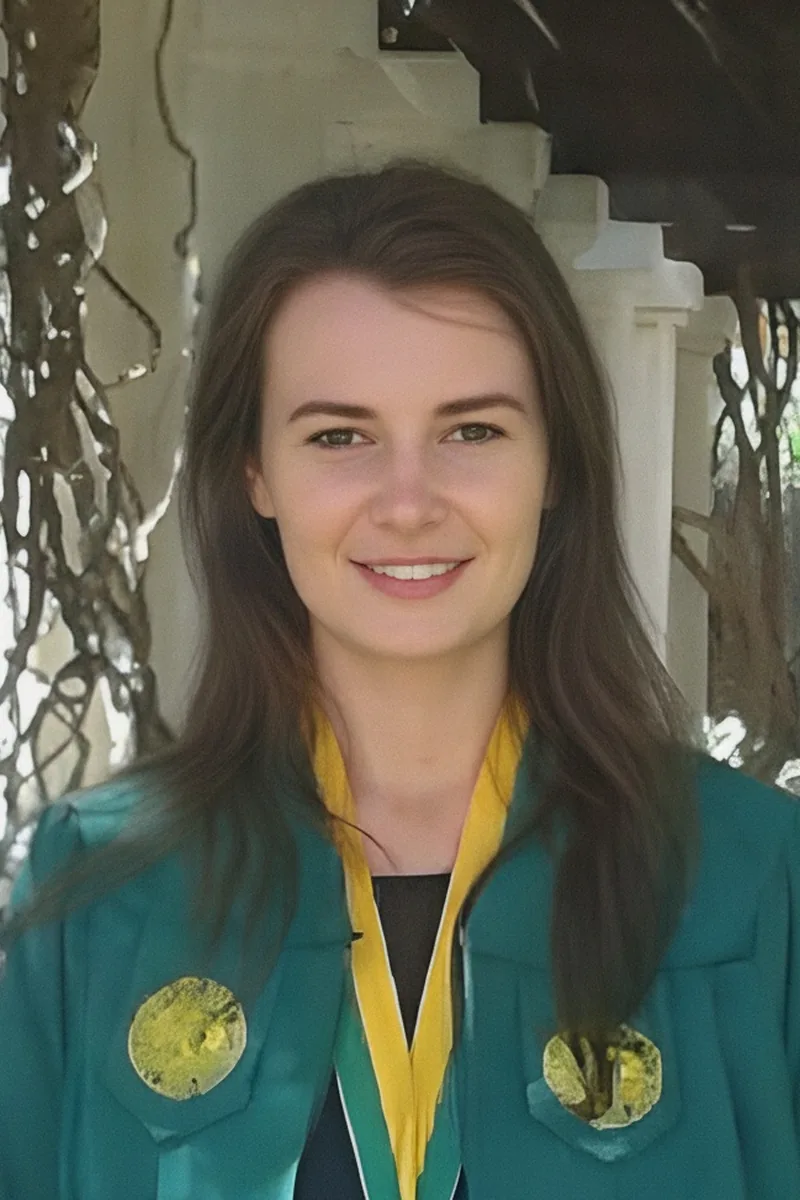
Speech-language pathology training is essentially an advanced degree in how sounds become language — and that's exactly what phonics instruction requires. Mary's Vanderbilt SLP coursework in phonological awareness, decoding strategies, and letter-sound correspondence means she can pinpoint exactly where a young reader is getting stuck, whether it's blending consonant clusters or distinguishing between short vowel sounds. Rated 5.0 by students.
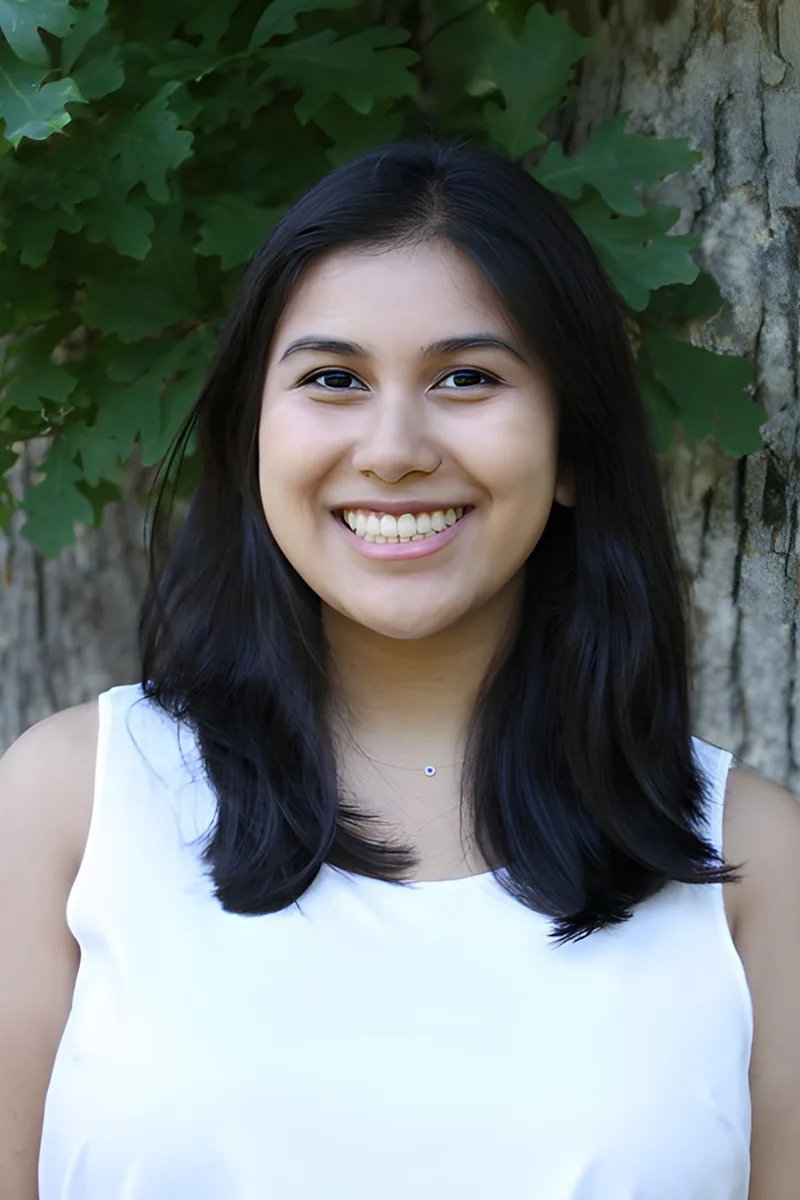
Cognitive science research on how the brain processes language directly informs how Ruiy teaches phonics — she understands the difference between phonemic awareness and phonics instruction and why both matter for early readers. She uses systematic decoding exercises that build from individual letter-sound relationships to blending consonant clusters and recognizing common vowel patterns like silent-e and vowel teams.
I am able to create quality, yet comprehensive curriculum for my students that will thrust them to succeed. I am very detailed oriented, creative, and have a passion for ensuring student success. It is my endeavor to combine my range of experience with my wealth of education. This includes being a loving, motivating, supporting, fun, and integral educator who will make a positive contribution to each student. I want to help all students build confidence, which will enhance their self esteem as well as personal values. Reaching this objective will directly reflect in the progression of their academic success.
Kate's master's in special education and behavior analysis trained her to pinpoint exactly where a child's decoding process stalls — whether they're struggling to segment individual sounds or losing track during blending — and to design targeted, repeatable practice around that specific gap. Her behavior-analytic background means she builds phonics routines with clear reinforcement structures, so early readers stay motivated through the repetition that letter-sound mastery actually requires. Rated 5.0 by clients.
Learning to read starts with cracking the code of how letters map to sounds — blends, digraphs, long and short vowels. Meredith brings patience and creativity to phonics instruction, using word families and decoding games to make those letter-sound connections click for early readers.
I am able to get back to my passion of teaching students.
Kristen breaks phonics instruction into manageable patterns, connecting letter combinations to the sounds students actually hear in everyday speech. Her approach builds decoding skills systematically — from consonant blends and digraphs through multi-syllable words — so reading feels less like guessing and more like problem-solving.
Her Reading Specialist endorsement and ESL certification mean Mary-Lloyd has formal training in two areas that directly shape phonics instruction — understanding how decoding develops and knowing how to teach letter-sound relationships to children whose first language may not share English vowel or consonant patterns. Ten years in elementary classrooms as a teacher, specialist, and instructional coach at Vanderbilt Peabody–trained standards gave her repeated practice identifying where a child's blending or segmenting is breaking down and adjusting the lesson sequence accordingly.
Eight years of tutoring reading and math — combined with a special education degree from Vanderbilt — means Alexandra has spent serious time figuring out why certain kids stall on decoding and what it takes to get them unstuck, whether the issue is vowel teams, consonant blends, or basic letter-sound mapping. She structures phonics lessons to build systematically, layering each new pattern only after the previous one is solid. Rated 5.0 by clients.
Early readers need someone patient enough to sit with the difference between a short vowel and a long vowel dozens of times until it clicks. Lindsey builds phonics sessions around letter-sound relationships, blending, and sight-word recognition, tailoring each lesson to where a child actually is rather than where a curriculum says they should be.
Decoding words is the gateway to independent reading, and Anniessa approaches phonics with the patience and precision her ESL training demands. She breaks down letter-sound relationships, blending, and sight-word recognition using multisensory techniques that keep young readers engaged rather than frustrated. Her 5.0 rating speaks to how well that approach lands with families.
Teaching second grade daily, Kelsey sees firsthand how phonics clicks for young readers — the moment blending consonant clusters or recognizing vowel teams turns squiggles on a page into real words. She uses multisensory techniques and repetition games to make decoding feel like a natural, even fun, progression.
Growing up bilingual in French and English gave Romeo an intuitive understanding of how sounds map to letters across different phonetic systems. He breaks down blending, segmenting, and vowel patterns in ways that make early readers feel confident tackling unfamiliar words.
Ben pairs his background as a history teacher — where reading is the foundation of everything — with a lifelong love of books to make phonics instruction stick for early readers. He connects letter-sound relationships, blending, and sight-word recognition to actual stories kids want to read, turning decoding practice into something that feels more like discovery than drill.
Early readers need to hear the logic inside words — why 'ph' sounds like 'f,' how a silent 'e' changes a vowel from short to long. Kim teaches phonemic awareness through systematic decoding practice, building the kind of letter-sound fluency that turns sounding out words into confident, automatic reading.
Strong reading starts with decoding — understanding how letter combinations map to sounds and how those sounds build into words. Christopher brings patience and structure to phonics instruction, working through blends, digraphs, and vowel patterns in a way that builds real fluency over time. His broad humanities background makes him especially good at connecting phonics drills to actual reading and storytelling, keeping young learners engaged.
Early readers need to hear and manipulate individual sounds before printed words start making sense, and that's exactly where phonics instruction begins. Jeanette teaches letter-sound correspondence, blending, and segmenting through structured, repetitive practice that builds genuine decoding skills. Her patience and psychology training make her especially attuned to how young learners process new information.
Jenna's experience teaching French and ESL/ELL learners gave her a deep understanding of how sounds map to letters across languages. She applies that ear for phonemic patterns when teaching phonics, breaking down blends, digraphs, and vowel teams so early readers decode words with real confidence.
Early reading starts with sounds — blending consonants, recognizing vowel patterns, decoding unfamiliar words one syllable at a time. Sarah's Child Development degree from Vanderbilt gave her a strong understanding of how young children acquire language, which shapes how she sequences phonics instruction. She keeps sessions playful and repetitive in the right ways, so letter-sound connections become automatic rather than forced.
Samuel's primary expertise lies in standardized testing, writing, and math — not early reading instruction — but his linguistics coursework in East Asian Languages and Civilizations at the University of Chicago required him to study how sound systems work across languages, giving him a structural understanding of how letters map to sounds in English. He brings that analytical lens to phonics, breaking spelling patterns into logical rules rather than lists to memorize. Rated 4.9 by clients.
Early reading clicks when a child can reliably map sounds to letter patterns, and John approaches phonics with the same structured patience he brings to every subject. He moves systematically through blends, digraphs, and vowel teams, building decoding confidence one skill at a time.
Learning to read starts with cracking the code — connecting letter combinations like 'sh,' 'th,' and silent-e patterns to the sounds they actually make. Subashini brings the same patient, step-by-step approach she uses in science teaching to phonics, breaking down blends and digraphs so young learners build real decoding confidence.
Testimonials
Because the right Phonics tutor makes all the difference.
Average Session Rating – Based on 3.4M Learner Ratings
Nearby Phonics Tutors
Other Nashville Tutors
Related English Tutors in Nashville
Frequently Asked Questions
Phonics is the method of teaching students to read by connecting letters and letter combinations with their sounds, then blending those sounds into words. It's a foundational skill that helps children decode unfamiliar words independently and builds the confidence they need to become fluent readers. Research consistently shows that explicit phonics instruction is one of the most effective ways to help students develop strong reading skills in elementary school.
Many students struggle with letter-sound correspondence, blending sounds together smoothly, or understanding irregular words that don't follow standard phonics rules. Others may have difficulty with more advanced concepts like digraphs (two letters making one sound) or vowel teams. With Nashville's average student-teacher ratio of 18.3:1, classroom teachers often can't provide the individualized attention needed to address these specific gaps, which is where personalized phonics instruction makes a real difference.
During an initial session, a tutor will assess your child's current reading level, identify specific phonics skills they've mastered, and pinpoint areas where they need support. This might include testing letter recognition, sound blending ability, and sight word knowledge. Based on this assessment, the tutor will create a personalized learning plan tailored to your child's pace and learning style, ensuring instruction builds on their strengths.
Phonics instruction is most critical in kindergarten through second grade, when students are learning foundational letter-sound relationships and beginning to decode words independently. However, students in third grade and beyond who didn't develop strong phonics skills earlier can still benefit significantly from targeted instruction. Personalized tutoring helps catch up students who are behind grade-level expectations and reinforces these skills at the right pace.
In a classroom setting, teachers must work with 20+ students at varying levels, making it difficult to address individual gaps in phonics knowledge. Personalized 1-on-1 instruction allows a tutor to focus entirely on your child's specific needs, repeat concepts as many times as needed, and adjust the pace based on their learning style. This targeted approach often leads to faster progress and greater confidence in reading skills.
Progress in phonics can be tracked through regular assessments of letter-sound fluency, blending accuracy, and the ability to decode new words independently. Most tutors provide progress reports showing improvements in specific skills like digraph recognition or sight word mastery. You'll also notice real-world progress as your child begins reading simple books with greater confidence and fewer errors.
Yes, tutors work with Nashville's diverse school districts and understand the phonics standards and expectations across the area's 167 schools. Whether your child attends Metro Nashville Public Schools or a charter school, a tutor can align instruction with their specific curriculum while providing the personalized focus that classroom learning can't offer. This ensures tutoring complements and reinforces what students are learning in school.
Varsity Tutors connects you with expert phonics tutors who understand early literacy instruction and work with students in Nashville. After you share your child's current reading level and specific goals, you'll be matched with a tutor whose expertise and teaching style fit your needs. From there, you can schedule your first session and begin personalized instruction tailored to help your child build strong phonics skills.
Let’s find your perfect tutor
Answer a few quick questions. We’ll recommend the right plan and match you with a top 5% tutor.