Award-Winning History Tutors
serving Memphis, TN
History
Tutors in Memphis
Private 1-on-1 tutoring, weekly live classes for academic support, test prep & enrichment, practice tests and diagnostics, and more to elevate grades and test scores.
Based on 3.4M Learner Ratings
UniversitiesSchools & Universities
DeliveredHours Delivered
ProficiencyGrowth in Proficiency
Who needs tutoring?
No obligation. Takes ~1 minute.
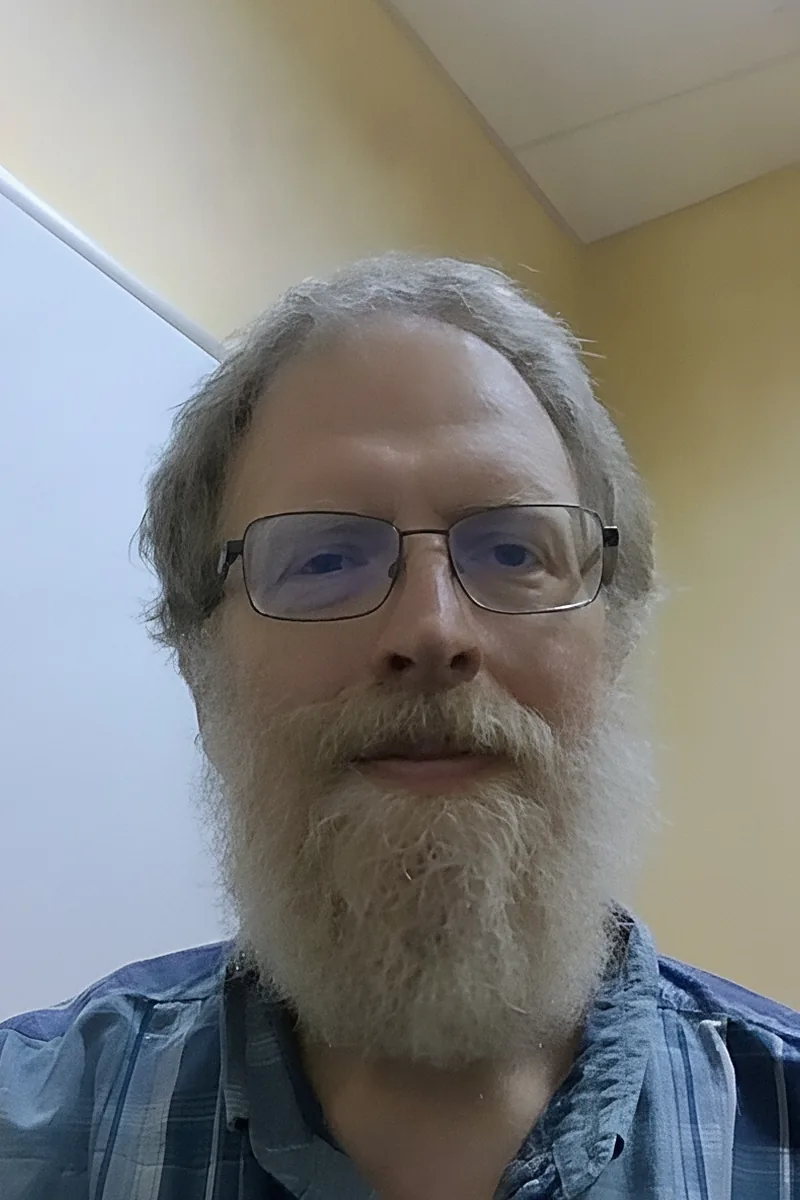
Philosophy trains you to dissect arguments, weigh evidence, and spot logical gaps — which is exactly what a good history essay demands. Jeremy's PhD work sharpened those skills through years of close reading and rigorous writing, and he brings that same analytical discipline to teaching students how to construct thesis-driven historical arguments. He's particularly strong at helping students move from "what happened" to "why it mattered."

While math is Monika's primary domain, her analytical training translates directly to historical reasoning — evaluating sources, identifying cause-and-effect chains, and constructing evidence-based arguments. She approaches history essays and document analysis with the same structured thinking she applies to proofs.
A PhD candidate in Modern European History at Rutgers, Patrick teaches history as argumentation — how to weigh conflicting sources, identify causation versus correlation, and build a thesis that holds up under scrutiny. His research spans political, intellectual, and cultural history, giving him range across eras and regions. He also spent a year at the École Normale Supérieure in Paris, one of France's most rigorous academic institutions.
Grant's literature background gives him a distinctive angle on history: he teaches students to read primary sources the way they'd analyze a novel, looking for perspective, bias, and rhetorical strategy. His training in critical reading at the University of Memphis translates directly to evaluating historical documents and constructing evidence-based arguments for essays and exams.
Certified to teach history at the high school level, Juan treats the subject as an exercise in reading and reasoning — evaluating primary sources, identifying bias, and building evidence-based arguments about cause and effect. He connects his English background to historical writing, showing students how to move from a pile of facts to a coherent, well-supported essay.
Eric treats history as an exercise in building arguments from evidence, not memorizing dates. His liberal arts education at Rhodes College emphasized reading primary sources critically and constructing claims that hold up under scrutiny — the same skills that earn strong marks on document-based questions and analytical essays.
Working at the UN's Committee on Social Development puts Edgar at the intersection of global policy and historical context every day. He teaches history as the story of how societies organize themselves — connecting events like colonialism, revolution, and migration to the political structures students encounter in primary source documents and DBQs.
Dotty studied quantitative social science at Swarthmore, which means she learned history not just as narrative but as something you can interrogate with data, primary sources, and competing interpretations. She teaches students to construct cause-and-effect arguments and evaluate evidence — the skills that turn memorized dates into actual historical thinking.
I am a rising sophomore at Emory University working towards a Bachelors of Arts degree in Psychology, as well as a minor in global health, culture, and society. I tutored in multiple subject areas in high school as a peer tutor as well as a tutor to younger students in elementary and middle school. I also tutored elementary school students in multiple subject areas during my first year at Emory. I tutor in many subjects, but have always been passionate specifically about tutoring in math. I have been tutored by peers many times throughout high school and college in different subjects, including the ACT. I found unique ways to solve problems and expand my problem solving skills through this, especially because I felt as though my peers were better able to relate to me, and therefore cater to my needs as a student. My approach is catered specifically to each student by first learning how he or she best learns, and then using tactics that will benefit them the most as they learn and grow as a student.
Her Global Studies degree at the University of Tennessee gave Mary a framework for connecting events across regions and centuries — tracing how, say, colonial trade policies ripple into modern geopolitics. She teaches students to read primary sources with skepticism and build document-based arguments that go beyond reciting dates and names.
Growing up between Chilean and American cultures gave Carlos a lived sense of how migration, colonialism, and economic policy play out in real families — not just in textbooks. His economics-grounded business degree and public health graduate work mean he naturally reads historical events through the lens of policy decisions and their human consequences, which is exactly the kind of causal reasoning that earns high marks on essays and DBQs.
Treating history as a reading-intensive subject rather than a memorization exercise is Jenny's angle — she teaches students to pull arguments out of primary sources, identify bias, and write document-based responses that actually answer the question. Two decades of language and literacy instruction translate directly to the skills history classes now demand. Her 4.7 rating speaks to how well that approach clicks with students.
Lindsey's background in emergency management and homeland security means she teaches history through the lens of how societies respond to crises — wars, natural disasters, political upheaval, and the policy decisions that follow. That real-world framework turns dates and events into cause-and-effect chains students actually remember. Rated 4.8 by students.
Brennan treats history as an exercise in reading sources critically — understanding who wrote something, why, and what context shaped their perspective. Rather than drilling dates and names, he teaches students to build arguments from evidence, connecting cause and effect across political, social, and cultural developments. His broad liberal arts background means he can draw links between art, philosophy, and the historical moments that produced them.
A biology background trains you to think in systems — how one variable triggers a cascade of downstream effects — and Andrew brings that same cause-and-effect reasoning to historical analysis. He teaches students to trace how factors like resource scarcity, technological change, or political pressure compound into the events they're tested on, turning essay responses into structured arguments rather than lists of facts. Rated 5.0 by students.
Clinical research demands sifting through mountains of data to find the narrative that actually explains what happened and why — a skill Sarah uses daily as a trials coordinator and one that maps directly onto historical document analysis. Her statistics training sharpens that further, giving students a way to evaluate demographic trends, economic shifts, and population data that show up in AP and college-level history coursework. She's especially useful for students who freeze when asked to turn raw evidence into a thesis-driven argument.
Studying theology at the graduate level meant Christean spent years tracing how religious movements, political revolutions, and cultural shifts shaped one another across centuries. He brings that same connective thinking to history tutoring, teaching students to analyze cause-and-effect relationships and evaluate primary sources rather than just memorize dates. Whether the topic is the Reformation, the American Civil War, or Cold War diplomacy, he ties events to the larger forces driving them.
While history isn't Jackson's core discipline, his dental and science education taught him to evaluate evidence critically and construct well-supported arguments — skills that transfer directly to writing history essays and analyzing primary sources. He approaches historical questions the way a scientist approaches data: what's the claim, what's the evidence, and does the reasoning hold up?
An English degree trains you to read closely and argue from textual evidence — Brian brings that same skill set to history, where he teaches students to pull apart primary sources and build thesis-driven responses instead of reciting facts. His teaching background in elementary education also means he's practiced at breaking big, abstract concepts like cause-and-effect or historical context into concrete, manageable pieces for younger learners moving into more rigorous social studies coursework.
Studying history means learning to read critically — evaluating who wrote a source, why, and what it leaves out. McKenna's political science background at Tulane trained her to analyze primary documents and trace how arguments about power, governance, and identity shift across eras. She brings that same analytical lens to everything from ancient civilizations to modern U.S. policy debates.
An English and journalism background means Matthew reads history the way a reporter works a story — chasing the who, what, and why behind events and pressing on sources until the real narrative emerges. That instinct for asking sharper questions and building a clear throughline is exactly what students need when they're tackling essay prompts or pulling arguments out of primary documents.
Studying history well means learning to read sources critically, construct arguments from evidence, and understand why events unfolded the way they did — not just when. Hayley teaches these skills explicitly, walking students through how to evaluate a primary source's perspective or build a cause-and-effect chain across decades. Her dual background in anthropology and professional writing makes her especially effective at connecting cultural context to clear, structured analysis.
Paige's background is rooted in literature and cultural studies rather than traditional history, which actually gives her a distinctive angle: she teaches students to read primary sources and historical arguments the way an English scholar would, evaluating rhetoric, bias, and narrative structure. This approach is especially useful for document-based questions and research papers where analysis matters more than memorization.
Testimonials
Because the right History tutor makes all the difference.
Average Session Rating – Based on 3.4M Learner Ratings
Nearby History Tutors
Other Memphis Tutors
Related Social Studies Tutors in Memphis
Frequently Asked Questions
Many students struggle with memorizing dates and facts without understanding the bigger picture, or they find it hard to connect historical events to their causes and consequences. Others have difficulty analyzing primary sources, constructing arguments based on evidence, or seeing how past events shape the present. Personalized tutoring helps students move beyond memorization to develop critical thinking skills and genuine historical understanding.
During an initial session, a tutor will assess your current understanding of History—whether you're working on foundational skills like timeline construction and source analysis, or advanced skills like historiography and debate. They'll identify specific gaps, discuss your academic goals, and create a personalized plan tailored to your needs and learning style. This foundation ensures every session builds directly toward measurable improvement.
Tutors for students in Memphis are familiar with Tennessee state standards and the specific curricula used across the district's schools. Whether you're in middle school, high school, or preparing for AP History, tutors can align instruction with your classroom expectations—from document-based questions to essay writing to standardized test preparation. This ensures tutoring reinforces what you're learning in class while filling knowledge gaps.
Yes—essay writing is a core focus of History tutoring. Tutors work with students on thesis development, using evidence from primary and secondary sources, structuring arguments, and avoiding common pitfalls like unsupported claims or weak analysis. With personalized feedback and practice, students develop stronger analytical skills that transfer across all History assignments and exams.
Absolutely. Tutors for students in Memphis help with AP U.S. History, AP World History, AP European History, and other standardized assessments. They focus on the specific skills tested—document analysis, comparative thinking, periodization, and timed essay writing—while building deep content knowledge. Personalized prep means you focus on your weakest areas rather than reviewing material you already know.
Many students find History comes alive when they see how it connects to their own lives and the modern world. Tutors can help students explore topics that genuinely interest them, ask critical questions about why events happened, and understand History as a story of human choices rather than a list of facts. This shift in perspective often transforms History from a subject to memorize into one students actually enjoy.
Look for tutors with strong subject knowledge in the specific History areas you need help with, teaching experience, and a track record of helping students improve. Varsity Tutors connects you with tutors who understand both the content and effective teaching strategies—whether that's helping a student build foundational skills or preparing for advanced exams. You can discuss a tutor's background and approach before your first session.
In a classroom with an 18.2:1 student-teacher ratio, teachers often move at an average pace that doesn't match every student's needs. Personalized tutoring adapts to your learning speed, focuses on your specific gaps, and uses teaching methods that work best for you. This targeted approach means you spend less time on concepts you already understand and more time on areas where you need support—leading to faster, deeper learning.
Let’s find your perfect tutor
Answer a few quick questions. We’ll recommend the right plan and match you with a top 5% tutor.