Award-Winning Elementary Math Tutors
serving Columbia, SC
Who needs tutoring?
FEATURED BY


TUTORS FROM
- YaleUniversity
- PrincetonUniversity
- StanfordUniversity
- CornellUniversity
Award-Winning Elementary Math Tutors serving Columbia, SC
Certified Tutor
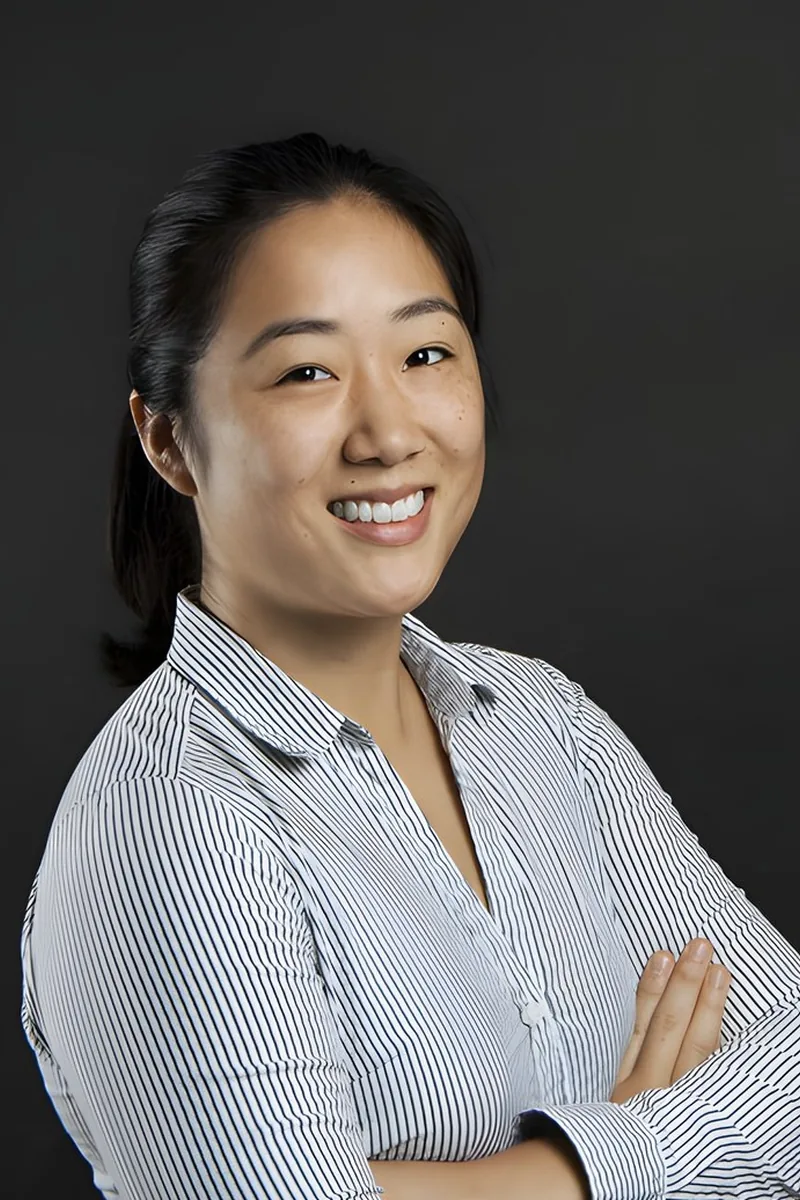
Asta
Building number sense early — understanding place value, basic fractions, and the logic behind multiplication — shapes how a student thinks about math for years. Asta's experience working with younger learners across different educational systems in both Hong Kong and the U.S. gives her a practical ...
University of Chicago
Bachelor in Arts in Political Science
Certified Tutor
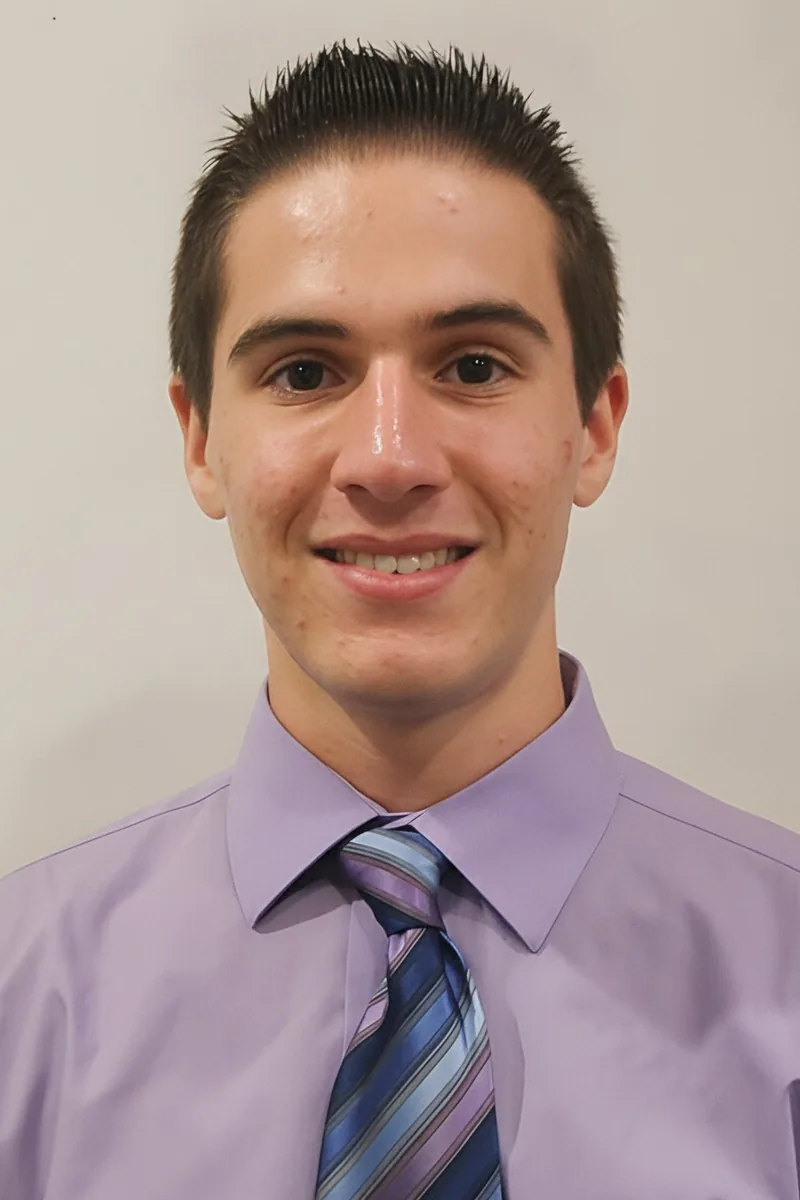
Getting fractions, long division, and place value right at the elementary level sets the trajectory for everything that comes after in math. Matthew takes a patient, step-by-step approach — showing how a problem works, then giving the student a chance to try similar ones while asking questions along...
University
Bachelor's
Certified Tutor
Mary
Building number sense early — understanding place value, basic operations, and how to reason through word problems — sets the trajectory for everything that comes after in math. Mary treats elementary math as a chance to make young learners feel confident with numbers rather than anxious about them....
Cornell University
Bachelor's Degree in Biological Engineering
Certified Tutor
Early math confidence matters more than early math speed, and Amber structures her sessions around making sure a student genuinely understands place value, basic operations, or simple fractions before racing ahead. She uses hands-on strategies and real-world examples — counting money, measuring ingr...
Dartmouth College
Bachelor in Arts
Certified Tutor
14+ years
Caroline
Getting multiplication, division, and place value right at the elementary level shapes how a student thinks about numbers for years to come. Caroline brings patience and structure to these foundational concepts, using concrete examples — grouping objects, visual models, real-world quantities — to ma...
Massachusetts Institute of Technology
Masters in Business Administration, Business Administration and Management
Washington University in St. Louis
Undergraduate degree
Certified Tutor
Paula
Every elementary math concept, from counting and place value up through fractions and basic geometry, is really a building block for the next one — and Paula treats it that way. She identifies exactly where a student's understanding breaks down and rebuilds from that point using hands-on strategies ...
Vanderbilt University
Bachelor in Arts
Certified Tutor
Marc
Getting multiplication tables and place value to click for a younger learner takes more than repetition — it takes someone who genuinely enjoys being in the room. Marc's training as an actor gives him an unusual ability to make a lesson on fractions or basic geometry feel like a conversation rather ...
Duke University
Bachelor in Arts
Certified Tutor
Matt
Multiplication tables, long division, and basic fractions are skills that need to feel automatic before a student can tackle anything more advanced. Matt teaches these building blocks through patterns and hands-on strategies that make numbers feel less intimidating for younger learners.
Columbia University in the City of New York
Master of Science, Human Nutrition
University of Pittsburgh
Bachelor of Science, Neuroscience minor in Spanish & Chemistry
Certified Tutor
Kathleen
Teaching a seven-year-old why borrowing works in subtraction requires a completely different skill set than explaining calculus. Kathleen brings both — she's a math major at Washington University who genuinely enjoys working with younger students on foundational skills like multi-digit operations, b...
Washington University in St. Louis
Bachelor in Arts, Mathematics
Certified Tutor
Rachel
Getting multiplication facts, place value, and basic fractions right early on shapes how a child feels about math for years. Rachel teaches these foundational concepts through structured practice that builds genuine number sense, not just rote memorization. Her experience across elementary subjects ...
Northwestern University
Bachelor in Arts, History, Political Science
Certified Tutor
Diana
Early math concepts like place value, regrouping, and basic multiplication set the trajectory for everything that comes later. As a certified elementary teacher, Diana builds number sense through hands-on strategies — skip counting patterns, visual models, and mental math shortcuts — that make opera...
Boston University
Masters, Teaching English to Speakers of Other Languages State Certified Teacher
Stanford University
Bachelor in Arts, Linguistics
Certified Tutor
Allen
Getting multiplication facts, place value, and basic fractions right at this stage matters enormously for everything that comes later in math. Allen keeps younger learners engaged by turning abstract number concepts into concrete, step-by-step reasoning they can follow — and by celebrating the small...
Yale University
B.A. in an interdisciplinary major focused on economics and political science
Certified Tutor
14+ years
Kirstie
Building number sense early changes everything about how a student experiences math later on. Kirstie breaks down concepts like place value, basic multiplication strategies, and simple fractions using visual and hands-on approaches shaped by her Master's in Education. She keeps sessions upbeat and l...
Harvard University
Masters in Education, Education
St Johns College
Bachelors, Liberal Arts
Certified Tutor
Katherine
Running a writing program for elementary students and teaching Algebra I at a community center gave Katherine a clear picture of how kids at different stages relate to numbers — and where confusion tends to start. She zeroes in on the mental models behind addition, subtraction, and early multiplicat...
University of Pennsylvania
Bachelor of Science, Finance, Operations & Information Management
Certified Tutor
Vinay
Fractions, place value, and multi-digit multiplication aren't just procedures to memorize — they're the conceptual bedrock for every math class that follows. Vinay teaches elementary math by making sure students understand *why* borrowing works or *what* a fraction actually represents, not just how ...
Columbia University in the City of New York
Master in Public Health Administration, MPA in Developmental Practice
University of California Los Angeles
B.S. in Molecular, Cell, & Developmental Biology
Nearby Elementary Math Tutors
Other Columbia Tutors
Related Math Tutors in Columbia
Frequently Asked Questions
Many students struggle with the transition from memorizing math facts to understanding why math works the way it does. Word problems are particularly challenging because they require students to translate language into mathematical thinking. Additionally, students often have difficulty showing their work and explaining their reasoning—skills that are increasingly emphasized in Columbia schools. Personalized tutoring helps students build conceptual understanding alongside procedural fluency, making math feel less like memorization and more like problem-solving.
The first session focuses on understanding your student's current level, learning style, and specific challenges. A tutor will work through a few math problems with your student to identify gaps—whether they're struggling with foundational concepts, multi-step problems, or confidence with particular topics. This initial assessment helps the tutor create a personalized plan aligned with your student's curriculum and learning goals. Most students leave the first session feeling more confident and with a clear sense of what to work on next.
Math anxiety often stems from feeling rushed or not understanding concepts deeply enough. One-on-one tutoring removes the pressure of a classroom setting and allows students to ask questions without worry, which builds confidence naturally. Tutors focus on helping students see patterns and connections in math rather than just getting the right answer, which shifts their mindset from "I can't do this" to "I can figure this out." Over time, as students experience success and understand the 'why' behind math concepts, anxiety decreases significantly.
Yes. Varsity Tutors connects you with tutors who are familiar with various elementary math approaches and curricula used in Columbia schools. Whether your student's school uses traditional textbooks, Singapore Math, Eureka Math, or other programs, tutors can work within that framework while reinforcing conceptual understanding. This alignment ensures that tutoring supports what's happening in the classroom and helps your student succeed on assessments used by their specific school.
Showing work helps teachers understand your student's thinking process and identify where misconceptions might be occurring. It also develops critical problem-solving skills—students learn to break complex problems into manageable steps and communicate their reasoning. Tutors help students develop strategies for organizing their work, choosing appropriate methods for different problem types, and explaining their thinking clearly. These skills transfer beyond math and support success in all academic areas.
Word problems require students to read carefully, identify what's being asked, and translate language into mathematical operations—a multi-step process that many elementary students find overwhelming. Tutors teach strategies like highlighting key information, drawing diagrams, and breaking problems into smaller parts. Through practice with personalized feedback, students learn to approach word problems systematically rather than feeling stuck. This builds both problem-solving skills and reading comprehension.
Varsity Tutors connects you with tutors who have strong backgrounds in mathematics and experience teaching or tutoring elementary students. Many have education degrees, subject-matter expertise, or years of tutoring experience. Tutors understand child development and how elementary students learn math best—balancing procedural fluency with conceptual understanding. You can discuss a tutor's specific qualifications and experience during the matching process to ensure the right fit for your student.
Progress in elementary math shows up in multiple ways: improved test scores and homework grades, increased confidence when tackling new concepts, and a willingness to attempt challenging problems. Tutors track progress by monitoring your student's understanding of specific skills and concepts over time. Most families notice changes within a few weeks—students start asking better questions, showing their work more consistently, and expressing less frustration. Regular communication with your tutor helps you stay informed about what your student is mastering.
Connect with Elementary Math Tutors in Columbia
Get matched with local expert tutors