Award-Winning AP World History Tutors
serving Columbia, SC
AP World History
Tutors in Columbia
Private 1-on-1 tutoring, weekly live classes for academic support, test prep & enrichment, practice tests and diagnostics, and more to elevate grades and test scores.
Based on 3.4M Learner Ratings
UniversitiesSchools & Universities
DeliveredHours Delivered
ProficiencyGrowth in Proficiency
Who needs tutoring?
No obligation. Takes ~1 minute.
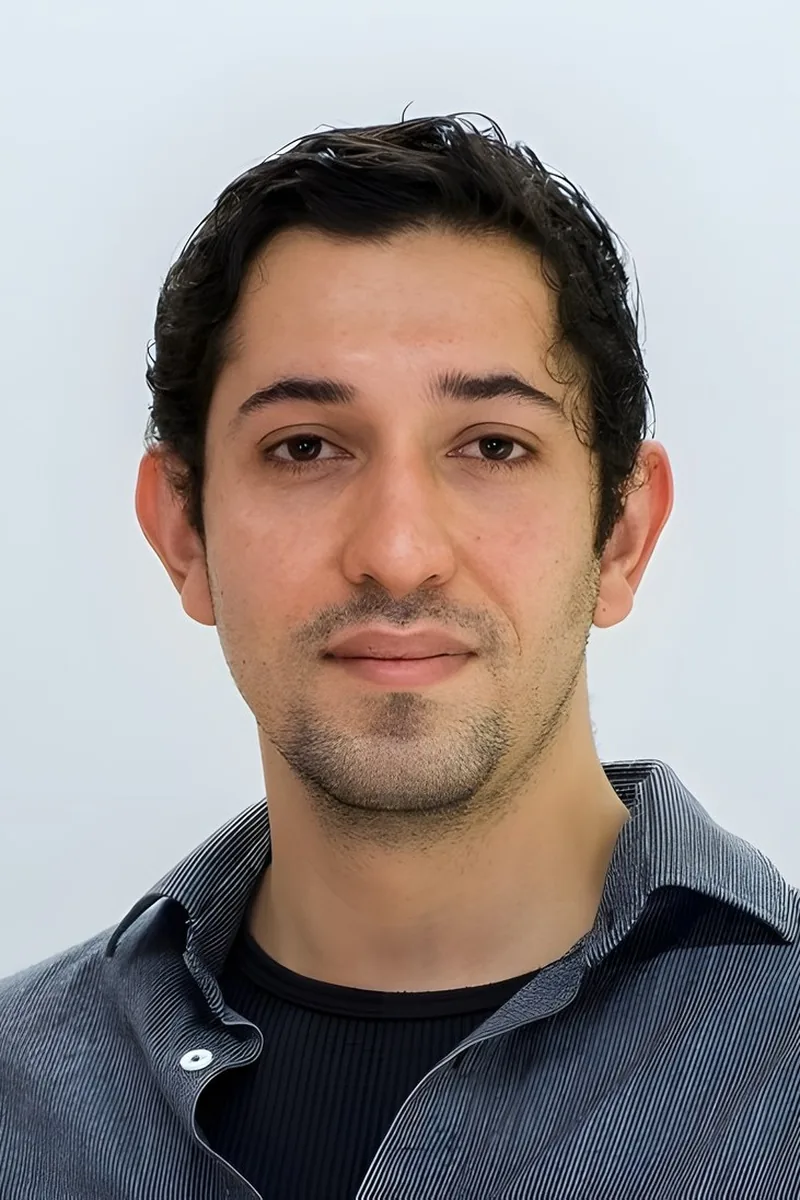
Having taught and tutored across Colombia, Mexico, Germany, Canada, and the United States, Esteban brings an anthropologist's instinct for reading how cultures interact — the exact skill AP World History's DBQ and comparative essays test when students must explain why civilizations borrowed, resisted, or transformed each other's practices. His anthropology training means he teaches cultural diffusion and state formation not as textbook vocabulary but as lived human patterns, connecting concepts like syncretism or tributary systems to real-world examples he's encountered firsthand. Rated 4.9 by students.

Terry's Wharton economics training — analyzing how markets form, trade networks expand, and institutions shape incentives — gives him a practical framework for the economic systems questions that run through every AP World History period, from early agrarian societies to globalization. He's particularly sharp on the continuity-and-change prompts where students need to explain how something like mercantilism or tributary systems evolved rather than just identifying them. A 1530 SAT scorer, he brings strong timed writing instincts to DBQ and LEQ prep.
Jonah's history degree and 1590 SAT give him both the content depth and the timed analytical writing skills that AP World History's essay sections punish students for lacking — particularly on LEQ prompts where a vague thesis about, say, imperialism's impact across regions earns almost no credit. He teaches students to anchor broad comparative claims in specific evidence, turning a sprawling nine-period timeline into arguments that actually score.
Studying anthropology and linguistics at the University of Chicago means Araxie spends her coursework doing exactly what AP World History's toughest prompts ask — analyzing how cultures interact, absorb, and transform each other across time and space. That training sharpens her approach to the cultural diffusion and comparison questions where students need to explain not just what spread along trade routes or through empires, but how contact reshaped societies on both sides. Rated 4.8 by students.
Studying philosophy at MIT trained Tim to do exactly what AP World History's essay prompts demand — construct an argument from limited evidence, weigh competing interpretations, and defend a thesis under pressure. He applies that analytical rigor to DBQ prep and the causation essays where students need to explain not just what happened but why one development in, say, Song Dynasty China reverberates through Indian Ocean trade networks centuries later. Rated 4.9 by students.
High school teaching in Boston means Max deals daily with the challenge of making nine periods of world history land for students who'd rather not read another textbook chapter — and his Master's in Teaching sharpened his ability to break sprawling content into the specific comparisons and cause-and-effect chains the AP exam actually scores. His history degree gives him the sourcing instincts the DBQ demands, particularly when students face unfamiliar documents and need to contextualize them on the spot. Rated 5.0 by students.
Covering thousands of years across every continent, AP World History overwhelms students who try to memorize everything. Nathan's approach is to teach through comparative frameworks — connecting the collapse of the Han Dynasty to the fall of Rome, or linking the Atlantic slave trade to Indian Ocean commerce — so that patterns replace isolated facts. As a Rice History major, he brings genuine depth to the cross-cultural analysis the exam demands.
Fluency in multiple languages — Latin, Spanish, Italian, German — gives Jamie a concrete feel for how cultures borrow, collide, and reshape each other, which is the engine behind AP World History's toughest essay prompts on cultural diffusion and cross-regional exchange. A master's in education sharpens that into practical exam prep, particularly on DBQ sourcing where students need to read an unfamiliar document and quickly identify its cultural context and point of view.
Covering ten thousand years of global history means students need a mental framework, not a memorized timeline. Jake approaches AP World History through recurring themes like empire-building, trade networks, and cultural diffusion, then shows students how to deploy that thematic knowledge in the continuity-and-change and comparison essays the exam actually tests.
Cross-cultural comparison is where most AP World History students lose points, and it's where Ben's teaching shines — he breaks down how to connect developments like the Columbian Exchange, Mongol trade networks, and industrialization across regions without turning essays into vague generalizations. As a classroom history teacher who reads history for fun, he brings genuine enthusiasm to even the trickiest continuity-and-change-over-time prompts.
Studying both neuroscience and computer science at Duke gave Ankit an unusual habit: looking for the systems underneath the surface — how small mechanisms cascade into massive outcomes. That's exactly the thinking AP World History rewards, especially on causation and continuity-and-change essays where students need to trace how something like the Black Death or the silver trade reshaped economies and power structures across continents. His 36 ACT composite speaks to the timed analytical reading and writing chops the DBQ requires.
Covering millennia of global history in one year means AP World History students need frameworks — ways to compare empires, trace trade networks, and connect developments across regions without drowning in isolated facts. Alastair approaches the course through those thematic lenses, drawing on his Columbia History major to show how continuity-and-change or causation questions actually want students to think. He also unpacks the comparison and CCOT essay formats so students know exactly what the rubric rewards.
Testimonials
Because the right AP World History tutor makes all the difference.
Average Session Rating – Based on 3.4M Learner Ratings
Practice AP World History
Free practice tests, flashcards, and AI tutoring for AP World History
Nearby AP World History Tutors
Other Columbia Tutors
Related Social Studies Tutors in Columbia
Frequently Asked Questions
Score improvement depends on your starting point and commitment level, but most students who work with a tutor see meaningful gains within 8-12 weeks of consistent preparation. Many students jump from a 2 or 3 to a 4 or 5 by focusing on essay structure, document analysis, and targeted review of weak time periods. The key is identifying which sections—multiple choice, short answer, or essays—need the most work, then building a study plan around those areas.
You can start tutoring at any point in the school year, whether you're just beginning the course or deep into exam prep. If you're early in the year, a tutor can help you build strong foundations in periodization, thematic learning, and document analysis skills that carry through all six time periods. If you're closer to the exam, tutoring focuses on plugging content gaps, refining essay responses, and mastering test-taking strategies under time pressure.
Most students struggle with thesis clarity and using evidence effectively—they know historical facts but can't connect them to the argument in a way that earns points. The DBQ (Document-Based Question) adds another layer of complexity since you must analyze documents while synthesizing your own knowledge, all within 60 minutes. A tutor can teach you the rubric requirements, show you how to structure responses for maximum points, and give you practice with timed writing so you build speed and confidence.
The multiple-choice section tests both content knowledge and the ability to analyze historical sources carefully—many students miss questions because they rush or misread what's being asked. Effective strategies include reading the question stem first before looking at answer choices, eliminating obviously wrong answers, and practicing with real AP questions to learn how the test makers phrase tricky options. A tutor can help you identify patterns in the types of questions you miss and teach you to slow down strategically on harder items.
The three-hour exam requires careful pacing: 55 minutes for multiple choice (55 questions), 60 minutes for the DBQ, 40 minutes for short-answer questions, and 40 minutes for the long essay. Many students run out of time on the essay section because they spend too long planning or writing rough drafts. Working with a tutor on timed practice tests helps you develop a realistic pace, learn to write efficiently without sacrificing quality, and build the stamina to stay focused for three hours.
Take a full-length practice test under exam conditions, then review it carefully to spot patterns—do you struggle with a particular time period, region, or type of question? A tutor can analyze your practice test results to pinpoint exactly where you're losing points, whether it's content gaps, essay structure, or test-taking strategy. From there, you create a targeted study plan that focuses your limited prep time on areas that will have the biggest impact on your score.
Strong document analysis requires you to identify the author's perspective, purpose, and historical context—not just summarize what the document says. Many students miss points by treating documents as simple fact sources rather than understanding who created them, why, and what biases they might contain. A tutor teaches you a systematic approach to reading documents critically and connecting them to your broader historical knowledge, skills that apply to both the DBQ and multiple-choice questions that include source material.
Your first session focuses on understanding where you are in your AP World History preparation and what you want to achieve. You'll likely take a diagnostic assessment or review your recent practice test scores to identify strengths and gaps, discuss your target score and timeline, and create an initial study plan together. From there, tutoring becomes personalized—whether you need help with specific content, essay writing, test strategy, or a combination of all three.
Let’s find your perfect tutor
Answer a few quick questions. We’ll recommend the right plan and match you with a top 5% tutor.