Award-Winning AP Psychology Tutors
serving Columbia, SC
Who needs tutoring?
FEATURED BY


TUTORS FROM
- YaleUniversity
- PrincetonUniversity
- StanfordUniversity
- CornellUniversity
Award-Winning AP Psychology Tutors serving Columbia, SC
Certified Tutor
9+ years
Having studied psychology alongside microbiology and the biological sciences, Felix brings a dual lens to AP Psych — particularly in units like biological bases of behavior and sensation-perception, where his science training makes neurotransmitter pathways and neural signaling click rather than fee...
University of Chicago
Associate in Science
Certified Tutor
10+ years
Sherry
A psychology and linguistics degree from the University of Chicago means Sherry didn't just survey the AP Psych curriculum — she studied the underlying science of language, cognition, and behavior at a research university where the field's foundational theories were developed. That linguistics train...
University of Chicago
Bachelor's degree in psychology and linguistics

Certified Tutor
6+ years
Matthew
Matthew's pre-med track at Yale pairs biochemistry with philosophy — a combination that pays off in AP Psychology, where the biological bases of behavior unit demands real science fluency and the free-response section rewards precise, logically structured arguments. His hands-on work with tools like...
Yale University
Bachelor of Science, Biochemistry and Molecular Biology
Certified Tutor
Tashina
Tashina earned her PhD in Psychological and Brain Sciences, so the AP Psych curriculum — from operant conditioning to the intricacies of the DSM — is territory she's navigated at the research level, not just the introductory one. Her statistics expertise is particularly useful for the research metho...
Johns Hopkins University
PHD, Psychological and Brain Sciences
Barnard College
Bachelor in Arts, Psychology
Certified Tutor
9+ years
Todd
Todd's Master of Social Work gives him direct clinical exposure to concepts that dominate AP Psychology's abnormal psychology and social psychology units — diagnostic frameworks, group dynamics, cognitive-behavioral models — all material he's applied in practice, not just studied in a textbook. His ...
University of Chicago
Master of Social Work, Social Work
University of Illinois at Urbana-Champaign
Bachelor of Science, Biology, General
University of Chicago
graduate
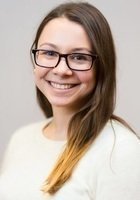
Certified Tutor
Martha
Martha's PhD research at Michigan sits at the intersection of culture and self-concept — the exact territory AP Psychology's social psychology and personality units cover, except she's generating original data on it, not just reviewing textbook summaries. That active research background, built on a ...
Duke University
Bachelors, Psychology
Duke University
Current Grad Student, Global Health
Duke University
BS in psychology
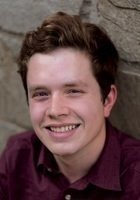
Certified Tutor
6+ years
William
Linguistics at Yale trains you to analyze how language shapes thought, perception, and social interaction — concepts that map directly onto AP Psychology units like cognition, memory, and social psychology, where understanding how people process and communicate information is half the battle. Willia...
Yale University
Bachelor in Arts, Linguistics
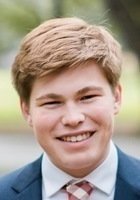
Certified Tutor
6+ years
Adam
Cognitive science at Rice meant Adam studied the AP Psych curriculum from the inside out — perception, memory, language processing, and the neural underpinnings of behavior were core coursework, not elective reading. That training makes him especially sharp on the cognition and biological bases unit...
Rice University
Bachelor of Arts in Cognitive Sciences (minor in Spanish)

Certified Tutor
Emerson
A psychology major at the University of Chicago with a neuroscience specialization, Emerson lives and breathes the material that shows up on the AP Psychology exam — from Piaget's developmental stages to action potentials and neurotransmitter pathways. He connects textbook concepts to the actual res...
University of Chicago
Bachelor of Science, Biology and Psychology
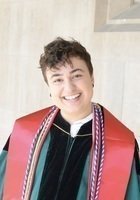
Certified Tutor
5+ years
Dental school requires mastering the same biological foundations that underpin AP Psychology's toughest unit — Nik knows neurotransmitter pathways, neural signaling, and brain anatomy from his predentistry and biology training, not from flashcards. His 32 ACT also means he's familiar with the kind o...
Washington University in St. Louis
Bachelor in Arts, Biology, General
University of Missouri-Kansas City
Doctor of Dental Science, Predentistry
Practice AP Psychology
Free practice tests, flashcards, and AI tutoring for AP Psychology
Nearby AP Psychology Tutors
Other Columbia Tutors
Related Social Sciences Tutors in Columbia
Frequently Asked Questions
AP Psychology covers eight major units: scientific foundations, biopsychology, sensation and perception, learning, cognition, motivation and emotion, personality, testing and individual differences, abnormal psychology, and treatment of abnormal behavior. The course emphasizes both theoretical concepts and real-world applications, requiring students to understand how psychological principles apply to everyday life. Tutors can help you master each unit's key vocabulary, theories, and research studies that appear frequently on the exam.
The AP Psychology exam consists of two sections: a 70-minute multiple-choice section with 100 questions (66% of your score) and a 50-minute free-response section with two essay questions (34% of your score). The multiple-choice questions test your understanding of concepts, research findings, and applications, while the free-response questions require you to apply psychological theories to scenarios. Personalized tutoring can help you develop strategies for managing time across both sections and practicing the specific question formats you'll encounter.
Score improvement depends on your starting point and study commitment, but students typically see meaningful gains when they receive targeted instruction on weak units and practice with released AP questions. Many students struggle with specific areas like biopsychology terminology, research methodology, or essay structure—tutors can pinpoint these gaps and provide focused practice. With consistent preparation over several months, students often move from a 2 or 3 to a 4 or 5 on the AP scale.
Students in Columbia often find biopsychology (brain structures, neurotransmitters, and nervous system organization) and research methodology (understanding study designs, statistics, and validity) to be the most demanding units. The sheer volume of vocabulary and research studies can feel overwhelming, and connecting abstract psychological theories to real-world applications requires deeper thinking than memorization. A tutor can break down complex topics into manageable pieces and help you build conceptual understanding rather than just memorizing facts.
Effective strategies include reading questions carefully to identify what's being asked (psychology questions often have subtle distinctions), eliminating obviously wrong answers, and managing your time—roughly 42 seconds per multiple-choice question. For free-response essays, structure your answer clearly, define key terms, and provide specific examples from research studies or real life. Practice tests are essential; they help you identify pacing issues, recognize question patterns, and build confidence before test day. Tutors can review your practice test responses and teach you to avoid common mistakes.
Most students benefit from starting preparation 3-4 months before the exam, dedicating 5-8 hours per week to studying. This timeline allows you to work through all eight units systematically, complete multiple practice tests, and review weak areas before test day. If you're starting closer to the exam or struggling with specific concepts, more intensive tutoring can help you prioritize high-impact topics and maximize your remaining study time.
Your first session typically involves assessing your current knowledge, understanding your goals (score target, timeline, specific challenges), and identifying which units need the most attention. A tutor might give you a brief diagnostic quiz or review your previous test scores to understand your strengths and weaknesses. From there, you'll develop a personalized study plan that focuses on building foundational understanding in weak areas while reinforcing what you already know well.
Varsity Tutors connects you with expert tutors in Columbia who specialize in AP Psychology and understand the specific challenges students face. You can share your goals, timeline, and preferred learning style, and we'll match you with a tutor who fits your needs. Whether you need help mastering difficult concepts, practicing test-taking strategies, or reviewing before the exam, personalized 1-on-1 instruction is tailored to your pace and learning preferences.
Connect with AP Psychology Tutors in Columbia
Get matched with local expert tutors