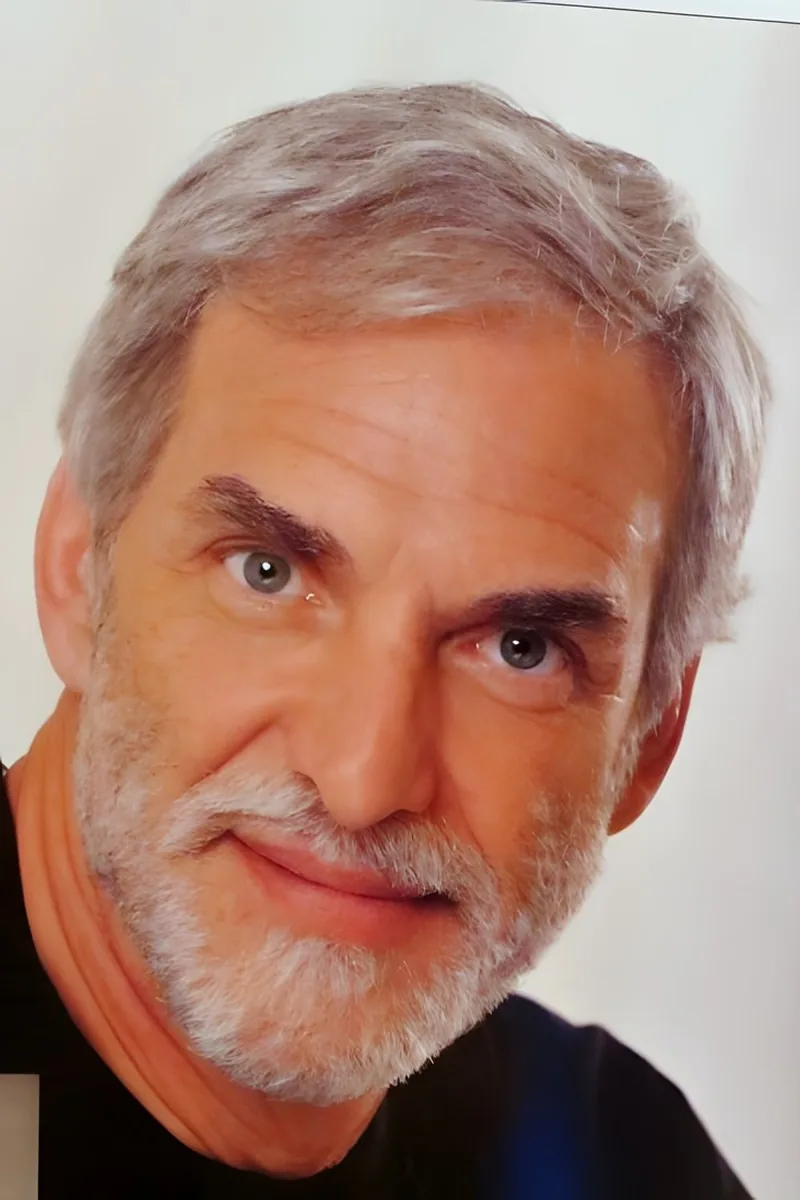
Connect with hundreds of tutors like Richard

America's #1 Tutoring Platform

Who needs tutoring?

FOXNBCCBSUS NewsTIMEUSA Today

TUTORS FROM

  • YaleUniversity
  • PrincetonUniversity
  • StanfordUniversity
  • CornellUniversity
Richard

Richard

Bachelors, Biology, General
UNC, North Carolina State University at Raleigh

About Me

My parents instilled in me the understanding that hard work, with a bit of good luck, is the secret to being both happy and successful. I have always tried to live by that notion and, to date, have no real regrets. I have always committed myself fully to the endeavors that I feel were important in my life. I am proud to have been successful in academics, having received a masters in the life sciences, as well as a degree in medicine followed by a successful and rewarding career in emergency medicine. I know the value of study and education. I have had the pleasure to be in teaching situations in several arenas. While in graduate school, I worked for the NC state park system for several years as an environmental educator. I was also a teaching assistant at NC State University at the same time. While in medical residency, I was responsible for the teaching of those in classes below me, both in the clinic and on hospital patient rounds. I also have experience teaching, at the high school level, in a private school in Raleigh, North Carolina. I have always enjoyed these experiences. From another perspective, it has always been clear to me that some of the most important influences in my life have been my teachers. I am very excited for opportunities to teach French or Spanish. I have a home in Brittany and I spend my summers there. I have also travelled extensively in Spain, Mexico, Central America and South America.

Education & Certifications

UNC
Bachelors, Biology, General
North Carolina State University at Raleigh
Masters, Ecology

Q&A with Richard

My experience, both as a student and as a teacher, has taught me that the secret to learning is the "desire" to learn. Some students are motivated by grades, some are motivated by family or responsibility. There also exists a large group of students who question the value or "need" to learn a particular thing. It may not be a subject that interests them or, perhaps they question the utility of a particular knowledge base. My favorite teachers have always been those who know how to make a subject relevant or even enjoyable. I had this issue in high school, with math and physics. Why should I care about vectors, statistics, derivatives, and load forces? My good teachers were able to demonstrate that, although not used, as such, on a daily basis, these concepts are critical in problem-solving. Why is it easier to jack up a car with a longer handle on the jack? Why does a car burn more gas with acceleration or at high speed? Just an awareness of these issues improves our thinking. Knowledge needs to be relative to a student's needs and interests. Whether it be math, language or science, knowledge and awareness contribute to the ease and enjoyment of our lives. I am often asked if I feel like I wasted time earning a master's in life science before becoming a physician. My answer is always that my life has been enriched by my understanding of how the world works and by my great pleasure of being a part of it. It makes me a better citizen and a better person. I could go on as to how success in learning relates to a "reward-based" culture, or how it contributes to self-esteem, self-confidence, etc. My basic approach is to make learning relevant. It is also the case that many students don't know how to learn. It is important, in education, to emphasize thinking; to allow the student an opportunity, not just to memorize material, but to think through the questions and discover things for themselves. How would you help a student stay motivated? Students are motivated in different ways. Primarily, I think that students need to feel that they are making progress and that they are "getting it". I would anticipate discussing with my students how they feel about their progress or their lack of progress. I would investigate how this learning makes them feel about themselves and about their lives, in general. Some students respond well to simple rewards, verbal kudos or "attaboys". Many take pride in their new knowledge and their new abilities in once troubling subjects. Relating motivation to success can be a productive cycle. If a student has difficulty learning a skill or concept, what would you do?

Connect with a tutor like Richard