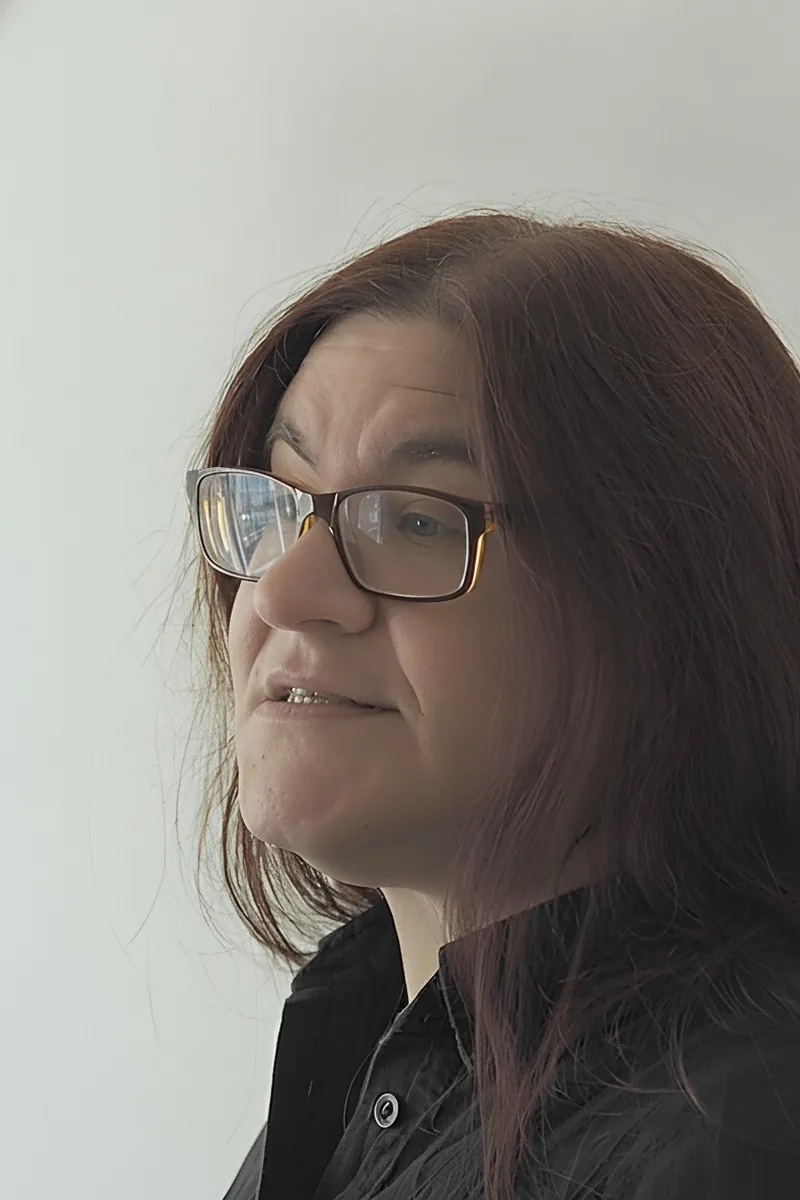
10+ years of tutoring
Laura
- I believe most people learn best by practicing, but it has to be the right kind of practice.
About Me
Flailing around at something intimidating, where you don't know how to even start, can be discouraging and counterproductive. I try to provide enough scaffolding to make students feel safe exploring, and to try something else if the first approach doesn't work. I also try to teach the process of solving problems, which students can use for themselves as they build confidence. I have a Masters Degree in Chemistry from Cornell, where I was a teaching assistant for Introductory Chemistry, Analytical Chemistry, and Physical Chemistry. While pursuing a PhD at RPI, I was a volunteer tutor for Chemistry and Chemical Engineering students. While working in industry, I taught my co-workers Statistics, Experiment Design, and Technical Writing. More recently, I have been a professional independent tutor, helping students with test prep, Math, Statistics, Chemistry, and Physics. I help teens and adults overcome fears (especially fear of Math) so they can learn more effectively and solve problems confidently. I teach test prep, Math, Statistics, Chemistry, and Physics. I especially like teaching Math, because I find it so satisfying to help students overcome the barriers related to thinking they "can't do Math." Whether my students want to use Math to excel in Science, or to get top scores on standardized tests, or just recognize when somebody is lying to them with Statistics, I like knowing I can help.
Hobbies & Interests
Reading, Baking
Education
Q&A with Laura
Who needs tutoring?
No obligation. Takes ~1 minute.
Tutors with Similar Experience
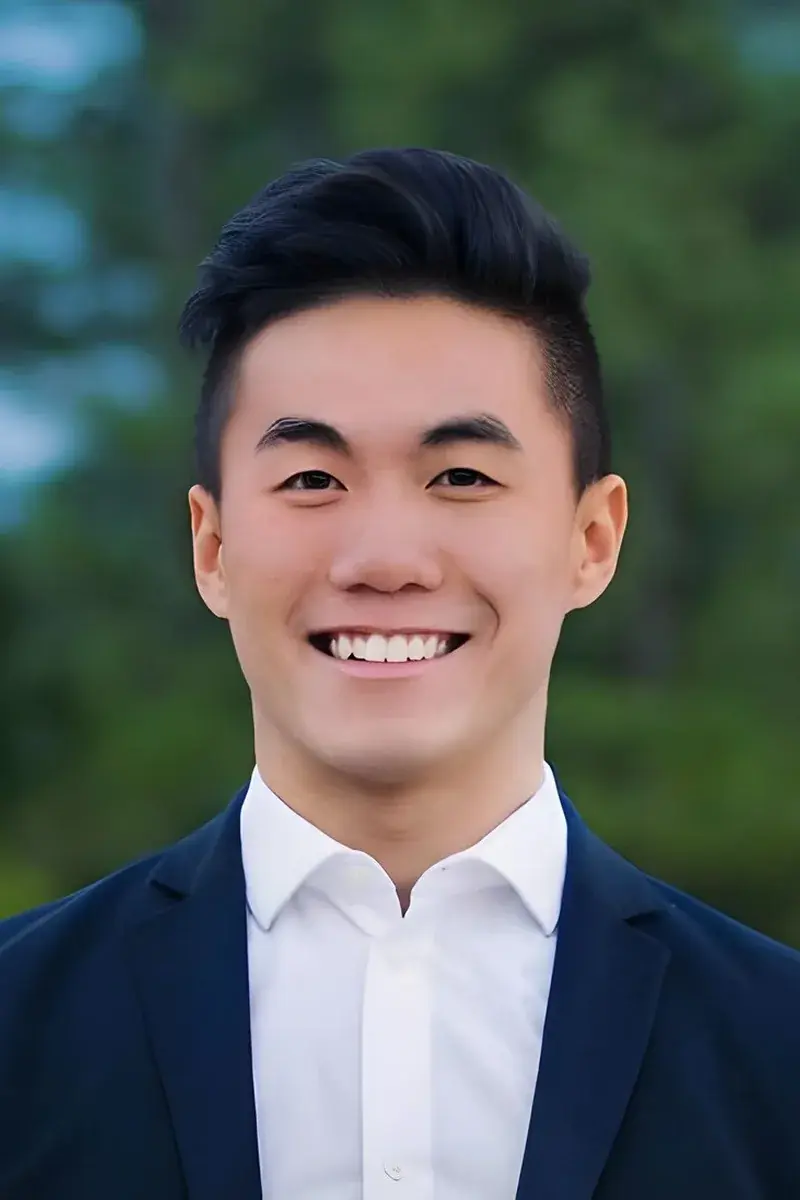
Aaron
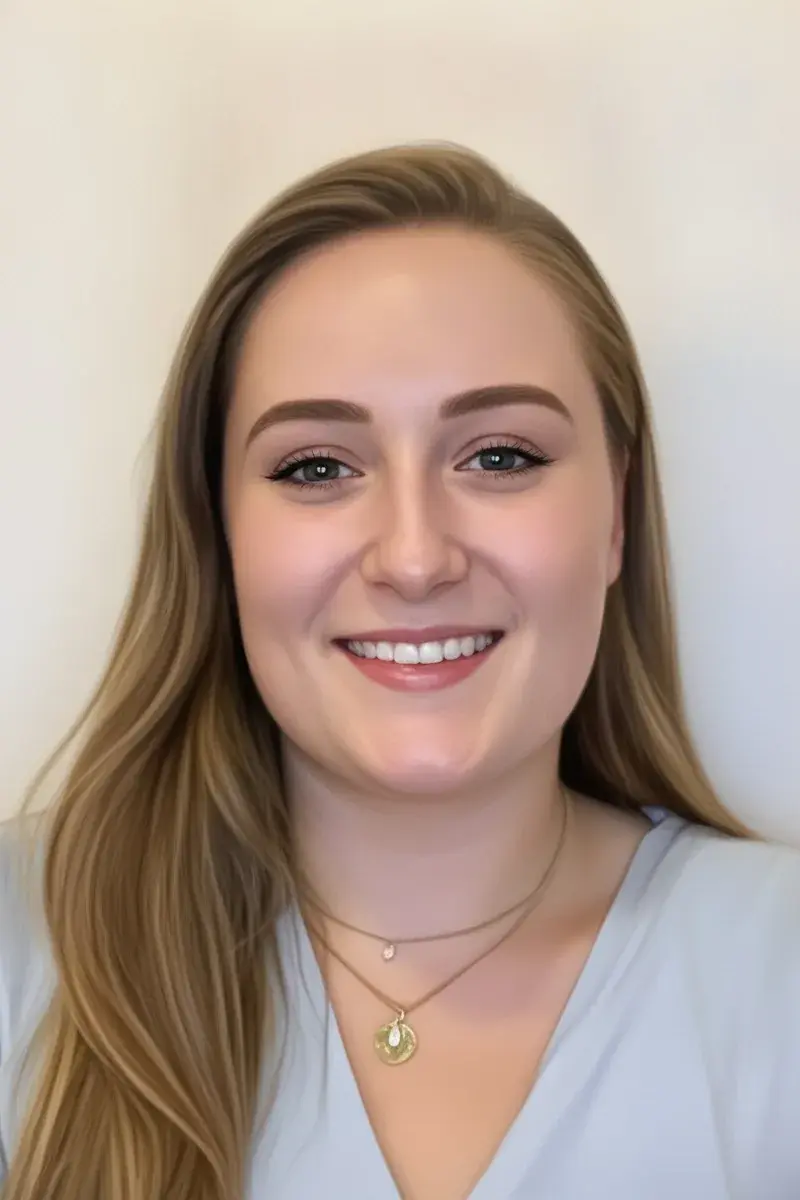
Mimi
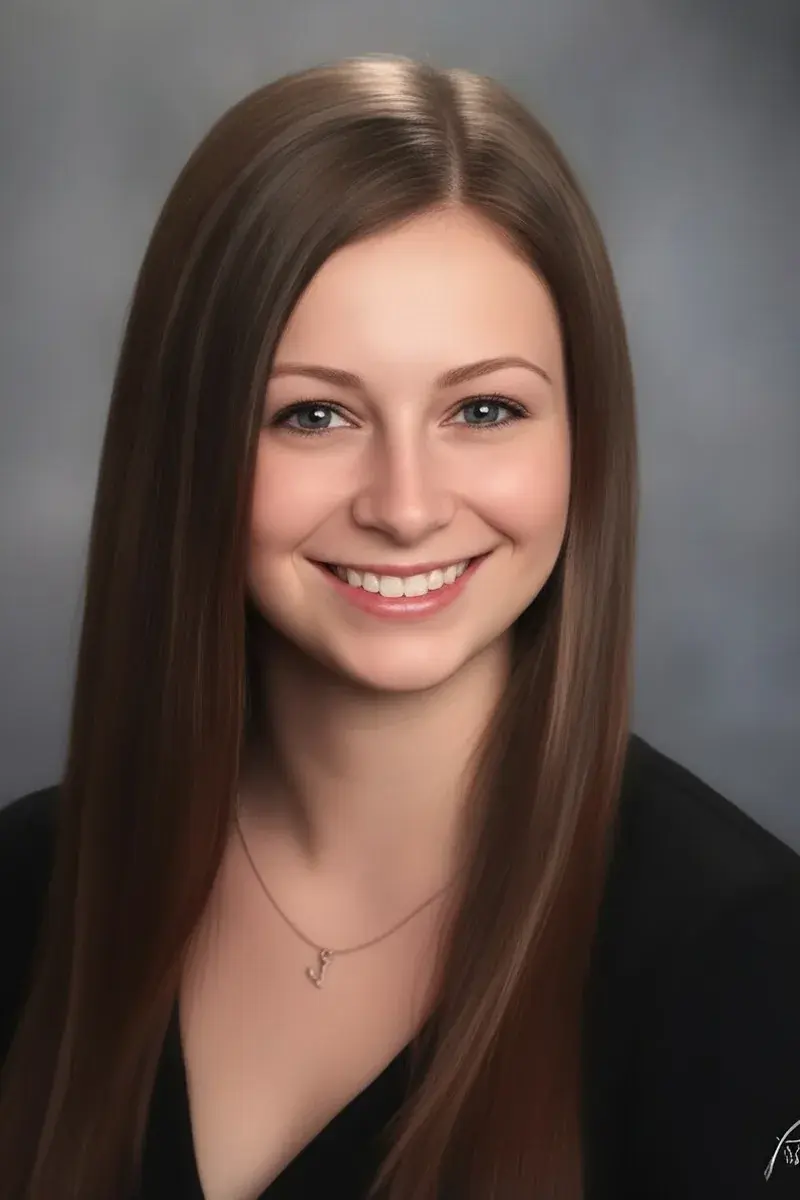
Nina
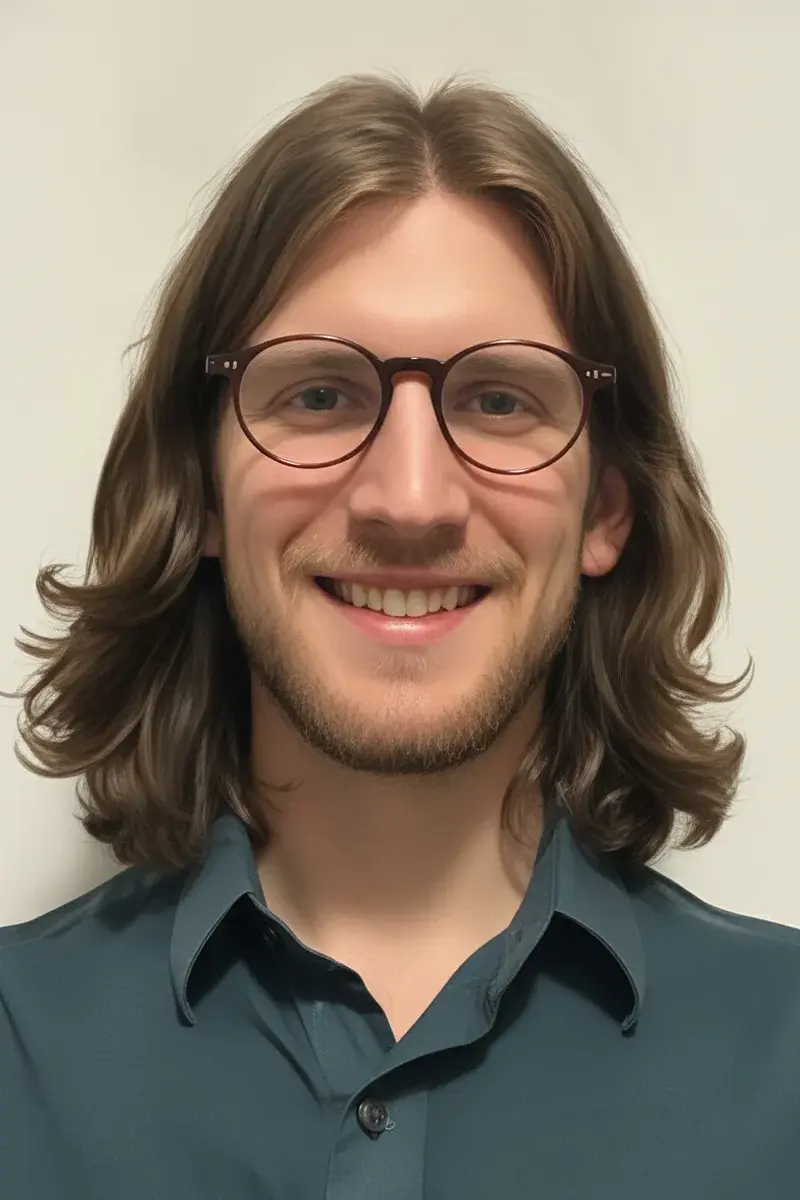
Reid
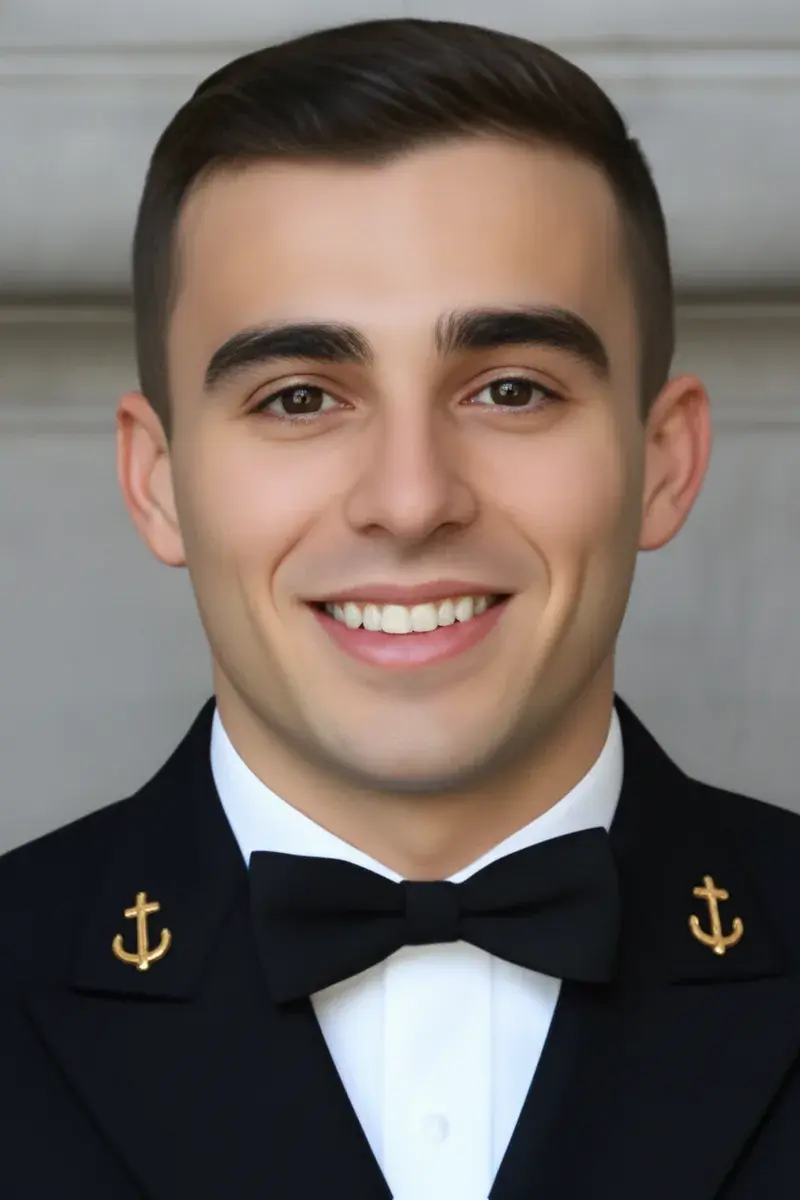
Charles
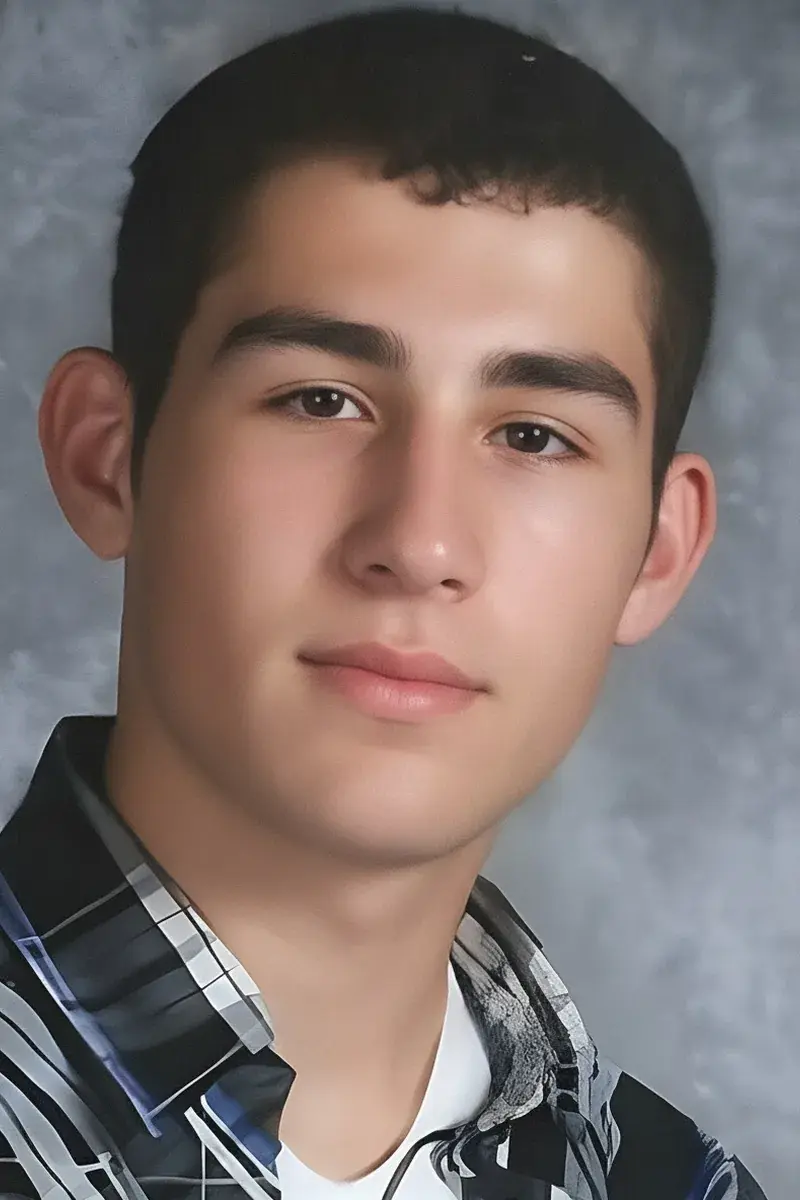
Christopher
Let’s find your perfect tutor
Answer a few quick questions. We’ll recommend the right plan and match you with a top 5% tutor.