Award-Winning Physics Tutors
serving Pittsburgh, PA
Award-Winning
Physics
Tutors in Pittsburgh
Private 1-on-1 tutoring, weekly live classes for academic support, test prep & enrichment, practice tests and diagnostics, and more to elevate grades and test scores.
Based on 3.4M Learner Ratings
UniversitiesSchools & Universities
DeliveredHours Delivered
ProficiencyGrowth in Proficiency
Who needs tutoring?
No obligation. Takes ~1 minute.
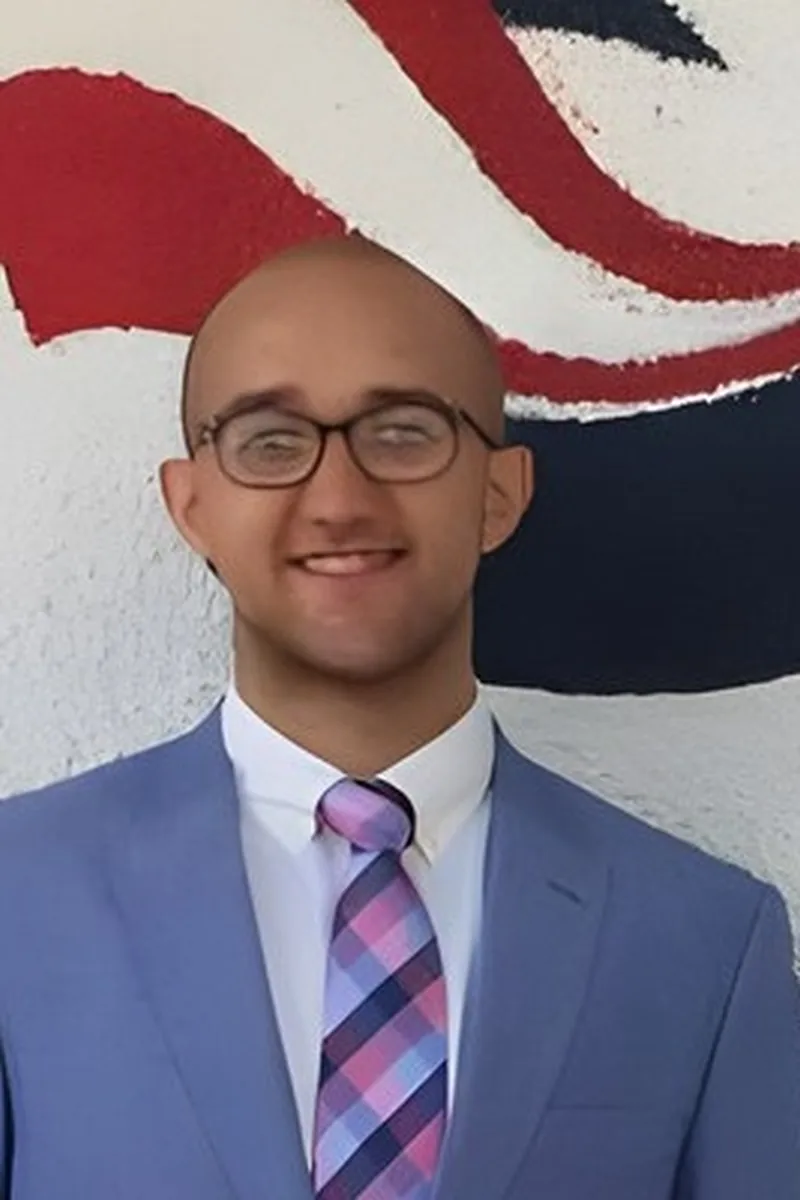
A physics degree doesn't just mean Vaughn studied the subject — it means he spent years translating word problems into free-body diagrams, applying conservation laws, and debugging his own mathematical reasoning when an answer didn't make sense. He teaches that same problem-solving process explicitly, walking through kinematics, energy, and electromagnetism with an emphasis on setting up problems correctly before touching a calculator.
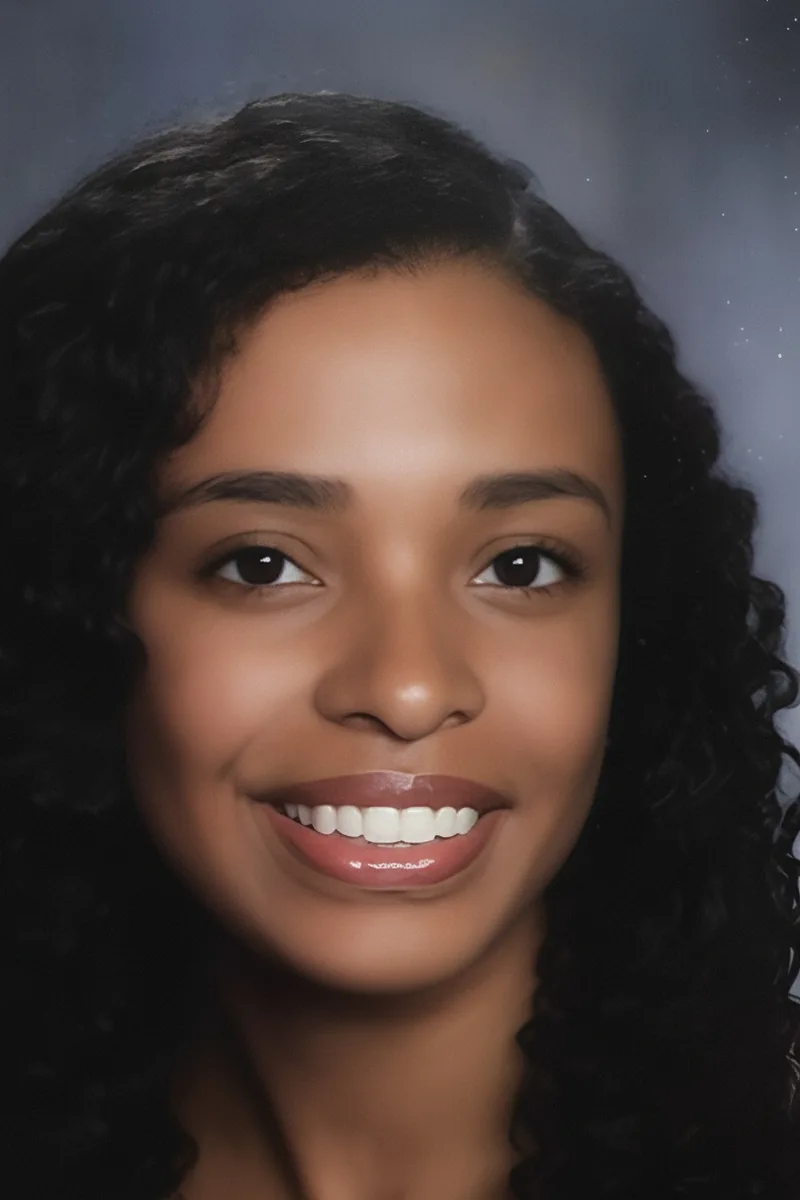
Chemical engineering coursework at Pitt meant Olivia spent years applying thermodynamics, fluid mechanics, and electromagnetism to real systems — so she teaches physics as interconnected principles rather than isolated formulas. Her 34 ACT and 4.9 rating speak to how effectively she communicates quantitative reasoning, whether the topic is projectile motion, circuits, or rotational dynamics.
Studying math and physics at Harvard while also coding in Java, C++, and Python means Matthew tackles physics problems the way they're meant to be tackled — with the calculus fully integrated rather than treated as a scary add-on. He covers everything from introductory mechanics through AP Physics C's electricity and magnetism, and his 34 ACT reflects the kind of cross-disciplinary fluency that keeps the math from becoming a separate obstacle. Rated 4.9 by students.
Madhura's master's in chemistry means she's already fluent in the thermodynamics, quantum mechanics, and classical mechanics that underpin every introductory physics course — these weren't electives but daily tools in her coursework and teaching. She zeroes in on unit analysis and dimensional reasoning as a way to demystify equations, teaching students to see whether an answer even makes physical sense before checking the math. Rated 4.7 by students.
Mechanical engineering at Northwestern is essentially applied physics, so Zach doesn't just remember Newtonian mechanics and energy conservation — he uses them to design and analyze real systems. That perspective makes a difference when explaining free-body diagrams, projectile motion, or rotational dynamics, because he can tie each concept to something tangible. He's rated 5.0 by students and scored a 35 ACT, with particular strength in the quantitative reasoning physics demands.
Tiasha's Master of Engineering in Chemical and Biomolecular Engineering required deep fluency in thermodynamics, fluid mechanics, and classical mechanics — all rooted in core physics principles. She unpacks force diagrams, energy conservation, and wave behavior by tying abstract equations back to physical intuition, making problem-solving feel less like formula hunting.
Three semesters teaching ESL gave Danielle something most science tutors don't practice: the ability to explain a concept five different ways until one lands — a skill that transfers directly to physics, where the gap between understanding a force diagram and staring blankly at vectors often comes down to how the idea is framed. Her biology degree and med school coursework at Pitt keep her fluent in the mechanics, energy, and wave topics that overlap between physics and the life sciences. Rated 5.0 by students.
Studying mechanical engineering means living inside physics — statics, dynamics, thermodynamics, and fluid mechanics are Matt's daily coursework. He unpacks concepts like Newton's laws, conservation of energy, and rotational kinematics by grounding them in real systems: bridges under load, engines converting heat to work, projectiles in flight. That hands-on engineering perspective turns abstract force diagrams into something students can actually visualize.
Studying biomedical engineering means Golda lives at the intersection of physics and real-world systems — fluid dynamics in blood vessels, electrical signals in neurons, force analysis in prosthetic design. She unpacks core physics concepts like Newton's laws, energy conservation, and wave behavior by tying them to problems that actually matter. A 35 ACT composite reflects the same analytical rigor she brings to every session.
An Industrial Engineering degree means Matt spent years applying Newtonian mechanics, thermodynamics, and energy principles to real systems — not just textbook diagrams. He teaches physics by tying each concept back to a physical situation students can visualize, whether that's free-body diagrams for statics problems or conservation laws in collisions.
Pooja's AP Physics background and her science-heavy neuroscience curriculum mean she's tackled everything from kinematics and energy conservation to electrostatics and wave behavior. She emphasizes translating word problems into free-body diagrams and equations — the skill that separates students who understand physics from those who just memorize formulas.
Studying applied physics at Carnegie Mellon, Sarah tackles mechanics, electromagnetism, and thermodynamics in coursework that blends theory with hands-on engineering applications — so she knows where the textbook explanation ends and real physical intuition needs to begin. Her concurrent work in engineering means she's constantly translating between mathematical models and physical systems, which sharpens how she explains everything from free-body diagrams to fluid dynamics problems.
Testimonials
Because the right Physics tutor makes all the difference.
Average Session Rating – Based on 3.4M Learner Ratings
Practice Physics
Free practice tests, flashcards, and AI tutoring for Physics
Other Pittsburgh Tutors
Related Science Tutors in Pittsburgh
Frequently Asked Questions
Many students struggle with visualizing abstract concepts like forces, motion, and energy—it's hard to see what's happening when you're working with equations on paper. Others find the math intimidating, especially when balancing equations or converting units. A big one is connecting theory to real-world applications; understanding *why* a concept matters helps it stick much better than memorizing formulas. Personalized tutoring helps break down these barriers by working through problems step-by-step and showing how physics applies to everyday situations.
Your first session is about building a foundation for success. A tutor will assess your current understanding, identify specific areas where you're struggling (whether it's kinematics, energy, circuits, or something else), and learn your learning style. From there, they'll create a personalized plan tailored to your goals—whether you're aiming for a better grade, preparing for the AP Physics exam, or building confidence in the subject. This personalized approach means every session focuses on *your* needs, not generic material.
Absolutely. Lab work is where physics comes alive, and many students find it challenging to connect their experimental results to the theory they've learned in class. Tutors can help you understand experimental design, work through data analysis, and interpret results—all critical skills for success in lab courses. They can also help you prepare lab reports and troubleshoot when your results don't match predictions, which is actually a valuable learning opportunity in science.
Real physics understanding comes from knowing *why* formulas work and *when* to use them, not just plugging numbers in. A tutor helps you build conceptual understanding by working through problems from multiple angles, asking questions that push your thinking, and connecting each formula to the physical principles behind it. When you understand the 'why,' formulas become tools that make sense rather than random equations to memorize—and that's what leads to better grades and genuine confidence in physics.
Unit conversions aren't really about math—they're about understanding what units *represent* and how to scale between them logically. Many students rush through conversions or use rote methods without thinking about what's happening, which leads to errors. A tutor can teach you systematic approaches to unit conversions and help you develop the habit of checking whether your answer makes physical sense. Once you see conversions as a way to verify your thinking rather than a tedious step, they become much less intimidating.
Look for tutors with strong physics backgrounds—ideally someone who studied physics, engineering, or a related field at the university level, or has significant teaching experience. But credentials alone don't guarantee a great fit; you want someone who can explain complex ideas clearly, adapt to your learning style, and help you build both content knowledge and problem-solving skills. Varsity Tutors connects you with expert tutors who have proven expertise in physics and a track record of helping students succeed.
AP Physics exams test both conceptual understanding and problem-solving ability, which requires a different approach than regular coursework. A tutor can help you master the full curriculum, practice with real AP-style questions, and develop strategies for the multiple-choice and free-response sections. They'll also help you identify your weaknesses early enough to address them thoroughly, rather than cramming right before the exam. With personalized instruction focused on your specific gaps, you'll feel much more confident walking into test day.
Getting started is straightforward—tell us about your physics needs (what topic, what grade level, what your goals are), and Varsity Tutors will match you with a tutor who's a great fit for your situation. From there, you'll work together on a personalized schedule that fits your life. Whether you need help with a specific unit, ongoing support throughout the year, or intensive exam prep, you can get matched with an expert tutor ready to help you succeed in physics.
Let’s find your perfect tutor
Answer a few quick questions. We’ll recommend the right plan and match you with a top 5% tutor.