Award-Winning English Tutors
serving Harrisburg, PA
English
Tutors in Harrisburg
Private 1-on-1 tutoring, weekly live classes for academic support, test prep & enrichment, practice tests and diagnostics, and more to elevate grades and test scores.
Based on 3.4M Learner Ratings
UniversitiesSchools & Universities
DeliveredHours Delivered
ProficiencyGrowth in Proficiency
Who needs tutoring?
No obligation. Takes ~1 minute.

Between a philosophy degree that demanded close textual analysis and a neuroscience degree that required clear scientific writing, Michael developed English skills from two very different directions. He tackles reading comprehension by teaching students to identify an author's argument and rhetorical moves, then connects those same analytical habits to their own essay drafting and revision process.
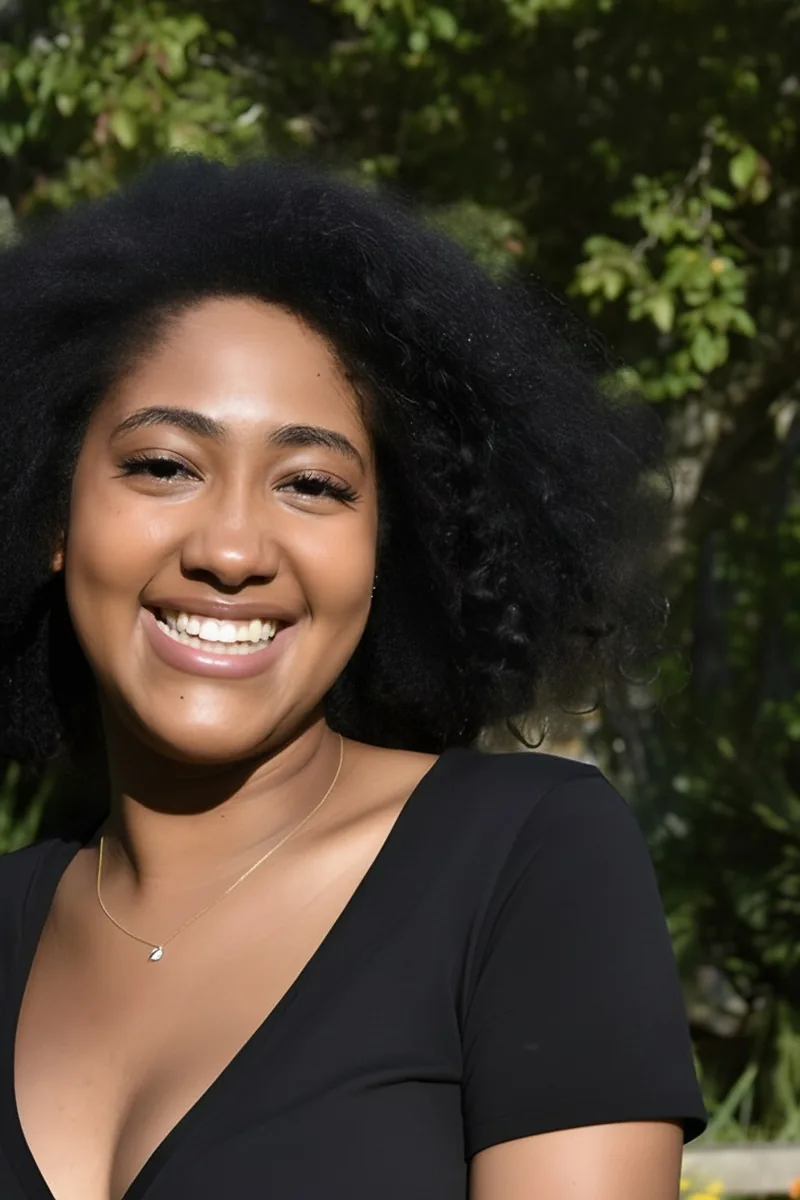
I am committed to making tutoring fun and beneficial for all my students. I graduated magna cum laude from my high school as salutatorian in 2018, with distinction from Duke University with a B.S. in neuroscience in 2022 and am an incoming graduate student at Columbia University. Although each of my academic experiences posed different challenges, one thing made me successful at each stage- my zeal for learning. In my experience as a tutor and in my future endeavors, I want to impart this excitement for learning to each of my students. In tutoring sessions, I introduce topics in fun and engaging ways while thoroughly teaching key concepts and important skills. I then give students the opportunity to personally engage with the material by exploring and problem-solving. I adapt my approaches for each students' particular learning style, strengths, and weaknesses to make them excel in their desired subjects and excited about learning.
Between close-reading Victorian novels and writing psychology research papers, Abigail's double major keeps her practicing two very different registers of English every day. That range makes her effective whether a student needs to analyze figurative language in a poem or structure a five-paragraph argument with clean transitions. She digs into the specific writing or reading skill a student is struggling with rather than assigning broad practice.
Between scoring a 1440 SAT, tutoring college essays, and tackling MCAT verbal reasoning, Shayan has spent serious time dissecting how written English actually works — from close reading to argument construction. He teaches students to identify an author's central claim quickly and build their own written responses with clear, evidence-driven structure. Rated 5.0 by students.
Between IB Literature HL, college essay coaching, and his own love of reading and writing, Ben brings a genuine literary sensibility to English tutoring. He's particularly strong at teaching students how to construct a thesis-driven essay — moving from close reading of a passage to a structured argument with embedded textual evidence.
Between crafting medical school applications, editing research papers at the NIH, and scoring a 1580 on the SAT, Matthew has spent years sharpening the reading comprehension and analytical writing skills that English coursework demands. He teaches students to dissect an author's argument, identify rhetorical choices, and build well-organized written responses that go beyond summary.
Reading closely and writing clearly are two sides of the same coin, and Kevin's liberal arts education at Penn sharpens both constantly. He digs into everything from identifying an author's argument structure to crafting thesis statements that do real analytical work, drawing on his deep engagement with literature, philosophy, and political writing.
From close-reading literature passages to structuring persuasive essays, Nishad approaches English as a set of teachable skills rather than a talent you either have or don't. His 1580 SAT — earned in part through the reading and writing sections — reflects the kind of careful textual analysis and argument-building he now teaches to his students.
An avid reader and writer himself, Simon approaches English by connecting close-reading skills to stronger written arguments — showing students how to pull a specific line from a passage, explain what it's doing, and build a paragraph around that analysis. His 1540 SAT reflects sharp verbal reasoning, and he applies that same precision to everything from literary essays to vocabulary-in-context questions.
From annotating nineteenth-century novels to constructing a thesis around a single anthropological case study, Victoria's English tutoring draws on the full range of reading and writing she did across three undergraduate degrees. She digs into whatever a student is actually working on — whether that's unpacking symbolism in a poem or structuring a five-paragraph argument — and teaches the analytical moves that transfer across assignments.
Between tutoring SAT Reading and Writing (she scored a 1580) and coaching students through college essays, Kate has spent years dissecting how strong written English actually works. She digs into thesis development, evidence integration, and revision strategies — the skills that turn a rough draft into a polished argument.
From essay structure to reading comprehension to vocabulary in context, English class asks students to do a lot of different things well at once. Wamweni's approach — shaped by years in the classroom and a graduate education focused on how people actually learn — zeroes in on whichever skill is the real bottleneck, whether that's constructing a thesis statement or pulling evidence from a passage.
Between coaching students through college essays and grading analytical writing in her science classes, Kathleen reads and critiques student prose constantly. She zeroes in on argument structure, evidence integration, and clarity of expression — the skills that transfer across literary analysis, timed essays, and application writing alike.
Between her philosophy minor and extensive work in history and literature, Kristin reads texts the way UChicago trained her to — pulling apart arguments, tracking rhetorical moves, and asking what an author gains from a specific structural choice. She applies that analytical lens to everything from close reading and thesis development to crafting essays that say something worth reading. Rated 5.0 by students.
MIT's math curriculum requires surprisingly rigorous writing — proofs demand precise language, and Enrico's research in Spectral Graph Theory means drafting papers where every sentence must communicate complex ideas with absolute clarity. That habit of treating words as tools that need to do exact work translates well when he tutors essay structure, grammar mechanics, and the kind of logical argumentation that turns a meandering paragraph into a tight, convincing one. Rated 5.0 by students.
Reading closely and writing clearly were survival skills in Mary's Cornell engineering program, where lab reports and technical analyses required airtight logic and polished prose. She now applies that discipline to English tutoring, tackling everything from thesis development and paragraph structure to literary analysis where students need to support interpretations with textual evidence.
Between her triple major in Economics, American Studies, and Spanish and her current graduate work at Penn, Anna has written across every register — analytical essays, research papers, close readings, and policy briefs. She teaches students to build arguments with clear thesis statements and textual evidence, and to revise their own writing with a critical eye for structure and clarity. Rated by students who value her ability to make feedback specific and actionable.
Between writing college essays and analyzing literature, Matt treats English as a subject where structure and argumentation matter just as much as creativity. His science background gives him an unusual edge: he teaches thesis construction and textual analysis with the same logical rigor he'd apply to a lab report, which clicks for students who think English is "just opinions."
Reading scientific papers for a career in materials engineering sharpened Jennifer's ability to break down complex texts — identifying arguments, evaluating evidence, and distinguishing tone from content. She brings that same analytical lens to English tutoring, teaching students how to dissect passages, strengthen thesis statements, and write with clarity and purpose. Rated 5.0 by students.
Strong English skills come down to reading critically and writing clearly, and Zachary tackles both by teaching students to identify an author's argument before analyzing style or structure. His experience coaching college essays and editing student writing gives him a practical eye for what makes prose effective — from thesis construction to paragraph-level transitions.
Few tutors have Katherine's combination of reading instruction experience with younger students and high-level writing chops honed at Penn. She tackles English from both directions: building comprehension skills like identifying main ideas and making inferences, then connecting those skills to clear, organized written responses. Her 1590 SAT score underscores her command of the verbal side as much as the quantitative.
An MFA candidate at Temple with a background in history and literature, Hannah treats English as the intersection of critical reading and clear writing — skills she's been sharpening across three undergraduate degrees and a graduate program. Whether a student is struggling to unpack a poem's figurative language or structure a five-paragraph essay with real evidence, she brings the kind of line-level attention that only someone who writes professionally every day can offer.
Steve's English tutoring draws on years of writing research papers, college essays, and technical reports where every sentence had to earn its place. He's particularly strong at teaching thesis development and argument structure, showing students how to organize their ideas before worrying about polish. Rated 4.9 by students, he treats essay writing like an engineering problem — define the goal, build the framework, then refine.
Between tutoring literature, editing college essays, and coaching reading comprehension across every grade level, Naomi treats English as one interconnected skill set: how you read shapes how you write, and vice versa. Her Princeton coursework and real-world experience teaching conversational English in Indonesia give her range — she's as comfortable dissecting a novel's themes with a high schooler as she is building phonics foundations with a younger student.
Between writing lab reports, research papers, and college-level essays at Cornell, Annie has logged serious practice structuring arguments and supporting claims with evidence. She teaches students how to build a thesis that actually drives an essay forward and how to revise for clarity — skills she sharpened further through her own college application process, where she learned what makes personal writing compelling.
Between crafting lab reports, analytical essays, and his own college application materials, Alexander developed a practical command of English that spans reading comprehension, argument construction, and close textual analysis. He approaches literature and nonfiction the same way he approaches scientific data: identify the claim, evaluate the evidence, and articulate what's missing.
Between writing college essays that earned her a spot at UCLA and crafting the analytical papers medical school requires, Annie has spent years sharpening her ability to build a clear argument on the page. She teaches students to read critically and write with purpose — identifying an author's choices in a passage, then structuring their own responses with strong thesis statements and textual evidence.
From close reading poetry to structuring an analytical essay, English class asks students to do several difficult things at once. Kirstie's background spans AP Literature, AP Language, comparative literature, and college-level composition, so she can pinpoint whether a student's struggle is with interpretation, evidence selection, or the writing itself — and tackle that specific piece.
Reading a novel closely and writing a compelling argument about it are two very different skills, and Samantha tackles both. Her philosophy training at Penn sharpened her ability to dissect an author's argument and structure, and she brings that same analytical lens to teaching students how to build thesis-driven essays grounded in textual evidence.
Between her Writing Center work at Penn State, her secondary English certification, and her current M.A. through Middlebury's Bread Loaf program, Hannah has spent years inside the craft of reading and writing — and it shows. She tackles everything from thesis development and textual analysis to the mechanics of revision, treating each draft as a conversation between the student's ideas and the text rather than a checklist of requirements to satisfy.
Annabel approaches English as an argument-building discipline: every text has a claim, every paragraph needs evidence, and the strongest student writing makes those connections explicit. Her background spans literary analysis, essay composition, and close reading — skills she developed across both her science coursework and her involvement in writing-intensive humanities electives.
Between her arts degree and years of writing lab reports and personal statements, Emma lives at the intersection of creative and analytical writing. She unpacks reading comprehension by teaching students to identify argument structure, tone shifts, and authorial purpose in everything from novels to nonfiction passages. Her 1400 SAT composite speaks to the kind of close-reading precision she brings to English instruction.
Between her literature coursework, college essay coaching, and background in four languages, Alessia reads and writes with a precision that's hard to fake. She tackles English holistically — if a student's essay argument falls flat, she'll dig into whether the problem is the thesis, the evidence, or the structure connecting them. That analytical instinct, trained through political science at Penn, makes her especially effective at teaching close reading and persuasive writing.
Teaching world history to middle and high schoolers means constantly breaking down dense texts with students — primary sources, political speeches, and documents full of unfamiliar vocabulary and complex arguments. Bradley applies that same close-reading discipline to English tutoring, especially when it comes to building analytical writing skills and dissecting an author's purpose. His 33 ACT composite speaks to his own command of reading comprehension and grammar under pressure.
Ten years of college-level English instruction gave Justin a deep bench across the discipline, from close-reading poetry to constructing thesis-driven analytical essays. He treats each session as a collaboration: rather than handing students an interpretation, he asks the kinds of questions — about structure, voice, argument — that teach them to generate stronger readings on their own.
Two English-focused degrees gave Stephanie fluency across the subject's full range — close reading poetry, constructing thesis-driven essays, analyzing rhetoric, and building arguments from textual evidence. She's particularly sharp at teaching students how to move from a vague reaction to a text ("I liked it" or "it was confusing") into a precise, well-supported claim. Rated 4.9 by students.
Between his psychology coursework and his own love of reading and writing, Viraj approaches English as both analytical and creative — close-reading a passage for rhetorical strategy one moment, then workshopping a student's thesis statement the next. He's especially effective at teaching students how to build an argument with textual evidence, a skill that transfers directly to timed essays and research papers.
Reading closely and writing clearly are skills Claire refined through both her linguistics coursework and her love of literature and writing. She digs into essay structure at the paragraph level — teaching students how topic sentences, evidence integration, and transitions work together to build a persuasive argument. Rated on the strength of a 1590 SAT, she brings sharp analytical instincts to everything from literary analysis to expository writing.
Rebecca teaches English across both the language and literature sides, from close-reading poetry to constructing thesis-driven essays. Her background in AP English Literature and AP English Language means she knows how to coach students through rhetorical analysis and argumentative writing with equal precision. Rated 5.0 by her students, she treats every reading assignment as a chance to sharpen critical thinking on the page.
Two master's programs and a comparative literature degree mean Winnie has written — and revised — more essays, analyses, and research papers than most students can imagine. She teaches English as an integrated skill set: reading a passage critically, identifying an author's rhetorical moves, and translating that understanding into clear, well-organized writing.
Testimonials
Because the right English tutor makes all the difference.
Average Session Rating – Based on 3.4M Learner Ratings
Other Harrisburg Tutors
Related English Tutors in Harrisburg
Frequently Asked Questions
Many students struggle with reading comprehension, essay writing, and grammar fundamentals—challenges that often go unaddressed in larger classroom settings where teachers have limited time for individual feedback. With an average student-teacher ratio of 15.8:1 across Harrisburg's school districts, personalized attention to these core skills can make a significant difference. Personalized 1-on-1 instruction allows tutors to identify whether a student's struggles stem from foundational gaps, organizational issues, or simply needing more practice with specific concepts.
Tutors working with Varsity Tutors understand Pennsylvania's English Language Arts standards and can support students across Harrisburg's 11 school districts, whether they're working on grade-level assignments, preparing for state assessments, or tackling AP Literature and Composition. They're familiar with common curricula and can supplement classroom learning by reinforcing concepts taught in class while also addressing individual gaps. This alignment ensures tutoring directly supports what students are learning in school while providing the personalized attention that accelerates progress.
Essay writing requires feedback on structure, argumentation, clarity, and mechanics—elements that are difficult for teachers to address thoroughly with 15+ students per class. Personalized instruction allows tutors to work through the writing process step-by-step: brainstorming, outlining, drafting, and revising with real-time feedback tailored to each student's specific weaknesses. Whether a student struggles with thesis development, paragraph organization, or proofreading, tutors can focus on the exact skills that will have the most impact on their writing.
Strong reading comprehension requires active engagement with text—annotating, questioning, and connecting ideas—but many students never learn these strategies explicitly. Tutors can teach evidence-based techniques like close reading, summarization, and inference-making while working with texts students are actually reading in class. They can also help students manage challenging material, whether that's classic literature, complex non-fiction, or standardized test passages, by breaking down difficult concepts and building confidence with challenging texts.
Yes—tutors can prepare students for the SAT and ACT reading and writing sections, as well as AP English exams, by teaching test-specific strategies alongside core English skills. Rather than just drilling practice questions, personalized instruction focuses on why students are missing questions, whether it's reading speed, vocabulary gaps, or misunderstanding prompt requirements. This targeted approach typically produces stronger results than generic test prep because it addresses each student's unique test-taking challenges.
The first session is an assessment and planning conversation where a tutor learns about the student's current strengths, challenges, and goals—whether that's improving grades, building confidence, or preparing for a specific test. The tutor will likely review recent work, discuss what's working and what isn't, and begin understanding the student's learning style. By the end of the first session, you'll have a clear sense of how personalized instruction can help and what to expect moving forward.
Many students notice improved confidence and clearer understanding of concepts within the first few sessions, while measurable improvements in grades typically appear within 4-6 weeks of consistent tutoring. The timeline depends on the specific challenge—grammar fundamentals might improve faster than essay writing, which requires practice and revision over time. Consistent, focused practice combined with expert feedback accelerates progress, especially for students who've been struggling in traditional classroom settings.
Varsity Tutors connects you with expert tutors who understand English instruction and can work with your student's specific needs and schedule. You'll share information about your student's current level, goals, and availability, and we'll match them with a tutor experienced in their grade level and the specific skills they need to develop. The process is straightforward—most students begin their first personalized session within days of connecting.
Let’s find your perfect tutor
Answer a few quick questions. We’ll recommend the right plan and match you with a top 5% tutor.