Award-Winning AP Spanish Language & Culture Tutors
serving Pittsburgh, PA
AP Spanish Language & Culture
Tutors in Pittsburgh
Private 1-on-1 tutoring, weekly live classes for academic support, test prep & enrichment, practice tests and diagnostics, and more to elevate grades and test scores.
Based on 3.4M Learner Ratings
UniversitiesSchools & Universities
DeliveredHours Delivered
ProficiencyGrowth in Proficiency
Who needs tutoring?
No obligation. Takes ~1 minute.
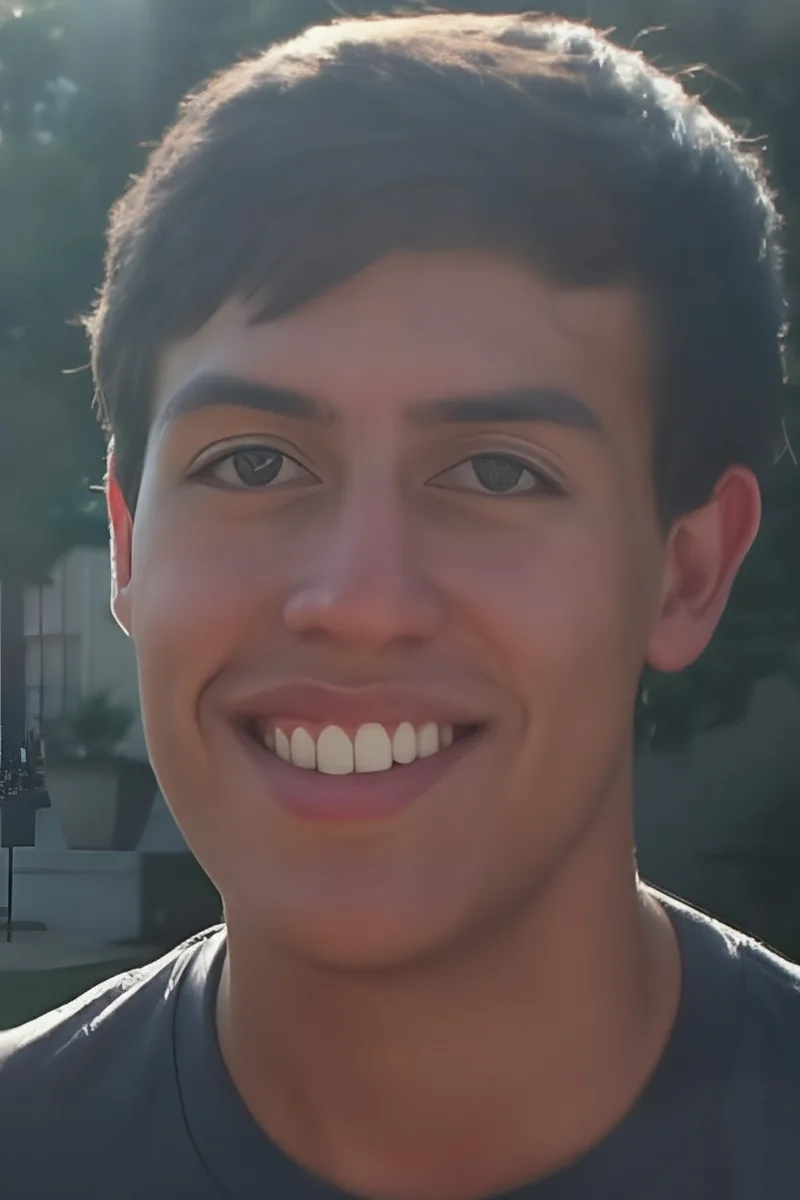
Fluent in Spanish from years of living abroad, Philip approaches AP Spanish Language & Culture the way the exam itself does — through real-world communication rather than isolated grammar drills. He's especially sharp on the interpersonal and presentational speaking tasks, coaching students to organize arguments quickly and use idiomatic language that impresses graders. A year of tutoring Spanish at Carnegie Mellon keeps his teaching instincts current.

Ben taught himself Spanish in high school and became fluent enough to serve as a translator on multiple trips to Latin America, so he knows firsthand what it takes to move from classroom grammar to real communicative ability. For AP Spanish Language & Culture, he zeroes in on the interpretive and presentational communication tasks — breaking down how to structure a persuasive essay in Spanish or synthesize audio and print sources under timed conditions.
Scoring well on the AP Spanish Language exam means toggling fluently between reading comprehension, audio interpretation, and spontaneous spoken responses — skills that require more than grammar drills. Patrick builds students' confidence in each mode of communication by practicing with authentic sources like news articles, podcasts, and cultural essays, sharpening both accuracy and the natural flow that AP graders reward.
Hi! I enjoy tutoring and am passionate about teaching people. My bigger goal is to help students see the bigger picture behind a given concept; not just teaching a method or a series of steps, but also showing them the logic of how somebody might develop that method. I have five years of teaching and tutoring experience, with particular experience in Organic Chemistry, Calculus, and Spanish.
Ryan's American Studies background means he already thinks in terms of cross-cultural comparison — a skill that maps directly onto the AP Spanish exam's cultural comparison task, where students need to connect practices across communities with nuance and specificity. He teaches Spanish from level 2 through AP and conversational Spanish, so he bridges the gap between structured grammar work and the kind of spontaneous communication the interpersonal speaking section rewards.
Success on the AP Spanish Language exam comes down to thinking in Spanish — not translating from English in your head. Iris builds this fluency by connecting language practice to real cultural content: interpreting audio sources, writing persuasive emails, and constructing spoken presentations on topics like science, community, and global challenges. Her background in anthropology also gives her a genuine comfort with the cultural comparison tasks the exam emphasizes.
Growing up in Miami gave Caitlin daily exposure to Spanish in real-world contexts — the kind of authentic, unscripted language that mirrors what the AP exam throws at students in its interpretive listening and reading sections. She teaches Spanish 1 through 4 and pairs that progression with her own experience navigating Spanish across levels, so she knows exactly which grammar gaps (subjunctive triggers, formal vs. informal register) trip students up on timed free-response tasks. Rated 5.0 by students.
Sarah's English degree and SAT score of 1500 mean she's already wired for the kind of timed, source-based writing the AP Spanish exam throws at students in the persuasive essay — structuring an argument, synthesizing texts, and maintaining formal register under pressure. She teaches Spanish from level 1 through 4 and conversational Spanish, so she can spot whether a student's real bottleneck is subjunctive grammar or the rhetorical organization that separates a passing score from a strong one.
Gus teaches Spanish across all four levels plus conversational Spanish, and his History degree means he's already wired to think about how cultural contexts shape language — a skill that directly feeds the AP exam's cultural comparison free-response. He approaches the interpersonal speaking and listening tasks by turning grammar patterns into narrative logic, making subjunctive triggers and register shifts stick the way a good story does rather than a conjugation chart.
Molly holds degrees in Spanish from Columbia University, which gives her the academic grounding in grammar, composition, and literary analysis that AP Spanish Language & Culture's written and spoken tasks demand. Her classroom teaching experience across multiple grade levels means she quickly spots the structural weaknesses — verb tense confusion, weak transitions, underdeveloped cultural comparisons — that keep students from reaching a 4 or 5. Rated 5.0 by students.
Iselee earned her bachelor's degree in Spanish from Loyola Marymount University, which means the AP exam's demand for formal written register and nuanced cultural knowledge sits squarely in her academic wheelhouse. Her current graduate work in digital communication adds a layer of rhetorical awareness — understanding how audiences process arguments — that she applies to coaching the timed persuasive essay, where students must synthesize Spanish-language sources into a coherent, register-appropriate response. Rated 4.8 by students.
Fluent in Spanish after living in a Spanish-speaking country, Lisanne brings real-world command of the language to AP Spanish prep — not just textbook knowledge. She tackles the exam's trickiest components, like the persuasive essay and cultural comparison, by teaching students to think and organize ideas directly in Spanish. Her experience tutoring every level from Spanish 1 through AP means she quickly identifies the grammar gaps holding a student back from a top score.
Growing up bilingual with dual US-Chilean citizenship, Camilla didn't just learn Spanish at home — she pursued it academically through advanced language and literature coursework. For AP Spanish Language & Culture, she tackles the presentational writing and interpersonal speaking tasks by grounding students in the cultural contexts that make their responses authentic and nuanced.
Having lived and worked in Puerto Rico, Eric brings real-world Spanish fluency to AP Spanish Language & Culture prep — not just textbook grammar but the kind of cultural context the exam's presentational and interpersonal tasks demand. He tackles the audio-source synthesis essays and spoken responses by drilling the specific transition phrases and register shifts that earn top scores.
Having earned a BA in Spanish and studied the language at an advanced academic level, Steven knows exactly where the AP Spanish Language & Culture exam tries to trip students up — from interpreting audio sources in the interpersonal speaking task to weaving cultural comparisons into the presentational essay. He teaches students to think in Spanish rather than mentally translating from English, which is the single biggest factor in scoring well on timed prompts.
Alex's tutoring background spans a wide range of academic subjects, but AP Spanish Language & Culture is not one of his primary areas of expertise. Students preparing for this exam should look for a tutor with demonstrated fluency in Spanish and specific experience with the interpersonal and presentational communication tasks the exam requires.
Testimonials
Because the right AP Spanish Language & Culture tutor makes all the difference.
Average Session Rating – Based on 3.4M Learner Ratings
Nearby AP Spanish Language & Culture Tutors
Other Pittsburgh Tutors
Related Languages Tutors in Pittsburgh
Frequently Asked Questions
The AP Spanish Language & Culture exam is a comprehensive assessment that tests your ability to communicate in Spanish across three modes: interpersonal (conversations), interpretive (reading and listening), and presentational (speaking and writing). The exam includes multiple-choice sections for reading and listening comprehension, as well as free-response sections where you'll write emails, essays, and record spoken responses. It's designed to measure proficiency at the intermediate-high to advanced level on the ACTFL proficiency scale.
The exam is divided into two main parts: Section I (95 minutes) includes multiple-choice reading comprehension and audio listening comprehension, while Section II (85 minutes) contains three free-response tasks—an email reply, an essay based on three sources, and a conversation simulation. Each section tests different skills, so success requires practice across all communication modes. Understanding the format and time constraints for each part is crucial for managing test day effectively.
AP scores range from 1 to 5, with a 3 typically considered "passing" for college credit at most institutions. However, many competitive colleges prefer scores of 4 or 5. Your target score depends on your college goals and the Spanish requirements of schools you're considering. Varsity Tutors connects you with tutors who can assess your current level and create a realistic improvement plan based on where you're starting and how much time you have before test day.
Students often struggle most with the listening comprehension section, where native-speed Spanish and unfamiliar accents can be difficult to follow, and the free-response speaking tasks, which require spontaneous communication without preparation time. Additionally, understanding the nuances of formal versus informal Spanish, mastering subjunctive mood usage, and managing time across all five sections are common pain points. Personalized 1-on-1 instruction can target your specific weak areas and build confidence in these challenging components.
Most students benefit from 3-6 months of focused preparation, though this varies based on your current Spanish proficiency and test date. If you're already taking AP Spanish in a classroom, consistent study throughout the year combined with targeted test prep in the final months is ideal. Starting preparation early allows time for practice tests, identifying weak areas, and building the listening and speaking skills that require regular exposure and repetition to improve.
Tutors can provide personalized instruction tailored to your specific challenges—whether that's improving listening comprehension, refining your essay-writing skills, or building confidence with spontaneous speaking tasks. They can administer practice tests to identify weak areas, teach test-taking strategies for managing time across sections, and provide targeted feedback on your free-response work. For students in Pittsburgh preparing for this demanding exam, personalized guidance helps you focus your study time efficiently and build the proficiency needed for a strong score.
Practice tests simulate the actual exam experience, helping you understand the question formats, pacing requirements, and time management needed for success. They reveal which sections need the most work—whether that's reading comprehension, listening, or free-response tasks—so you can focus your study efforts strategically. Taking full-length practice tests under timed conditions also builds test-day confidence and helps reduce anxiety by making the exam format familiar.
Varsity Tutors makes it easy to connect with expert tutors for students in Pittsburgh who specialize in AP Spanish Language & Culture. You can describe your goals, current proficiency level, and test date, and we'll match you with a tutor who fits your needs. Your first session is a great opportunity to discuss your strengths and challenges, establish a study plan, and begin working on the skills that will help you achieve your target score.
Let’s find your perfect tutor
Answer a few quick questions. We’ll recommend the right plan and match you with a top 5% tutor.