Award-Winning English Tutors
serving Rochester, NY
English
Tutors in Rochester
Private 1-on-1 tutoring, weekly live classes for academic support, test prep & enrichment, practice tests and diagnostics, and more to elevate grades and test scores.
Based on 3.4M Learner Ratings
UniversitiesSchools & Universities
DeliveredHours Delivered
ProficiencyGrowth in Proficiency
Who needs tutoring?
No obligation. Takes ~1 minute.

Mica's dual Stanford degrees in Science, Technology, and Society and Anthropology required constant analytical writing across disciplines — synthesizing research, building arguments from complex sources, and adapting tone for different academic audiences. That cross-disciplinary range means she can tackle everything from thesis construction and close reading to grammar mechanics, whether a student is working on a literary analysis or a personal narrative. Rated 5.0 by students.
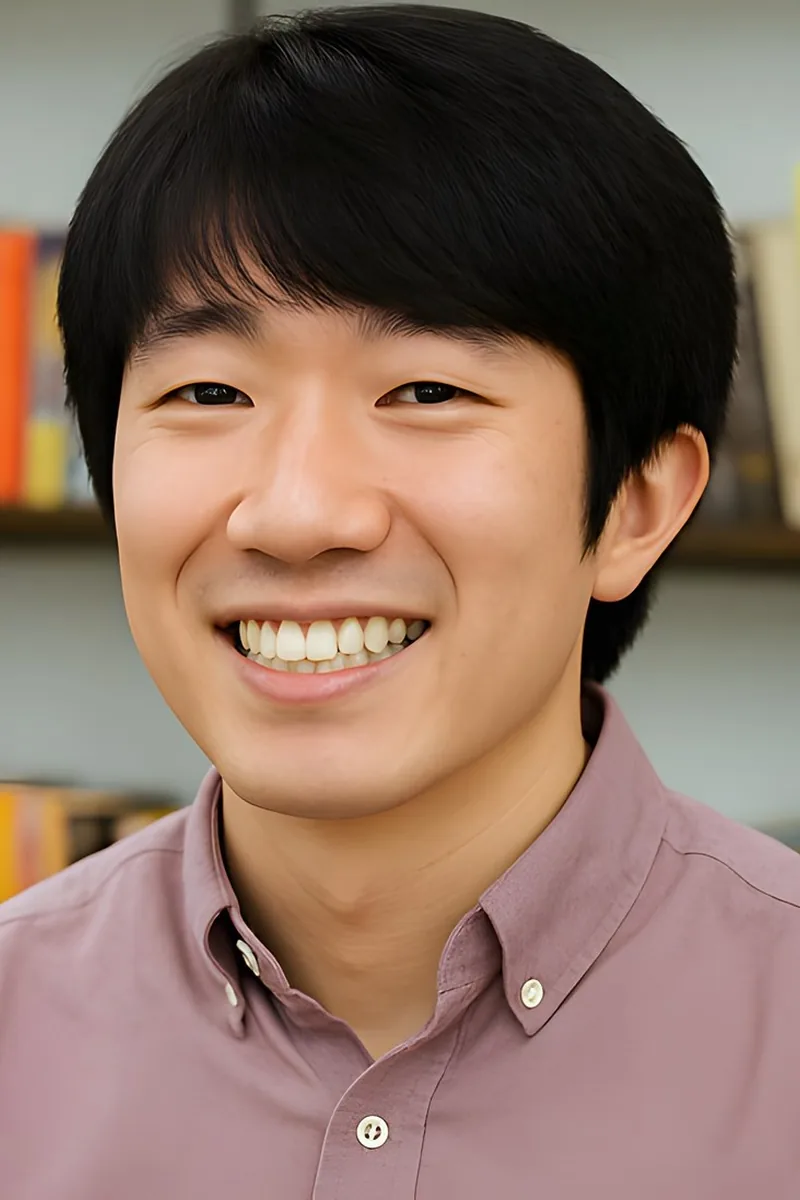
Reading a poem and reading a patient chart require the same core skill: pulling meaning from dense, carefully chosen language. Andrew's anthropology background trained him to analyze texts for argument structure, cultural context, and rhetorical strategy — tools he now applies when walking students through close readings, thesis development, and literary analysis essays.
Engineering lab reports and research papers demand something most people don't associate with STEM — ruthlessly clear prose, precise word choice, and arguments that hold up under scrutiny. Wesley's biomedical engineering training at UC Irvine and graduate research at Rochester built exactly those writing muscles, which he now applies to grammar mechanics, essay organization, and revision strategy for English students.
Ben's pre-dental track at the University of Rochester means he's constantly writing — lab reports, research summaries, application essays — all demanding the kind of grammatical precision and clear argumentation that English courses test. He also tutors college essays and literature, so he can move fluidly between helping a student untangle a run-on sentence and coaching them through a close reading of a novel. Rated 4.5 by students.
Strong writing starts with knowing how to build an argument, and Sophia's dual background in history and creative writing at Vanderbilt sharpened that skill from both sides — analytical and narrative. She tackles everything from thesis construction and textual evidence integration to the grammar-level mechanics that make a paragraph actually flow.
Studying both classical music performance and international relations at McGill gives Isabel an unusual skill set for English — she reads texts the way she reads a score, attending to structure, tone, and the choices behind every detail. That dual lens makes her especially effective at teaching close reading and analytical essay writing, where students need to move from noticing patterns to articulating arguments clearly on the page.
Reading a poem, analyzing an argument, and drafting a clear paragraph all require the same underlying skill: paying close attention to how language creates meaning. Mimi's interdisciplinary training — art history at Dartmouth, education at Harvard — sharpened her ability to teach close reading and analytical writing as connected practices rather than separate assignments. She's particularly effective at showing students how to move from a vague reaction to a text toward a specific, evidence-backed interpretation.
Nina's Northwestern liberal arts education required extensive essay writing, close reading, and literary analysis alongside her science coursework. She's particularly strong at teaching thesis development and paragraph-level organization — showing students how to move from a vague reaction to a text into a specific, well-supported argument.
Reid's sociology background at Wesleyan trained him to read texts critically and argue from evidence, which is exactly what English courses demand once students move past basic comprehension. He digs into thesis construction, close reading of literary and nonfiction passages, and the revision process that turns rough drafts into polished essays.
Running a tutoring program at a charter school meant Liz saw every kind of English learner — the reluctant reader, the student who could discuss a novel but froze during essays, the kid who needed phonics reinforcement alongside literary analysis. Her master's in special education sharpened her ability to adapt reading and writing instruction on the fly, matching the approach to how each student actually learns.
Reading a poem, dissecting an argument, crafting a thesis paragraph — English pulls together skills that look different on the surface but all require close attention to language. Solange, a Harvard graduate and avid reader and writer herself, teaches students to slow down with a text, identify what the author is actually doing, and translate that analysis into clear, structured writing of their own.
Between his philosophy coursework, college essay coaching, and literature teaching, Justin brings a surprising depth to English for someone whose degrees are in math and physics. He's particularly strong at teaching students how to build an argument in an essay — structuring a thesis, selecting textual evidence, and revising for clarity — skills he honed writing extensively through his doctoral program at the University of Chicago.
Between his literature background, essay editing experience, and a 1500 SAT, Daniel tackles English from multiple angles — close reading, analytical writing, and the mechanics that tie them together. He's especially effective at teaching students how to build a thesis from a text and support it with specific evidence rather than vague summary.
An avid reader and writer outside the classroom, Sabira treats English as a subject where analytical thinking and creativity reinforce each other. She walks students through close reading strategies — identifying tone, tracking themes, pulling textual evidence — and then applies those same skills to essay planning and revision. Her Johns Hopkins training in structured problem-solving translates surprisingly well to building a strong thesis argument.
College essays, literary analysis, and close reading all require the same core skill: making a clear argument backed by specific evidence. James sharpened this through years of writing lab reports and analytical papers at Harvard, and he now applies that structured thinking to help students craft sharper thesis statements and more persuasive prose. His 4.9 rating speaks to how well that analytical approach translates.
Between her psychology and linguistics degrees from UChicago, her work at literacy organization 826, and a perfect 1600 SAT, Sherry brings both analytical depth and practical teaching experience to English. She tackles everything from close reading and thesis development to grammar and syntax — connecting how language is structured to how students can wield it more effectively in their own writing.
Reading critically and writing clearly are skills Sung hones through a methodical approach: dissecting how an author builds an argument, then showing students how to mirror that structure in their own essays. His background in both literature and college essay coaching means he can move fluidly between analyzing a text's themes and helping a student craft a compelling written response. Rated 5.0 by students.
Between literature coursework, college essay coaching, and extensive technical writing, Zosia engages with English from multiple angles — close reading, argument construction, and revision craft. She's particularly effective at teaching students how to build a thesis that does real analytical work and then support it with textual evidence that goes beyond surface-level summary. Her writing-intensive Yale education gave her the tools to break down both fiction and nonfiction with precision.
Between editing college essays and analyzing literature, Josef approaches English as an exercise in building arguments — identifying a writer's purpose, tracing how evidence supports a claim, and crafting clear prose in response. His 1530 SAT score reflects strong command of reading comprehension and written expression, skills he now unpacks for students one concept at a time.
Most people don't expect an engineer to be strong in English, but Jai's 1590 SAT reflects serious reading comprehension and writing ability alongside his quantitative skills. He teaches essay structure and close reading with the same logical precision he applies to code — identifying a thesis, mapping an argument's evidence, and spotting where reasoning breaks down. Students preparing for AP English, college essays, or standardized-test passages get a tutor who treats writing as a craft with learnable mechanics.
NYU's Accelerated MAT program in Secondary English Education trains its residents by putting them in real classrooms daily — Jennifer is in the thick of that right now, teaching ELA to New York public school students while earning her master's. That immersion means she's constantly planning lessons around close reading, essay argumentation, and grammar instruction, and she brings that fresh, practitioner-level energy to tutoring sessions where students need to sharpen a specific skill rather than review everything at once.
Though math and science are his home base, Matthew's experience tutoring college essays and editing student writing gives him practical range in English. He approaches reading comprehension and written arguments analytically — teaching students to identify a passage's structure and build claims with evidence, skills that come naturally to someone trained in engineering problem-solving at Princeton.
A semester taking literature courses alongside native Spanish speakers at Madrid's top-ranked university gave Meghan practice reading closely under pressure and constructing arguments about texts in real time. She brings that same intensity to English tutoring, whether a student is annotating a novel for theme, structuring a thesis statement, or learning to use textual evidence that does more than just summarize. She holds a 5.0 rating.
Selected as one of Joyce Carol Oates's two thesis advisees at Princeton, Sash knows what it takes to read closely, argue persuasively, and write with genuine style — the three pillars of any English class. She tackles everything from thesis construction in analytical essays to unpacking figurative language in poetry, drawing on a deep background in literature, theater, and creative writing.
Philosophy training at Princeton sharpened Julie's ability to dissect an author's argument, trace thematic development, and construct airtight written analysis — exactly the skills that define strong English coursework. She teaches students to read actively, identifying rhetorical choices and structural patterns rather than just summarizing plot. Her AP English Literature and Composition experience makes her particularly effective with close reading and essay development.
Reading a novel and actually analyzing it are two very different skills, and Maya bridges that gap by teaching students to identify rhetorical strategies, track thematic development, and write claims that go beyond plot summary. Her Yale liberal arts training and seven years of tutoring readers at every level — including differently-abled learners — give her a wide toolkit to draw from.
Between her history degree and years of intensive reading across disciplines, Vivian brings a layered understanding of texts — she teaches students to identify an author's argument, trace how evidence builds across paragraphs, and write analytical responses that go beyond summary. Her background in standardized test English and essay editing means she's equally comfortable unpacking a novel's themes or tightening a student's thesis statement.
Reading comprehension and analytical writing sit at the center of Richard's own academic life as a Harvard government major, where every seminar requires close reading and persuasive argumentation. He teaches students to annotate strategically, identify an author's central claim quickly, and build thesis-driven paragraphs that go beyond summary.
Between his love of books, his writing practice, and three liberal arts degrees, Garrett lives in the world of language and argumentation daily. He tackles everything from paragraph structure and tone to deeper skills like synthesizing multiple sources into a cohesive argument — the kind of English proficiency that transfers into every other subject a student takes.
A published author with a degree in English, MaryAnn treats reading and writing as two sides of the same skill: the close-reading strategies she teaches for poetry and prose feed directly into stronger thesis statements, sharper textual evidence, and more cohesive essays. She's particularly effective at moving students from vague reactions — 'I liked the symbolism' — to specific, arguable claims grounded in the text.
From tutoring high school English in DC to counseling Yale freshmen on their writing, Tony has spent years unpacking how to build a clear argument on the page. He tackles essay structure, thesis development, and close reading of literary texts — teaching students to identify an author's choices and articulate why those choices matter.
Between editing at Stuyvesant and the reading-heavy core curriculum at UChicago, Brian has spent years dissecting texts for argument, tone, and structure. He unpacks reading comprehension by teaching students to identify an author's purpose and track how evidence builds across a passage. His writing instruction ties directly back to those analytical reading skills, so the two reinforce each other.
A strong English student reads critically and writes persuasively, and Allen treats those as linked skills — analyzing how an author builds an argument in a passage directly improves a student's own essay structure. He graduated magna cum laude from Yale with heavy reading and writing demands across political science and economics, so dissecting texts and crafting clear, evidence-driven prose is second nature. Rated 5.0 by students.
Between her journalism degree and her Columbia American Studies MA, Michelle has spent years pulling apart how language works — from close reading and thesis construction to analyzing rhetoric in everything from essays to speeches. She's the kind of tutor who can strengthen a student's argument structure in one session and untangle their comma usage in the next.
Reading a poem or a novel closely is, at its core, an exercise in interpretation — and Moon spent an entire philosophy degree learning how to build and defend interpretations of difficult texts. He brings that rigor to English, whether a student is unpacking symbolism in *The Great Gatsby* or structuring a thesis-driven literary analysis essay. Rated 5.0 by students.
Strong English skills require reading like a writer — noticing how authors build arguments, use evidence, and make stylistic choices. Emma sharpens these analytical habits through close reading exercises and structured essay feedback, drawing on her experience tutoring literature, writing, and SAT Reading. Her 1550 SAT score speaks to the kind of precise textual analysis she brings to every session.
Between her African and African American Studies degree and her current Master's in Narrative Medicine at Columbia, Camille lives at the intersection of close reading and real-world storytelling. She unpacks everything from essay structure and argument development to poetry analysis, connecting the mechanics of language to the meaning a writer is trying to build.
Studying linguistics at Penn meant Nicholas spent years analyzing how language constructs meaning — a skill he now brings to close reading, thesis development, and argument structure in English coursework. Whether a student is untangling a dense passage or revising an essay draft, he pinpoints exactly where clarity breaks down and shows how to fix it.
Reading a novel and actually analyzing it are two different skills, and Rachel bridges that gap by teaching students to identify how authors use structure, tone, and figurative language to build meaning. Her history training makes her especially good at placing texts in context — understanding why a piece was written matters as much as what it says. She covers everything from close reading and thesis development to crafting literary analysis essays that go beyond plot summary.
Years of revising essays with students — from college application narratives to literary analysis — taught Julia that strong English skills come from reading like a writer: noticing structure, word choice, and argument. She connects close-reading techniques to students' own drafting process so that analyzing a passage and composing one start to feel like the same skill. Rated 4.8 by students.
Testimonials
Because the right English tutor makes all the difference.
Average Session Rating – Based on 3.4M Learner Ratings
Other Rochester Tutors
Related English Tutors in Rochester
Frequently Asked Questions
The first session is an opportunity to understand your specific needs and goals. A tutor will assess your current reading, writing, or speaking skills, discuss any challenges you're facing—whether that's essay structure, comprehension, or test preparation—and create a personalized plan tailored to your learning style. This foundation helps ensure every session after builds toward meaningful progress.
Students often struggle with essay organization and thesis development, reading comprehension across different text types, and grammar mechanics in their writing. Many also find it challenging to balance multiple writing assignments while maintaining clarity and voice. Personalized tutoring addresses these specific gaps rather than generic classroom instruction, allowing tutors to focus on exactly where a student needs support.
One-on-one instruction lets tutors provide detailed feedback on your drafts, help you develop stronger thesis statements, and teach revision strategies that stick. Instead of waiting for teacher feedback on one essay every few weeks, you get immediate, targeted guidance on your actual writing. This consistent practice with expert feedback accelerates improvement in clarity, organization, and voice.
Yes. Varsity Tutors connects you with tutors who understand New York State standards and the specific expectations across Rochester's 25 school districts. Whether you're working on grade-level skills, preparing for Regents exams, or exploring advanced literature, tutors align their instruction with what your school requires while personalizing the approach to your needs.
Absolutely. Tutors work with you on active reading strategies, annotation techniques, and how to identify main ideas and supporting evidence across different text types—novels, essays, poetry, and nonfiction. They help you move beyond surface-level understanding to deeper analysis, which is essential for class discussions, essays, and standardized tests. Regular practice with guided feedback builds confidence and speed.
Yes. Tutors can prepare you for Regents exams, SAT/ACT reading and writing sections, AP English, or other assessments. They focus on test-specific strategies—like time management, understanding question types, and essay scoring rubrics—while strengthening the underlying skills. This combination of targeted test prep and foundational skill-building leads to measurable score improvement.
With a student-teacher ratio of 12.8:1 in Rochester schools, classroom instruction often can't address individual writing styles, learning paces, or specific gaps. Personalized tutoring focuses entirely on your needs—whether you need to slow down and master fundamentals or accelerate to advanced concepts. Tutors also provide frequent feedback on your actual work, which is harder to do in a classroom setting.
Varsity Tutors connects you with qualified tutors based on your specific goals, availability, and learning preferences. You can start by sharing what you'd like to work on—whether that's essay writing, reading skills, test prep, or something else—and we'll match you with someone who fits your needs. Most students have their first session within days of connecting.
Let’s find your perfect tutor
Answer a few quick questions. We’ll recommend the right plan and match you with a top 5% tutor.