Award-Winning English Tutors
serving Brooklyn, NY
English
Tutors in Brooklyn
Private 1-on-1 tutoring, weekly live classes for academic support, test prep & enrichment, practice tests and diagnostics, and more to elevate grades and test scores.
Based on 3.4M Learner Ratings
UniversitiesSchools & Universities
DeliveredHours Delivered
ProficiencyGrowth in Proficiency
Who needs tutoring?
No obligation. Takes ~1 minute.

Reid's sociology background at Wesleyan trained him to read texts critically and argue from evidence, which is exactly what English courses demand once students move past basic comprehension. He digs into thesis construction, close reading of literary and nonfiction passages, and the revision process that turns rough drafts into polished essays.
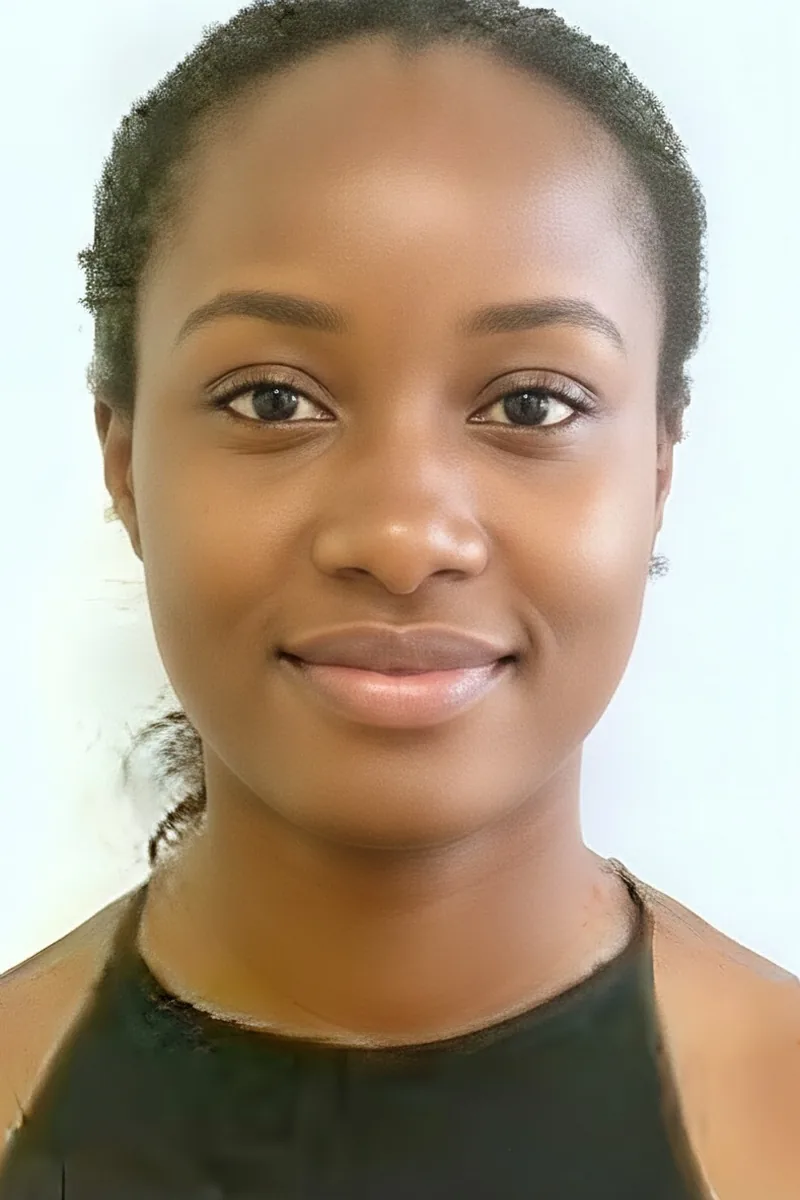
Reading a poem, dissecting an argument, crafting a thesis paragraph — English pulls together skills that look different on the surface but all require close attention to language. Solange, a Harvard graduate and avid reader and writer herself, teaches students to slow down with a text, identify what the author is actually doing, and translate that analysis into clear, structured writing of their own.
An avid reader and writer outside the classroom, Sabira treats English as a subject where analytical thinking and creativity reinforce each other. She walks students through close reading strategies — identifying tone, tracking themes, pulling textual evidence — and then applies those same skills to essay planning and revision. Her Johns Hopkins training in structured problem-solving translates surprisingly well to building a strong thesis argument.
Between his literature background, essay editing experience, and a 1500 SAT, Daniel tackles English from multiple angles — close reading, analytical writing, and the mechanics that tie them together. He's especially effective at teaching students how to build a thesis from a text and support it with specific evidence rather than vague summary.
Philosophy training at Princeton sharpened Julie's ability to dissect an author's argument, trace thematic development, and construct airtight written analysis — exactly the skills that define strong English coursework. She teaches students to read actively, identifying rhetorical choices and structural patterns rather than just summarizing plot. Her AP English Literature and Composition experience makes her particularly effective with close reading and essay development.
Reading a novel and actually analyzing it are two very different skills, and Maya bridges that gap by teaching students to identify rhetorical strategies, track thematic development, and write claims that go beyond plot summary. Her Yale liberal arts training and seven years of tutoring readers at every level — including differently-abled learners — give her a wide toolkit to draw from.
Three years of formal tutoring experience in the New York City area sharpened Ian's ability to teach reading comprehension, thesis development, and close textual analysis across grade levels. As a Yale student who scored 1550 on the SAT, he knows how to break down a dense passage and build a clear, evidence-driven argument — skills that carry from English class straight through to standardized tests.
Reading comprehension and clear writing reinforce each other, and Noah treats them as two sides of the same skill. His experience tutoring over 60 students in SAT Reading and essay writing — plus a philosophy degree that required constant close analysis of dense texts — means he can pinpoint exactly where a student's reading breaks down and teach them to articulate what they've understood in precise, organized prose.
A strong English student reads critically and writes persuasively, and Allen treats those as linked skills — analyzing how an author builds an argument in a passage directly improves a student's own essay structure. He graduated magna cum laude from Yale with heavy reading and writing demands across political science and economics, so dissecting texts and crafting clear, evidence-driven prose is second nature. Rated 5.0 by students.
Reading a poem or a novel closely is, at its core, an exercise in interpretation — and Moon spent an entire philosophy degree learning how to build and defend interpretations of difficult texts. He brings that rigor to English, whether a student is unpacking symbolism in *The Great Gatsby* or structuring a thesis-driven literary analysis essay. Rated 5.0 by students.
Between her journalism degree and her Columbia American Studies MA, Michelle has spent years pulling apart how language works — from close reading and thesis construction to analyzing rhetoric in everything from essays to speeches. She's the kind of tutor who can strengthen a student's argument structure in one session and untangle their comma usage in the next.
Reading a novel and actually analyzing it are two different skills, and Rachel bridges that gap by teaching students to identify how authors use structure, tone, and figurative language to build meaning. Her history training makes her especially good at placing texts in context — understanding why a piece was written matters as much as what it says. She covers everything from close reading and thesis development to crafting literary analysis essays that go beyond plot summary.
A philosophy degree is essentially an English degree with higher argumentative standards — three years of close reading, thesis construction, and rigorous revision. Lucas applies that training to English coursework by teaching students how to unpack a text's structure, develop a clear interpretive claim, and support it with specific textual evidence. He scored a 1480 on the SAT, with particular strength in the reading and writing sections.
Close reading is second nature to someone trained in Classics, where a single word choice in a poem or speech can shift an entire interpretation. Sarah applies that same analytical rigor to English coursework, teaching students how to build a thesis from textual evidence and write essays that argue rather than summarize.
From Shakespeare to contemporary American lit, Dana's reading list spans centuries, and her public policy training at the college level sharpened her ability to build tight, evidence-driven arguments. She teaches students to move from close reading — pulling apart an author's word choice, tone, and structure — into essays that make a clear, defensible claim.
Running a startup means writing pitch decks, investor memos, and internal communications where every sentence has to earn its place — David brings that same precision to English tutoring, especially around thesis construction and argumentative writing. His economics and MBA background at the University of Chicago sharpened his ability to break down dense texts and build clear, structured prose, skills he now applies to everything from literary analysis to grammar mechanics.
An avid reader of literature and criticism in his spare time, Duncan approaches English as an exercise in building and defending interpretations — not just summarizing plots. His UChicago training in close reading and argumentative writing translates directly into stronger essays, sharper textual analysis, and more confident class discussions.
Anna started a humanities blog during college specifically to dig deeper into literature and analytical writing, and that habit of close reading carries into her tutoring. She walks students through thesis development, textual evidence selection, and paragraph-level structure so essays move from summary to genuine argument. Her SAT score of 1510 reflects the same verbal and analytical strengths she brings to English instruction.
Reading closely and writing clearly are two sides of the same coin, and Ben treats them that way — pulling apart an author's rhetorical choices in one session, then applying those same techniques to a student's own essay in the next. His English degree from Dartmouth and a year teaching abroad in France gave him practice breaking down everything from thesis construction to textual analysis across skill levels.
Reading comprehension and analytical writing share a common skill: figuring out what an author is actually arguing and why. Tameem teaches students to identify thesis statements, trace evidence through a passage, and build their own written arguments with clear structure — skills he refined through Cornell's writing-intensive economics curriculum.
Between her time at Phillips Exeter Academy and Brown, Violet developed sharp close-reading and analytical writing skills across poetry, fiction, and nonfiction. She teaches students how to build a thesis from textual evidence and structure essays that actually argue something, not just summarize. Rated 4.5 by students.
Between her literature coursework, essay editing experience, and fluency in both French and English, Manolya brings a multilingual awareness to English that sharpens how she teaches reading comprehension and written argument. She's particularly effective at walking students through thesis development and textual analysis — breaking a passage apart to find what the author is actually doing with language. Rated 5.0 by students.
Between her French literature coursework and college essay writing, Laura reads and analyzes texts constantly — identifying thesis arguments, evaluating an author's rhetorical choices, and building evidence-based interpretations. She walks students through close-reading strategies that sharpen both comprehension and analytical writing, whether the assignment is a novel response or a persuasive essay.
A Pomona College graduate who wrote extensively across religion, philosophy, and the humanities, Miranda knows how to teach the core skills that every English class tests: building a thesis, supporting it with textual evidence, and revising for clarity. She's particularly sharp at showing students how to move from surface-level plot summary to genuine analytical writing. Holds a 5.0 rating.
Between his Northwestern communications degree and years of writing, directing, and performing theater in New York, Harry brings a practitioner's understanding of how language works across forms — from close reading a novel to structuring a persuasive essay. He unpacks the connection between what a text is doing and how it's built, so students sharpen both their analytical reading and their own writing voice.
Reading critically and writing persuasively are skills Alexander sharpened through a European History degree at Johns Hopkins, where every assignment demanded close textual analysis and evidence-based argumentation. He brings that same rigor to English tutoring — whether a student is unpacking a novel's themes, structuring a literary essay, or learning to revise their own prose for clarity and impact. Rated 4.7 by students.
Samantha studied at Northwestern and spent years working in publishing, where she developed the close-reading instincts and revision skills that define strong English students. She digs into everything from thesis construction and textual analysis to the nuts and bolts of paragraph structure, tailoring each session to whether a student needs help interpreting a novel or polishing their own prose.
Between his EFL teaching experience in Nicaragua and his University of Michigan education in cognitive science and Latin American studies, Corey approaches English from multiple angles — close reading, argument construction, and clear written expression. He's especially sharp at helping students develop thesis statements that go beyond summary and build paragraphs with evidence that actually supports a claim. His 1430 SAT score reflects strong command of the reading and writing skills central to high school and college English coursework.
A background in both philosophy and theatre gives Tim an unusual double lens for English — he can unpack an argument's logical structure one moment and explore a character's motivation the next. Whether students are analyzing rhetoric in nonfiction or crafting a thesis about a novel, he teaches them to read like writers and write like critical thinkers.
Double-majoring in German and Philosophy at UCLA meant Willow spent four years doing almost nothing but close reading and argumentative writing — skills that sit at the core of every English class. She teaches students to dissect an author's choices at the sentence level, then build that analysis into essays with sharp, well-supported claims. Her 1440 SAT score speaks to the same verbal precision she brings to literary and compositional work.
Having written extensively for college essays and engineering reports, Abismael knows how to teach students to build a clear argument and support it with evidence — skills that transfer directly to literary analysis and persuasive writing. He pushes students to revise aggressively, treating each draft as a chance to sharpen thesis statements and tighten paragraph transitions.
Rebecca approaches English assignments the way she approaches scientific research: by teaching students to build an argument from evidence. Whether it's crafting a thesis statement for a literary analysis or tightening paragraph transitions in an essay, she zeroes in on the specific writing and reading skills that make the difference between a rough draft and a polished piece. Rated 4.8 by her students, she's particularly effective with those who consider themselves "more of a science person."
Between his personal love of reading and writing and his Harvard education training, Esteban treats English as an integrated discipline — close reading feeds better essays, and stronger grammar sharpens both. He's particularly effective at teaching literary analysis skills like identifying theme development, unpacking figurative language, and building text-supported arguments.
Switching from engineering to teaching gave Robert an unusual lens on English: he approaches reading comprehension and analytical writing as problem-solving exercises with identifiable structures. Students working through essay prompts or literature passages with him learn to break down what a question is really asking before they start writing — a skill that pays off across every English assignment.
Every English class eventually asks students to do two things: read something closely and write something clearly about it. Katarah's Literary Arts degree from Brown means she's spent years doing both at a high level — annotating texts for tone and structure, drafting analytical essays, and revising until every sentence earns its place. She brings that same precision to everything from poetry analysis to persuasive writing.
Reading a poem or novel closely and then translating that analysis into a clear, well-structured essay is a two-part skill most students only get taught in pieces. Jeanette bridges that gap, drawing on her comparative literature training to teach annotation strategies and thesis development as one connected process. Her background spans everything from phonics-level reading to college literary analysis.
Teaching English at the university level means Martin has read thousands of student essays and knows exactly where arguments fall apart — weak thesis statements, unsupported claims, transitions that don't actually connect ideas. He breaks the reading-to-writing pipeline into concrete skills: annotating a text for its argument structure, then building an original response that engages with evidence rather than summarizing it.
Reading closely and writing clearly are skills Aidan refined across two Penn degrees, where coursework ranged from literary analysis to economics case studies. He teaches students to build arguments from textual evidence, tighten their prose, and recognize how tone and structure shape meaning — whether they're working through a novel or drafting an analytical essay. Holds a 5.0 rating.
Reading comprehension, essay structure, vocabulary in context, phonics foundations — Mona's English tutoring spans the full range because she works with learners from kindergarten through college level. As a bilingual Arabic-English speaker with a 5.0 rating, she brings an intuitive understanding of how language rules click into place, especially for students who benefit from seeing English grammar explained rather than just memorized.
Victor brings an analytical framework to English that resonates with students who think of themselves as "math people" — he teaches them to treat thesis construction like building a proof and textual evidence like data. His own interests in reading and writing keep him grounded in the creative side of the subject, so essays end up both well-argued and engaging to read.
Testimonials
Because the right English tutor makes all the difference.
Average Session Rating – Based on 3.4M Learner Ratings
Other Brooklyn Tutors
Related English Tutors in Brooklyn
Frequently Asked Questions
Brooklyn students often struggle with reading comprehension, essay writing, and grammar mechanics—especially in a diverse district where many students are learning English as an additional language. With an average student-teacher ratio of 11.7:1 across the city's 103 school districts, classroom teachers have limited time to address individual writing gaps or provide detailed feedback on essays. Personalized tutoring helps students build confidence in these core areas through targeted practice and one-on-one feedback.
In a classroom setting, teachers must pace lessons for 20+ students with varying skill levels, making it hard to address each student's specific needs. Personalized 1-on-1 instruction allows tutors to focus entirely on your student's writing style, reading comprehension gaps, or grammar challenges—and adjust their approach based on what works best for that individual learner. This targeted approach typically leads to faster progress and more confident writers and readers.
Yes. Varsity Tutors connects you with expert tutors who understand New York State English Language Arts standards and the specific curriculum frameworks used across Brooklyn's school districts. Whether your student needs support with Common Core-aligned reading and writing skills, test preparation for state assessments, or advanced literary analysis, tutors tailor instruction to match grade-level expectations and your student's school requirements.
Strong writing develops through consistent practice, targeted feedback, and revision—things that are difficult to prioritize in crowded classrooms. Tutors work with students on essay structure, thesis development, evidence integration, and editing skills through personalized assignments and detailed feedback on their actual writing. Over time, students internalize these skills and apply them across all their classes.
Reading comprehension challenges often stem from weak vocabulary, difficulty with inference, or unfamiliarity with different text types. Tutors use targeted strategies like close reading, annotation techniques, and guided questioning to help students break down complex texts and understand deeper meaning. With consistent practice on age-appropriate materials, students build confidence and see measurable improvement in standardized test scores and classroom performance.
The first session is an assessment and relationship-building opportunity. The tutor will discuss your student's current strengths, specific challenges, and goals—whether that's improving essay grades, preparing for the SAT or ACT, or building reading fluency. They'll gather information about your student's learning style and any classroom materials or assignments to review, then create a personalized plan for the next sessions.
Yes. Varsity Tutors connects students with tutors across all grade levels—from elementary reading and writing foundations through high school AP Literature and college-level writing. Whether your student needs help with phonics and comprehension in elementary school, essay writing and literary analysis in middle or high school, or test prep for the SAT/ACT, there are expert tutors available for every stage of English development.
Absolutely. The reading and writing sections of the SAT and ACT require specific skills and test-taking strategies that differ from classroom English work. Tutors help students understand question types, manage time effectively, build vocabulary for standardized tests, and practice with real test materials. With targeted preparation, students typically see meaningful score improvements in both reading comprehension and grammar-focused sections.
Let’s find your perfect tutor
Answer a few quick questions. We’ll recommend the right plan and match you with a top 5% tutor.