Award-Winning AP Spanish Language & Culture Tutors
serving Rochester, NY
AP Spanish Language & Culture
Tutors in Rochester
Private 1-on-1 tutoring, weekly live classes for academic support, test prep & enrichment, practice tests and diagnostics, and more to elevate grades and test scores.
Based on 3.4M Learner Ratings
UniversitiesSchools & Universities
DeliveredHours Delivered
ProficiencyGrowth in Proficiency
Who needs tutoring?
No obligation. Takes ~1 minute.
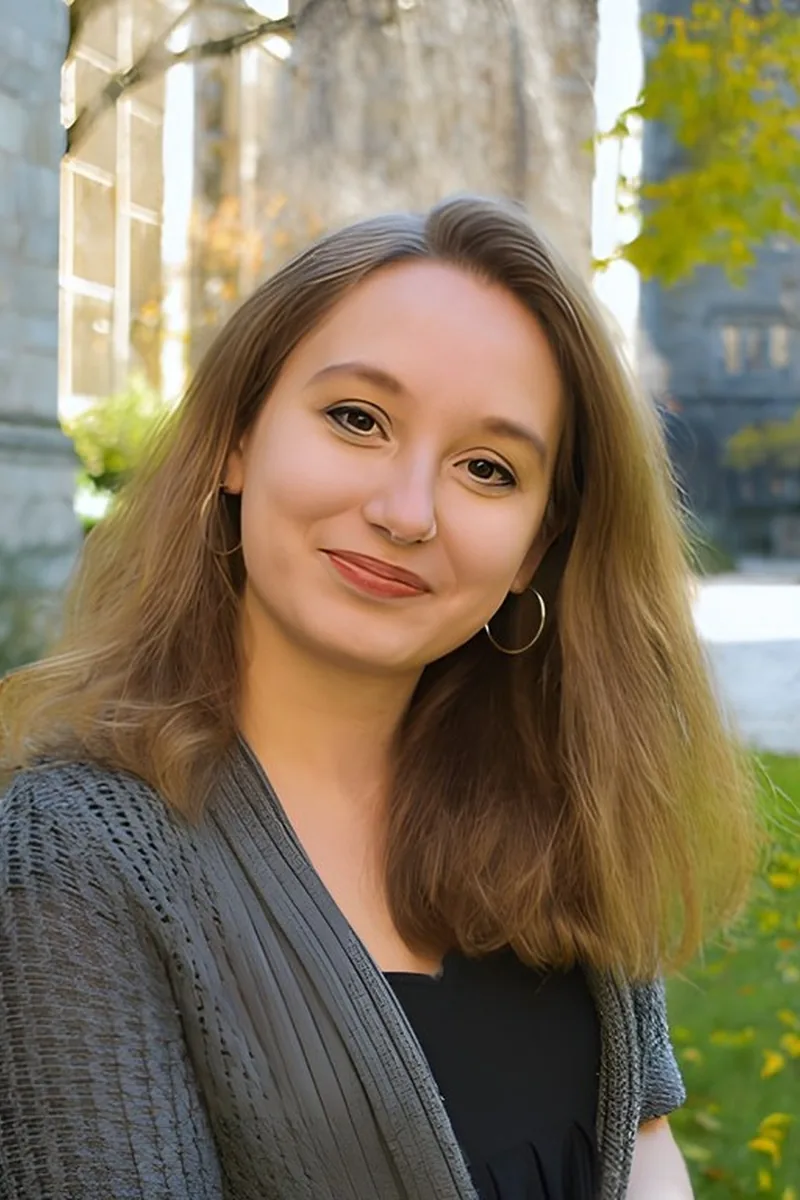
While Spanish isn't Vivian's primary teaching area, her extensive experience with standardized test prep and essay writing transfers directly to the AP Spanish Language exam's presentational writing and interpersonal communication tasks. She brings a structured, strategy-first approach to tackling the exam's source-comparison essays and audio-response prompts.

Scoring well on the AP Spanish Language & Culture exam means toggling between interpersonal conversation, presentational writing, and audio-source synthesis — often in the same sitting. Heather's deep Spanish background, built through years of advanced coursework and one-on-one tutoring, means she can drill the specific skills each task type demands. She's particularly strong at coaching students through the persuasive essay, where organizing an argument in Spanish trips up even strong speakers.
Corey trained as a total immersion instructor through the Ann Arbor Language Partnership and taught communicative Spanish in public schools for two years before moving to Nicaragua, where he used Spanish daily in professional and community settings. That real-world fluency shows up in how he prepares students for AP Spanish Language — tackling interpersonal speaking prompts, persuasive essays, and audio-source synthesis with the kind of cultural nuance the exam rewards. His background in cognitive science also informs how he teaches listening comprehension strategies that actually stick.
Being Colombian and fully bilingual, Esteban doesn't just teach Spanish — he thinks, writes, and jokes in it daily. For AP Spanish Language & Culture, that native fluency matters: he coaches students through the interpersonal speaking tasks, persuasive essays, and audio-source questions using authentic cultural contexts from across the Spanish-speaking world. His 4.9 rating speaks to how effectively he prepares students for both the language mechanics and the cultural comparisons the exam demands.
Pursuing a language citation in Spanish at Harvard while studying African American Studies, Gabriela tackles the AP exam's cultural comparison task with a cross-cultural analytical instinct baked into her daily coursework. She teaches Spanish from level 1 through 4 and conversational Spanish, so she can zero in on whether a student needs to shore up subjunctive mechanics or sharpen their ability to construct a timed persuasive essay in formal register. Rated 5.0 by students.
Ryan's American Studies background means he already thinks in terms of cross-cultural comparison — a skill that maps directly onto the AP Spanish exam's cultural comparison task, where students need to connect practices across communities with nuance and specificity. He teaches Spanish from level 2 through AP and conversational Spanish, so he bridges the gap between structured grammar work and the kind of spontaneous communication the interpersonal speaking section rewards.
Gus teaches Spanish across all four levels plus conversational Spanish, and his History degree means he's already wired to think about how cultural contexts shape language — a skill that directly feeds the AP exam's cultural comparison free-response. He approaches the interpersonal speaking and listening tasks by turning grammar patterns into narrative logic, making subjunctive triggers and register shifts stick the way a good story does rather than a conjugation chart.
Having studied Spanish as part of his undergraduate degree and continuing to teach it from introductory levels through AP alongside conversational practice, Adam knows exactly where students plateau — and it's usually the jump from classroom grammar to the timed, register-aware writing the AP exam actually scores. His history background also sharpens the cultural comparison task, where connecting Spanish-speaking communities' practices to broader historical context turns a generic response into a compelling one.
While AP Spanish Language & Culture isn't Orlando's primary teaching area, his background in the arts and economics gives him a strong handle on the interpretive and presentational communication skills the exam demands — particularly the persuasive essay and cultural comparison tasks. He approaches language study with the same analytical rigor he brings to his core subjects, breaking down source materials and building argument structure.
Hillel's geology research on Antarctic ice sheet dynamics — conducted partly through Spanish-language scientific literature — gives him a practical connection to the formal register and academic vocabulary the AP exam's persuasive essay demands. He also teaches conversational Spanish and Hebrew, so he's comfortable switching between languages and coaching students through the interpersonal speaking tasks where real-time fluency matters most. Rated 5.0 by students.
The AP Spanish Language & Culture exam demands more than vocabulary — it requires constructing persuasive arguments in Spanish and interpreting authentic audio sources on the fly. Isabelle's multilingual background and experience as a private language tutor abroad give her practical fluency in coaching students through the interpersonal speaking tasks and cultural comparison essays that determine exam scores.
This isn't Katie's core subject — her degrees are in biomedical and biological engineering from Cornell, and her teaching load leans heavily toward STEM, history, and English. That said, her engineering training built the kind of systematic, pattern-based thinking that can help break down Spanish grammar structures and exam strategies for students who need a more analytical approach to language learning.
The AP Spanish Language & Culture exam tests whether students can actually think in Spanish — synthesizing audio clips, reading articles, and writing persuasive essays all under time pressure. Adam teaches across multiple levels of Spanish and understands how to bridge the gap between classroom grammar and the real-world fluency the exam rewards. He zeroes in on the presentational writing and speaking tasks where most points are won or lost.
Clio also teaches the SAT Subject Test in Spanish with Listening, which means she's comfortable with both audio comprehension and timed response strategies that overlap heavily with the AP exam's interpretive listening and interpersonal speaking sections. Her film studies background at Columbia adds an unexpected edge — analyzing narrative structure and authorial intent in visual media trains the same close-reading instincts the exam's source-synthesis persuasive essay rewards. Rated 5.0 by students.
Growing up as a native Spanish speaker and then studying Spanish literature at Amherst College gave Alvaro fluency across both casual conversation and the formal academic register the AP exam's persuasive essay and presentational speaking tasks demand. His work as a freelance translator sharpens the same skill the interpretive reading section tests — processing dense Spanish-language source material quickly and accurately. Rated 5.0 by students.
Jesus teaches Spanish across every level from 1 through 4, plus conversational and AP, which means he's watched students progress from basic conjugations to the kind of spontaneous, register-aware communication the AP exam actually tests. His creative writing background sharpens the presentational writing task specifically — structuring a persuasive essay in Spanish under time pressure is as much about rhetorical organization as it is about grammar. Rated 5.0 by students.
This isn't Vicquaja's primary lane — her background is in economics and math, not Spanish. But her analytical approach to pattern-based subjects means she can break down grammar systems like verb conjugations and subjunctive triggers as logical structures, which can be a useful complement for students who struggle with the rule-heavy side of AP Spanish prep.
Milan's double major in Computer Science and English might seem unrelated to Spanish, but teaching across six Spanish levels — from Spanish 1 through AP — means he knows exactly which grammar gaps trip students up on timed free-response tasks. His English background sharpens how he coaches the persuasive essay's argument structure, while his conversational Spanish teaching keeps the interpersonal speaking prep grounded in real communication rather than rehearsed scripts.
Growing up in Miami gave Caitlin daily exposure to Spanish in real-world contexts — the kind of authentic, unscripted language that mirrors what the AP exam throws at students in its interpretive listening and reading sections. She teaches Spanish 1 through 4 and pairs that progression with her own experience navigating Spanish across levels, so she knows exactly which grammar gaps (subjunctive triggers, formal vs. informal register) trip students up on timed free-response tasks. Rated 5.0 by students.
Native fluency changes everything in AP Spanish Language & Culture. Alex grew up speaking, reading, and writing Spanish at home, and his bilingual background means he can explain grammar from the inside — why the subjunctive feels natural in certain contexts, how register shifts between formal and informal speech, and what authentic source material actually sounds like. His English degree also sharpens the presentational writing and speaking skills the exam demands.
Hi, my name is Jorge and I am from Lima Peru. Most of my academic experience is related to Biomedical sciences, in the fields of Molecular Biology, Genetics, Biochemistry, Cell Biology and development. During my PhD, I had a proactive role organizing scientific symposiums and retreats. This trained my presentation skills to share my research in important scientific meetings in the US: I won best poster award at the Gordon Research Conference (GRC) in 2022 and was an invited speaker at Cold Spring Harbor meeting in 2023, among others. Besides my research experience, I have a strong commitment to improve higher education in STEM. Since 2020, I co-direct the Research Experience for Peruvian Undergrads (REPU) program, that provides international scientific internships to Peruvian undergrads in top universities in the US and Europe. I have the chance to mentor undergards in STEM. Additionally, I am a native Spanish speaker, which allowed me to give Spanish lessons to some students in the USA. I want to use my best of my abilities to support students and build a career for myself in Education.
Joshua teaches Spanish from level 1 through AP and pairs that with four levels of Latin, so he's used to thinking about how Romance languages borrow structures from their classical roots — a perspective that sharpens his explanations of tricky Spanish grammar like subjunctive triggers and conditional sequences. His 1600 SAT reflects the kind of precise reading and analytical writing skills that translate directly to the AP exam's source-synthesis and persuasive essay tasks.
Planning to minor in Spanish and study abroad in Madrid, Ryan brings real investment in the language to AP Spanish prep. He zeroes in on the presentational and interpersonal speaking tasks that tend to cost students the most points, drilling strategies for organizing spontaneous responses and weaving in cultural comparisons on the fly.
The AP Spanish exam's persuasive essay asks students to synthesize sources and argue in formal register — skills that Miguel's English degree sharpened on the analytical side, even though Spanish isn't his core teaching area. His computer science training adds a systematic, pattern-based approach to grammar structures like subjunctive triggers and pronoun placement that can make those rules feel less arbitrary. Rated 4.9 by students.
Richard earned the highest scores on the AP Spanish exam with listening after double-majoring in Spanish at Emory and studying in Spain. He tackles the presentational writing and interpersonal speaking tasks by drilling the idiomatic expressions, subjunctive constructions, and cultural references that push students from competent into the 4–5 scoring range.
I'm a native Spanish and English speaker. I graduated with Honors in Art History and Philosophy from the University of Chicago. As a trilingual, I easily understand the difficulties and processes involved in learning a new language! I have been teaching Spanish and English to students worldwide for years. I am passionate about teaching languages as I have been blessed by life-changing opportunities by speaking fluidly with people from other cultures.
Rebecca's anthropology degree trained her to analyze cultural practices across communities — the exact skill the AP Spanish exam's cultural comparison free-response prompt tests. She teaches Spanish at every level from 1 through 4 plus conversational, so she can diagnose whether a student's weak spot is grammar mechanics like subjunctive triggers or the higher-order task of building a nuanced argument in formal register. Her 1550 SAT score reflects the kind of disciplined, timed-test thinking she brings to AP prep.
Born in Colombia and raised speaking Spanish at home, Manuela brings native fluency to AP Spanish Language & Culture — but what sets her apart is her academic training in Romance Languages, which means she can explain the grammar rules she uses instinctively. She tackles the exam's trickiest components, like the persuasive essay and cultural comparison presentational speaking tasks, by drilling source synthesis and formal register. Her 5.0 rating speaks to how well that combination works.
Success on the AP Spanish Language exam comes down to thinking in Spanish — not translating from English in your head. Iris builds this fluency by connecting language practice to real cultural content: interpreting audio sources, writing persuasive emails, and constructing spoken presentations on topics like science, community, and global challenges. Her background in anthropology also gives her a genuine comfort with the cultural comparison tasks the exam emphasizes.
Testimonials
Because the right AP Spanish Language & Culture tutor makes all the difference.
Average Session Rating – Based on 3.4M Learner Ratings
Nearby AP Spanish Language & Culture Tutors
Other Rochester Tutors
Related Languages Tutors in Rochester
Frequently Asked Questions
The AP Spanish Language & Culture exam tests your ability to communicate in Spanish across three modes: interpersonal (conversations), interpretive (reading, listening, viewing), and presentational (speaking, writing). The exam includes multiple-choice sections on reading and listening comprehension, as well as free-response sections requiring you to write emails, essays, and give spoken presentations. Success requires not just grammar knowledge, but fluency in understanding authentic Spanish from various regions and cultural contexts.
Score improvement depends on your starting point and commitment level, but most students see meaningful gains—typically 1-3 points on the 5-point scale—with consistent, focused preparation. The biggest improvements come from targeted work on your weakest areas, whether that's listening comprehension, timed writing, or speaking fluency. Varsity Tutors connects you with expert tutors who can identify exactly where you're losing points and build a personalized study plan to address those gaps before test day.
Many students struggle with the listening and reading comprehension sections because they feature fast-paced, authentic Spanish from different regions and accents. The free-response speaking section also challenges students who haven't had much practice with spontaneous conversation or formal presentations in Spanish. Additionally, time management is critical—you need to balance accuracy with speed across multiple sections, which many students find stressful without proper pacing strategies.
Ideally, start 3-4 months before the exam to allow time for comprehensive review, practice testing, and targeted skill-building. If you're starting closer to test day, even 6-8 weeks of focused tutoring can help you refine weak areas and build test-taking confidence. Your tutor will assess your current level and create a realistic timeline based on your specific needs—whether you need foundational grammar review or just polish on speaking and writing skills.
Practice tests are essential—they help you understand the exam format, identify weak areas, and build stamina for the full exam. Taking full-length practice tests under timed conditions reveals exactly where you're losing points and helps you develop pacing strategies. Varsity Tutors connects you with tutors who use practice test results to guide personalized instruction, so you're not just taking tests but learning from them to improve specific skills before test day.
The speaking section feels intimidating because you're recording your responses, but confidence comes from practice and familiarity with the format. Working with a tutor gives you a judgment-free space to practice speaking regularly, get feedback on pronunciation and fluency, and learn strategies for handling difficult prompts. Many students find that repeated practice with authentic prompts and real-time feedback significantly reduces anxiety and improves their ability to think and respond quickly in Spanish.
Look for tutors with strong Spanish fluency (ideally native or near-native speakers), proven experience teaching AP Spanish Language & Culture, and familiarity with the current exam format and scoring rubrics. It's also valuable to find someone who understands the specific challenges Rochester students face and can adapt instruction to your learning style. Varsity Tutors connects you with expert tutors who have demonstrated success helping students prepare for this exam and can provide personalized instruction tailored to your goals.
Culture is woven throughout the exam—you'll encounter authentic materials from Spanish-speaking countries, and your speaking and writing responses should demonstrate cultural awareness and understanding. The exam isn't just testing language skills; it's assessing your ability to communicate within cultural contexts. A strong tutor helps you build this cultural competency alongside language skills, so you can write and speak with authenticity and nuance that scorers reward.
Let’s find your perfect tutor
Answer a few quick questions. We’ll recommend the right plan and match you with a top 5% tutor.