Award-Winning Middle School Tutors
serving Manhattan, NY
Middle School
Tutors in Manhattan
Private 1-on-1 tutoring, weekly live classes for academic support, test prep & enrichment, practice tests and diagnostics, and more to elevate grades and test scores.
Based on 3.4M Learner Ratings
UniversitiesSchools & Universities
DeliveredHours Delivered
ProficiencyGrowth in Proficiency
Who needs tutoring?
No obligation. Takes ~1 minute.

I'm Noah, a recent graduate of the University of Pennsylvania.
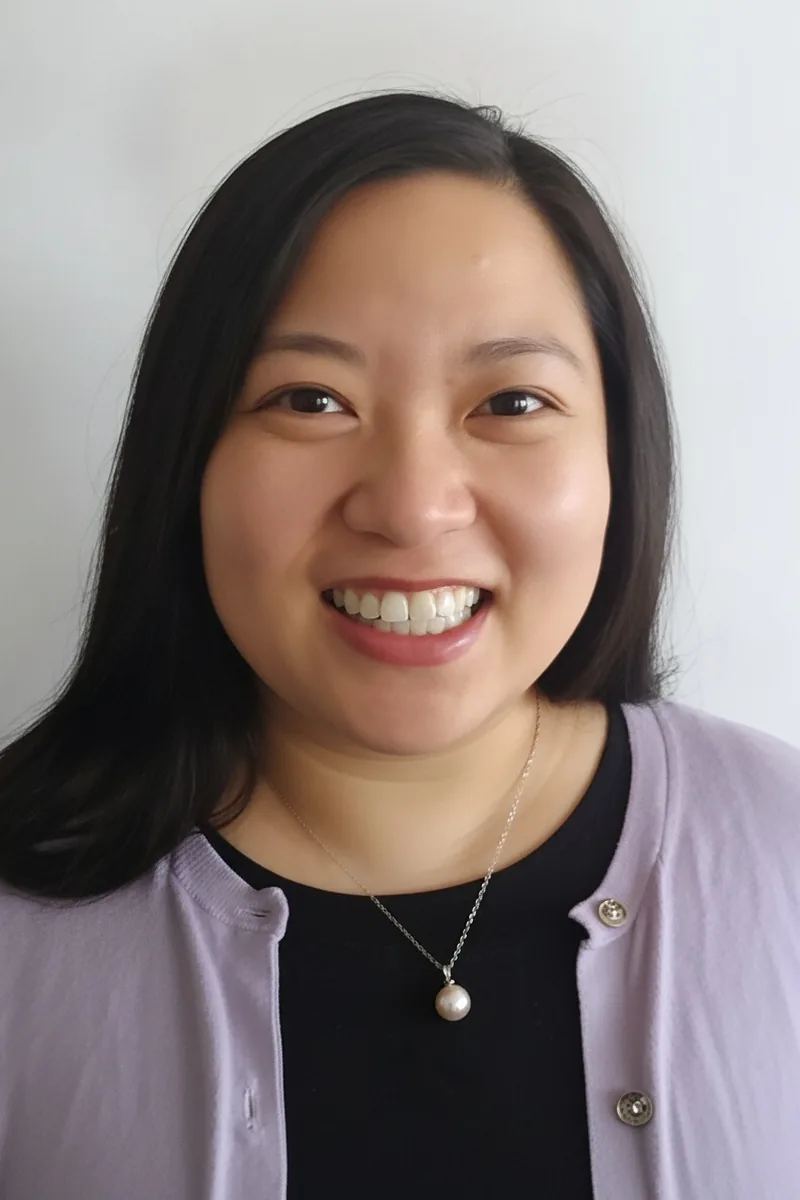
I am Ivy League educated and have the tools to help students achieve academic success. I am committed to education and inspiring students to achieve a lifelong love of learning and confidence from realizing they can achieve their goals.
Neurobiology at Penn trains you to think across disciplines — connecting biology, psychology, chemistry, and dense academic reading in a single semester — which is surprisingly close to what a sixth or seventh grader faces when toggling between a math worksheet, a science project, and an English essay in one night. Natalie's Spanish minor and healthcare coursework add genuine range on the humanities side, and her one-on-one tutoring experience in West Philadelphia means she's already familiar with adapting mid-session when a student needs to pivot from pre-algebra to paragraph structure.
Psychology majors learn to read people — and Heather uses that skill to pick up on when a middle schooler is nodding along but actually lost, especially during multi-step math problems or writing assignments where the instructions alone can feel overwhelming. Her own 1550 SAT speaks to genuine academic range across subjects, and her experience tutoring kids who get easily frustrated means she's built real strategies for keeping a session productive when patience runs thin. Rated 5.0 by families.
A philosophy degree trains you to read carefully, argue precisely, and write clearly — which turns out to be exactly what middle schoolers need as assignments shift from simple recall to actual analysis across subjects. Dakota pairs that background with a Master's degree and a 33 ACT, covering math through pre-algebra, science, writing, and grammar, and her philosophy training makes her especially sharp at teaching students how to structure an argument or break a multi-step problem into logical pieces.
A pharmacy and epidemiology background means Mona thinks in systems — how one concept connects to the next, how a gap in one area ripples into another — which is exactly the kind of thinking middle schoolers need as they start juggling math, science, reading, and writing all at once. She also teaches Arabic, which gives her a second-language learner's sensitivity to how kids process new vocabulary and unfamiliar structures across subjects. Rated 5.0 by families.
Middle schoolers juggle a widening range of subjects for the first time, and Rachael's own breadth — neuroscience, chemistry, psychology, Spanish, writing — means she can support that full academic picture. She's particularly effective at teaching students how to break multi-step problems apart, whether they show up in pre-algebra, a biology unit, or an essay assignment. Rated 5.0 by students.
Devon's African Studies master's work requires synthesizing history, literature, social science, and analytical writing — essentially the same mix of disciplines a middle schooler faces daily, just at a higher altitude. That cross-disciplinary fluency means he can move from unpacking a math concept to strengthening a paragraph's argument without treating them as separate skills, because at this level, they're really not.
Eight years of tutoring students from fourth grade through high school means Emily has watched the same patterns repeat: a shaky grasp of fractions in fifth grade quietly snowballs into pre-algebra panic by seventh, or a student who could summarize a story perfectly now freezes when asked to build an argument in writing. Her Columbia public health and social work training sharpens her read on what's actually going on when a middle schooler shuts down — whether it's a content gap, an organizational mess, or just the overwhelm of juggling six classes for the first time. Rated 4.9 by families.
Middle schoolers often need a tutor who can shift gears quickly — from a grammar worksheet to a history project to math homework — without losing momentum. Margaret's broad liberal arts background and her experience adapting lessons for different learning styles, including students with ADHD and dyslexia, make her especially effective at keeping younger students organized and engaged across subjects.
Candice's University of Chicago English degree and New School MFA mean she's strongest on the language arts side of middle school — reading comprehension, essay structure, grammar — but her Fulbright teaching stint in Taiwan and years as a classroom aide and teaching artist gave her practice adapting on the fly across subjects and learning styles. She's particularly good at helping a student who can think through an idea out loud but freezes when it's time to put it on paper, breaking that translation gap into concrete, repeatable steps.
Three degrees in the arts and economics might seem like an unusual combination, but it means Orlando can move fluidly between helping a sixth grader draft an essay and walking them through pre-algebra or basic data interpretation in the same sitting — no subject-switching whiplash. His economics training in particular gives him a knack for making word problems and percentages feel like real decisions rather than abstract exercises, which tends to land well with middle schoolers who want to know why any of this matters.
Cornell's Information Science program forces Ammaar to constantly switch between coding, data analysis, and heavy reading — a compressed version of the same subject-juggling middle schoolers face nightly. His statistics training gives him a structured, step-by-step way of breaking down pre-algebra and science problems, while his writing and reading background means he can pivot to an English assignment without missing a beat. Rated 4.6 by families.
Between his BS/MD program and years tutoring students in grades 7–12, Tarif has an unusually clear picture of which middle school math and science gaps snowball into high school problems — and he catches them early by asking targeted questions rather than lecturing through a session. His biomedical training means he can connect a sixth grader's life science unit to real anatomy and a seventh grader's pre-algebra to the quantitative reasoning he uses daily in medical school. Rated 5.0 by families.
Shin's engineering coursework at Columbia — heavy on math, chemistry, and physics — maps directly onto the core subjects middle schoolers are tackling, from pre-algebra and fractions to introductory physical science. His 34 ACT composite and 5.0 tutoring rating speak to genuine cross-subject fluency, and his environmental engineering focus gives him real-world examples that make abstract concepts click for a seventh grader wondering why any of this matters.
Ella's Penn math degree means she can untangle a pre-algebra problem in one breath and pivot to editing a five-paragraph essay in the next — the kind of subject-hopping that defines a typical middle school homework night. She also tutors AP English Language, so the reading and writing support she offers isn't watered-down; she's teaching the same analytical thinking at a level that meets whatever a sixth or seventh grader is ready for.
A history major at Dartmouth who also tutors Latin, English, math, and science, Vivian can sit down with a middle schooler and work through a full evening's worth of assignments without needing to hand off any subject to someone else. Her humanities training shows up most in how she handles the reading and writing side — teaching students to build an argument or pull evidence from a text — but her comfort with math and test prep means she's equally useful when the conversation shifts to pre-algebra or study strategies for an upcoming exam.
Between AP Chemistry, AP Biology, and anatomy & physiology, Tara's medical-track coursework means she's constantly synthesizing information across disciplines — and she brings that same cross-subject fluency to middle school sessions covering math, science, reading, and writing. She's especially good at teaching students how to actually study: how to break a chapter into pieces, how to self-test, and how to plan ahead when three assignments land on the same night. Rated 5.0 by families.
Middle schoolers juggle a sudden jump in academic expectations across multiple subjects, and Kellyann covers that full range — math through pre-algebra, science fundamentals, English composition, and social studies. Her background as a Physician Assistant means she's especially strong on the science side, but nine years of tutoring this age group keeps her sharp across the board.
A history degree with a math minor from George Washington University gives Meghan an unusual combination — she's just as comfortable unpacking a reading passage or editing a five-paragraph essay as she is walking through pre-algebra problem sets, which is exactly the range middle school demands in a single homework session. Her year as an AmeriCorps tutor in DC, where she ran an after-school program focused on literacy and academics, taught her how to read a middle schooler's frustration before it turns into shutdown mode. Rated 4.9 by families.
Volunteering at the Queens Public Library with elementary and middle school kids taught Avani something textbooks don't — how to read a student's face and pivot when an explanation isn't landing, whether it's a fraction problem or a paragraph outline. Her biology coursework at Siena College keeps her sharp on the science and math side, while years of editing essays and running peer tutoring sessions mean she's just as comfortable untangling a run-on sentence as she is walking through a pre-algebra equation.
The jump from elementary to middle school math and science catches a lot of students off guard — suddenly they're solving multi-step equations and labeling cell organelles. Jared bridges that gap by connecting new concepts to what students already know, turning abstract ideas like negative numbers or the difference between mitosis and meiosis into something concrete and logical.
Growing up trilingual in English, Spanish, and Galician gave Andrea an early education in code-switching — toggling between different systems of rules and logic — which is essentially what middle school asks kids to do every day across math, writing, history, and language arts. Her Princeton international affairs coursework means she's comfortable pulling threads between disciplines, so a single session might connect a social studies reading to a writing assignment without treating them as separate silos. Rated 5.0 by families.
Between her Spanish degree and her Master's in Urban Education and Leadership, Kierra brings both content range and classroom instinct to the middle school level — she covers math, science, English, social studies, and Spanish, which means one session can handle most of a student's nightly homework without switching tutors. Her education training is specifically geared toward understanding how urban middle schoolers navigate academic transitions, so she's quick to spot when a kid needs a different approach to organizing assignments or breaking down a reading passage. Rated 5.0 by families.
A finance degree means Mo spent college learning to synthesize information across quantitative and qualitative domains — reading dense case studies, crunching numbers, and writing persuasive arguments — which maps neatly onto the nightly middle school gauntlet of math homework, a science worksheet, and an English essay all due tomorrow. His 35 ACT and 4.9 rating from families speak to genuine range across subjects, and his economics and writing chops let him handle both the analytical and language-arts sides of a session without skipping a beat.
AmeriCorps placed Jayla in an under-resourced school where she had to cover multiple subjects in a single day and adapt quickly to what each student needed — exactly the kind of cross-subject flexibility middle school tutoring demands. Her Columbia master's anchors the humanities and writing side, while her longtime love of math means she's just as comfortable walking through pre-algebra as she is breaking down a reading passage or helping a student outline an essay. Rated 5.0 by families.
Engineering students learn to solve problems methodically — break the big thing into smaller pieces, check each piece, then put it back together — and Shreya applies that same logic when a middle schooler is drowning in a pile of math, science, and writing homework all due tomorrow. She covers the quantitative and humanities sides equally well, with a particular knack for connecting pre-algebra concepts to the physics and history topics her students are seeing in other classes. Rated 4.7 by families.
Philosophy and English might sound like a narrow lane, but Naomi's double major actually maps neatly onto what middle school demands — building written arguments, reading critically, and thinking through problems step by step, whether that's in a book report or a pre-algebra word problem. She also covers math and science across these grade levels, and her 1520 SAT speaks to genuine cross-subject range. Rated 4.8 by families.
The jump from elementary to middle school trips up a lot of students, especially when math suddenly involves variables and science expects formal lab reasoning. Jennifer bridges that gap by connecting new concepts back to what a student already understands — turning fractions into algebra readiness, or turning curiosity about weather into structured scientific thinking. Her 4.9 rating speaks to how well that approach lands with this age group.
Middle schoolers are juggling new expectations from every direction — longer writing assignments, heavier reading loads, and the sudden need to organize their own time. Farhin brings structure to the chaos, teaching everything from paragraph development and grammar fundamentals to note-taking strategies that actually stick across subjects.
Middle schoolers juggling math, English, history, and writing assignments get a tutor who can move fluidly between all of them in a single session. Layan's experience in New York public schools means she understands the specific academic expectations at this level — from five-paragraph essays to pre-algebra problem sets — and she keeps sessions structured enough to be productive but relaxed enough that students actually engage.
Between management coursework at Binghamton and a 1550 SAT, Esther has the cross-disciplinary range that middle school actually demands — she covers math through pre-algebra, science, reading, writing, history, and social studies, so a single session can move fluidly from a grammar worksheet to a pre-algebra problem set without skipping a beat. She's especially strong on the test-prep and study-strategy side, bringing the same structured approach that earned her near-perfect SAT scores to help younger students figure out how to actually prepare for exams rather than just re-read their notes. Rated 5.0 by families.
Teaching both English and Remedial Reading across elementary, middle, and high school levels gave Arielle a clear map of where literacy gaps start snowballing — the sixth grader who can decode words fine but freezes when asked to infer meaning from a passage, or the eighth grader whose essays fall apart because nobody taught paragraph structure explicitly. Her English degree and deep work in curriculum development for reading and writing mean she can diagnose what's actually missing and rebuild those skills rather than just re-explaining tonight's homework. Rated 4.8 by families.
I'm a 2018 graduate with a B.A. from Sarah Lawrence College in ecology and communications. In addition to tutoring, I am a writer and an education volunteer at the New York Aquarium. My previous teaching experience includes being a volunteer educator at Greyston Community Gardens and at Quixote Quest. I've also worked as an ecology research assistant and in science writing. I was web editor of the Sarah Lawrence Phoenix for over a year and a half, and then a copy editor for the Sarah Lawrence review for a semester before leaving to study writing abroad in Dublin, Ireland and write as an official blogger for my study abroad program. I plan to eventually attend grad school for ecology.
Theater training at the BFA level builds a surprisingly transferable skill set — close reading of texts, persuasive writing, rapid memorization techniques, and the ability to hold a room's attention — all of which Mariah channels into sessions covering English, reading, writing, and math at the middle school level. She's especially effective at turning a reluctant writer into a more confident one, drawing on her creative and expository writing background to make the brainstorming-to-draft process feel less like a chore and more like building something.
Psychology majors learn to read people — and Kayla uses that instinct to pick up on the moment a middle schooler checks out of a math problem or starts faking their way through a reading passage. She covers the full homework spread at this level, from pre-algebra and science to essay writing and reading comprehension, and her Penn State honors coursework keeps her sharp across all of it. Rated 5.0 by families.
A 5.0-rated tutor who covers math, science, English, and writing at the middle school level, Jennifer brings particular strength to the reading and writing side — her Master's in Journalism and undergraduate rhetoric training mean she can teach a sixth grader how to structure a real argument, not just fill in a graphic organizer. She's also comfortable pivoting to math or science in the same session when a student needs to prep for multiple tests at once.
Pursuing a BA/MD through Brooklyn College and SUNY Downstate while juggling chemistry, psychology, biochemistry, and history coursework means Marianna lives the multi-subject balancing act that middle schoolers are just learning to navigate — she can credibly walk a student through pre-algebra, science, reading, and essay structure in a single sitting. Her own double-major, double-minor schedule has forced her to develop the kind of concrete study and organization strategies that twelve-year-olds desperately need but rarely get taught explicitly. Rated 4.9 by families.
Between her dual degrees in Hearing and Speech Sciences and Family Science (with a counseling concentration) from the University of Maryland, Samantha reads middle schoolers on two levels — she catches the academic gaps in reading or writing, and she picks up on the frustration or shutdown signals that often come with them. Her time as a Kumon tutor and a teacher's assistant at UMD's Center for Young Children built her instinct for adjusting explanations in real time, and her current speech-language pathology graduate work keeps her sharp on how kids process and organize information. Rated 5.0 by families.
Between her NYU coursework in data science and biology and hands-on stem cell research, Richa spends her days rapidly context-switching across disciplines — a habit that translates well when a middle schooler needs to move from a pre-algebra assignment to a science worksheet to a French vocab quiz in one sitting. She covers math, science, English, grammar, and history at this level, and her research background gives her a concrete way to teach study techniques: breaking big projects into smaller experiments and tracking what actually works.
Testimonials
Because the right Middle School tutor makes all the difference.
Average Session Rating – Based on 3.4M Learner Ratings
Nearby Middle School Tutors
Other Manhattan Tutors
Related Other Tutors in Manhattan
Frequently Asked Questions
Middle school is a critical transition period where students juggle multiple subjects, increased homework expectations, and developing independence. Common challenges include struggling with organization and study skills, falling behind in core subjects like math and English, managing social pressures that affect academics, and adapting to different teaching styles across classes. Personalized tutoring helps students build strong foundational skills and confidence during this pivotal time.
In a classroom, teachers must pace instruction for 20-30 students with varying needs, which means some students move too quickly while others fall behind. Personalized 1-on-1 instruction allows tutors to focus entirely on your student's learning style, identify specific gaps, and adjust the pace and approach in real time. This targeted attention helps students build mastery faster and develop the confidence to participate more actively in their regular classes.
Yes. Varsity Tutors connects you with expert tutors who understand New York State standards and the specific curricula used in Manhattan middle schools. Tutors align instruction with your student's current coursework, help reinforce what's being taught in class, and fill in foundational gaps that may be holding them back. This ensures tutoring complements classroom learning rather than working in isolation.
The first session is an assessment and relationship-building opportunity. The tutor will discuss your student's academic goals, identify specific challenges or gaps, review current coursework, and establish what success looks like. This information helps the tutor create a personalized plan for future sessions. Most students feel more comfortable and motivated after the first session because they have a clear path forward.
Many middle school students benefit from support in one or two core subjects first—typically math or English—where foundational skills have the biggest impact on overall success. Some tutors specialize in multiple subjects and can provide support across areas, while others focus deeply on one subject. Varsity Tutors can help match you with the right fit based on your student's needs and priorities.
Progress shows up in multiple ways: improved grades on assignments and tests, increased confidence participating in class, better homework completion and organization, and stronger understanding of key concepts. Most students see noticeable improvement within 4-6 weeks of consistent tutoring. Your tutor will regularly check in on progress toward specific goals and adjust the approach if needed to keep momentum going.
Varsity Tutors connects you with tutors based on your student's specific needs, goals, learning style, and availability. You can discuss your student's challenges and preferences, and tutors are selected who have expertise in those areas and a teaching approach that fits your student's personality. If the match isn't quite right, you can easily connect with a different tutor until you find the perfect fit.
This depends on your student's needs and goals. Students addressing a specific challenge or preparing for a test often benefit from 1-2 sessions per week, while those building long-term skills and confidence may do well with weekly sessions. Your tutor can recommend a frequency based on the initial assessment, and you can adjust as your student's needs change. Consistency matters more than intensity—regular, focused sessions produce better results than sporadic cramming.
Let’s find your perfect tutor
Answer a few quick questions. We’ll recommend the right plan and match you with a top 5% tutor.