Award-Winning AP US History Tutors
serving Brooklyn, NY
AP US History
Tutors in Brooklyn
Private 1-on-1 tutoring, weekly live classes for academic support, test prep & enrichment, practice tests and diagnostics, and more to elevate grades and test scores.
Based on 3.4M Learner Ratings
UniversitiesSchools & Universities
DeliveredHours Delivered
ProficiencyGrowth in Proficiency
Who needs tutoring?
No obligation. Takes ~1 minute.
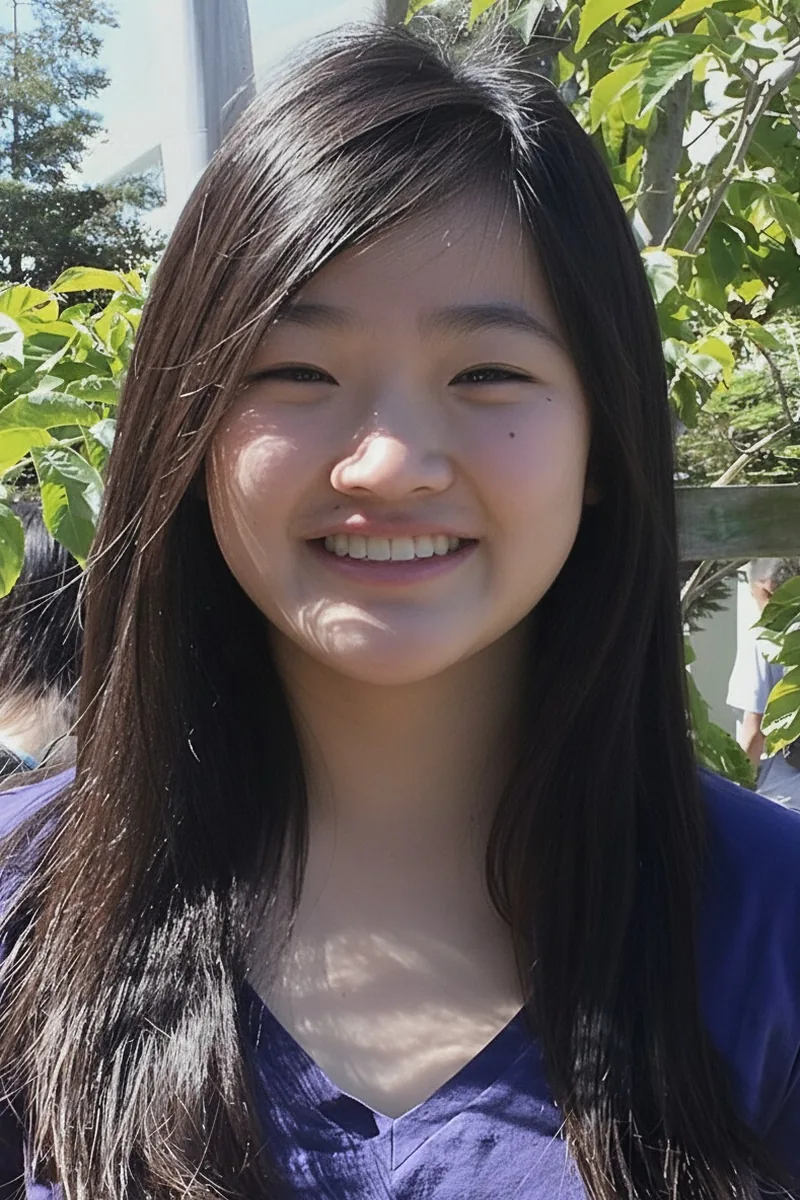
A statistics and machine learning certificate at Princeton means Julie spends her coursework building arguments from data — the same evidentiary reasoning APUSH demands when students must synthesize unfamiliar documents into a coherent thesis under time pressure. Her philosophy training adds a layer most history tutors skip: she teaches students to identify the logical structure of an argument before writing one, which is exactly what separates strong DBQs from ones that just summarize sources. Rated 4.9 by students.

An interdisciplinary degree blending economics and political science at Yale means Allen spent four years studying the exact forces — trade policy, constitutional interpretation, factional politics — that drive APUSH's most heavily tested periods from the Early Republic through the New Deal. He teaches students to build LEQ and DBQ arguments around economic and political causation rather than just narrating events, a skill his 1570 SAT confirms he can execute under timed pressure. Rated 5.0 by students.
The AP US History exam tests whether students can do what historians do: analyze documents, identify historical causation, and construct a defensible argument under time pressure. Rachel studied history in college and knows how to break down DBQ and LEQ prompts so students understand what the rubric actually rewards. She zeroes in on the periodization and thematic connections that turn a competent essay into one that scores a 4 or 5.
Anthropology trains you to analyze how cultures construct meaning — the same interpretive muscle APUSH flexes when students must contextualize a Reconstruction-era political cartoon or explain why Progressive reformers framed their arguments the way they did. Samantha's anthropology degree from Northwestern gives her a knack for unpacking the cultural assumptions embedded in primary sources, which is where most students lose points on the DBQ. Her 33 ACT and 1490 SAT back up the timed analytical performance the exam demands.
A European history major at Johns Hopkins who also tutored AP US and World History for years, Alexander knows exactly where the overlap between these curricula pays off — students who can trace how Enlightenment thought shaped the Declaration of Independence or how WWI's aftermath drove American isolationism earn the cross-period connections APUSH essays reward. He zeroes in on the causation and contextualization skills that turn a content-dump essay into one that actually scores well on the DBQ and LEQ. Rated 4.7 by students.
The APUSH exam rewards students who can do more than recall events — they need to construct document-based arguments under time pressure and connect themes across periods. Ryan studied American Studies at the college level, which means he approaches U.S. history through the intersections of politics, religion, and culture that the AP framework emphasizes. He breaks down DBQ and LEQ writing into repeatable steps that translate directly to higher scores.
A drama training at NYU's Tisch School of the Arts might seem unrelated to APUSH, but performance study is really about understanding human motivation, power dynamics, and the cultural moments that produce them — exactly the kind of contextual thinking the exam's DBQ and LEQ essays reward. Taylor's minor in Child and Adolescent Mental Health Studies also sharpens her read on how students process complex material, so she breaks down dense periods like Reconstruction or the Cold War into narrative arcs that stick.
Orlando's economics degree gives him a useful throughline for APUSH — so much of the curriculum, from mercantilism through industrialization to New Deal policy, hinges on understanding economic motives and their political consequences. He leans into that angle when teaching students to build causal arguments for the DBQ and LEQ, where examiners reward connecting specific evidence to broader economic and social patterns. His writing background also means he treats essay structure as a craft worth drilling, not an afterthought.
I am a drug policy advocate and writer in New York.
I am an avid reader of canonical and "experimental" literature, so I love tutoring writing and english literature. I am also great at tutoring Algebra, and I have helped students prepare for the SAT.
I am not tutoring, I enjoy reading fiction, going to the movies, and spending time with my friends and family in the sunshine.
Economics and English is a surprisingly potent combination for APUSH — the economics half builds fluency in the market forces, labor disputes, and fiscal policy debates that drive half the curriculum, while the English half trains the close-reading and argumentative writing the DBQ and LEQ actually grade on. Dennis leans into that dual lens when breaking down periods like industrialization or the New Deal, where understanding the economic logic behind policy makes document analysis sharper and essays more persuasive. Rated 5.0 by students.
DBQ essays trip students up not because they lack knowledge but because they don't know how to wield evidence inside a timed argument. Melissa, a PhD candidate in history at UC Berkeley, breaks down the AP US History exam by teaching students to read documents for perspective and bias — skills she uses daily in her own archival research on the British Empire. Her approach turns document analysis from a guessing game into a repeatable method.
A history degree and a law degree together create an unusual command of the skills APUSH actually tests — Michael reads primary sources the way a lawyer reads case law, zeroing in on argument, intent, and context rather than surface-level content. His deep knowledge of U.S. constitutional history is especially useful for the exam's most document-heavy periods, from ratification debates through Reconstruction amendments to New Deal-era federalism. He teaches students to build DBQ essays the way attorneys build briefs: thesis first, evidence marshaled in support.
Studying anthropology means learning to read a culture's own documents on its own terms — identifying whose voice is present, whose is absent, and what power dynamics shape the narrative. Layan brings that exact training to APUSH's document-based questions, where scoring well depends on sourcing and contextualization rather than just recounting what happened. Her 1520 SAT and 5.0 rating back up the analytical and writing chops the exam's essays demand.
Marianna's history minor and SAT Subject Test experience in U.S. History mean she's recently worked through the same content and exam-style reasoning that APUSH demands — periodization, sourcing, and building arguments from documents rather than just recalling dates. As a chemistry student in a BA/MD program, she brings a hypothesis-driven mindset to essay writing, treating each DBQ thesis like a claim that needs systematic evidence. Rated 4.9 by students.
I am a graduate of Fordham University where I earned a Bachelor's degree with a major in History. In particular, I focused my energies on the study of American History. I have tutored as a part of the National Honor Society on topics such as AP Literature, AP American History, AP American Government, and the SAT. I am incredibly passionate about History and Literature and could easily discuss these topics for hours on end. I truly believe that history is fascinating, interesting, and wholly deserving of our attention. I hope I can share this passion and create tutoring sessions that are as engaging as they are informative. With my free time I enjoy reading, especially science fiction, and also exercise regularly, but admit a certain weakness for video games and good TV.
Studying Global Development at UVA means Nora spent years analyzing how U.S. domestic policy — trade agreements, immigration law, foreign intervention — played out beyond American borders, which is exactly the kind of contextualization APUSH rewards on its toughest essay prompts. Her Spanish fluency also sharpens discussions of hemispheric topics like the Mexican-American War, Latin American Cold War interventions, and immigration debates that the exam increasingly foregrounds. She treats the DBQ as a close-reading exercise, pulling apart each document's purpose and audience before building the argument around it.
The AP US History exam rewards students who can do more than recall events — they need to craft document-based essays that synthesize sources under time pressure. Isabel teaches students to read primary documents like an artist reads an image: identifying perspective, context, and what's deliberately left out. That analytical habit turns scattered facts into coherent, high-scoring arguments.
Testimonials
Because the right AP US History tutor makes all the difference.
Average Session Rating – Based on 3.4M Learner Ratings
Practice AP US History
Free practice tests, flashcards, and AI tutoring for AP US History
Nearby AP US History Tutors
Other Brooklyn Tutors
Related Social Studies Tutors in Brooklyn
Frequently Asked Questions
AP US History spans from pre-Columbian America through the present day, organized around nine thematic learning objectives including identity, work/exchange, power/politics, America in the world, and more. The course emphasizes historical reasoning skills like causation, comparison, and contextualization rather than pure memorization. Students analyze primary and secondary sources, develop historical arguments, and practice the skills tested on the AP exam.
The AP US History exam consists of two sections: a multiple-choice and short-answer section (95 minutes) and a free-response section with a document-based question and long essay (100 minutes). Success requires both content knowledge and strong analytical skills—you'll need to interpret sources, construct arguments, and manage your time carefully across different question types. Many students benefit from targeted practice with each section to identify which formats require the most attention.
Students often struggle with three main areas: managing the breadth of content across 500+ years of history, developing strong historical arguments supported by specific evidence, and analyzing primary sources under timed conditions. Additionally, many find it difficult to move beyond memorizing facts to understanding causation and connections between events. Personalized tutoring helps identify which of these areas needs the most focus for your learning style.
Score improvement depends on where you're starting and how consistently you engage with tutoring and practice. Students who work with tutors typically see gains of 1-2 points on the 5-point scale over several months, though results vary based on initial preparation level and effort. The most significant improvements come from targeted work on weak areas—whether that's mastering specific time periods, strengthening essay writing, or improving multiple-choice strategies.
Most students benefit from 3-4 months of focused preparation, though this varies based on your current knowledge and goals. A typical timeline includes reviewing content units, taking practice tests to identify weak areas, and then drilling those specific topics and question types. Starting earlier gives you more flexibility to revisit challenging material and build confidence through repeated practice.
Practice tests serve multiple purposes: they help you understand the exam format and pacing, reveal which content areas or question types you struggle with, and build test-taking stamina for the 3-hour exam. Taking full-length practice tests under timed conditions is especially valuable because it exposes timing issues and helps you develop strategies for managing the multiple-choice, short-answer, and free-response sections. Tutors can use your practice test results to pinpoint exactly where to focus your remaining study time.
Varsity Tutors connects Brooklyn students with expert tutors who specialize in AP US History and understand the specific demands of the exam. You can get matched with a tutor who fits your schedule and learning style, whether you need help with content review, essay writing, test-taking strategies, or all three. The matching process considers your goals, availability, and what areas of the course need the most attention.
Your first session typically focuses on understanding your current level, identifying your specific challenges, and setting clear goals for tutoring. A tutor might review your recent practice test results, discuss which historical periods or question types are most difficult, and outline a personalized study plan. This foundation helps ensure that every subsequent session targets your actual needs rather than generic test prep.
Let’s find your perfect tutor
Answer a few quick questions. We’ll recommend the right plan and match you with a top 5% tutor.