Award-Winning SAT Tutors
serving Albany, NY
SAT
Tutors in Albany
Private 1-on-1 tutoring, weekly live classes for academic support, test prep & enrichment, practice tests and diagnostics, and more to elevate grades and test scores.
Based on 3.4M Learner Ratings
UniversitiesSchools & Universities
DeliveredHours Delivered
ProficiencyGrowth in Proficiency
Who will be getting tutoring?
No obligation. Takes ~1 minute.
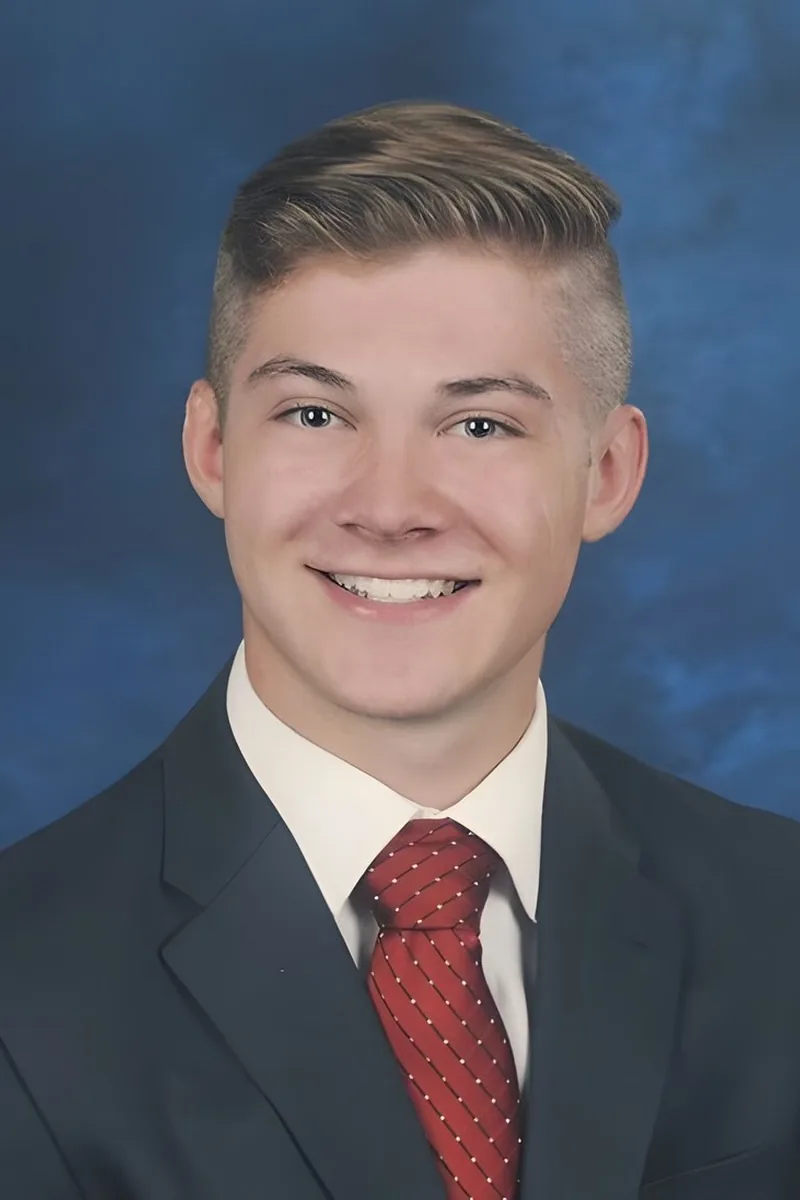
Studying finance and mathematics at Boston College's Carroll School of Management Honors Program, Andrew tackles the SAT Math section with the kind of algebraic fluency that makes Heart of Algebra and Passport to Advanced Math questions feel routine. His 1430 SAT score and strong verbal range — honed through literature and essay work — mean he also coaches students on pacing and elimination strategies for the Reading and Writing sections. Rated 4.9 by students.
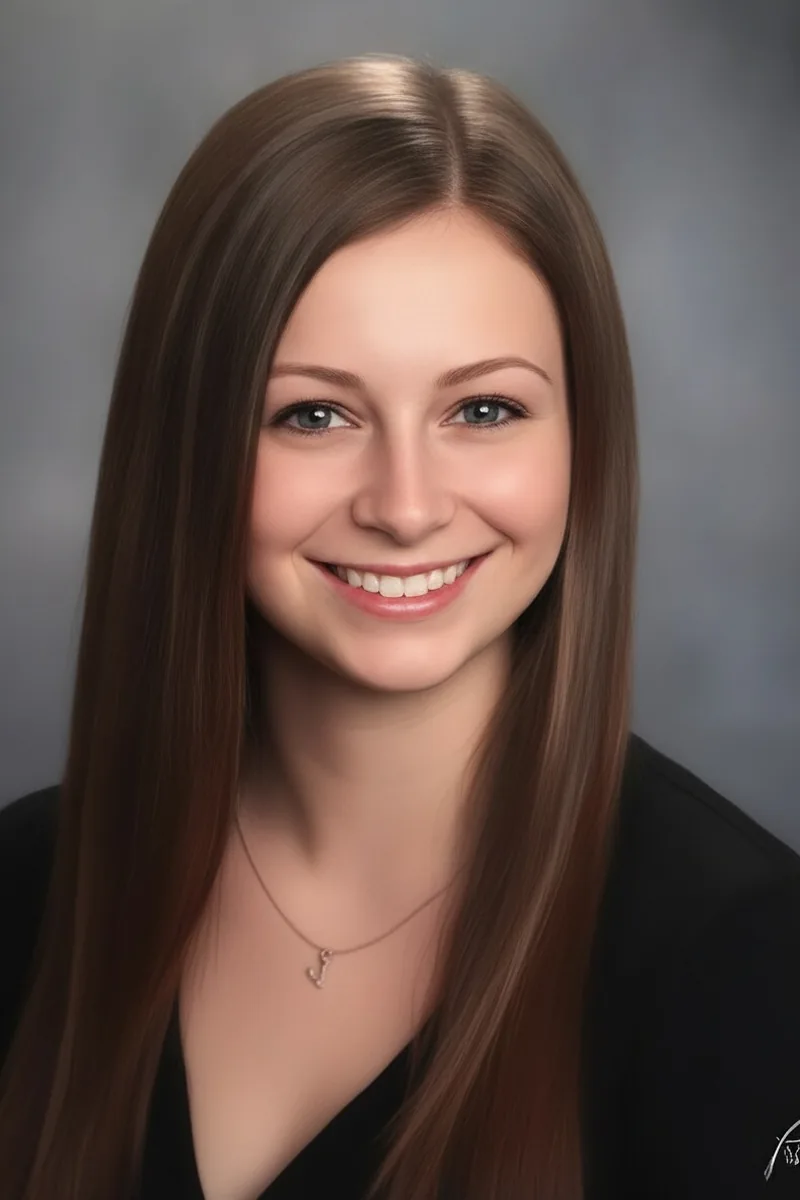
Nina's biostatistics training at Columbia and Northwestern means the SAT Math section — especially data analysis, scatterplot interpretation, and multi-step algebra — plays directly to her strengths. She scored a 1550 and knows how to teach the quantitative reasoning patterns that separate a good math score from a great one, while her experience with college essays and literature gives her practical tools for the Reading and Writing sections too.
A 1560 SAT scorer with a Master's in Education from Harvard, Mimi brings a structured yet creative approach to test prep — particularly the evidence-based reading passages, where her art history and literary analysis background makes dissecting complex texts second nature. She teaches students to identify argument structure and eliminate trap answers systematically across both the reading and writing sections.
What separates a 1500+ SAT score from a 1300 often isn't knowledge — it's knowing how the test tries to trick you. Joey scored a 1570 and built his prep approach around identifying those traps, particularly the algebra and data-analysis questions on the Math section where careful reading matters as much as calculation. His theater training at Columbia also sharpened the close-reading and rhetorical analysis skills that pay off on the Evidence-Based Reading and Writing sections.
Dennis's finance and statistics coursework at NYU means the SAT Math section plays to his strengths — he teaches students to spot the underlying algebra and data-analysis patterns that repeat across every practice test, turning unfamiliar-looking problems into familiar setups. His 1550 SAT score backs up a prep approach built on efficiency: knowing which questions to attack first, where to double-check, and how to manage the clock so careless errors don't eat into a strong performance.
Years of writing and peer-editing philosophy and religion papers at Pomona gave Miranda a precise feel for argument structure and rhetorical traps — exactly what the SAT's Reading and Writing sections test under time pressure. She pairs that verbal strength with a 1560 SAT score and hands-on experience mentoring high schoolers through standardized test strategy. Rated 5.0 by students.
Phillips Exeter's Harkness method trained Violet to pull apart complex problems collaboratively — a habit she now applies to SAT prep, where she teaches students specific tricks for pacing the math sections and spotting grammar patterns in Writing and Language. Her math degree from Brown and 1550 SAT score mean she's equally comfortable drilling no-calculator algebra strategies and coaching students through evidence-based reading questions. Rated 4.5 by students.
Studying both psychology and linguistics at the University of Chicago gave Sherry an unusual double lens for the SAT — the linguistics side sharpens her teaching of grammar rules, sentence structure, and rhetoric on the Writing & Language section, while the psychology side informs how she coaches students through test-day pacing and anxiety management. She scored a perfect 1600 and uses that familiarity with every section to pinpoint exactly where a student's points are slipping, whether it's evidence-based reading pairs or no-calculator algebra. Rated 5.0 by students.
Public policy coursework at the college level means Dana spent years doing exactly what the SAT rewards — reading dense, argument-driven passages quickly and pulling out the evidence that actually supports a claim. She scored a 1450 on the SAT herself and pairs that firsthand experience with strategies for the Writing and Language section's grammar and rhetoric questions, where her strong background in essay writing and English syntax pays off.
Most SAT prep treats math and verbal as separate worlds, but Justin's PhD work in computational mathematics at the University of Chicago trained him to read precisely and reason quantitatively in the same breath — exactly what the SAT demands. He scored a 1560 and teaches students to attack the math sections through algebraic fluency rather than calculator dependence, while applying the same structured logic to evidence-based reading questions. Rated 5.0 by students.
Harvard chemistry coursework and a 1570 SAT score give James credibility across both halves of the exam — he's equally comfortable unpacking no-calculator algebra strategies and teaching students to trace argument structure through dense reading passages. His approach centers on learning the test's patterns: which grammar rules appear most often, which math concepts get recycled in disguise, and how to manage pacing so nothing gets left blank. Rated 4.9 by students.
Daniel's 1590 SAT sits in the 99th percentile, but what makes him useful as a prep tutor is that he covers both sides of the exam himself — his math degree handles the quantitative sections while his arts background and experience teaching literature, grammar, and essay writing anchors the verbal side. He teaches students to spot the SAT's recurring question structures so that timing pressure shrinks as familiarity grows.
Planning is where Sharan's SAT prep starts — she maps out exactly which question types a student is losing points on, then builds a week-by-week practice schedule targeting those gaps first. Her premed coursework at Cornell keeps her math and data-analysis skills sharp for the quantitative sections, while her 1540 SAT score confirms she knows the test inside and out. Rated 5.0 by students.
A perfect 1600 on the SAT gives Christopher credibility that's hard to argue with — he knows exactly how the test rewards certain reading strategies, grammar patterns, and math shortcuts. His history degree from Columbia also means he brings serious reading comprehension chops to the Evidence-Based Reading section, where dense passages trip up even strong students. He breaks the exam into repeatable systems so students can replicate his results on test day.
Medical school at Jefferson demands the same skill set the SAT rewards — fast, accurate reading under pressure and clean quantitative reasoning — and Jamie teaches both sides of the exam with that intensity. Having scored a 1550, he knows exactly where the test tries to create confusion, especially in no-calculator algebra and the evidence-based reading pairs where students second-guess correct answers. His go-to move is translating abstract problems into concrete analogies that make the underlying logic obvious.
A perfect 1600 SAT scorer, William breaks the exam into repeatable strategies — from dissecting evidence-based reading passages to spotting the grammar patterns that the Writing section recycles test after test. His English degree sharpens the verbal side, but he's equally comfortable walking students through the no-calculator math traps that cost easy points. That combination of deep literacy skills and structured test strategy is why students see real score jumps.
Katherine's music training — parsing complex scores, tracking multiple voices, recognizing structural patterns — turns out to be surprisingly useful preparation for the SAT, where both the Reading passages and the Math section reward methodical pattern recognition under time pressure. She scored a 1500 and uses that cross-disciplinary lens to teach students how to decode evidence-based reading questions and spot the algebraic setups that repeat across practice tests.
A perfect 1600 on the SAT gives Richard firsthand knowledge of what it takes to navigate every section — from evidence-based reading passages to the no-calculator math grid-ins that trip up even strong students. As a Harvard government major, he brings particularly sharp critical reading and argument-analysis skills to the Reading and Writing sections, where identifying an author's central claim quickly can save crucial minutes. He also spent a year as a math course assistant at Harvard, so the quantitative side is equally covered.
Vivian scored a 1530 on the SAT while balancing a rigorous arts conservatory schedule at Juilliard, which means she knows how to build an efficient, high-impact study plan for students who don't have unlimited prep time. Her strength is teaching the verbal side — evidence-based reading and grammar questions — using the close-reading instincts she developed through her history degree and extensive essay work. Rated 4.9 by students.
Rachel earned a perfect 1600 on the SAT, which means she didn't just master each section — she learned exactly where the test tries to create doubt and how to shut it down. Her unusually broad teaching range across math, science, English, and writing lets her coach the full exam without switching gears, connecting algebra strategies and evidence-based reading techniques into a single coherent approach.
A perfect 1600 SAT scorer, Delon breaks the exam into repeatable strategies — from identifying trap answers in Evidence-Based Reading to recognizing the grammar patterns that the Writing section recycles test after test. His background in both math and English means students get a single tutor who can tackle every section without switching gears. Rated 4.8 by past students.
What separates a 1400 from a 1550 on the SAT often comes down to recognizing the exam's patterns — the way algebra questions disguise themselves as word problems, or how wrong answers on evidence-based reading pairs are designed to feel almost right. Robert scored a 1550 and has tutored both the math and verbal sides extensively, building section-specific strategies rather than generic test advice. His 4.8 rating across dozens of subjects reflects the range to cover every part of the exam with a single tutor.
Columbia's pre-med biochemistry track forced Aaron to master the same skills the SAT rewards — fast, accurate reading of dense material and clean quantitative problem-solving under pressure. He scored a 1570 on the SAT and uses that experience to teach specific timing strategies for the math section's multi-step word problems and the evidence-based reading questions where most students burn extra minutes second-guessing. Rated 5.0 by students.
Mariya earned a perfect 1600 on the SAT, but what makes that score useful for students is her math degree — she doesn't just know the right answers, she can unpack the algebraic reasoning and data analysis logic behind every question type in the Math section. She also covers the Reading and Writing side, where her background in literature, essay editing, and grammar gives her concrete strategies for evidence-based questions and rhetoric traps.
Catherine's Latin training — parsing complex grammar, translating dense passages under pressure — turns out to be surprisingly direct preparation for the SAT's verbal sections, where sentence structure and evidence-based reading reward the same close-reading discipline. Her 1590 SAT score backs that up, and she applies that same analytical rigor to the math side, where she teaches students to decode word problems the way she'd decode a Latin sentence: piece by piece, with nothing assumed. Rated 5.0 by students.
Most SAT prep treats math and verbal as two separate worlds, but Sabira's dual degrees in Applied Math and Computer Science at Johns Hopkins trained her to read precisely and reason quantitatively in the same sitting — exactly what the SAT demands. She scored a 1510 and uses that experience to teach students how to spot algebraic shortcuts in the Math section and decode evidence-based reading questions by treating passages like structured arguments. Rated 5.0 by students.
Kevin's computer science training at NYU sharpens the kind of logical, systematic thinking that pays off on SAT Math — particularly on multi-step algebra and data analysis problems where setting up the right approach matters more than raw calculation speed. He scored a 1570 on the SAT and uses that experience to teach students how to spot the fastest path through each question type, including the no-calculator problems that punish inefficient methods. Rated 4.8 by students.
Cornell's computer science program demands the same kind of precise, logical thinking that separates a good SAT score from a great one — Eric applies that rigor to every section, from algebraic problem-solving on the Math side to spotting structural patterns in Reading passages. He earned a perfect 1600 on the SAT himself, so he knows exactly where the test rewards careful reasoning over rushed answers. Rated 5.0 by students.
Linguistics training at the graduate level gives Benjamin an unusual advantage on the SAT's Writing and Language section — he doesn't just know the grammar rules, he can explain *why* English works the way it does, turning tricky syntax and rhetoric questions into predictable patterns. His 1560 SAT score backs up that structural approach across the full exam, including the math and evidence-based reading sections. A semester abroad in Sevilla and a history degree also mean he's comfortable unpacking the dense social science and humanities passages that slow most students down.
Professional bilingual writing for the State Department and two publishing houses gave Margaret firsthand fluency with the precise grammar, passage structure, and evidence-based reasoning the SAT tests across both verbal sections. She pairs that real-world language expertise with a 1590 score and a Sorbonne-trained ear for rhetorical nuance, teaching students to spot the specific grammar rules and trap answer choices that repeat from test to test. Rated 5.0 by students.
Linguistics training at Penn taught Nicholas to see language as a system of rules — the same mindset that turns the SAT's Writing and Language section from subjective guessing into methodical pattern-matching on grammar, punctuation, and rhetorical effectiveness questions. His 1570 SAT score backs up that approach across both verbal and math sections, and a 5.0 tutoring rating suggests students find it clicks.
Rachel scored a 1580 on the SAT while majoring in biology, which means she didn't just ace the math — she built the kind of precise, evidence-based reading habits that carry through both verbal sections. Her approach to the exam leans heavily on process of elimination and passage mapping, skills she sharpened dissecting dense scientific literature throughout her pre-med coursework. Rated 5.0 by students.
Jonathan's psychology degree and statistics master's give him an unusual read on the SAT — he understands both the quantitative reasoning behind the Math section and the way test-makers construct deliberately misleading answer choices on the verbal side. He scored a 1570 and uses that experience to teach students specific pacing and elimination strategies calibrated to each section's time pressure.
Garrett scored a 1530 on the SAT and brings a triple-major background in arts and biology that sharpens both sides of the exam — the evidence-based reading passages and the data-interpretation questions in math. He breaks the test into repeatable patterns, teaching students to spot trap answers in reading and avoid careless algebra mistakes under time pressure.
What makes the SAT tricky isn't any single hard question — it's switching gears between reading comprehension, grammar rules, and algebra under a tight clock. Daniel's broad teaching background across French, essay editing, and math means he coaches students through that mental shifting rather than drilling one section in isolation. He scored a 1500 on the SAT himself and holds a 5.0 tutoring rating.
Playwriting trained Jacob to communicate complex ideas with precision and economy — skills that translate surprisingly well to the SAT, where reading passages reward students who can track an author's argument structure and writing questions hinge on grammatical clarity. His 1570 SAT score and dual background in astrophysics and drama mean he's equally comfortable coaching the math section's trickiest algebra problems and teaching students to dissect rhetoric on the verbal side.
What sets Liza apart for SAT prep is genuine fluency across both halves of the exam — her biomedical engineering degree means the math section's algebra, data analysis, and problem-solving are second nature, while her background in literature, essay editing, and grammar gives her real traction on the Reading and Writing sections. She scored a 1550 and uses that experience to teach students how to manage pacing and spot the specific answer-choice traps the College Board relies on. Rated 5.0 by students.
Philosophy majors learn to tear arguments apart sentence by sentence — a skill Julie applies directly to the SAT's evidence-based reading and writing questions, where identifying an author's claim and finding the passage line that supports it is the whole game. Her statistics certificate at Princeton also means she handles the math section's data interpretation and algebraic reasoning with real fluency. She scored a 1570 and holds a 4.9 rating.
Philosophy majors learn to tear apart arguments and spot logical gaps — skills Moon applies directly to the SAT's evidence-based reading questions, where identifying an author's reasoning matters more than speed-reading. With a 1560 SAT score and deep experience in both math and verbal subjects, Moon walks students through the specific grammar rules, passage structures, and algebraic setups that repeat across every test form. Rated 5.0 by students.
A 1550 SAT scorer who also holds a fine arts degree, Matt brings an unusual combination of analytical precision and close-reading instincts to test prep — particularly useful on the Evidence-Based Reading section, where identifying authorial purpose and linking passages to data tables trips up even strong students. He breaks the exam into repeatable strategies for each question type so that pacing and confidence improve together.
Testimonials
Because the right SAT tutor makes all the difference.
Average Session Rating – Based on 3.4M Learner Ratings
Practice SAT
Free practice tests, flashcards, and AI tutoring for SAT
Other Albany Tutors
Related Test Prep Tutors in Albany
Frequently Asked Questions
Ivy League schools typically expect SAT scores in the 1500-1580 range, putting you in the top 1% of test-takers. For context, the national average is around 1050. If you're targeting schools like Harvard, Yale, or Princeton, you'll want to aim for 1500+. However, many excellent universities in the Northeast—like Boston University (1370-1490 range) and NYU (1390-1530 range)—are highly competitive with slightly lower score ranges. Varsity Tutors connects you with expert tutors who can help you develop a strategic approach to reach your specific college goals.
The Northeast is known for extremely competitive college admissions, and Albany students are competing in that rigorous market. With 51 schools across 13 school districts in the Albany area, students have access to strong academic programs, but many are aiming for selective colleges where SAT performance is a key differentiator. A score of 1200+ puts you in the top 25% nationally, while 1350+ reaches the top 10%—both solid benchmarks for strong state and regional universities. To stand out in this competitive region, many students benefit from personalized tutoring that targets their specific weak areas.
Score improvements depend on your starting point and the areas you focus on, but 100-200 point increases are common with targeted, personalized instruction. Students who struggle with time management on the Reading section or multi-step math problems often see significant gains once they work with a tutor on test-specific strategies. The key is identifying your exact weak spots—whether that's vocabulary in context, data analysis, or algebra—and building a focused plan. Varsity Tutors connects you with tutors who can diagnose your challenges and create a customized prep strategy tailored to your goals.
Ideally, juniors should begin SAT prep in the fall or winter of junior year, giving you time to take the test multiple times if needed and still meet college application deadlines. Seniors who haven't yet taken the SAT should start immediately to maximize prep time before fall application deadlines. Most students benefit from 3-4 months of focused preparation, though this varies based on your starting score and target goals. Starting early also gives you the flexibility to retake the test if your first score doesn't meet your college targets, which is especially important in the Northeast's competitive admissions landscape.
The SAT has historically been more popular in the Northeast, including New York, and most selective colleges in the region are more familiar with SAT score ranges. Since you're in Albany competing for regional and national universities, the SAT is typically the stronger choice. That said, some students perform better on the ACT's format (it emphasizes speed and straightforward questions, while the SAT focuses more on evidence-based reasoning). The best approach is to take a practice test in each format to see which plays to your strengths. Varsity Tutors can help you make that decision and prepare for whichever test is the better fit.
The Reading section is 65 minutes for 52 questions, which means time pressure is real for many students. Strategic approaches like previewing questions before reading the passage, focusing on evidence-based reasoning rather than outside knowledge, and practicing active reading can significantly improve both speed and accuracy. Many students also benefit from learning which question types to prioritize and which passages tend to be easier or harder. Working with a tutor on SAT-specific reading strategies—like annotation techniques and question-type recognition—can help you develop a personalized pacing plan that works for your strengths.
Absolutely—most successful test-takers take the SAT at least twice, and colleges only see the scores you submit (many use score choice). If your first attempt is below your target, a second or even third attempt gives you time to address specific weaknesses and improve. Starting prep early (junior year) makes this realistic; seniors can also retake if needed, though timing is tighter. The key is analyzing what went wrong the first time—was it time management, specific content gaps, or test anxiety?—and adjusting your prep accordingly. Varsity Tutors can help you identify exactly what to focus on between attempts so your next score reflects real improvement.
SAT Math includes a calculator section (55 minutes, 38 questions) and a no-calculator section (25 minutes, 20 questions), with data analysis and graph interpretation appearing throughout. Many students struggle with multi-step problems that require interpreting charts, tables, or real-world scenarios—skills that are different from traditional algebra practice. Focused practice on these specific question types, combined with understanding the test's emphasis on problem-solving over pure computation, can yield significant score improvements. A tutor can walk you through the most common graph and data analysis traps, teach you efficient strategies for each question type, and help you build confidence in the no-calculator section.
Let’s find your perfect tutor
Answer a few quick questions. We’ll recommend the right plan and match you with a top 5% tutor.