Award-Winning AP Art History Tutors
serving Albany, NY
AP Art History
Tutors in Albany
Private 1-on-1 tutoring, weekly live classes for academic support, test prep & enrichment, practice tests and diagnostics, and more to elevate grades and test scores.
Based on 3.4M Learner Ratings
UniversitiesSchools & Universities
DeliveredHours Delivered
ProficiencyGrowth in Proficiency
Who needs tutoring?
No obligation. Takes ~1 minute.
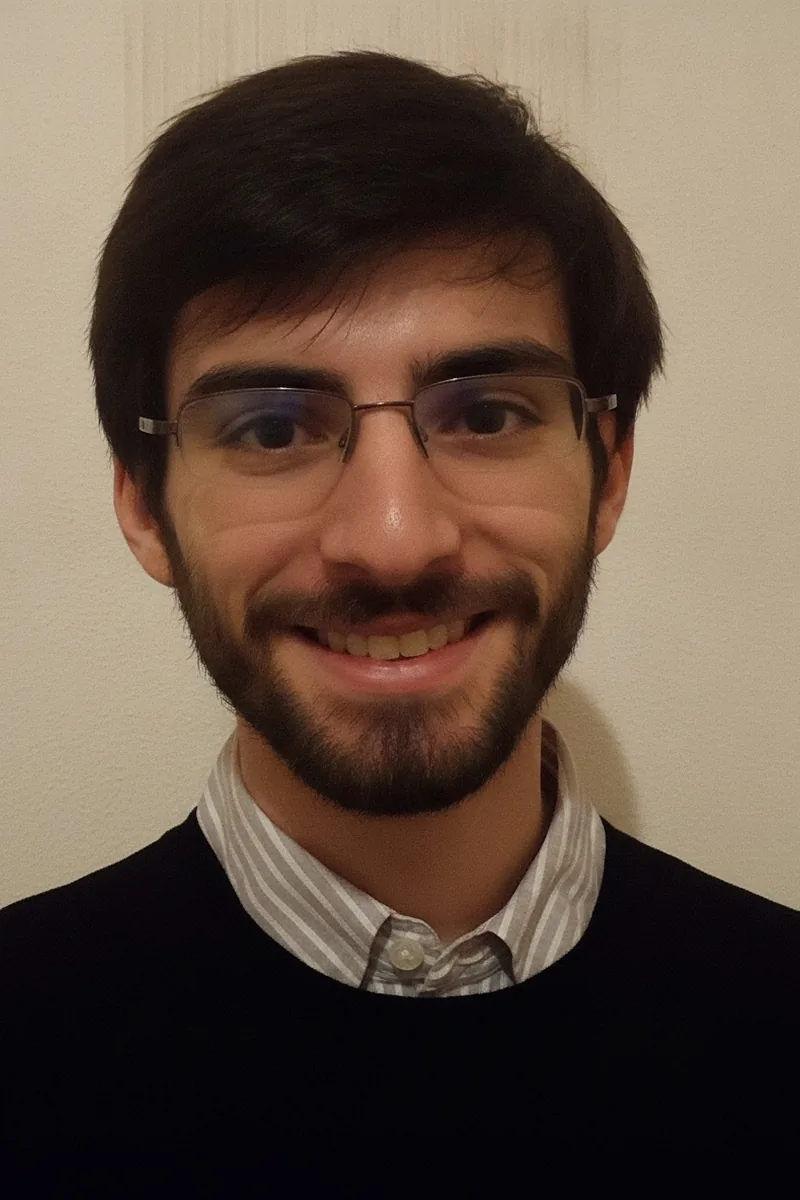
David's liberal arts training in English and critical reading translates well to AP Art History, where the real challenge isn't memorizing the 250-image set but writing tightly argued essays that connect visual evidence to cultural context. He treats each work like a text to be read — teaching students to identify formal choices, ask what they communicate, and build that analysis into the kind of structured prose the free-response questions reward.
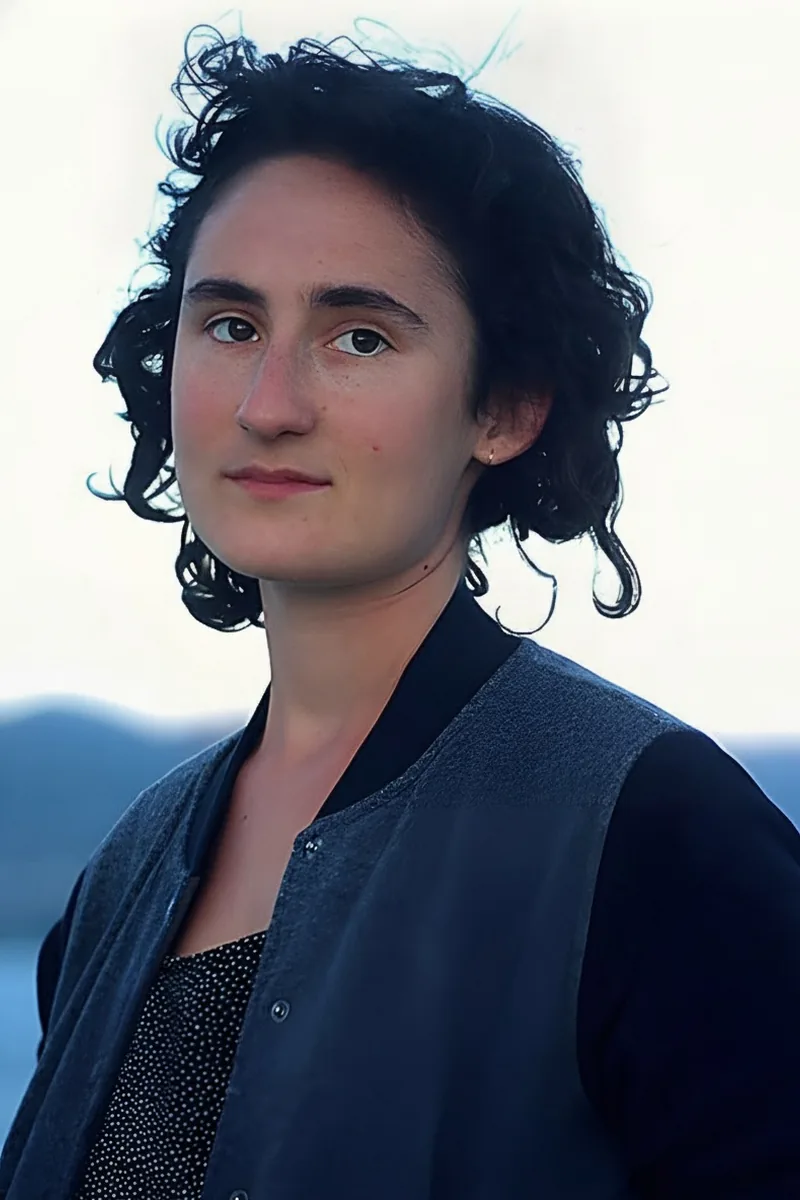
Teaching art history in museums, classrooms, and community spaces across New York, Chicago, and Vienna gave Sarah a cross-cultural fluency that maps directly onto the AP exam's global content areas — she can contextualize a Shinto shrine and a Bauhaus building within the same analytical framework. Her anthropology degree sharpens that further, turning the 250-image set's questions about function, patronage, and cultural meaning into the kind of fieldwork-style inquiry she was trained in. Rated 5.0 by students.
Art history isn't just about identifying works — it's about explaining why a Gothic cathedral communicates power differently than a Mughal miniature. Jorge's anthropology background gives him a sharp eye for how art functions within its cultural context, from ritual objects in pre-Columbian societies to propaganda in twentieth-century regimes. He teaches students to build the kind of contextual analysis that earns top marks on the AP exam's essays.
Varun's Government and Film and Media Studies degrees give him two angles that converge neatly in AP Art History — he understands how political power and visual storytelling shape the production and reception of art across cultures. He teaches students to analyze works from the 250-image set through the lens of propaganda, patronage, and media, turning the contextual essay prompts into something that feels more like building an argument than recalling facts. Rated 4.8 by students.
Leading debates on Senate bills with high schoolers at the Edward M. Kennedy Institute taught Danlan how to make students argue from evidence about institutions, power, and policy — skills that transfer directly to AP Art History's free-response essays on patronage, governance, and the cultural forces behind artistic production. Her international relations degree adds genuine depth when students need to contextualize works across non-Western political and religious traditions. Rated 5.0 by students.
I am not tutoring, I enjoy reading fiction, going to the movies, and spending time with my friends and family in the sunshine.
Eight years of ESL tutoring taught Danya something most AP Art History tutors skip — how to make unfamiliar cultural contexts accessible to students who don't share them, which is exactly what the exam demands when it asks students to interpret works across ten global content areas. Her English training at Columbia sharpens the writing side, where she coaches students to build the kind of thesis-driven free-response essays that turn visual observations into persuasive cultural arguments.
Kelly's French degree might seem like an odd fit for AP Art History, but language training builds exactly the close-reading and cultural-context skills the exam's free-response essays demand — she knows how to teach students to analyze a work's function within a specific society rather than just describe what they see. Her international travel across multiple countries also gives her firsthand familiarity with art and architecture that many students only encounter as slides.
Finance might seem worlds apart from art history, but Victor's training in valuation and market analysis translates surprisingly well to understanding how patronage, trade routes, and economic power shaped artistic production — from Medici-funded Renaissance commissions to the global ivory trade behind Benin bronzes. He teaches students to read works through those economic and political lenses, which is exactly the kind of contextual argument the AP exam's free-response questions reward.
Iris's University of Chicago training in both Anthropology and History and Philosophy of Science means she naturally reads artworks as cultural artifacts — asking what a Jowo Rinpoche statue or a Ndop figure reveals about the society that produced it, which is exactly the kind of cross-cultural contextual thinking the AP Art History exam tests. She's especially well-suited to the Global Prehistory and Indigenous Americas content areas where anthropological knowledge turns unfamiliar works into readable arguments about ritual, power, and identity.
Philosophy trains you to dissect arguments, trace ideas across centuries, and write with precision — three skills that map directly onto AP Art History's demand for contextual analysis and evidence-driven free-response essays. Patrick applies that philosophical lens to the 250-image set, teaching students to treat works as visual arguments shaped by the belief systems, ethical debates, and intellectual movements of their time.
Growing up as the person who dragged her parents through art museums, Charlotte developed an instinct for contextualizing visual works within the stories and power structures behind them — the exact skill AP Art History's exam is built to measure. Her NYU Drama training sharpened her ability to read imagery as performance, teaching students to analyze how artists stage meaning through composition, space, and symbolism for the free-response essays.
Most students walk into AP Art History expecting to memorize 250 images and call it a day. Rachel reframes the course around the questions the exam actually asks: how context shapes artistic choices, how form communicates meaning, and how to write a sharp comparative analysis under time pressure. Her background in political science adds depth when discussing art tied to power, propaganda, and social movements.
An accounting background might seem far from art history, but Amy's economics training at Purdue taught her to analyze how trade, wealth, and patronage systems shaped artistic production — exactly the kind of contextual thinking the AP Art History exam rewards. She pairs that with a genuine love of art and reading to teach students how to connect works from the 250-image set to the economic and cultural forces behind them.
Public health is fundamentally about how societies organize around shared values — sanitation, access, equity — and that same lens applies surprisingly well to AP Art History, where students need to explain how cultural priorities and social structures shaped everything from Egyptian funerary art to WPA murals. Shripal teaches students to read works as artifacts of the communities that produced them, connecting form and function to the public forces behind them. Rated 5.0 by students.
Studying ancient Mediterranean civilizations at Carleton means Emma lives in the material AP Art History covers — Greek temple architecture, Roman sculptural programs, Near Eastern reliefs. She connects visual analysis to the historical and cultural contexts that the AP exam rewards, teaching students to write comparative essays that go beyond surface-level description.
Christopher's memory-sport training — he's actively working toward a Guinness World Record — gives him a genuinely unusual skill set for tackling the 250-image set, where students need to recall specific works, artists, dates, and cultural contexts under exam pressure. But he pairs those memorization techniques with a science student's habit of asking how systems connect, which translates well to the contextual and comparative essays where the AP exam tests whether students understand why a work was made, not just what it looks like.
I'm a native Spanish and English speaker. I graduated with Honors in Art History and Philosophy from the University of Chicago. As a trilingual, I easily understand the difficulties and processes involved in learning a new language! I have been teaching Spanish and English to students worldwide for years. I am passionate about teaching languages as I have been blessed by life-changing opportunities by speaking fluidly with people from other cultures.
Studying art history at Vanderbilt means Elena doesn't just recognize a Bernini sculpture or a Mughal miniature — she can explain the cultural, religious, and political contexts that produced them. AP Art History covers 250 required works spanning global traditions, and Elena teaches students to analyze visual evidence using formal vocabulary like contrapposto, chiaroscuro, and iconography. She turns what feels like overwhelming memorization into a set of analytical patterns.
Most students walk into AP Art History expecting a slide-memorization marathon and quickly discover the exam actually tests contextual analysis — explaining how a Benin bronze reflects trade networks or why Baroque architecture served Counter-Reformation goals. Sarah's interdisciplinary background in political science and her love of art give her a natural framework for connecting visual works to the power structures and cultural movements behind them. She teaches students to build the kind of comparative arguments the free-response questions demand.
Testimonials
Because the right AP Art History tutor makes all the difference.
Average Session Rating – Based on 3.4M Learner Ratings
Practice AP Art History
Free practice tests, flashcards, and AI tutoring for AP Art History
Nearby AP Art History Tutors
Other Albany Tutors
Related Social Studies Tutors in Albany
Frequently Asked Questions
AP Art History spans art from prehistory through the present day, organized into four time periods across global cultures. The course emphasizes understanding artworks in their historical context, analyzing visual elements, and making connections between different cultures and time periods. Students study everything from ancient Egyptian architecture to contemporary digital art, with particular focus on major movements, artists, and works that shaped human civilization.
The exam consists of two sections: a multiple-choice section with 80 questions (50 minutes) and a free-response section with 3 essays (60 minutes). The multiple-choice tests visual analysis and historical knowledge, while the essays require you to analyze specific artworks, compare works across cultures, or discuss broader artistic movements. Time management is critical—many students struggle with pacing through the visual analysis questions, which is why practice tests are essential for building test-day confidence.
Students often struggle with memorizing hundreds of artworks and their historical contexts, distinguishing between similar artistic periods, and developing strong visual analysis skills under timed conditions. Many also find it challenging to write concise essays that connect specific artworks to broader historical themes. Personalized tutoring helps you build systematic study strategies, learn efficient memorization techniques, and practice analyzing unfamiliar artworks—skills that directly transfer to exam day.
A score of 3 or higher is considered passing and earns college credit at most institutions, though competitive colleges often prefer 4s and 5s. The national average score is typically around 2.5-3, so scoring a 4 or 5 puts you well above average. With focused preparation and consistent practice, most students can improve their performance by working with a tutor to strengthen weak areas and develop strategic test-taking approaches.
Most students benefit from 3-4 months of consistent preparation, with study sessions 3-4 times per week. If you're starting closer to exam day, intensive tutoring can help you prioritize the highest-impact topics and practice tests. The key is balancing breadth (covering all four time periods) with depth (truly understanding major artworks and movements rather than surface-level memorization).
Visual analysis is a skill that improves with deliberate practice. Start by analyzing unfamiliar artworks using a structured framework: identify the medium, subject matter, composition, and historical context, then connect these observations to broader artistic movements. Tutors can teach you efficient analysis strategies and have you practice on dozens of artworks—both famous pieces and lesser-known works—so you develop confidence analyzing anything on exam day.
Test anxiety often stems from uncertainty about what to expect. Taking full-length practice tests under timed conditions builds familiarity with the exam format and reduces anxiety significantly. Working with a tutor to review practice tests, identify patterns in your mistakes, and develop a personalized test-day strategy also builds confidence. Knowing you've thoroughly prepared and have a solid approach to each section helps you stay calm and focused.
Your first session focuses on understanding your current knowledge level, identifying your strongest and weakest time periods, and assessing your visual analysis skills. Varsity Tutors connects you with an expert tutor who will discuss your goals, create a personalized study plan, and often start with a practice test or sample questions to pinpoint exactly where to focus your efforts. This foundation ensures every subsequent session builds directly toward your target score.
Let’s find your perfect tutor
Answer a few quick questions. We’ll recommend the right plan and match you with a top 5% tutor.