Award-Winning AP Environmental Science Tutors
serving Kansas City, MO
AP Environmental Science
Tutors in Kansas City
Private 1-on-1 tutoring, weekly live classes for academic support, test prep & enrichment, practice tests and diagnostics, and more to elevate grades and test scores.
Based on 3.4M Learner Ratings
UniversitiesSchools & Universities
DeliveredHours Delivered
ProficiencyGrowth in Proficiency
Who needs tutoring?
No obligation. Takes ~1 minute.

Running a natural sciences department at a bilingual elementary school in Ecuador gave Joy firsthand experience with the ecological and conservation concepts that anchor the AP Environmental Science curriculum. She digs into topics like biogeochemical cycles, biodiversity loss, and resource management with real-world case studies drawn from her ecology and conservation biology specialization at Boston University. Her Master of Arts in Teaching adds a layer of exam-strategy coaching that keeps students focused on the free-response skills the AP exam rewards.
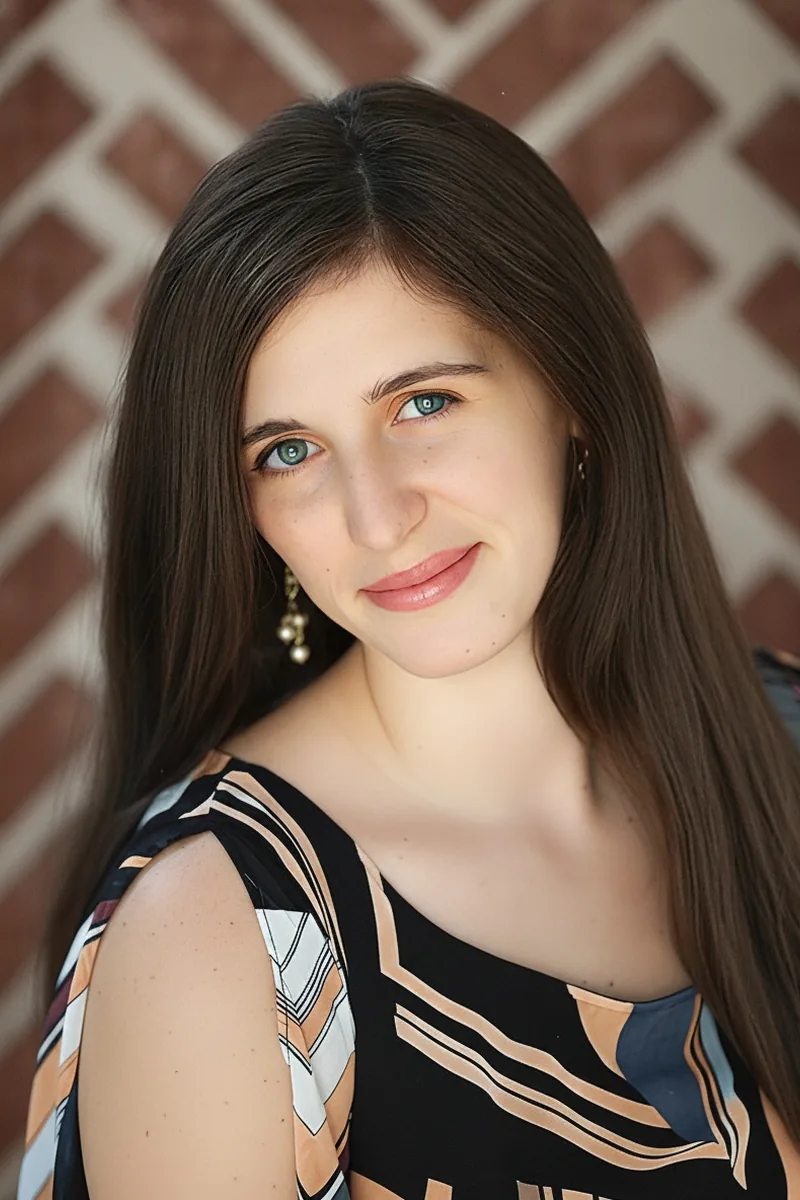
Creative writing isn't the obvious path to APES, but Sydney's strength is in the skill most students neglect: constructing clear, evidence-driven free-response answers that earn full credit instead of rambling through half-remembered vocabulary. Her 35 ACT and 1600 SAT reflect the kind of analytical reading ability that translates directly to interpreting experimental designs and data sets on the exam. Rated 4.9 by students.
Stanford's Science, Technology, and Society major sits at the exact intersection APES lives in — where ecological science meets human systems, policy decisions, and technological trade-offs. Rithika's IB and National AP Scholar background means she's already navigated the kind of interdisciplinary, essay-heavy exams that APES models itself on, and she uses that experience to teach students how to connect scientific evidence to real-world environmental consequences in their free-response answers.
Premed coursework in human biology builds an intuitive grasp of the biological systems that APES questions test — nutrient cycling, population growth models, and the health consequences of environmental degradation aren't abstract concepts for Sharan, they're threads running through his own studies at Cornell. He scored a 36 on the ACT, and that same precision with data shows up in how he teaches students to work through the math-based questions on ecological footprints and resource consumption that the exam buries between the conceptual material. Rated 5.0 by students.
Having earned her bachelor's in Environmental Science, Patricia didn't just survey APES topics — she studied biogeochemical cycles, soil science, and ecosystem dynamics at the college level they're drawn from. She zeroes in on the quantitative side students often underestimate, like calculating energy transfer efficiency or interpreting species diversity indices, while also sharpening the cause-and-effect reasoning the free-response section demands.
I am a 3rd year bio major at GT with minors in biochemistry and computer science. My tutoring subjects are math, bio, and chem. I have tutored for a few years, and I have also TAed! My favorite subjects are general chemistry and molecular biology (: My personal belief is that anyone can enjoy a subject once they truly understand it.
Scott earned his Master's in Ecology studying exactly the systems the AP Environmental Science exam tests — biogeochemical cycles, biodiversity loss, population dynamics, and resource management. He breaks down free-response questions by teaching students to connect data interpretation with the underlying ecological principles, which is where most points are won or lost on exam day.
Brown's public health curriculum digs into the human side of environmental problems — epidemiology, toxicology, resource policy — and Paul pairs that perspective with a biology major's understanding of the ecological systems APES actually tests. He teaches students to connect pollution sources to health outcomes and trace nutrient cycles through ecosystems, building the kind of layered cause-and-effect reasoning that earns full marks on free-response questions. Rated 5.0 by students.
Pharmacy students spend semesters on toxicology, chemical fate in biological systems, and dose-response relationships — concepts Amy applies directly to APES units on pollution, bioaccumulation, and human health impacts. Her biology minor at Northeastern reinforces the ecological side, from nutrient cycling to population dynamics, and a 1550 SAT signals the quantitative precision needed for the exam's calculation-heavy free-response questions. Rated 4.9 by students.
I am a sophomore at UIUC studying agricultural and biological engineering. Eventually, I hope to work on environmental engineering related projects concerning the improvement of ecosystem management and reducing the harmful effects of pollutants in the environment. As an aspiring engineer, my favorite subjects to teach students are math and science. I've been working with kids as a swim instructor and music teacher for the past six years now. As I've begun developing experience tutoring students, my favorite part about helping students learn math and science concepts is teaching them how these different concepts interconnect and later helping them to develop critical thinking skills to work through difficult material.
As a PhD student researching microbial ecology, Isaac lives the material that AP Environmental Science covers — biogeochemical cycles, ecosystem dynamics, biodiversity loss, and human impact on natural systems. He brings current research context into exam prep, connecting FRQ strategies to the kind of scientific reasoning the College Board actually rewards. His 5.0 rating speaks to how well that approach lands with students.
Political science might seem distant from APES, but Emily's government background is a real asset for the policy-heavy free-response questions — evaluating legislation like the Clean Air Act, weighing economic trade-offs of resource management, and constructing evidence-based arguments about environmental regulation. She pairs that with a 34 ACT and the visual-thinking skills of a trained photographer, which means she's unusually effective at teaching students to extract information from the data tables, diagrams, and graphs the exam relies on. Rated 5.0 by students.
Having earned her degree in Environmental Studies from Temple, Annie knows AP Environmental Science inside and out — from biogeochemical cycles and ecosystem energy flow to the policy and human-impact questions that dominate the free-response section. She also spent a gap year working on organic farms in New Zealand, which means topics like soil science, sustainable agriculture, and biodiversity loss come with firsthand context that sticks.
Testimonials
Because the right AP Environmental Science tutor makes all the difference.
Average Session Rating – Based on 3.4M Learner Ratings
Practice AP Environmental Science
Free practice tests, flashcards, and AI tutoring for AP Environmental Science
Nearby AP Environmental Science Tutors
Other Kansas City Tutors
Related Science Tutors in Kansas City
Frequently Asked Questions
The AP Environmental Science exam covers eight major units: The Living World, The Earth Systems and Resources, Population, Land and Water Use, Energy Resources and Consumption, Pollution, Global Change, and Sustainability. Each unit requires understanding both the science concepts and their real-world environmental applications. A tutor can help you master these interconnected topics and practice applying them to exam scenarios.
Score improvement depends on your starting point and commitment level, but students typically see meaningful gains—often 1-2 points on the 1-5 scale—when they work with a tutor on weak areas. The key is identifying which units or question types are holding you back, then building targeted practice around those gaps. Personalized 1-on-1 instruction helps you focus study time efficiently rather than reviewing material you already know.
Many students struggle with the breadth of content—APES covers biology, chemistry, geology, and ecology all at once—and connecting abstract concepts to real-world examples. The exam also requires strong data interpretation skills, especially for graphs and charts. Additionally, balancing quantitative problem-solving with qualitative essay responses can be tricky. Tutors can help you organize the material thematically and practice both question formats consistently.
The exam has two sections: a 80-minute multiple-choice section (80 questions) and a 90-minute free-response section (3 essays). Success requires both content mastery and strategic pacing—you'll need to move quickly through multiple-choice while leaving time to think through complex essays. Working with a tutor on full-length practice tests helps you build stamina, identify pacing issues, and refine your approach to each question type before test day.
Data analysis is a major component of the AP Environmental Science exam, appearing in both multiple-choice and free-response questions. The best approach is regular, targeted practice with real exam-style graphs, tables, and calculations—starting with guided practice and moving toward independent problem-solving. A tutor can teach you to quickly identify what a graph shows, calculate key metrics like population growth rates or carbon footprints, and explain environmental implications, all under time pressure.
The three free-response questions test your ability to apply environmental science concepts to real or hypothetical scenarios. Strong essays typically include a clear thesis, specific scientific evidence, and consideration of multiple perspectives or trade-offs. Many students rush through these or provide vague answers. Tutors can help you practice outlining essays quickly, supporting claims with concrete examples, and writing clearly under time constraints—skills that significantly boost your score.
Varsity Tutors connects you with expert tutors for students in Kansas City who specialize in AP Environmental Science. You can describe your goals—whether you're aiming for a 4 or 5, need help with specific units, or want comprehensive exam prep—and get matched with a tutor who fits your needs and schedule. Many tutors are experienced with the current exam format and can provide practice materials, study plans, and real-time feedback on your progress.
Ideally, you'll study throughout the school year since APES requires integrating knowledge across eight units. However, if you're starting later, even 8-12 weeks of focused prep with a tutor can yield significant improvements. The key is consistent practice with full-length exams and targeted review of weak areas in the final weeks. A tutor can help you create a realistic study schedule that fits your other commitments and prioritizes high-impact prep activities.
Let’s find your perfect tutor
Answer a few quick questions. We’ll recommend the right plan and match you with a top 5% tutor.