Award-Winning Biochemistry Tutors
serving Kansas City, MO
Biochemistry
Tutors in Kansas City
Private 1-on-1 tutoring, weekly live classes for academic support, test prep & enrichment, practice tests and diagnostics, and more to elevate grades and test scores.
Based on 3.4M Learner Ratings
UniversitiesSchools & Universities
DeliveredHours Delivered
ProficiencyGrowth in Proficiency
Who needs tutoring?
No obligation. Takes ~1 minute.
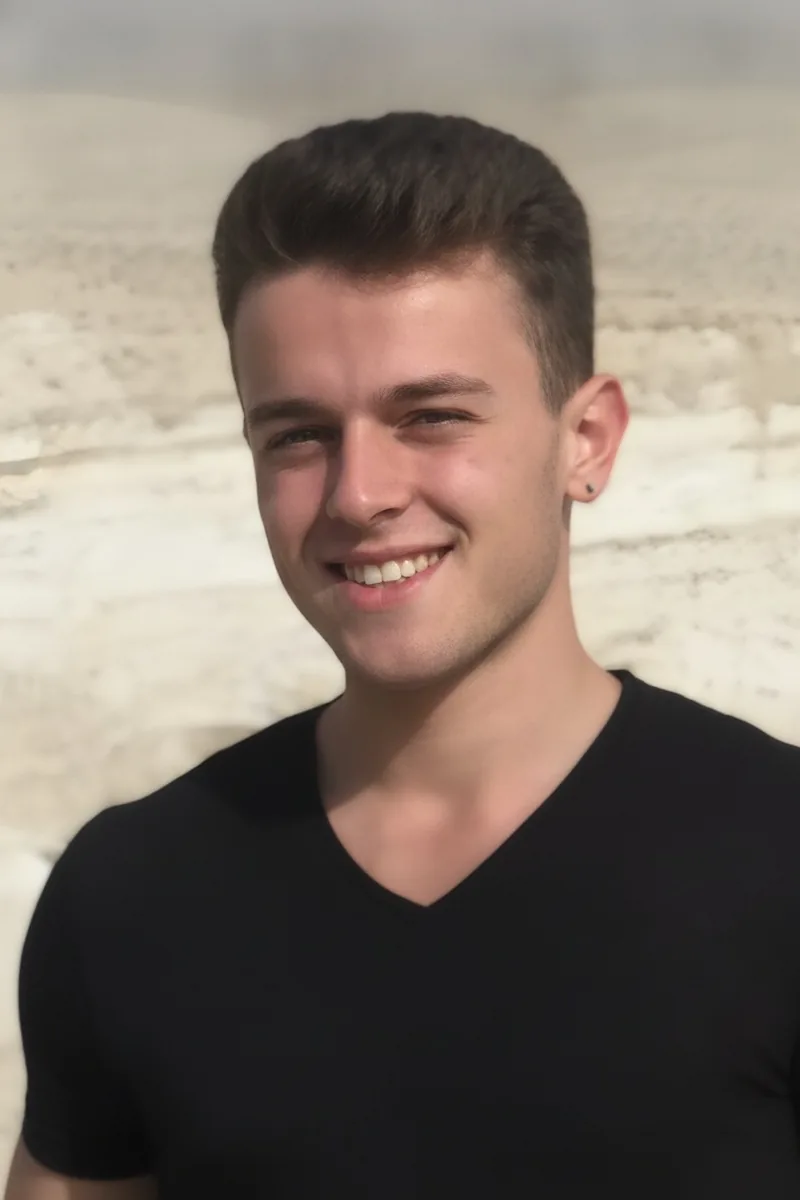
Enzyme kinetics, metabolic pathways, protein structure — biochemistry demands that students hold chemistry and biology in their heads simultaneously, which is exactly what medical school trains you to do daily. Jamie is currently at Sidney Kimmel Medical College and brings firsthand fluency with topics like Michaelis-Menten kinetics, amino acid chemistry, and the regulation of glycolysis and the citric acid cycle. He breaks down dense pathway diagrams into step-by-step logic that actually makes sense.
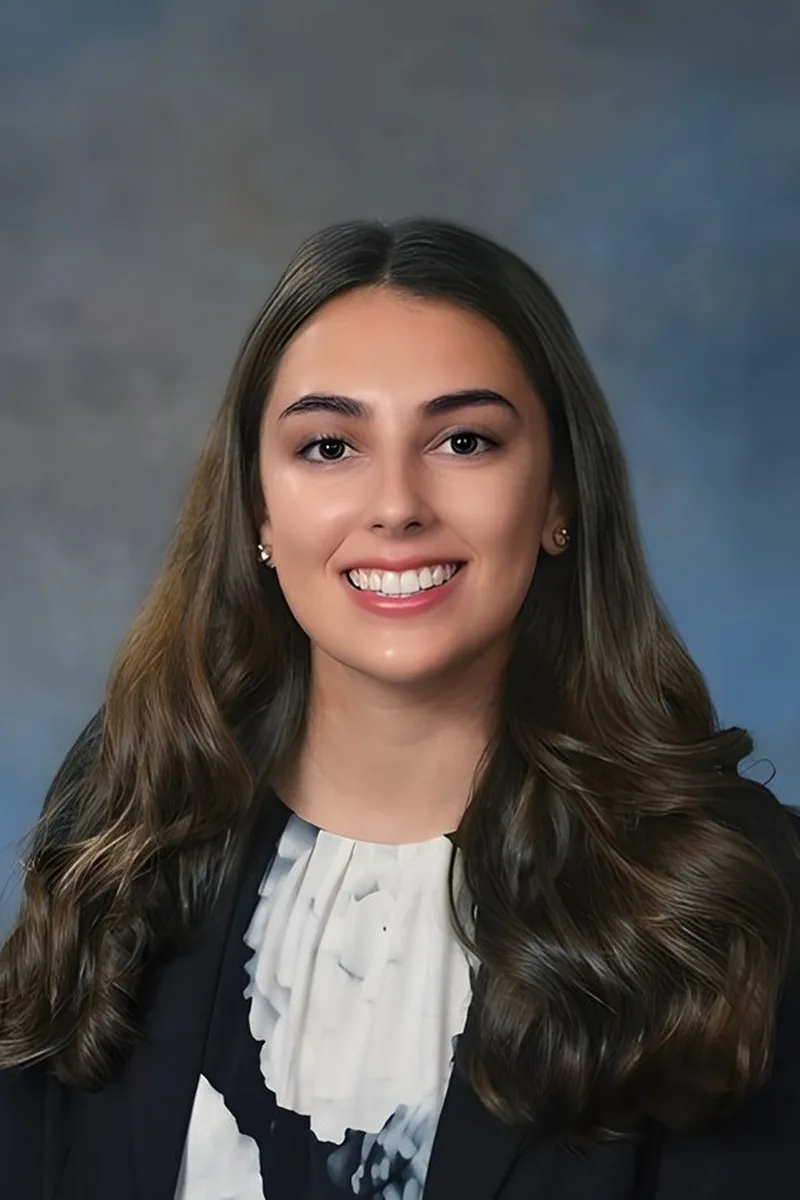
Four years of medical school gave Amanda a particular edge with the biochemistry that underpins clinical reasoning — she's internalized how disruptions in lipid metabolism or glycogen storage pathways manifest as actual disease states. Her biology degree and public health training add breadth, letting her teach topics like nucleotide biosynthesis or enzyme regulation by zooming out to the physiological stakes behind each reaction. Rated 4.7 by students.
Enzyme kinetics, metabolic pathways, protein structure — biochemistry sits at the intersection of biology and chemistry, and students often struggle because they try to learn each topic in isolation. Phoebe's Master's in Biomedical Sciences gave her deep fluency in exactly these systems, from amino acid chemistry to the regulation of glycolysis and the citric acid cycle. She unpacks each pathway by connecting molecular structure to biological function, which makes the logic stick.
Cassandra's biology degree gives her the cellular and molecular grounding to teach biochemistry from the chemistry up — she walks through topics like enzyme regulation and metabolic intermediates by connecting each reaction to the organic chemistry driving it. Seven years of tutoring math and science across middle school through college means she's seen where students lose the thread, especially when pathways like gluconeogenesis start layering on exceptions and reversals. Rated 4.9 by students.
I am very motivated to help others reach their academic goals. I am currently a master's student studying Immunology, but I have a background in general biology and chemistry, too, with a heavy emphasis on molecular biology and genetics.
I am a senior at the University of New Haven working on a B.S. in Forensic Science-Biology with a Pre-Medical designation who hopes to go to medical school in the future. I am most passionate about biology and chemistry but have a strong personal interest in history, especially topics overlooked in the past study of history. To me, learning is a life long process and leads to the development of a well-rounded individual. Seeing understanding of a difficult topic and creating enthusiasm for learning is what draws me to tutoring.
Having served as an undergraduate teaching assistant for introductory biochemistry at Cornell, Josef knows exactly which concepts — cofactor roles, enzyme regulation, the interplay between metabolic pathways — trip students up for the first time. He teaches by showing how biochemistry synthesizes organic chemistry, cell biology, and thermodynamics into a single coherent story, so each pathway feels like a logical extension rather than a separate thing to memorize. Rated 5.0 by students.
Dental students live in biochemistry — enzyme kinetics, metabolic pathways, amino acid structures — and Josh is right in the middle of that curriculum at Penn. He unpacks topics like glycolysis and protein folding by tying each reaction to a biological consequence, which turns a wall of chemical structures into a story that's far easier to retain.
Studying biochemistry at Penn as part of a pre-health track, Shayan lives in the world of enzyme kinetics, metabolic pathways, and protein structure daily. He breaks down dense topics like the citric acid cycle or amino acid chemistry using visual analogies and step-by-step logic that make the connections between reactions stick long after the session ends.
Enzyme kinetics, metabolic pathways, protein structure, nucleic acid chemistry — biochemistry demands that students hold molecular detail and big-picture logic in their heads simultaneously. Sugi graduated summa cum laude with a biochemistry degree from Rice and now applies that knowledge daily in medical school at Baylor. She teaches each pathway as a narrative with clear inputs, outputs, and regulatory checkpoints rather than a list to memorize.
Managing an immunology lab means Matthew doesn't just teach enzyme kinetics, protein structure, or metabolic pathways from a textbook — he uses them daily in his breast cancer research at Columbia. He walks through topics like signal transduction, amino acid chemistry, and lipid metabolism with the kind of specificity that turns confusing diagrams into logical sequences students can actually reason through.
Matt's graduate work in human nutrition required him to trace every major metabolic pathway from the molecular level up — how macronutrients get broken down, shuttled through the citric acid cycle, and ultimately converted to usable energy. That nutritional biochemistry lens means he teaches topics like lipid metabolism and amino acid catabolism with a constant eye on physiological context, making reaction sequences feel purposeful rather than arbitrary. Holds a 5.0 rating.
Testimonials
Because the right Biochemistry tutor makes all the difference.
Average Session Rating – Based on 3.4M Learner Ratings
Practice Biochemistry
Free practice tests, flashcards, and AI tutoring for Biochemistry
Nearby Biochemistry Tutors
Other Kansas City Tutors
Related Science Tutors in Kansas City
Frequently Asked Questions
Biochemistry is the study of chemical processes within living organisms—how molecules like proteins, lipids, and nucleic acids interact to sustain life. It bridges biology and chemistry, making it challenging because it requires strong foundational knowledge in both fields. Understanding biochemistry deeply is essential for students pursuing careers in medicine, pharmacy, research, or biotechnology, and mastering it now sets a strong foundation for advanced science coursework.
Students often struggle with visualizing molecular structures and metabolic pathways that exist at scales invisible to the naked eye, balancing complex chemical equations, and understanding how abstract concepts like enzyme kinetics apply to real biological systems. Many also find it difficult to move beyond memorization to truly grasp why biochemical reactions occur the way they do. Personalized 1-on-1 instruction helps students develop the conceptual understanding and problem-solving skills needed to connect these abstract ideas to real applications.
A tutor can break down complex topics like cellular respiration, protein synthesis, and metabolic regulation into manageable pieces, help you visualize molecular structures and reaction mechanisms, and teach you strategies for balancing equations and solving quantitative problems. Beyond content mastery, personalized instruction develops your scientific reasoning skills—helping you understand not just what happens in a biochemical reaction, but why it matters and how it connects to broader biological systems. This deeper understanding typically translates to stronger exam performance and greater confidence in the subject.
Your first session is designed to assess your current understanding, identify specific areas of struggle, and establish a personalized learning plan. A tutor will likely review your course materials, ask you to work through a problem or explain a concept, and listen carefully to understand where your gaps are—whether that's foundational chemistry knowledge, visualization skills, or conceptual understanding of metabolic pathways. From there, you'll develop a focused approach tailored to your learning style and academic goals.
Absolutely. Tutors can help you understand the theory behind lab protocols, interpret experimental results, and develop stronger scientific reasoning skills that make lab work more meaningful. Whether you're struggling to understand why a particular technique is used, how to analyze data, or how to connect your lab observations to lecture concepts, personalized instruction can clarify these connections and help you approach experiments with greater confidence and deeper understanding.
Effective biochemistry learning requires focusing on mechanisms and relationships rather than isolated facts—understanding why a substrate binds to an enzyme's active site, or how ATP production connects to electron transport chains. A tutor can help you build concept maps, work through problems from first principles, and practice retrieval and application of knowledge rather than rote memorization. This approach not only deepens your understanding but also makes the material more memorable and applicable to new problems you'll encounter on exams.
Varsity Tutors connects you with tutors who have strong backgrounds in biochemistry and experience helping students master this challenging subject. When you reach out, you can discuss your specific needs—whether you're preparing for an exam, struggling with particular topics, or looking for ongoing support throughout the semester—and get matched with a tutor whose expertise and teaching style align with your goals.
Tutoring rates vary based on factors like tutor expertise, your specific needs, and the frequency and length of sessions. Varsity Tutors offers flexible options to fit different budgets and schedules. When you connect with a tutor, you can discuss pricing and structure sessions in a way that works for you—whether that's intensive exam prep or consistent weekly support throughout the term.
Let’s find your perfect tutor
Answer a few quick questions. We’ll recommend the right plan and match you with a top 5% tutor.