Award-Winning Mandarin Chinese Tutors
serving Detroit, MI
Mandarin Chinese
Tutors in Detroit
Private 1-on-1 tutoring, weekly live classes for academic support, test prep & enrichment, practice tests and diagnostics, and more to elevate grades and test scores.
Based on 3.4M Learner Ratings
UniversitiesSchools & Universities
DeliveredHours Delivered
ProficiencyGrowth in Proficiency
Who needs tutoring?
No obligation. Takes ~1 minute.
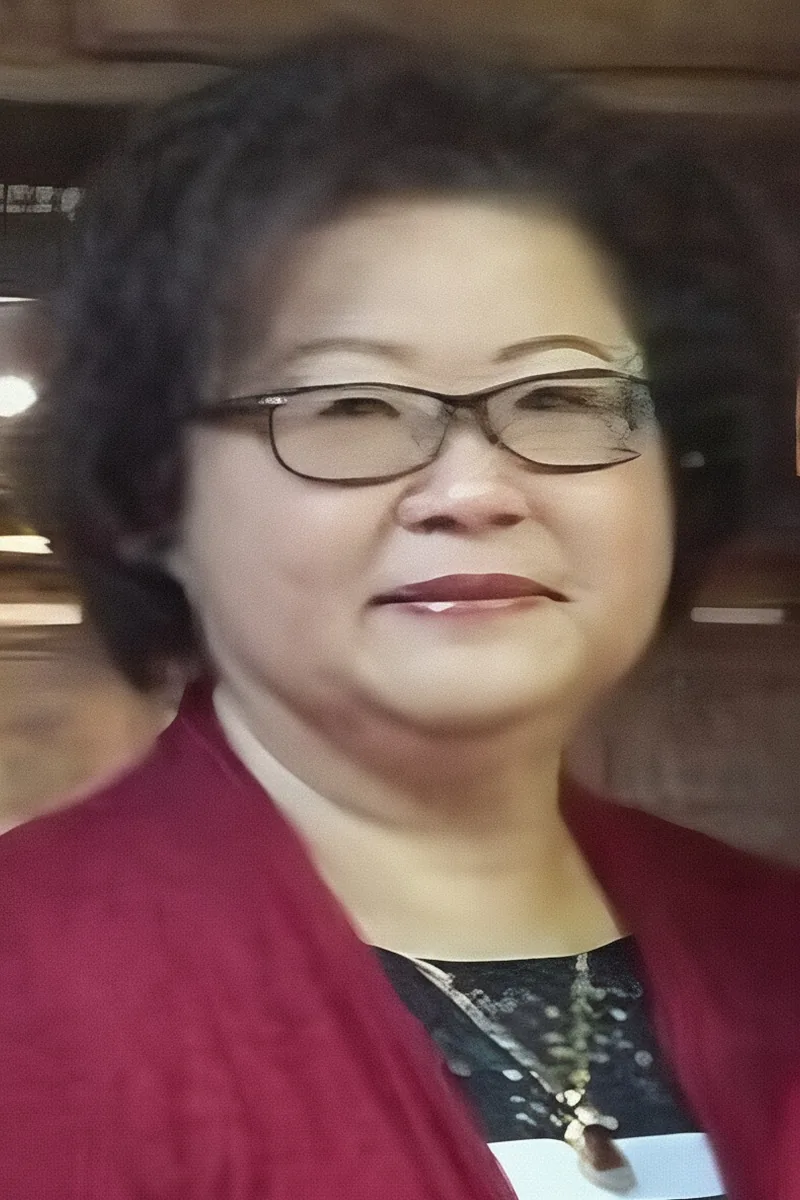
Born and raised in Taiwan with a bachelor's degree from National Taiwan University, Lulu is a native Mandarin speaker who understands exactly where English-speaking learners stumble — tones, measure words, character stroke order, and sentence structures that have no English equivalent. She adapts her teaching to each student's level, from pinyin basics through advanced reading and composition.
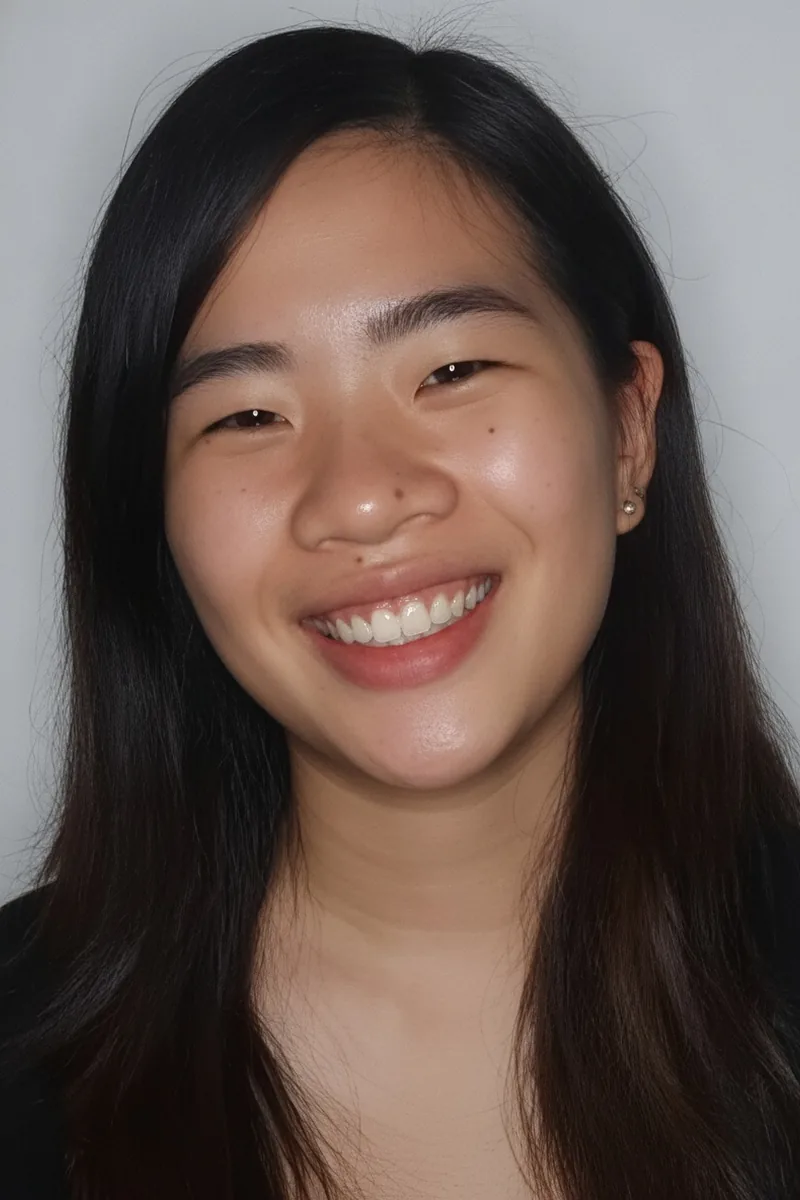
Kerry teaches Mandarin Chinese across multiple proficiency levels, covering tonal pronunciation, character recognition, and sentence structure from the ground up. She emphasizes the link between reading and speaking so students build vocabulary they can actually use in conversation, not just recognize on a worksheet.
An Asian Studies minor at Elon University gives Maria daily engagement with Mandarin beyond the classroom, from reading Chinese texts to understanding cultural context behind the language. She breaks down tonal pronunciation and character stroke order into repeatable practice routines that make early Mandarin feel less overwhelming. Her structured, repetition-based approach is especially useful for mastering pinyin and building a working vocabulary.
Learning Mandarin means juggling tonal pronunciation, character recognition, and grammatical structures that work nothing like English. Jennifer teaches across multiple levels of Mandarin and can walk students through everything from radical-based character memorization to sentence patterns using 把 and 被 constructions. Her conversational fluency adds a practical dimension that pure textbook study often misses.
Tony tutored Mandarin Chinese through a DC-based tutoring company, covering tonal pronunciation, character recognition, and sentence structure. His Yale biology background also means he can connect vocabulary building to systematic memorization techniques that make retention of radicals and compound characters far more manageable.
Yan is a Chinese language tutor who brings both native fluency and formal teaching training to Mandarin instruction. She tackles tones, character writing, and conversational patterns by designing custom materials that match each student's level — whether they're learning pinyin basics or preparing for more advanced reading and composition. Her four years of classroom teaching in Boston sharpened her ability to explain tricky grammar structures in ways that actually stick.
Mandarin was at the center of Jacob's University of Chicago degree, where he studied the language alongside Chinese history, literature, and culture. That immersion means he can explain not just how characters and tones work but why certain grammatical structures exist — connecting vocabulary to the cultural logic behind it. He's developing his own acquisition methods designed to accelerate real conversational fluency.
Having taught at a Mandarin school, Nova approaches Chinese instruction with an ear for the tonal precision and character stroke order that textbooks often gloss over. She's particularly effective at bridging the gap between conversational ability and written literacy — teaching students to read and write characters while reinforcing proper pronunciation. Her 5.0 rating speaks to how well that balance works.
Mandarin's tonal system and character-based writing can feel overwhelming at first, but Allison breaks it into manageable pieces — practicing tone pairs in context, learning radicals to decode unfamiliar characters, and building sentence patterns that transfer across topics. Her experience with Mandarin coursework through multiple levels means she understands exactly where English speakers tend to stumble.
Tammy teaches Mandarin across four proficiency levels, from foundational character recognition and tonal pronunciation through intermediate reading and composition. Whether a student is wrestling with measure words, aspect particles, or the logic behind radical-based characters, she breaks the language into patterns that make retention easier. Rated 5.0 by students.
Proficient in both Pinyin and Zhuyin (Bopomofo), and fluent in Simplified and Traditional Chinese, Yi brings a rare linguistic range to Mandarin instruction. Her training in phonology, semantics, and Chinese paleography allows her to explain tonal distinctions, character etymology, and grammatical structures at a level most tutors simply can't — whether a student is preparing for AP Chinese or building conversational fluency from scratch.
Tackling Mandarin means mastering tones, radicals, and measure words all at once, and June breaks each of these down systematically rather than expecting students to absorb them through repetition alone. Her engineering mindset at Brown carries over: she treats character memorization as a pattern-recognition problem, grouping radicals and phonetic components so new vocabulary builds on what students already know.
Asta's experience teaching the SAT Chinese Subject Test and living in Hong Kong gave her a practical grasp of Mandarin that bridges formal grammar with real-world usage. She tackles tonal accuracy, character recognition, and sentence structure by connecting each concept to contexts students will actually encounter — ordering food, reading signs, or discussing current events.
Cindy teaches Mandarin across four course levels, from introductory pinyin and tone work through more advanced reading and conversation — so she can match instruction to wherever a student currently stands. As a current Penn undergrad who balances Mandarin alongside her political science coursework, she brings a learner's perspective on what makes vocabulary and grammar patterns click. Rated 5.0 by students.
Having prepared for and taken the SAT Subject Test in Chinese with Listening, Eileen knows firsthand where English speakers stumble — tonal distinctions, measure words, and character recognition under pressure. She breaks Mandarin practice into targeted drills that build reading fluency and listening comprehension simultaneously.
Testimonials
Because the right Mandarin Chinese tutor makes all the difference.
Average Session Rating – Based on 3.4M Learner Ratings
Other Detroit Tutors
Related Languages Tutors in Detroit
Frequently Asked Questions
Fluency depends on your starting level and study intensity, but reaching professional proficiency generally takes around 2,200+ hours of study according to language learning research. With consistent personalized tutoring combined with regular practice, many students progress significantly within 6-12 months. A tutor can accelerate your timeline by focusing on your specific goals—whether that's conversational fluency, business communication, or test preparation.
In a typical Detroit classroom with a 20.7:1 student-teacher ratio, speaking time is limited. Personalized tutoring gives you dedicated conversation practice every session, allowing tutors to correct your pronunciation, tone, and grammar in real-time. This focused speaking practice is essential for Mandarin, where tones and accent directly affect meaning—something that's difficult to master without consistent individual feedback.
Mandarin's four tones are one of the biggest challenges for English speakers, since tone changes meaning entirely. Expert tutors use targeted exercises to train your ear and mouth simultaneously, breaking down tone patterns and having you practice in context rather than isolation. With personalized feedback on your specific pronunciation patterns, you'll develop muscle memory much faster than studying alone.
Rather than memorizing characters in random order, tutors teach you to recognize radicals and stroke patterns—the building blocks that make learning thousands of characters manageable. Personalized instruction lets tutors focus on characters relevant to your goals, whether that's HSK exam preparation, reading literature, or business communication. Spaced repetition combined with writing practice helps characters stick in your long-term memory.
The most effective approach combines both: understanding grammar structures helps you build sentences intentionally, while natural conversation practice helps you internalize how natives actually speak. Tutors balance explicit grammar instruction with conversational use, so you're not just memorizing rules but learning how they work in real dialogue. This hybrid approach gets you speaking confidently faster than either method alone.
Language and culture are inseparable—idioms, formal vs. informal speech, and communication styles all reflect Chinese cultural values. Tutors often weave cultural context into lessons, explaining why certain phrases are used and how to communicate respectfully in different situations. This deeper understanding not only improves your language skills but also prepares you for real interactions with native speakers.
Vocabulary sticks best through repeated exposure in meaningful contexts, not through isolated flashcard drilling. Tutors teach you words within conversations and real-world scenarios you actually care about, then use retrieval practice—asking you to recall and use words in different contexts—to move them into long-term memory. This approach means the vocabulary you learn stays with you and becomes part of your active speaking toolkit.
Your initial session focuses on understanding your goals, current level, and learning style. Tutors assess your strengths across reading, writing, speaking, and listening to create a personalized plan. Whether you're starting from scratch, preparing for HSK exams, or improving conversational skills, this foundation ensures every future session targets what matters most to you.
Let’s find your perfect tutor
Answer a few quick questions. We’ll recommend the right plan and match you with a top 5% tutor.