Award-Winning AP US History Tutors
serving Worcester, MA
AP US History
Tutors in Worcester
Private 1-on-1 tutoring, weekly live classes for academic support, test prep & enrichment, practice tests and diagnostics, and more to elevate grades and test scores.
Based on 3.4M Learner Ratings
UniversitiesSchools & Universities
DeliveredHours Delivered
ProficiencyGrowth in Proficiency
Who needs tutoring?
No obligation. Takes ~1 minute.
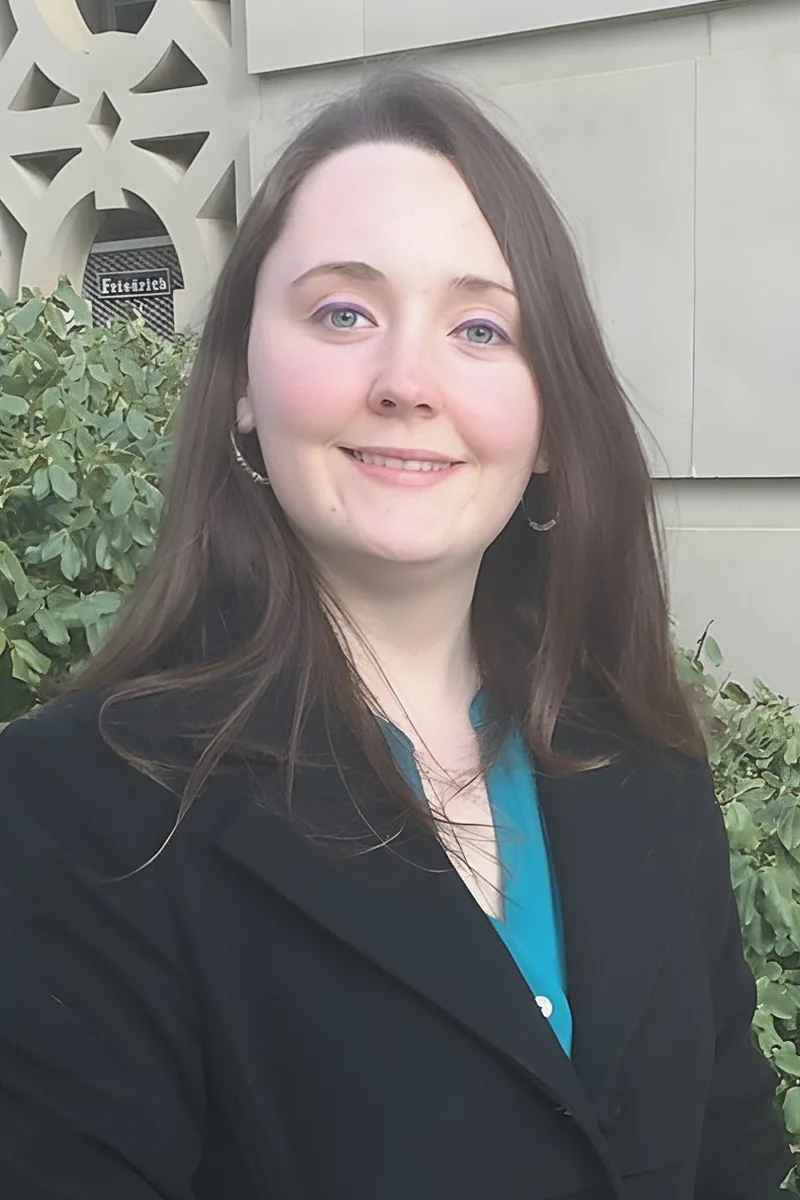
Linguistics trains you to analyze how language shapes meaning in context — who's speaking, to whom, and why the phrasing matters — which is exactly what APUSH document-based questions ask students to do with primary sources. Megan's graduate work in applied linguistics at Boston University and her cognitive science background give her a systematic way to break down a document's rhetorical moves, making the sourcing and audience-analysis points on the DBQ feel intuitive rather than formulaic. Rated 5.0 by students.
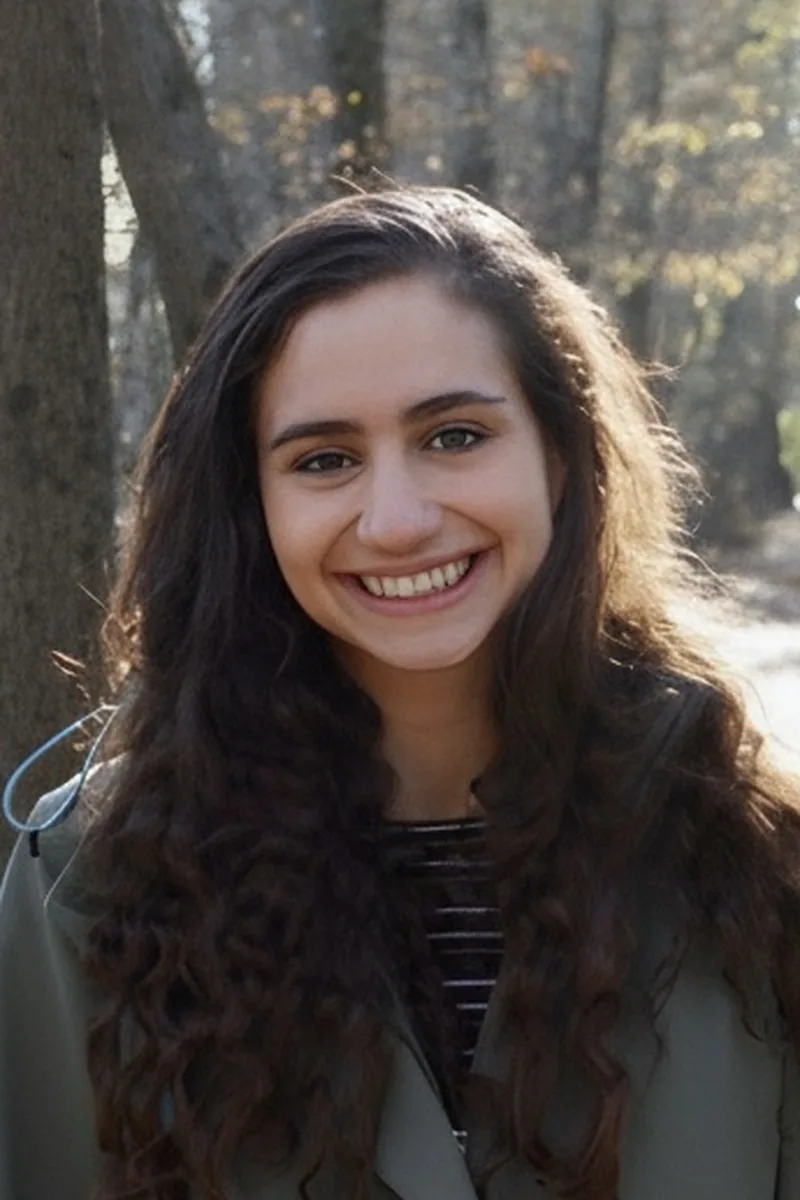
I'm excited to work with you or your child either on standardized test preparation or on generally improving performance in history, English, and social studies!
APUSH covers four centuries of American history in nine months, and the exam punishes students who memorize facts without understanding causation and historical thinking skills. Max is a practicing high school history teacher in Boston who lives in this material daily — he knows which periods the DBQ tends to target and how to construct a thesis that earns full points on the LEQ. His 5.0 rating speaks to how effectively he connects the content to the exam's specific demands.
AP US History's Document-Based Questions reward students who can do more than recall facts — they need to contextualize sources, identify bias, and build a coherent argument under time pressure. Paul applies the same evidence-based reasoning skills from his Brown research training to teach students how to dissect primary documents and craft essays that score well on the DBQ and LEQ rubrics.
Rob's triple major in English, Philosophy, and American Studies at Fordham — where he graduated Phi Beta Kappa — means he spent undergrad doing exactly what APUSH demands: reading primary sources critically, constructing thesis-driven arguments, and situating events within broader intellectual and cultural contexts. His philosophy training is especially useful for the causation and continuity-and-change questions that separate surface-level answers from high-scoring ones. Rated 5.0 by students.
Studying Science, Technology, and Society at Vassar meant Zoe spent her undergraduate years analyzing how scientific developments, government policy, and cultural values collide — exactly the kind of interdisciplinary thinking APUSH rewards when students need to trace how industrialization reshaped labor politics or how Cold War technology funding transformed American society. As a current Harvard Medical School student rated 5.0, she brings a research-driven rigor to document analysis and essay construction that keeps arguments evidence-tight rather than vaguely thematic.
An American Studies major, Samantha digs into APUSH through the thematic lenses the exam actually tests — periodization, continuity and change over time, and the kind of sourcing skills that turn a DBQ from overwhelming to manageable. She teaches students to build arguments that connect specific evidence (like the significance of Bacon's Rebellion or the Second Great Awakening) to broader historical patterns.
A finance master's and marketing bachelor's might seem like an unusual pairing for APUSH, but James's business training gives him a sharp read on the economic forces — tariff battles, industrialization, labor conflicts — that drive many of the exam's most frequently tested periods. He also teaches Spanish and has strong writing chops across essay editing and college essays, which means he can coach students through both the content reasoning and the thesis construction that DBQ and LEQ graders actually look for.
The AP US History exam rewards students who can construct a tight DBQ argument under time pressure, not just recall dates and names. Sophie's training in Peace & Justice Studies at Tufts sharpens her ability to teach the kind of sourcing, contextualization, and evidence-based reasoning the College Board actually scores on. She breaks down each document type — political cartoons, speeches, court opinions — so students know how to deploy them strategically in their essays.
Between his political science major, math minor, and active roles in Model UN and the Northeastern Political Review, Justin lives in the overlap of policy analysis and persuasive writing that APUSH constantly tests — especially on questions about constitutional debates, political realignments, and the evolution of federal power. His 35 ACT and 5.0 rating back up the kind of timed, thesis-driven performance the exam's DBQ and LEQ demand.
Early American history and classical cultures are where Gabrielle's enthusiasm runs deepest — she lights up tracing how colonial-era debates over liberty borrowed directly from Roman republican ideals, the kind of cross-period connection that APUSH rewards on both the DBQ and LEQ. Her English and History degree means she's equally comfortable unpacking a primary source's rhetoric as she is placing it in its historical moment. A 33 ACT reflects the timed analytical chops the exam actually demands.
Scoring highly on both the AP History and AP English exams gave Sarah a dual fluency that APUSH specifically rewards — she knows the content periods cold, but she also writes the kind of tight, evidence-driven arguments that push DBQ and LEQ scores from competent to convincing. Her biology training at Northeastern reinforced a hypothesis-and-evidence mindset she now applies to historical causation questions, where treating a thesis like a claim to be tested keeps essays focused and analytical. Rated 4.8 by students.
A French Literature degree means Evan spent years doing exactly what APUSH document analysis demands — close reading texts for audience, purpose, and historical context, then building interpretive arguments from that evidence. His broad teaching range across world history, European history, and Latin American history gives him the comparative framework that strengthens students' essays on periodization and continuity-and-change questions. Rated 5.0 by students.
Studying both history and psychology in the same undergraduate program trained Andrew to read historical events through two lenses at once — the structural forces that shaped policy and the human motivations behind individual decisions, which is exactly the kind of layered analysis APUSH's DBQ and LEQ prompts reward. He digs into periods like the Great Awakening, Jacksonian democracy, and postwar suburbanization by asking students why people acted the way they did, turning rote timelines into causal arguments. That dual background makes him especially sharp on the social and cultural themes the exam has leaned into more heavily in recent years.
International Relations majors at Tufts spend their time tracing how domestic policy decisions — tariffs, immigration law, military interventions — play out on the global stage, which is essentially the reverse engineering APUSH requires when students must explain why those decisions happened in the first place. Olivia uses that IR training to sharpen students' contextual analysis, particularly for periods like the Gilded Age, both World Wars, and Cold War containment policy where foreign and domestic threads are impossible to separate. Rated 5.0 by students.
Studying Politics, Philosophy, and Economics at George Washington University means Jacob is immersed daily in the exact intersection of ideas, power, and material interests that APUSH tests across every period — from Hamiltonian fiscal policy to Cold War containment strategy. His PPE training emphasizes building causal arguments from competing sources, which is precisely what the DBQ asks students to do under timed pressure. A 1530 SAT signals the reading and analytical speed the exam rewards.
AP US History's exam doesn't just test what happened — it tests whether a student can construct an argument using documents they've never seen before. Jon's Asian American Studies background at UCLA gave him deep experience analyzing primary sources through the lens of race, immigration, and social movements, which maps directly onto the DBQ and LEQ skills the exam demands.
Document-Based Questions are where most AP US History students lose points — not because they lack knowledge, but because they don't know how to contextualize a source and weave it into an argument. Hannah holds a bachelor's degree in History and an MFA in Creative Writing, which means she tackles both the content (from colonial mercantilism through the Civil Rights era) and the writing skills the exam actually rewards.
Studying both biology and philosophy at Boston College means Andrew spends his days toggling between empirical evidence and argumentative reasoning — the exact combination APUSH essays demand when students must marshal specific historical evidence into a persuasive thesis. He's particularly strong on causation and contextualization questions, where his philosophy training kicks in to untangle why events unfolded as they did rather than just when. Rated 5.0 by students.
Studying religion and psychology alongside Spanish gave Sydney an unusual toolkit for APUSH — she reads primary sources through the lens of cultural belief systems and social motivation, which is exactly what document-based questions reward when they ask about audience, purpose, and historical context. Her CLEP prep across American government, American literature, and humanities means she's already fluent in the political and cultural turning points the exam covers most heavily. Rated 4.9 by students.
A semester at Madrid's top-ranked university taking upper-level history courses alongside Spanish students gave Meghan something unusual for APUSH prep — the habit of examining American events through an outsider's lens, which is exactly the kind of contextualization and perspective-shifting the DBQ rewards. Her journalism training at Northwestern also means she treats every primary source like a reporter would, interrogating authorship, audience, and purpose before folding it into a thesis-driven argument. Rated 5.0 by students.
Political science majors spend years dissecting the constitutional tensions, legislative battles, and power dynamics that make up the core of the APUSH curriculum — Julian studied exactly the material the exam tests most heavily. His 1430 SAT signals strong timed reading and writing performance, which matters for an exam where the DBQ and LEQ live or die on how quickly a student can build a sourced, thesis-driven argument under pressure.
Kirstie's liberal arts training and Master's in Education come together most visibly in APUSH's essay sections, where students need to do two things at once — read primary sources with a literary eye and marshal them into a historically grounded argument. She leans heavily on her AP English skills when teaching document analysis, showing students how to identify an author's purpose and audience before they ever start writing their thesis. Rated 5.0 by students.
A Government major at Harvard, Richard spends his coursework dissecting the same constitutional debates, policy battles, and institutional power shifts that dominate APUSH's most heavily tested periods — from federalism disputes through Civil Rights-era legislation. That political science lens means he teaches students to analyze primary sources for political context and intent, building the kind of causation arguments the DBQ and LEQ actually reward. His perfect 1600 SAT and 36 ACT speak to the timed analytical precision the exam demands.
John's English and writing background translates directly to the essay-heavy demands of APUSH — the DBQ and LEQ are fundamentally persuasive writing tasks that happen to use historical evidence. He teaches students to treat each document like a text to be analyzed for purpose and audience, then build that analysis into a thesis-driven argument. His 4.9 rating and 36 ACT suggest the kind of analytical precision that makes timed essay writing click.
Anthropology trains you to analyze how cultures construct meaning — the same interpretive muscle APUSH flexes when students must contextualize a Reconstruction-era political cartoon or explain why Progressive reformers framed their arguments the way they did. Samantha's anthropology degree from Northwestern gives her a knack for unpacking the cultural assumptions embedded in primary sources, which is where most students lose points on the DBQ. Her 33 ACT and 1490 SAT back up the timed analytical performance the exam demands.
Evaluating hundreds of fellowship candidates' writing and academic work at a nonprofit gave Will a finely tuned sense for what makes a historical argument land — clear thesis, precise evidence, purposeful structure — which is exactly what APUSH's DBQ and LEQ score for. His humanities and political science degree from Villanova, plus coursework at Cambridge, means he can connect American political development to broader intellectual currents in ways that strengthen periodization and contextualization essays. Holds a 5.0 rating.
I am currently a senior at Northwestern University and I will be receiving a Bachelor of Arts in Political Science and Legal Studies this spring. In the fall, I will begin attending law school at Northwestern Law. For many years, I tutored a wide range of students in Spanish, English literature, and writing. I have also continued to help many high school seniors with college application essays. While I tutor a variety of subjects, I am very passionate about helping students improve their reading and writing skills, and I really enjoy helping students with Critical Reading and Writing portions of Standardized Tests. I love working with students and helping them realize their full academic potential. In my spare time, I enjoy traveling, exploring Chicago, reading, and cooking.
Testimonials
Because the right AP US History tutor makes all the difference.
Average Session Rating – Based on 3.4M Learner Ratings
Practice AP US History
Free practice tests, flashcards, and AI tutoring for AP US History
Nearby AP US History Tutors
Other Worcester Tutors
Related Social Studies Tutors in Worcester
Frequently Asked Questions
Score improvement depends on your starting point and commitment level, but students typically see meaningful gains within 8-12 weeks of consistent tutoring. A tutor can help you identify which time periods, themes, and question types are causing you to lose points, then build targeted strategies to address those gaps. Many students improve by 1-2 score points (on the 1-5 scale) by focusing on the exam's specific demands rather than just memorizing facts.
The AP US History exam covers the entire course from 1491 to the present, divided into nine units spanning different time periods and themes. You'll need to understand key events, figures, and historical developments across all units, but the exam emphasizes your ability to analyze change over time and make connections between periods rather than memorize isolated facts. A tutor can help you prioritize which topics appear most frequently on released exams and develop efficient study strategies for comprehensive coverage.
Test anxiety often stems from feeling unprepared for the exam's format and time constraints—the multiple-choice section requires answering 55 questions in 55 minutes, while the free-response section demands clear analysis under pressure. A tutor can build your confidence by having you practice with real AP exams under timed conditions, teaching you how to quickly identify what a question is asking, and helping you develop a pacing strategy that prevents you from rushing through harder questions. Regular practice with feedback also reduces anxiety by making the test format feel familiar rather than intimidating.
Most students struggle with three main areas: distinguishing between similar time periods or events, analyzing primary sources quickly under time pressure, and explaining historical causation rather than just listing what happened. The exam also challenges students who memorize facts without understanding broader historical themes and patterns. A tutor can help you move beyond memorization by teaching you to identify historical trends, evaluate sources critically, and construct arguments that directly answer the question being asked.
Practice tests are essential—they show you exactly what the exam format looks like, help you identify which topics and question types trip you up, and build your stamina for the full exam experience. Taking full-length practice tests under timed conditions is far more valuable than reviewing notes or flashcards alone. A tutor can review your practice test results with you, pinpoint patterns in your mistakes, and help you develop specific strategies to avoid making the same errors on test day.
Varsity Tutors connects you with tutors in Worcester who specialize in AP US History and understand the exam's specific demands—including how to analyze sources, manage time during the test, and construct strong free-response answers. When you get matched with a tutor, you can discuss your current score, which sections challenge you most, and your target score so they can create a personalized study plan. Many students benefit from starting tutoring 3-4 months before the exam to build both content knowledge and test-taking skills.
An effective schedule typically involves 2-3 tutoring sessions per week combined with independent study—reviewing notes, completing practice questions, and reading primary sources between sessions. Early preparation (starting in January or February for a May exam) allows time to cover all nine units thoroughly, while intensive preparation closer to the exam focuses on practice tests and weak areas. A tutor can help you balance breadth (covering all content) with depth (mastering the analytical skills the exam requires) based on your timeline and starting level.
Your first session typically involves discussing your current understanding of US History, reviewing your recent practice test scores or grades, and identifying which topics, time periods, or question types challenge you most. The tutor will also learn about your target score and timeline so they can create a personalized study plan. From there, you'll likely dive into content review or practice problems, with the tutor showing you how to approach AP-style questions and think through answers more strategically.
Let’s find your perfect tutor
Answer a few quick questions. We’ll recommend the right plan and match you with a top 5% tutor.