Award-Winning AP Spanish Literature and Culture Tutors
serving Louisville, KY
AP Spanish Literature and Culture
Tutors in Louisville
Private 1-on-1 tutoring, weekly live classes for academic support, test prep & enrichment, practice tests and diagnostics, and more to elevate grades and test scores.
Based on 3.4M Learner Ratings
UniversitiesSchools & Universities
DeliveredHours Delivered
ProficiencyGrowth in Proficiency
Who needs tutoring?
No obligation. Takes ~1 minute.
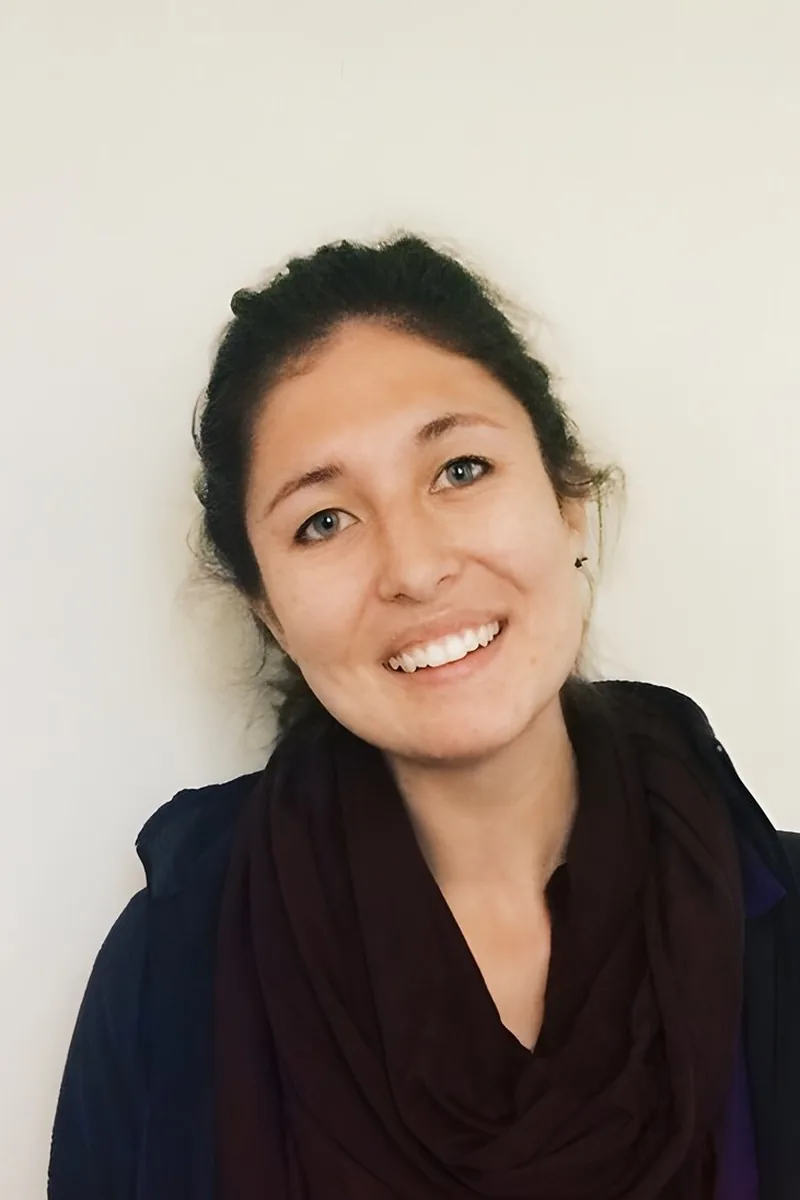
Living and traveling in Spanish-speaking countries while pursuing Latin American Studies at Wesleyan gave Reta firsthand immersion in the cultural movements — from colonial legacies to contemporary identity politics — that run through the AP reading list. She's taken both the AP Spanish Language and Literature exams herself and spent a semester tutoring a high school student one-on-one, so she knows where the gap between reading comprehension and genuine literary analysis tends to open up. Her government coursework also sharpens how she teaches students to read texts as arguments about power and society, which strengthens thematic essay writing.

Pre-med and AP Spanish Literature don't seem like natural companions, but Franshesca's coursework across all levels of Spanish — from introductory through AP — means she's built the language proficiency needed to read and discuss reading list texts in Spanish. Her science-trained habit of methodical analysis carries over surprisingly well to breaking down how a poet structures an argument or how a narrator's choices reveal theme, and she coaches students on organizing timed essays with that same precision. Rated 4.8 by students.
Iris's University of Chicago training in History and Philosophy of Science taught her to trace how ideas move across cultures and time periods — a skill that translates directly to the AP exam's thematic units, where students must connect a Borges story or a Sor Juana poem to broader cultural movements like "las sociedades en contacto" or "el tiempo y el espacio." Her anthropology background adds a layer most Spanish lit tutors lack: she reads texts for the cultural systems embedded in them, which strengthens the kind of contextualized argumentation the free-response essays demand.
Living in Bogotá as a Fulbright scholar while holding a double major in Spanish and Business from Emory means Michelle is immersed daily in the Colombian literary and cultural landscape — the kind of lived context that enriches discussion of Latin American works on the AP reading list. She brings that real-world fluency to essay practice in Spanish, particularly when students need to connect a text's themes to the broader cultural movements the exam expects them to articulate under timed conditions.
James's finance and marketing degrees aren't the obvious path to AP Spanish Literature — but his coursework through AP Spanish Literature and Culture plus Spanish 4 and his experience teaching across every level of the language mean he knows the reading list and can coach essay construction in Spanish. Where he adds unexpected value is in the argumentative structure side: building a persuasive, evidence-driven thesis under time pressure is something his business training reinforced from a different angle, and that discipline transfers directly to the AP free-response section.
A double major in Spanish and Government means Sarah studied the language at an advanced level while also learning to build the kind of thesis-driven, evidence-based arguments that the AP exam's free-response essays demand. She's taught across every level of Spanish from introductory through AP Literature and Culture, so she knows exactly where students stumble — whether it's parsing Sor Juana's baroque syntax or structuring a timed essay on "el tiempo y el espacio" without slipping into summary. Rated 5.0 by students.
This isn't Vivian's core subject — her strengths center on standardized test prep and English — but her 36 ACT and 4.9 rating speak to the analytical rigor she brings to any text-based exam. For students who already have solid Spanish fluency and need help with the structural side of timed literary essays (building a thesis, organizing evidence, writing under pressure), her test-taking instincts translate well to the AP free-response format.
Growing up as a native speaker of Spanish and Galician — two languages with deeply intertwined literary traditions — Andrea brings an intuitive ear for the register shifts, regional idioms, and poetic rhythms that surface in AP reading list texts from both Peninsular and Latin American canons. Her International Relations studies at Princeton, paired with a certificate in Spanish, trained her to read literature through the political and social forces behind it, which strengthens the kind of culturally grounded essay arguments the free-response section rewards. Rated 5.0 by students.
Before college, Heather's high school Spanish teacher trusted her enough to refer another student to her for one-on-one tutoring — the kind of endorsement that speaks to genuine command of the language beyond classroom basics. Her psychology training adds a useful angle for AP Literature essays where character motivation and identity themes drive the analysis, and she brings patient, structured coaching to students who get overwhelmed by timed writing in Spanish. Rated 5.0 by students.
A cellular and molecular biology major might seem like an unlikely fit for this exam, but Isaac's 35 ACT and his coursework in AP Spanish give him the analytical reading skills and structured argumentation that the free-response essays demand — thesis construction, evidence selection, and writing under time pressure. For students who already have strong Spanish fluency and need someone to sharpen the mechanics of timed literary analysis, his science-trained precision translates surprisingly well.
Adriana's biochemistry and history double major at Rice might seem unusual preparation for literary analysis, but dissecting historical arguments and scientific texts in two languages built exactly the kind of rigorous close-reading this exam rewards. Fluent in Spanish and holding a 5.0 tutoring rating, she walks students through the timed analytical essay process — constructing thesis-driven arguments about works on the AP reading list entirely in Spanish, with attention to both literary devices and the cultural contexts behind them.
Studying political science sharpened Claire's ability to read texts as arguments — identifying how authors use structure, rhetoric, and cultural context to advance a point of view, which is exactly the analytical muscle the AP Spanish Literature free-response essays test. She tutors across four levels of both Spanish and French, so she's comfortable conducting literary discussion and essay practice in the target language. Rated 5.0 by students.
Testimonials
Because the right AP Spanish Literature and Culture tutor makes all the difference.
Average Session Rating – Based on 3.4M Learner Ratings
Nearby AP Spanish Literature and Culture Tutors
Other Louisville Tutors
Related Languages Tutors in Louisville
Frequently Asked Questions
The AP Spanish Literature and Culture exam tests your ability to read, analyze, and discuss Spanish-language literature across different time periods and genres. You'll encounter poetry, prose, drama, and essays from Spain and Latin America, and the exam assesses your comprehension, analytical skills, and cultural understanding through multiple-choice questions, free-response essays, and oral components. The test requires not just language proficiency but also literary analysis skills—understanding themes, symbolism, narrative techniques, and historical context.
Many students struggle with the cultural and historical context required to fully understand texts—it's not enough to translate words; you need to grasp the author's perspective and the time period. Another common challenge is managing the timed essay sections, where you must analyze complex literary passages and construct coherent arguments in Spanish under pressure. Additionally, the variety of literary styles and regional Spanish dialects can be disorienting if you haven't been exposed to diverse texts beforehand.
Most students benefit from 3-4 months of focused preparation if they're already at an intermediate-to-advanced Spanish level, though starting earlier gives you more time to read widely and absorb cultural nuances. A typical study schedule includes reading one literary work every 1-2 weeks, practicing essay writing weekly, and completing full-length practice exams every 2-3 weeks as your exam date approaches. The key is consistent engagement with authentic Spanish texts rather than cramming—literature analysis skills develop gradually through repeated exposure and practice.
Score improvement depends on your starting point and commitment level, but students typically see 1-2 point increases (on the 1-5 scale) with focused preparation and expert guidance on test-taking strategies. If you're starting below a 3, working with a tutor on literary analysis techniques, essay structure, and time management can help you reach a 3 or 4 within a few months. The most significant gains come from understanding question formats, learning to identify what examiners are looking for, and building confidence in your analytical writing.
Your first session focuses on assessment and goal-setting—your tutor will evaluate your current reading comprehension level, essay-writing skills, and familiarity with the exam format to identify your strongest and weakest areas. You'll discuss your target score, timeline, and any specific concerns (like anxiety about timed essays or unfamiliar literary styles). From there, your tutor will create a personalized study plan that might include recommended texts to read, writing practice schedules, and strategies tailored to your learning style.
Strong AP Spanish essays require a clear thesis, specific textual evidence, and analytical depth—not just summary. Your tutor can teach you frameworks for organizing your thoughts quickly under time pressure, such as identifying key literary devices in the opening minutes and outlining your argument before writing. Regular practice with timed essays, followed by detailed feedback on your thesis clarity, evidence selection, and argument development, helps you internalize these skills so they become automatic during the actual exam.
Varsity Tutors connects you with tutors for students in Louisville who specialize in AP Spanish Literature and Culture and understand the specific demands of the exam. When you get matched with a tutor, you can review their background, experience with AP Spanish, and student reviews to ensure they're the right fit for your needs. Your tutor will work with you on a flexible schedule that fits your life, focusing on the areas where you need the most support.
Practice tests are essential because they help you understand the exam's pacing, question formats, and the level of analysis expected—and they reveal which literary concepts or question types trip you up most. Taking full-length practice exams every 2-3 weeks allows you to build stamina for the actual test day and gives your tutor concrete data about where to focus your study efforts. Beyond just taking practice tests, reviewing your mistakes with your tutor to understand why you missed questions is where real learning happens.
Let’s find your perfect tutor
Answer a few quick questions. We’ll recommend the right plan and match you with a top 5% tutor.