Award-Winning AP Chinese Language and Culture Tutors
serving Louisville, KY
AP Chinese Language and Culture
Tutors in Louisville
Private 1-on-1 tutoring, weekly live classes for academic support, test prep & enrichment, practice tests and diagnostics, and more to elevate grades and test scores.
Based on 3.4M Learner Ratings
UniversitiesSchools & Universities
DeliveredHours Delivered
ProficiencyGrowth in Proficiency
Who needs tutoring?
No obligation. Takes ~1 minute.
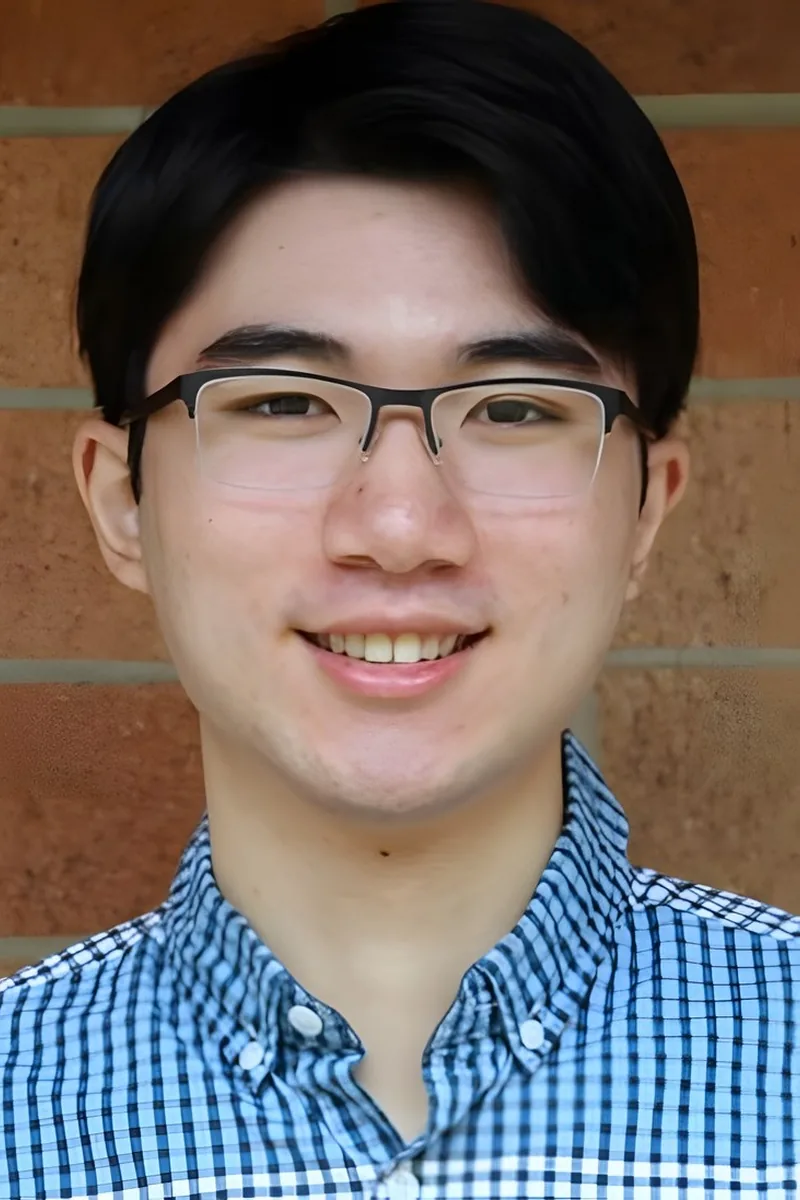
Jason is a Mandarin speaker who understands both the linguistic and cultural dimensions the AP Chinese exam tests — from formal vs. informal register in presentational writing to the cultural comparisons required in the free-response section. He walks students through listening comprehension strategies and character recognition alongside the cultural knowledge that earns top scores.

The AP Chinese Language and Culture exam tests far more than vocabulary — it demands cultural literacy and the ability to switch between interpersonal, interpretive, and presentational communication modes. As a fluent Mandarin speaker with a science-trained discipline for systematic preparation, Jing tackles each section's unique format so students know exactly what the exam expects.
The AP Chinese Language and Culture exam rewards students who can think culturally, not just linguistically — comparing traditions, explaining customs, and narrating personal experiences in natural Mandarin. Lauren lived in Nanjing and studied at Nanjing University, so she brings real-world cultural fluency to the interpersonal and presentational tasks that trip up even strong speakers. Her linguistics degree also means she can explain tricky grammar patterns with unusual clarity.
Having studied French through level 4 and Mandarin Chinese across multiple levels, Noah approaches AP Chinese prep as someone who understands the mechanics of learning tonal languages from the inside — particularly the listening comprehension sections where untrained ears miss contextual shifts in rapid spoken Mandarin. His actuarial science training also lends an unusually methodical structure to exam prep, breaking the cultural comparison essays into scoreable components so students know exactly what earns points.
Having tutored the SAT Subject Test in Chinese with Listening and spent time working in Hong Kong, Asta understands both the linguistic and cultural dimensions the AP Chinese exam tests. She digs into the presentational writing and interpersonal speaking tasks that trip up even heritage speakers, breaking down how to structure responses that earn top marks on the rubric.
The cultural comparison essay on the AP Chinese Language and Culture exam trips up even strong speakers because it requires analytical writing, not just language proficiency. Julie's philosophy training at Princeton sharpens exactly that skill — breaking down a prompt, organizing a clear argument, and supporting it with specific cultural knowledge. She brings that structured thinking to every section of the exam.
The culture component of AP Chinese Language and Culture is where many students lose points — understanding idioms, social registers, and cultural practices well enough to respond authentically under timed conditions. Jiahao's graduate training in interpretation at Beijing Foreign Studies University was built around exactly this kind of cross-cultural fluency, and he brings that depth to every practice prompt and free-response drill.
The AP Chinese Language and Culture exam uniquely blends language proficiency with cultural comparison, asking students to present on practices and perspectives across Chinese-speaking communities. Christina's Mandarin instruction spans beginner through advanced levels, giving her a clear sense of where students' gaps tend to hide — whether it's measure words, aspect markers, or the formal tone the exam's interpersonal writing section expects. She builds targeted practice around the exam's six themes so students aren't just fluent but exam-ready.
Ten years teaching Mandarin in public schools — from absolute beginners through AP — means Paulkey has watched hundreds of students hit the same walls on the AP Chinese exam, especially the interpersonal response tasks where students freeze up trying to produce spontaneous, culturally appropriate Mandarin in real time. He pairs that classroom experience with a computer science background that makes his prep unusually structured: timed drills, systematic vocabulary review, and targeted practice on the listening comprehension passages that reward quick processing over perfect translation.
Because Karen teaches both traditional and simplified characters — and has tutored business Chinese alongside academic prep — her AP Chinese students get comfortable with the full range of written forms and registers the exam throws at them, from formal presentational writing to the interpretive reading passages that mix literary and contemporary styles. As a native Mandarin speaker with direct experience preparing students for the AP level, she zeroes in on the tonal precision and grammatical control that separate a 4 from a 5.
As a fluent Mandarin speaker studying at Columbia, Zhenyi knows firsthand what it takes to operate at a high level in both English and Chinese — and the AP Chinese exam tests exactly that kind of bilingual agility. She digs into the exam's interpersonal and presentational communication tasks, coaching students on formal register, cultural comparisons, and the idiomatic phrasing that separates a 4 from a 5. Her native fluency means she can catch tonal and grammatical subtleties that non-native instructors often miss.
The cultural presentation component of AP Chinese Language and Culture catches many students off guard because it requires genuine knowledge of Chinese traditions, geography, and social customs — not just language proficiency. Christine grew up in Shanghai and brings firsthand cultural context to topics like festival traditions, family structures, and regional differences that students need for both the exam and the interpersonal tasks. Her native fluency means she can coach pronunciation and tonal accuracy in real time.
Eight years of teaching Chinese language and culture across elementary, middle, and high school levels — plus directing a K-12 language enrichment program — makes Amanda one of the rare tutors who understands the full arc of the AP Chinese exam. She tackles the interpersonal and presentational speaking tasks head-on, coaching students to respond with cultural nuance and grammatical precision under timed conditions. Rated 5.0 by students.
Testimonials
Because the right AP Chinese Language and Culture tutor makes all the difference.
Average Session Rating – Based on 3.4M Learner Ratings
Nearby AP Chinese Language and Culture Tutors
Other Louisville Tutors
Related Languages Tutors in Louisville
Frequently Asked Questions
The AP Chinese Language and Culture exam tests proficiency across five key areas: listening, reading, writing, speaking, and cultural knowledge. The exam is scored on a scale of 1-5, with most colleges granting credit or advanced placement for scores of 3 or higher. The test emphasizes real-world communication skills and cultural understanding, not just grammar memorization, so you'll encounter authentic materials like news articles, podcasts, and social media content.
Varsity Tutors connects you with expert tutors who can provide personalized 1-on-1 instruction tailored to your specific strengths and weaknesses in listening, reading, writing, and speaking. A tutor can help you develop test-taking strategies, practice with authentic exam materials, build confidence with timed sections, and deepen your cultural knowledge—all at a pace that works for your schedule. With Louisville's student-teacher ratio averaging 14:1 in classrooms, personalized tutoring offers the focused attention that helps you master the nuances of Chinese language and culture.
Score improvement depends on your starting point and how consistently you engage with tutoring. Students who work with a tutor typically see the most gains by focusing on their weakest section first—whether that's listening comprehension, written expression, or speaking fluency—and then building overall confidence through practice tests and timed drills. Most students benefit from 4-8 weeks of regular tutoring sessions leading up to the exam, though your tutor can create a personalized timeline based on your current level and target score.
The speaking section can feel intimidating, but a tutor provides a judgment-free environment to practice the two speaking tasks: the conversation simulation and the cultural presentation. Your tutor can give you real-time feedback on pronunciation, tone, grammar, and fluency, help you expand your vocabulary for specific topics, and teach you strategies for handling unexpected questions. Regular speaking practice with a tutor builds the confidence and muscle memory you need to perform well under test conditions.
Many students struggle with the listening section because it requires processing natural speech at native speed without transcripts, and the audio often includes regional accents, colloquial expressions, and cultural references. A tutor can help you develop active listening strategies, teach you how to recognize key vocabulary even in unfamiliar contexts, and provide extensive listening practice with authentic materials. Building listening skills takes time, so starting tutoring several months before the exam gives you the practice needed to improve significantly.
Cultural knowledge is woven throughout the entire AP Chinese exam—it's not just a separate section. Questions about contemporary Chinese society, historical events, traditions, and current issues appear in reading passages, listening materials, and speaking prompts. A tutor can help you build cultural literacy by discussing current events in Chinese-speaking regions, exploring authentic media, and understanding the context behind language use. This deeper cultural understanding not only improves your exam score but also makes you a more confident and nuanced communicator.
Ideally, you should begin tutoring at least 3-4 months before the exam to give yourself time to address weak areas, build speaking and listening skills, and take multiple practice tests. However, even 6-8 weeks of focused tutoring can make a meaningful difference if you're already fairly proficient. Your tutor can assess your current level during your first session and create a personalized study plan that prioritizes the areas where you'll see the most improvement before test day.
Your first session is an opportunity for your tutor to understand your current Chinese proficiency level, identify your strongest and weakest skills across listening, reading, writing, and speaking, and learn about your target score and timeline. You might take a diagnostic assessment or have a conversation in Chinese so your tutor can pinpoint specific areas to focus on. By the end of the session, you'll have a clear, personalized plan for how tutoring will help you reach your AP Chinese goals.
Let’s find your perfect tutor
Answer a few quick questions. We’ll recommend the right plan and match you with a top 5% tutor.