Award-Winning AP English Literature and Composition Tutors
serving Washington, DC
AP English Literature and Composition
Tutors in Washington
Private 1-on-1 tutoring, weekly live classes for academic support, test prep & enrichment, practice tests and diagnostics, and more to elevate grades and test scores.
Based on 3.4M Learner Ratings
UniversitiesSchools & Universities
DeliveredHours Delivered
ProficiencyGrowth in Proficiency
Who needs tutoring?
No obligation. Takes ~1 minute.

AP English Literature demands more than summarizing a novel — it requires close reading that connects imagery, diction, and structure to a text's deeper argument. Stephanie's Princeton coursework sharpened her ability to analyze poetry and prose at the college level, and she applies that same rigor when walking students through timed essay responses and multiple-choice passage analysis.
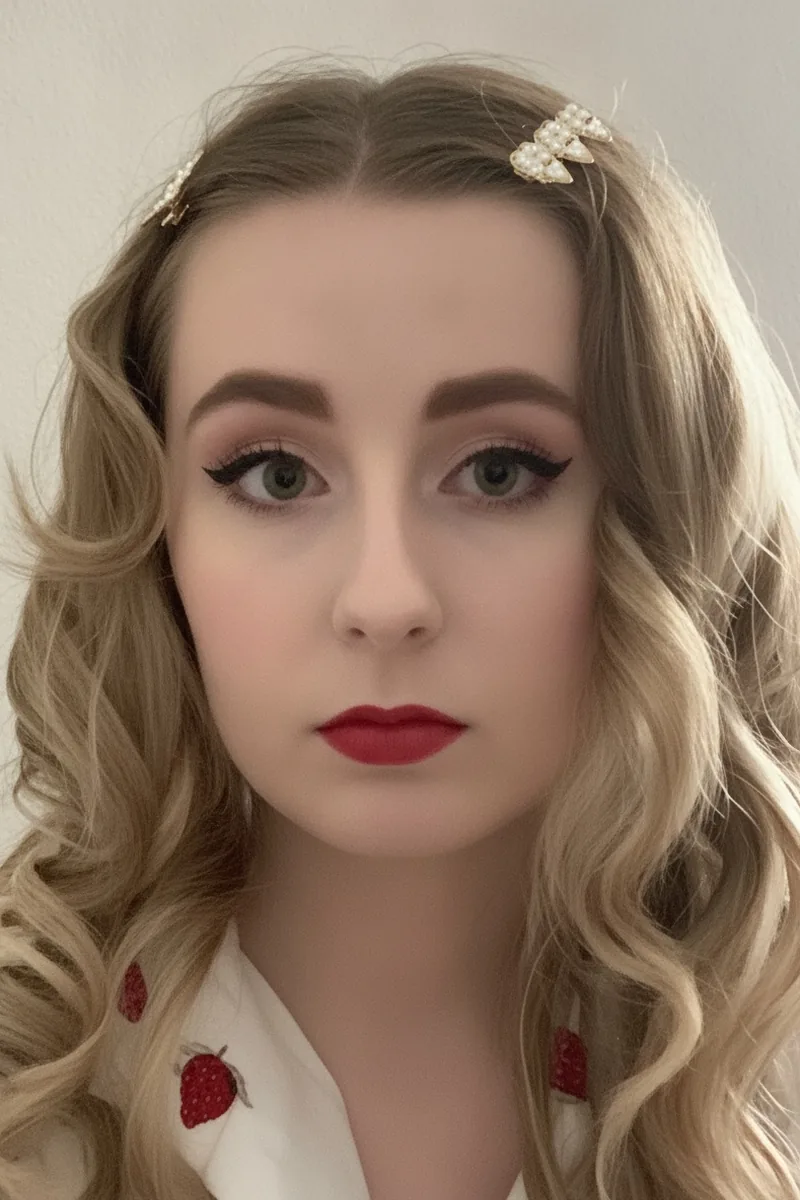
AP Lit asks students to do something genuinely difficult: read a poem or passage they've never seen before and build an analytical argument about it under time pressure. Sydny approaches each essay prompt by teaching students to identify literary devices — imagery, tone shifts, narrative structure — and convert those observations into a thesis that actually says something specific.
AP English Literature asks students to do something genuinely difficult: read a poem or prose passage they've never seen and produce a polished analytical essay under time pressure. Muriel's degree in Spanish and Italian literature means she's spent years doing exactly this kind of close reading across multiple literary traditions, spotting how imagery, tone, and structure carry meaning. She teaches students to build arguments around textual evidence rather than plot summary — the skill that separates 3s from 5s.
AP Lit asks students to do something most high schoolers haven't practiced: build an argument about how a poem or passage works, not just what it means. Brittany's Yale literature background and college-level teaching experience mean she can walk through the difference between summary and analysis, then show how to structure a timed essay that earns top marks on the rubric.
AP English Lit asks students to do something genuinely difficult: read a poem or prose passage cold and produce a polished analytical essay under time pressure. Alex studied English and Theater at Bowdoin, which means he approaches texts through both literary close reading and the performative question of how language creates effect. He walks students through crafting thesis-driven essays that move beyond plot summary into real interpretive argument.
AP Lit essays live or die on how well a student can connect a specific literary device to a work's larger meaning — not just identify a metaphor, but explain what it's doing. Sophia, an award-winning creative writer with a Vanderbilt humanities background, teaches students to build that kind of argument under timed conditions, whether they're tackling a poetry analysis or an open-ended prompt. Her own writing practice gives her a sharp eye for the difference between summary and genuine literary analysis.
AP English Lit asks students to do something genuinely difficult: read a poem or passage cold and produce a polished analytical essay under time pressure. Sarah's BA in English from Oberlin and her ongoing PhD work at Harvard mean she can teach students to unpack figurative language, track shifts in tone, and build thesis-driven arguments about texts they've never seen before. Her poetry background is especially useful for the notoriously challenging poetry analysis prompt.
I'm a current PhD student in the history department at Georgetown University who is also an experienced instructor with Varsity Tutors. As a recipient of several degrees, the most recent being a BA in history from Hillsdale College and a MA in Russian, East European, and Eurasian Studies from Stanford University, I have long sought to make teaching my profession. Meanwhile, as a volunteer grade school teacher and a tutor with this company, I have many years' experience helping students reach their full potential. I am capable of teaching students in many subjects, including reading, mathematics, test prep, Latin, and especially writing, history, and literature. In practice, I am comfortable adapting to different learning styles and specific student preferences. Outside of my academic and career endeavors, I enjoy cooking, reading, and listening to and making music.
AP Lit asks students to do something most haven't practiced: write a polished literary argument under pressure, using textual evidence with precision. David breaks down each essay type — the poetry analysis, the prose fiction analysis, the literary argument — and shows how to build a thesis that goes beyond plot summary into genuine interpretation.
Teaching high school English while holding an MA in English with a focus on feminist critical theory, Danah knows exactly what AP Lit readers reward: thesis specificity, embedded textual evidence, and sophisticated literary analysis that goes beyond plot summary. She unpacks how to write a compelling free-response essay on poetry, prose, and open-prompt questions under timed conditions. Rated 5.0 by students.
AP Lit's free-response questions reward students who can move beyond plot summary and build arguments around literary devices — symbolism, tone shifts, narrative structure. Priscilla's Harvard coursework in government and economics trained her to construct tight, evidence-driven essays under pressure, a skill she applies directly to poetry and prose analysis on exam day.
AP Lit asks students to do something genuinely difficult: read a poem or passage cold and construct a persuasive argument about it in forty minutes. Winston's history degree trained him in exactly this kind of close reading and rapid thesis-building, and he applies those skills to everything from Shakespeare's sonnets to contemporary prose. He tackles the free-response essays as structured arguments, not loose reflections.
Testimonials
Because the right AP English Literature and Composition tutor makes all the difference.
Average Session Rating – Based on 3.4M Learner Ratings
Practice AP English Literature and Composition
Free practice tests, flashcards, and AI tutoring for AP English Literature and Composition
Other Washington Tutors
Related English Tutors in Washington
Frequently Asked Questions
Score improvement depends on your starting point and preparation timeline, but students typically see meaningful gains with consistent, personalized instruction. Many students improve by 1-2 points on the AP scale (which ranges from 1-5) over 2-3 months of focused study, though improvement varies based on how much you practice close reading and essay writing. The key is working with a tutor who can identify your specific weaknesses—whether that's analyzing complex prose, managing time on the multiple-choice section, or crafting stronger thesis statements—and creating a targeted study plan around them.
The multiple-choice section tests your ability to identify literary devices, understand character motivation, and analyze textual evidence under time pressure. Many students struggle with pacing and over-analyzing, so expert tutors focus on teaching efficient close-reading strategies and question interpretation techniques. Practice tests are essential—they help you recognize question patterns, build reading stamina, and identify whether you're missing questions due to time management or comprehension. A tutor can help you develop a systematic approach to tackling passages and eliminating wrong answers, which makes a significant difference when you're working through 55 questions in 60 minutes.
The three AP English Literature essays—analyzing a prose passage, analyzing poetry, and open-ended argument about a novel or play—each require different skills but share a common goal: supporting claims with specific textual evidence. Most students benefit from practicing timed writing regularly (30-40 minutes per essay) so they learn to develop a thesis quickly and select the strongest supporting details. Tutors can guide you through essay structure, help you practice with different literary genres and time periods, and provide feedback on common pitfalls like vague analysis or summary-heavy writing. Many students improve dramatically once they understand that scorers reward textual specificity and analytical depth over length.
Test anxiety often stems from unpredictability—not knowing what passages or prompts will appear—so building confidence through practice is the most effective strategy. Regular practice tests simulate exam conditions, which reduces anxiety by making the format and pacing feel familiar. Tutors can also help you develop pre-exam routines (like time management strategies for each section) and teach you techniques for staying focused when you encounter difficult passages. Many students find it helpful to practice with high-quality released AP exams and to discuss with a tutor which sections trigger the most stress so you can address those areas directly.
AP English Literature and Composition doesn't require reading a specific list of books—instead, it assesses your ability to analyze any text (prose, poetry, drama, or contemporary literature) using evidence-based literary analysis. However, you should be familiar with common literary devices (metaphor, symbolism, tone, point of view), rhetorical strategies, and how authors develop theme and characterization. The curriculum emphasizes close reading, textual evidence, and analytical writing across multiple genres, so your study should include exposure to a range of writing styles and time periods. A tutor can help you develop a reading strategy that works for the exam's actual format rather than focusing on any particular book.
The AP English Literature exam is 3 hours total: 60 minutes for 55 multiple-choice questions, then 120 minutes for three essays (roughly 40 minutes each). Time management is critical—many students run short on essay time because they spend too long on the reading section. Tutors help you develop a pacing strategy, such as spending about 60-65 seconds per multiple-choice question and learning to outline essays quickly (5 minutes) so you have time for full development. Practice tests are the best tool for refining your pace; after a few full-length exams, you'll understand exactly where you tend to lose time and can adjust your approach.
Ideally, begin intensive AP exam preparation 8-12 weeks before test day, though this depends on your starting point and available study time. If you're taking the course, your teacher covers curriculum throughout the year, so adding personalized tutoring in the final 2-3 months gives you focused time to strengthen weak areas and practice timed essays. For students studying independently or needing extra support, Varsity Tutors can help you create a structured study plan that covers literary analysis skills, practice exams, and essay refinement. Starting with a diagnostic practice test helps you and your tutor identify exactly which skills need the most attention, making your preparation time most efficient.
Let’s find your perfect tutor
Answer a few quick questions. We’ll recommend the right plan and match you with a top 5% tutor.