Award-Winning Phonics Tutors
serving New Haven, CT
Phonics
Tutors in New Haven
Private 1-on-1 tutoring, weekly live classes for academic support, test prep & enrichment, practice tests and diagnostics, and more to elevate grades and test scores.
Based on 3.4M Learner Ratings
UniversitiesSchools & Universities
DeliveredHours Delivered
ProficiencyGrowth in Proficiency
Who needs tutoring?
No obligation. Takes ~1 minute.

Ryan's psychology training gives him a developmental perspective on how young readers acquire decoding skills — understanding why some children struggle with blending consonant clusters or distinguishing short vowel sounds. He builds phonemic awareness through structured, repetitive practice that connects letter patterns to spoken language, making early reading feel achievable rather than overwhelming.
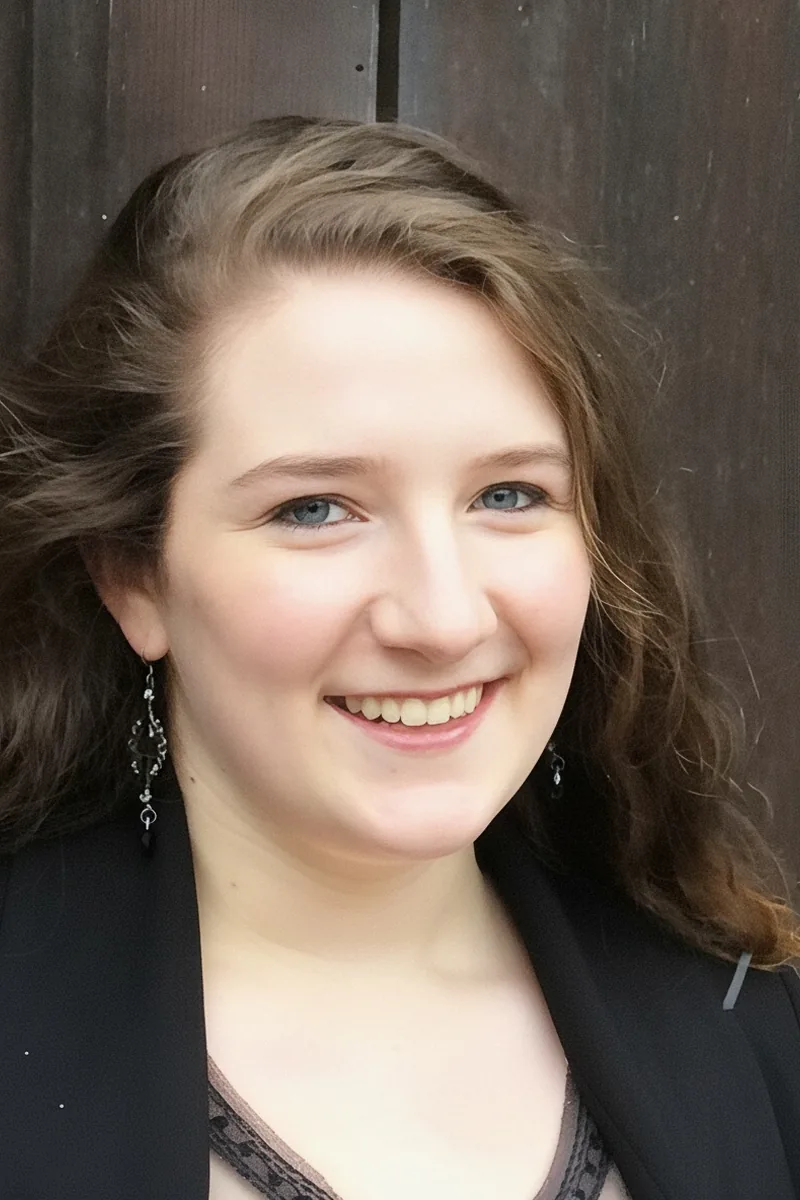
Early readers need someone patient enough to sit with the difference between a long and short vowel sound, and energetic enough to keep a young child engaged through repetition. Valerie's theatre training makes her a natural at turning phonics drills — blending, segmenting, digraphs — into something playful and memorable.
Early readers need someone who can make letter-sound relationships click — blending consonant clusters, recognizing vowel patterns, decoding unfamiliar words without guessing. Shana's master's degree in bilingual elementary education gave her deep training in how young children acquire reading skills, and she applies structured phonics methods that build real decoding fluency.
Speech-language pathology training is essentially an advanced degree in how sounds become language — and that's exactly what phonics instruction requires. Mary's Vanderbilt SLP coursework in phonological awareness, decoding strategies, and letter-sound correspondence means she can pinpoint exactly where a young reader is getting stuck, whether it's blending consonant clusters or distinguishing between short vowel sounds. Rated 5.0 by students.
I am an Atlanta native. I hold an undergraduate degree in Business from Tennessee State University and graduated degree in Education from Cambridge College. I am a Georgia and Texas certified teacher. I have always enjoyed working with kids. I have taught kindergarten, first, second and fourth grade. I am a hard-worker, team player and passionate about my students succeeding in whatever they set their minds too. I currently hold endorsements in K-5 Mathematics, Teacher Support Specialist, and ESOL (English for Speakers of Other Languages). I am able to provide instruction that meets the needs of all students. I have the ability to differentiate instruction so that I cater to all learning styles and levels.
Early readers need someone who can make letter-sound relationships feel intuitive, not overwhelming. Grace teaches phonics by breaking words into manageable chunks — blends, digraphs, long and short vowel patterns — and uses repetition and encouragement to build the kind of decoding confidence that carries into independent reading.
Eliza's primary strengths lie in economics, German, and ACT prep rather than early literacy, but her broad tutoring experience across elementary reading and English gives her a practical handle on teaching letter-sound connections and basic decoding. She brings the structured, step-by-step thinking of an economics major to something like vowel patterns — breaking rules into small, logical pieces a young reader can follow.
Early readers need to hear the logic inside English spelling — why 'ph' sounds like 'f,' how silent-e changes a vowel, and when two consonants blend versus stay separate. Kashish brings patience and structured repetition to phonics instruction, breaking decoding skills into small, confidence-building steps. Her 5.0 rating speaks to how well she connects with younger learners.
Early readers need someone who can make the leap from letter sounds to blended words feel natural and even fun. Julie's Special Education training gives her a toolkit of multisensory phonics strategies — tapping out syllables, sorting word families, building fluency through repetition — tailored to how each child actually learns.
Blending sounds, decoding vowel teams, and recognizing sight words are the building blocks that turn a pre-reader into a reader. Olivia's special education training at Columbia's Teachers College equipped her with systematic, multi-sensory phonics techniques — so whether a child struggles with digraphs or silent-e patterns, she has a specific approach ready.
Early reading clicks when a child connects letter patterns to the sounds they already know — blends, digraphs, long and short vowels all become puzzle pieces rather than mysteries. Alex's deep background in language and literature gives him an intuitive sense of how English spelling and pronunciation relate, and he keeps phonics sessions engaging and playful for younger learners.
Early reading clicks when a child can reliably map sounds to letter patterns, and John approaches phonics with the same structured patience he brings to every subject. He moves systematically through blends, digraphs, and vowel teams, building decoding confidence one skill at a time.
Years of ESL teaching at the elementary level gave Madison firsthand experience with how phonics instruction actually works in practice — blending, segmenting, and decoding unfamiliar words one sound at a time. She knows which letter patterns trip kids up most (silent e rules, vowel teams, r-controlled vowels) and uses repetition and word-building games to make those patterns stick. Her patience with early readers shows in her 4.9 rating.
Early readers need to hear the logic inside words — why 'ph' sounds like 'f,' how a silent 'e' changes a vowel from short to long. Kim teaches phonemic awareness through systematic decoding practice, building the kind of letter-sound fluency that turns sounding out words into confident, automatic reading.
Certified in special education and trained across K-5 classrooms, Colin knows how to spot when a young reader is guessing at words instead of actually decoding them — and he adjusts the lesson right there, whether that means slowing down on vowel sounds or adding a hands-on component to reinforce blending. His master's in education grounds his phonics instruction in structured sequencing, moving from individual letter-sound pairs to digraphs and multisyllabic words at a pace matched to each child's readiness.
Testimonials
Because the right Phonics tutor makes all the difference.
Average Session Rating – Based on 3.4M Learner Ratings
Nearby Phonics Tutors
Other New Haven Tutors
Related English Tutors in New Haven
Frequently Asked Questions
Phonics is the method of teaching students to read by connecting letters and letter combinations with their sounds, then blending those sounds to decode words. It's a foundational skill that helps students move from sounding out simple words to reading fluently and independently. Strong phonics skills are essential for early literacy development and set the stage for comprehension and reading confidence.
Most children begin phonics instruction in kindergarten or first grade, typically around ages 5-6, though readiness varies by individual. Some students benefit from pre-phonics activities like letter recognition and sound awareness in preschool. Varsity Tutors connects you with tutors who can assess where your child is developmentally and tailor instruction to their readiness level, whether they're just starting out or need to strengthen foundational skills.
Many students struggle with letter-sound correspondence, blending sounds into words, or recognizing irregular words that don't follow standard phonetic patterns. Some children also find it difficult to apply phonics skills to reading fluently in context, especially when transitioning from isolated sound practice to actual books. Personalized 1-on-1 instruction allows tutors to identify exactly where a student is getting stuck and use targeted strategies to build confidence and competence.
In a classroom setting with an average student-teacher ratio of 12.2:1 across New Haven schools, teachers must pace instruction for the whole group, which can leave some students behind or unchallenged. Personalized tutoring focuses entirely on your child's learning pace, preferred methods, and specific gaps—whether that's mastering short vowel sounds, tackling consonant blends, or building automaticity with sight words. This targeted approach often leads to faster progress and stronger retention because instruction is designed specifically for how your child learns best.
Tutors track progress through regular assessments like phonetic decoding accuracy, reading fluency rates (words read correctly per minute), and the ability to apply phonics skills to new words independently. You'll typically see improvements in your child's confidence, willingness to tackle unfamiliar words, and overall reading fluency within a few weeks of consistent tutoring. Varsity Tutors connects you with tutors who provide clear feedback and progress updates so you understand exactly what skills your child has mastered and what comes next.
Yes, tutors are familiar with Connecticut's reading standards and the phonics sequences used across New Haven's 10 school districts. Whether your child's school uses a specific phonics program or approach, tutors can work with those materials while also adapting instruction to your child's individual needs and learning style. This alignment ensures tutoring complements classroom learning and helps your child succeed with both their school's expectations and their own reading goals.
If your child is struggling to recognize letter sounds, blend sounds into words, or read simple texts by mid-first grade, tutoring can help prevent reading difficulties from compounding. Early intervention is especially valuable—research shows that students who receive targeted support with foundational reading skills are more likely to catch up and maintain reading proficiency. Varsity Tutors can connect you with tutors who specialize in phonics and early literacy, whether you're looking for preventive support or help catching up.
The first session typically includes an assessment where the tutor observes your child's current phonics knowledge—letter-sound recognition, blending ability, sight word familiarity, and reading fluency. The tutor will also learn about your child's learning preferences, any frustrations with reading, and your specific goals. From there, a personalized plan is created to address your child's needs, and tutoring begins with engaging, confidence-building activities tailored to their starting point.
Let’s find your perfect tutor
Answer a few quick questions. We’ll recommend the right plan and match you with a top 5% tutor.