Award-Winning Phonics Tutors
serving Bridgeport, CT
Phonics
Tutors in Bridgeport
Private 1-on-1 tutoring, weekly live classes for academic support, test prep & enrichment, practice tests and diagnostics, and more to elevate grades and test scores.
Based on 3.4M Learner Ratings
UniversitiesSchools & Universities
DeliveredHours Delivered
ProficiencyGrowth in Proficiency
Who needs tutoring?
No obligation. Takes ~1 minute.
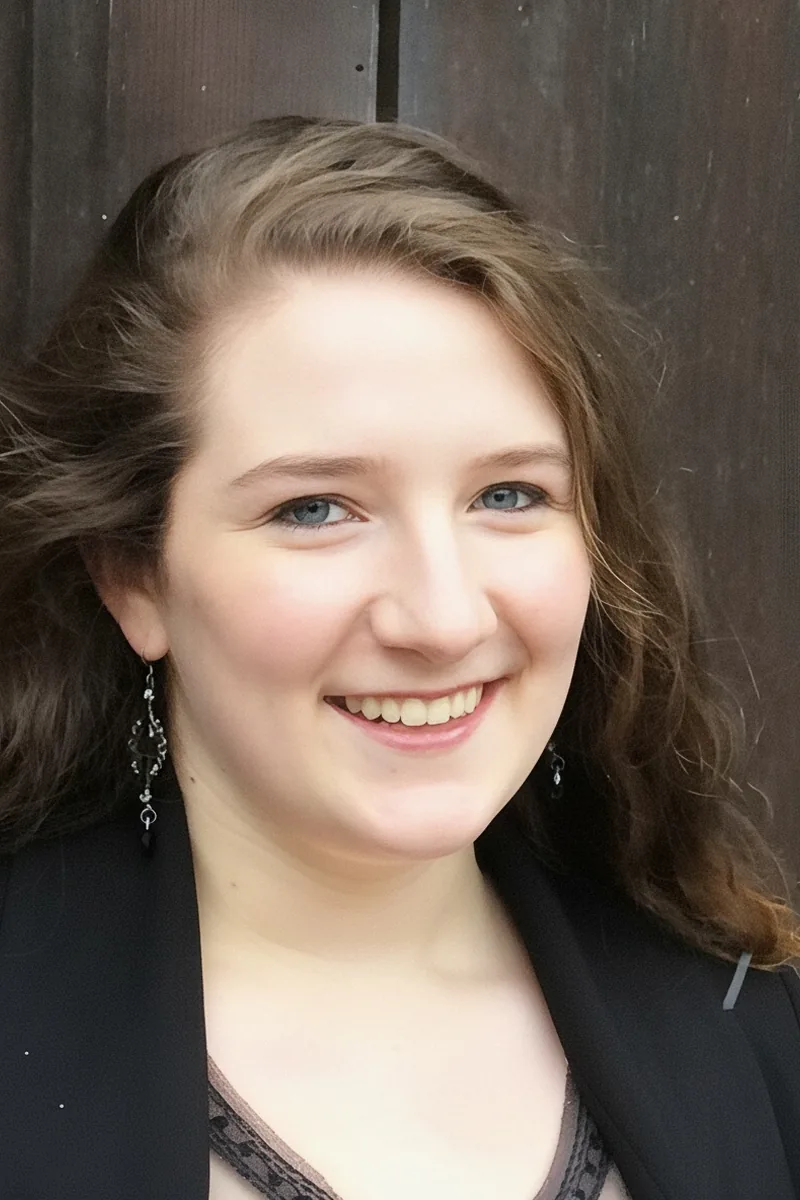
Early readers need someone patient enough to sit with the difference between a long and short vowel sound, and energetic enough to keep a young child engaged through repetition. Valerie's theatre training makes her a natural at turning phonics drills — blending, segmenting, digraphs — into something playful and memorable.

Early readers need someone who can make letter-sound relationships click — blending consonant clusters, recognizing vowel patterns, decoding unfamiliar words without guessing. Shana's master's degree in bilingual elementary education gave her deep training in how young children acquire reading skills, and she applies structured phonics methods that build real decoding fluency.
Ryan's psychology training gives him a developmental perspective on how young readers acquire decoding skills — understanding why some children struggle with blending consonant clusters or distinguishing short vowel sounds. He builds phonemic awareness through structured, repetitive practice that connects letter patterns to spoken language, making early reading feel achievable rather than overwhelming.
Understanding how the brain processes language isn't just theory for Giovanna — her Penn degree in Cognitive Neuroscience covered the science behind how children learn to decode words. She applies that knowledge to phonics instruction, teaching letter-sound relationships, blending, and digraphs in a systematic way that builds real reading fluency.
Early readers need to crack the code between letters and sounds before fluency can follow. Alison teaches phonemic awareness systematically — blending, segmenting, digraphs, vowel teams — using her training in curriculum design to sequence lessons so each skill builds naturally on the last. Her patience and structured approach make the jump from sounding out words to reading sentences feel achievable.
Early reading starts with sounds — blending consonants, recognizing vowel patterns, decoding unfamiliar words one syllable at a time. Sarah's Child Development degree from Vanderbilt gave her a strong understanding of how young children acquire language, which shapes how she sequences phonics instruction. She keeps sessions playful and repetitive in the right ways, so letter-sound connections become automatic rather than forced.
Early readers need someone patient enough to sit with each sound-letter connection until it clicks. Michelle's experience tutoring elementary students in NYC, combined with her deep background in reading and writing across two degrees, means she understands how phonemic awareness — blending, segmenting, decoding — builds the foundation for everything that comes after. She keeps lessons structured but playful, adapting to each child's pace.
Learning to read starts with hearing the individual sounds inside words. Jennifer teaches phonemic awareness and letter-sound correspondence through structured, sequential practice — blending, segmenting, and decoding — so young readers build the skills to tackle unfamiliar words independently.
Early readers need someone patient enough to sit with each sound blend until it becomes automatic. Naomi's experience teaching English to elementary-aged students in Indonesia — where she built lessons from basic phoneme recognition up through decoding multisyllabic words — translates directly to phonics instruction for young learners here.
Speech-language pathology training is essentially an advanced degree in how sounds become language — and that's exactly what phonics instruction requires. Mary's Vanderbilt SLP coursework in phonological awareness, decoding strategies, and letter-sound correspondence means she can pinpoint exactly where a young reader is getting stuck, whether it's blending consonant clusters or distinguishing between short vowel sounds. Rated 5.0 by students.
Early reading clicks when a child can reliably connect letter patterns to sounds — blending consonant clusters, recognizing long and short vowel rules, decoding unfamiliar words syllable by syllable. Mitchell's patience and structured approach make phonics practice feel more like puzzle-solving than drilling, building the decoding skills that fluent reading depends on.
Early reading instruction depends on making letter-sound relationships feel intuitive, not mechanical. Conor's years teaching Language Arts — including work with struggling readers preparing for Florida's state assessment — gave him hands-on experience breaking down blends, digraphs, and vowel patterns for students who need extra repetition and patience.
During her three years as a 1st through 3rd grade classroom teacher with Teach for America, Victoria taught phonics daily — blending, segmenting, digraphs, vowel teams, all of it. That hands-on experience means she can spot exactly where a young reader's decoding is breaking down and adjust her approach on the spot.
Jenna's experience teaching French and ESL/ELL learners gave her a deep understanding of how sounds map to letters across languages. She applies that ear for phonemic patterns when teaching phonics, breaking down blends, digraphs, and vowel teams so early readers decode words with real confidence.
Early readers need to hear and manipulate individual sounds before printed words start making sense, and that's exactly where phonics instruction begins. Jeanette teaches letter-sound correspondence, blending, and segmenting through structured, repetitive practice that builds genuine decoding skills. Her patience and psychology training make her especially attuned to how young learners process new information.
Testimonials
Because the right Phonics tutor makes all the difference.
Average Session Rating – Based on 3.4M Learner Ratings
Nearby Phonics Tutors
Other Bridgeport Tutors
Related English Tutors in Bridgeport
Frequently Asked Questions
Phonics is the method of teaching students to read by connecting letters and letter combinations with their sounds, then blending those sounds into words. It's a foundational skill that helps students decode unfamiliar words independently, which is essential for developing strong reading fluency and comprehension. Research in reading science consistently shows that explicit phonics instruction is one of the most effective ways to help struggling readers catch up to grade level.
Many students struggle with blending sounds together, recognizing common letter patterns (like digraphs and diphthongs), and applying phonics rules to multisyllabic words. With Bridgeport's average student-teacher ratio of 13.6:1, classroom teachers often have limited time for individualized phonics practice. Personalized 1-on-1 instruction allows tutors to identify exactly where a student's phonics foundation is weak and target those specific gaps with focused, repetitive practice.
Phonics is most critical in kindergarten through 2nd grade, when students are building their foundational decoding skills. However, students in 3rd grade and beyond who didn't master phonics early often benefit tremendously from catching up, since weak phonics skills directly impact reading speed and comprehension in upper grades. Tutors can also help older students with advanced phonics concepts like syllable patterns, prefixes, and suffixes that support reading more complex texts.
In a classroom setting, phonics instruction follows a set curriculum pace that works for some students but not others. Personalized 1-on-1 instruction moves at your student's speed, uses materials matched to their interests, and provides immediate feedback and correction. Tutors can also diagnose whether a student's reading difficulty stems from phonics gaps, phonemic awareness, or other factors—and adjust their approach accordingly rather than following a one-size-fits-all lesson plan.
Yes. Tutors understand Connecticut's reading standards and the phonics scope and sequence expected at each grade level. They can work within your student's school curriculum while also providing targeted practice on specific phonics skills that need reinforcement. This means tutoring complements classroom learning rather than duplicating it, helping students apply what they're learning in school while filling in foundational gaps.
The first session is typically a diagnostic and planning meeting. A tutor will assess your student's current phonics level—identifying which letter sounds, blending patterns, and decoding strategies they know and which need work. They'll also learn about your student's learning style, interests, and reading goals. From there, they'll create a personalized plan with specific phonics skills to target and strategies to make practice engaging and effective.
Many students show noticeable progress in decoding and blending within 4-6 weeks of consistent, focused phonics tutoring. However, the timeline depends on the student's starting point and how frequently they receive instruction. Students who practice phonics skills daily (even 15-20 minutes) alongside tutoring sessions see faster gains than those with sporadic practice. The goal is building automaticity—where letter-sound recognition and blending become second nature.
Look for tutors with expertise in reading science, phonics instruction, and ideally experience working with students at your child's grade level. Many experienced phonics tutors have backgrounds in elementary education, special education, or reading intervention. Varsity Tutors connects you with tutors who understand phonics methodology and can explain their approach clearly, so you know your student is learning from someone with genuine expertise in reading instruction.
Let’s find your perfect tutor
Answer a few quick questions. We’ll recommend the right plan and match you with a top 5% tutor.