Award-Winning Essay Editing Tutors
serving New Haven, CT
Essay Editing
Tutors in New Haven
Private 1-on-1 tutoring, weekly live classes for academic support, test prep & enrichment, practice tests and diagnostics, and more to elevate grades and test scores.
Based on 3.4M Learner Ratings
UniversitiesSchools & Universities
DeliveredHours Delivered
ProficiencyGrowth in Proficiency
Who needs tutoring?
No obligation. Takes ~1 minute.

Editing is where Anthony's analytical training really shows. Years of writing academic papers across physics, math, and economics have made him sharp at diagnosing structural problems — unclear thesis statements, paragraphs that drift, evidence that doesn't connect back to the claim. He walks through each revision with a focus on tightening logic, not just fixing grammar.
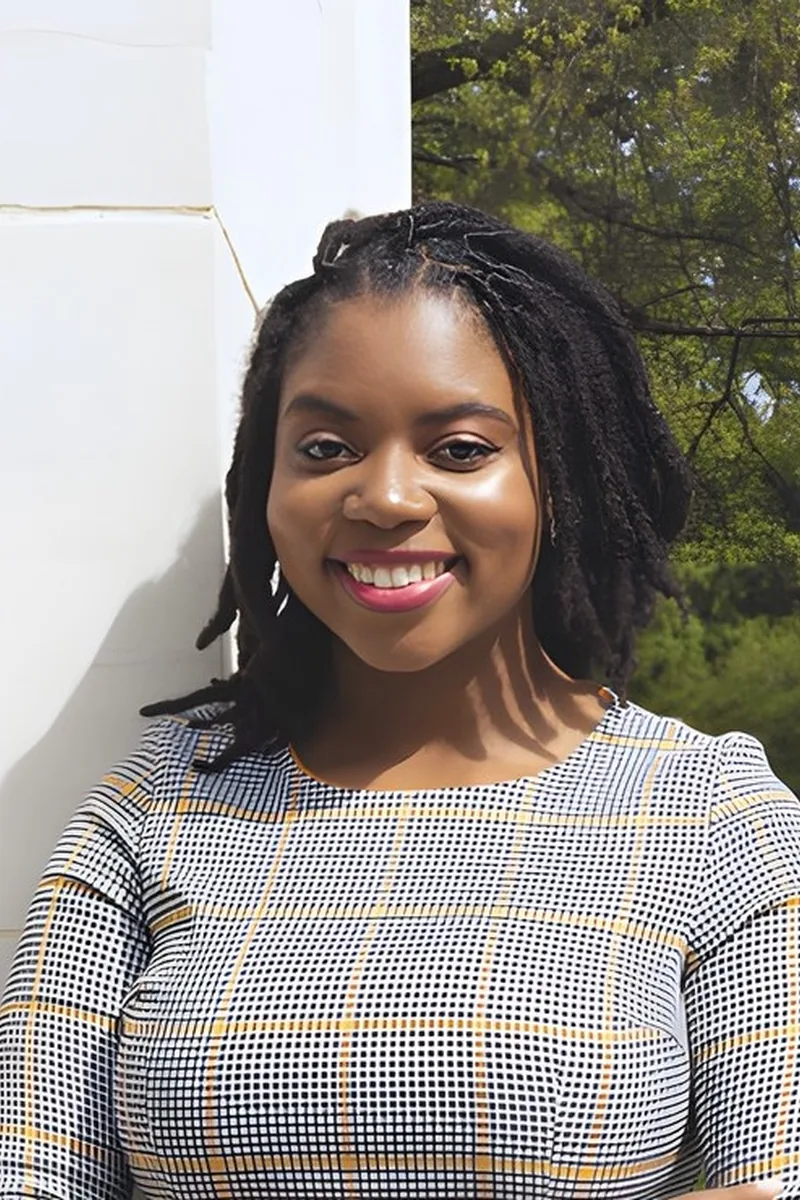
A strong essay becomes a great one in revision, and Xaviera approaches editing as more than fixing commas. She examines argument structure, paragraph transitions, and whether each sentence actually earns its place — skills she refined through law school writing, where every word carries weight. Students walk away understanding not just what to fix, but why.
Good essay editing goes beyond fixing commas — it means tightening arguments, cutting filler, and making sure every paragraph earns its place. Sami's experience writing extensively at Duke and through MBA coursework at Yale taught him to revise ruthlessly, and he walks students through that same process: clarifying their thesis, strengthening transitions, and polishing sentence-level style until the piece reads cleanly.
Good editing isn't just catching comma splices — it's recognizing where an argument loses its thread or where a paragraph buries its strongest point. Jon approaches each draft by first identifying what the writer is actually trying to say, then restructuring and tightening sentences so that idea comes through clearly. His own graduate-level writing at Yale keeps these instincts sharp.
Good essay editing goes beyond catching comma splices — it means evaluating whether each paragraph earns its place in the argument. Maxwell reads student drafts with an eye for structural logic, flagging where claims need stronger evidence or where transitions lose the reader. His scientific training at Yale makes him particularly sharp at tightening cause-and-effect reasoning in analytical writing.
Good editing isn't just catching comma splices — it's recognizing where an argument loses its thread or where a paragraph buries its strongest point. James approaches each draft structurally first, tightening thesis statements and paragraph logic before polishing sentences. His humanities work at Yale keeps him immersed in academic and creative writing daily, rated 5.0 by students.
Good editing isn't just catching typos — it's rethinking whether a paragraph earns its place, whether a thesis actually drives the argument, whether transitions do real work. Brittany brings college-level teaching experience to every draft review, pinpointing structural weaknesses and awkward phrasing while preserving the writer's own voice.
Editing an essay well means more than fixing commas — it means tightening arguments, cutting redundancy, and making sure every paragraph earns its place. Ethan approaches revision structurally, starting with whether the thesis actually drives the piece before moving to sentence-level clarity. His policy background gave him years of practice turning messy drafts into precise, readable writing.
A strong first draft and a polished final draft are separated by the kind of structural editing most students never learn: tightening thesis statements, cutting redundant paragraphs, and making transitions do real argumentative work. Stephanie writes constantly across Yale's neuroscience and humanities programs and applies that revision discipline to student essays at every level, from five-paragraph arguments to research papers.
Sharp essay editing requires more than catching comma splices — it means evaluating whether each paragraph earns its place and whether the argument actually holds together. Patrycja honed this skill editing peers' work in her high school's Literacy Resource Center and now walks students through revision at every level, from thesis clarity and paragraph transitions down to sentence-level precision.
Good editing goes beyond catching typos — it means recognizing where an argument loses its thread, where a paragraph buries its point, or where a transition asks the reader to make a leap the writer hasn't earned. Tessa's writing background at Yale sharpens her eye for structural issues as well as sentence-level clarity, from tightening wordy constructions to ensuring each paragraph does real work in the larger piece.
Years as a university writing TA gave Niko a sharp editorial eye — he can spot a buried thesis, flag weak transitions, and tighten sprawling paragraphs without overwriting a student's voice. His editing process teaches students to diagnose their own drafts, so each revision builds real skill rather than just producing one better paper.
Good editing goes beyond catching typos — it's about tightening argument structure, smoothing transitions, and making sure every paragraph earns its place. Mia approaches each draft with a developmental editor's eye, identifying where claims need stronger evidence or where a reorganized paragraph order would make the whole piece more persuasive.
Good editing isn't just fixing commas — it's figuring out where an argument loses the reader and why a paragraph feels flat. Maddie approaches each draft by identifying the single biggest structural issue first, then working outward to transitions, sentence variety, and word choice. Her background writing extensively in Yale's Classics program means she can diagnose problems quickly and explain the fix clearly.
Editing isn't just fixing commas — it's figuring out whether each paragraph earns its place and whether the argument actually moves forward. Aaron approaches essay revision structurally first, examining thesis clarity and paragraph logic before tightening sentences, an approach shaped by the intensive writing demands of his Yale coursework.
A strong essay isn't just error-free — it has a clear throughline, purposeful paragraph structure, and sentences that earn their place. Max edits with students rather than for them, walking through issues like thesis clarity, transition logic, and argument flow so the revision process itself becomes a learning tool. Rated 5.0 by students.
Editing an essay well means more than fixing commas — it means tightening an argument, cutting filler, and making every paragraph earn its place. Nathan approaches revision as a structural exercise, teaching students to evaluate their own thesis clarity, paragraph transitions, and evidence integration so they can self-edit long after the session ends.
I am a musician, educator, and philosopher based in New Haven, Connecticut. I studied at UCLA graduating Cum Laude with degrees in Music Performance, Education, and Philosophy. I have been tutoring private music lessons and academic subjects for over 5 years now, and I work as a substitute teacher across Connecticut. My favorite subjects to tutor are Music, English, and Reading/Writing Skills, but I am capable of tutoring various Historical subjects, Math, and Science as well.
Good essay editing goes beyond fixing commas — it means restructuring an argument so the reader never gets lost. Louie reads drafts the way an admissions officer or professor would, flagging where claims need stronger evidence, where transitions break down, and where a sentence is doing too much work. His background in spoken word gives him a sharp sense of rhythm and clarity at the sentence level.
A clean essay isn't just about fixing comma splices — it's about tightening argument structure, cutting filler, and making sure every paragraph earns its place. Yossi edits with an engineer's eye for efficiency, zeroing in on where a draft loses focus or where evidence doesn't actually support the claim being made.
Good editing isn't just catching typos — it's restructuring a paragraph so the argument actually lands, cutting the sentence that's doing nothing, and tightening transitions between ideas. Stephen approaches each draft by first identifying what the piece is trying to say, then systematically revising structure, clarity, and tone to make that purpose sharper. His own writing load at Yale keeps his editing instincts current and practical.
Medical training demands precise, evidence-backed writing under pressure — a skill Muhammad now applies to essay editing, whether it's a college application personal statement or a research paper draft. He zeroes in on argument structure, thesis clarity, and paragraph-level transitions, then teaches students how to self-edit so the next essay comes out stronger on the first pass. Rated 5.0 by students.
I am a PhD student in Inorganic Chemistry at Yale University. I've been spreading my love of chemistry for the past several years as a TA for general chemistry, and I'm excited to share my passion with you! Prior to Yale, I got my B.S. in chemistry from Caltech, where I also served as a TA for both general chemistry lab and advanced inorganic chemistry. Outside of teaching and research, I enjoy fencing, reading, and playing piano.
Editing an essay isn't just fixing commas — it's rethinking whether each paragraph actually earns its place in the argument. Luke reads drafts the way an engineer troubleshoots a design: identifying where the logic breaks down, where transitions lose the reader, and where stronger evidence would tighten the whole piece.
Good editing is more than fixing typos — it's rethinking whether each paragraph actually advances the argument. Sophie approaches essay revision the way her Yale professors taught her: first restructuring for logic and flow, then sharpening sentence-level clarity, and finally polishing for voice and style. She holds a 5.0 rating from students who've seen their drafts transform through this layered process.
Joana approaches essay editing as a two-pass process: first tightening the argument's logic — are claims supported, are paragraphs in the right order — then refining sentence-level clarity, transitions, and tone. Her science background actually sharpens this work, because she's trained to spot gaps in reasoning and cut unnecessary language.
Editing an essay well means more than fixing commas — it means reshaping an argument so every paragraph earns its place. Ryan spent years grading and revising law school briefs and undergraduate papers at UB, giving him a sharp eye for weak thesis statements, redundant phrasing, and structural gaps. Rated 5.0 by students, he walks through each revision so the writer understands the "why" behind every change.
Good essay editing goes beyond fixing commas — it means tightening arguments, cutting filler sentences, and making sure each paragraph earns its place. Christina has navigated admissions writing for both Yale's MBA program and UCLA Law, giving her a practiced eye for structure, clarity, and persuasive prose across academic and personal essays alike.
Good editing isn't just fixing commas — it's figuring out whether each paragraph actually earns its place in the argument. Julia sharpened this skill writing a master's thesis at the Sorbonne and teaching English writing to students in Paris, where clarity across languages was non-negotiable. She tackles structure, transitions, and tone before sweating the small mechanical stuff.
Good editing isn't just catching comma splices. Patrick treats each revision pass as its own task — one for argument structure, another for paragraph transitions, another for sentence-level clarity — so students learn a repeatable process instead of staring at a draft wondering what's wrong. His legal and business writing background makes him especially sharp on concision and persuasive flow.
A good essay edit goes beyond fixing commas — it asks whether each paragraph earns its place and whether the argument actually lands. Jill's degree in Nonfiction English Writing means she reads student drafts the way an editor would, tightening thesis statements, restructuring body paragraphs, and cutting the filler that buries strong ideas.
Testimonials
Because the right Essay Editing tutor makes all the difference.
Average Session Rating – Based on 3.4M Learner Ratings
Nearby Essay Editing Tutors
Other New Haven Tutors
Related English Tutors in New Haven
Frequently Asked Questions
Essay editing tutoring focuses on improving your writing at every stage—from developing a strong thesis and organizing your ideas to refining sentence structure, grammar, and voice. Tutors work with you on specific skills like crafting compelling arguments, using evidence effectively, and mastering citation styles like MLA and APA. Whether you're working on a literary analysis, research paper, or persuasive essay, personalized instruction helps you understand what makes writing effective rather than just fixing mistakes.
You'll typically start by sharing a draft or discussing your assignment with your tutor, who will identify patterns in your writing—like organization issues, weak thesis statements, or unclear arguments. Rather than simply correcting errors, tutors guide you through revision strategies so you develop stronger writing skills over time. Sessions might focus on brainstorming ideas, outlining structure, revising for clarity, or polishing grammar and style depending on where you are in the writing process.
Many students struggle with writer's block, organizing complex ideas into a logical flow, or developing arguments that go beyond surface-level observations. Others find it difficult to balance academic voice with personal style, properly integrate evidence, or understand why their writing isn't as strong as they'd like. Personalized tutoring helps you tackle these specific challenges through targeted feedback and practice, building confidence in your writing abilities.
Bring any essay assignment details, rubrics, or guidelines your teacher provided, along with a draft if you have one—even rough drafts are helpful. If you're starting from scratch, bring notes, outlines, or source materials you plan to use. Your tutor will also want to understand your specific goals, whether that's improving your overall writing skills, preparing for a major essay, or mastering a particular writing format or citation style.
Not at all. While grammar is part of strong writing, essay editing tutoring emphasizes the bigger picture: developing your unique voice, building compelling arguments, and organizing ideas clearly. Tutors help you understand the difference between surface-level corrections and deeper revision work that strengthens your overall message and impact. This approach helps you become a more confident, independent writer who can tackle any essay assignment.
Yes, essay editing tutors work extensively with literary analysis, helping you move beyond plot summary to develop meaningful interpretations supported by textual evidence. They guide you in analyzing themes, symbolism, character development, and author's craft while crafting arguments that demonstrate critical thinking. Personalized instruction ensures you understand how to structure analytical essays and support your claims with well-chosen quotes and analysis.
Absolutely. Tutors help you master MLA, APA, Chicago, and other citation styles, explaining not just the formatting rules but why proper citations matter for academic integrity. They'll guide you through in-text citations, works cited pages, and integrating sources smoothly into your writing. Understanding citation conventions is an important part of developing as an academic writer, and tutors make sure you can apply these skills confidently.
With 60 schools across New Haven's 10 school districts, students face varying writing expectations and teaching styles. Personalized essay editing tutoring bridges gaps by providing consistent, individualized feedback tailored to your specific assignments and learning style. Whether you're preparing for AP Literature, college applications, or standardized writing assessments, connecting with an expert tutor gives you the focused support to strengthen your writing skills and boost your academic confidence.
Let’s find your perfect tutor
Answer a few quick questions. We’ll recommend the right plan and match you with a top 5% tutor.