Award-Winning English Tutors
serving Bridgeport, CT
English
Tutors in Bridgeport
Private 1-on-1 tutoring, weekly live classes for academic support, test prep & enrichment, practice tests and diagnostics, and more to elevate grades and test scores.
Based on 3.4M Learner Ratings
UniversitiesSchools & Universities
DeliveredHours Delivered
ProficiencyGrowth in Proficiency
Who needs tutoring?
No obligation. Takes ~1 minute.
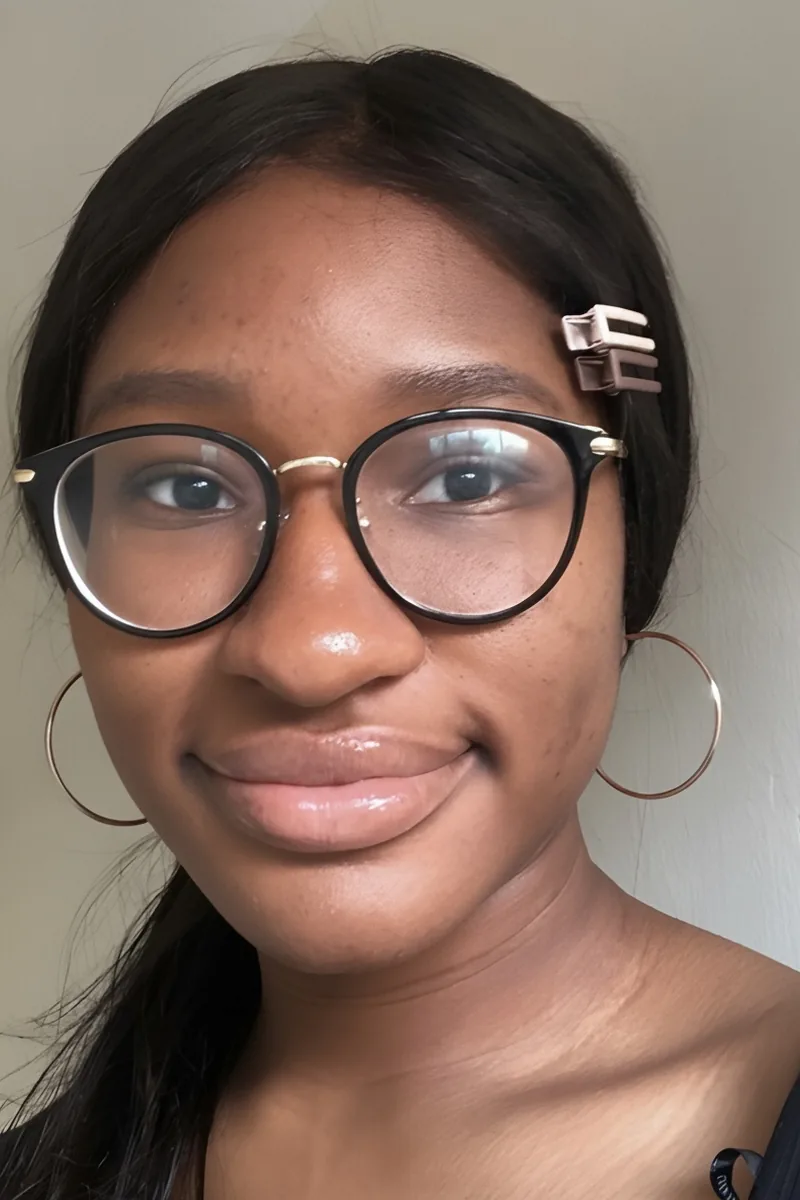
Studying the history and philosophy of science taught Tolu to read dense, argument-heavy texts and pull apart how writers build claims — a skill that translates directly to literary analysis, rhetorical essays, and close reading. She applies that same analytical lens to grammar and sentence structure, showing students how word choice and syntax shape meaning. Rated 5.0 by students.
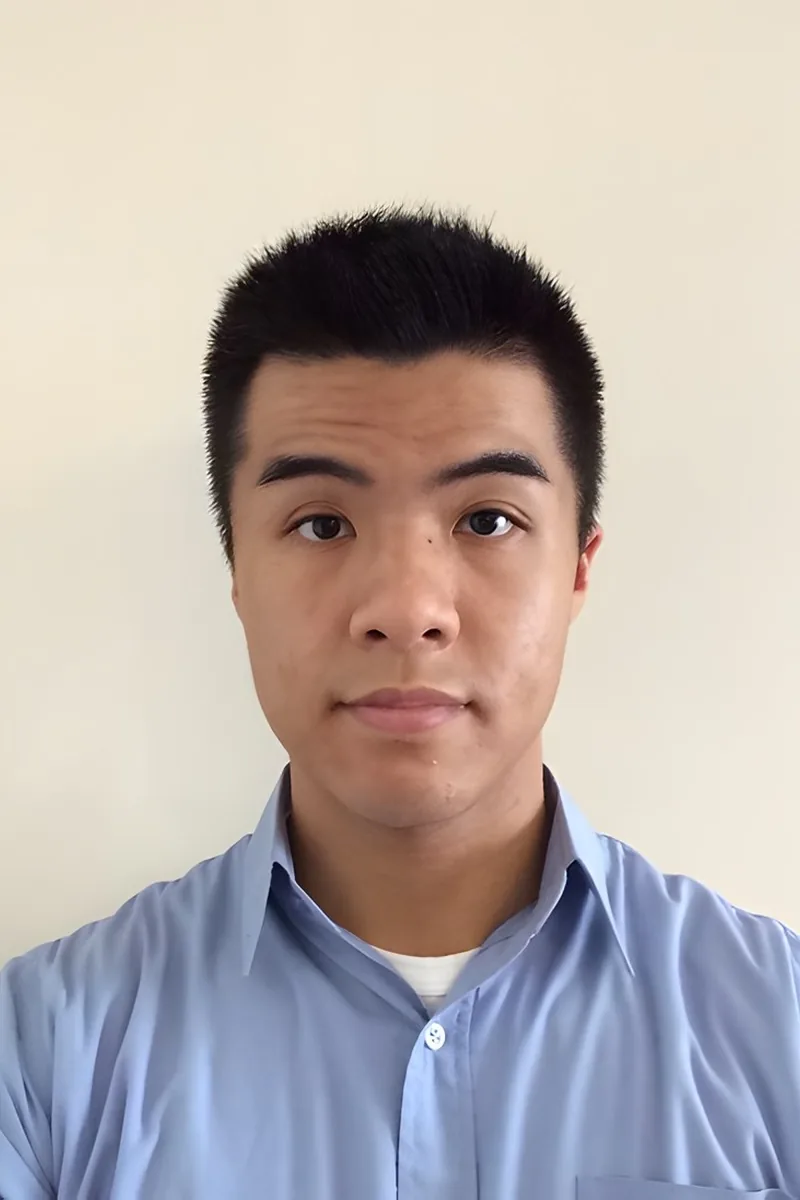
Between SAT prep, essay editing, and literature coursework, Bowen covers both the analytical and creative sides of English. He's particularly sharp at teaching students how to build a thesis from textual evidence and revise their own writing for clarity — skills that pay off in every essay assignment.
Strong English skills come down to two things: reading carefully and writing clearly. Jacob zeroes in on both — teaching students how to identify an author's argument or technique in a passage, then how to articulate their own analysis in organized, well-supported paragraphs. His discussion-first approach means students talk through their ideas before putting pen to paper, which consistently produces sharper writing.
Between a Classics major that demands constant close reading of complex texts and twenty pre-college writing awards, Valerie's entire academic life runs on English skills. She tackles everything from thesis development and literary analysis to vocabulary building and rhetorical strategy, adjusting her approach based on whether a student needs help generating ideas or tightening final drafts.
A double major in International Studies and French gave Xaviera extensive practice doing what English classes demand — constructing a thesis, supporting it with textual evidence, and revising until every paragraph earns its place. She digs into close reading techniques that show students how to pull meaning from tone, structure, and word choice rather than guessing at what the author "really meant."
Reading critically and writing persuasively are skills Sami has sharpened across two degrees and a career that demanded precise communication. He teaches students to dissect an author's argument, identify rhetorical strategies, and build their own thesis-driven essays with evidence that actually supports their claims — skills that transfer to every class on their schedule.
Between crafting PhD-level research papers and scoring a 1560 on the SAT, Anthony knows how to read critically and write persuasively. He teaches students to dissect an author's argument before responding to it — a skill that sharpens both analytical reading and essay writing at the same time.
Reading closely and writing clearly are skills that reinforce each other, and Jon approaches English instruction with that connection in mind. His background in Asian American Studies at UCLA trained him to analyze texts for argument, tone, and rhetorical strategy — the same skills students need whether they're interpreting a novel or drafting a persuasive essay.
Between writing college-level research papers in biology and literary analysis in his Yale coursework, Maxwell approaches English from both analytical and creative angles. He teaches students to build arguments around textual evidence, sharpen thesis statements, and revise drafts with an eye for clarity — not just correctness.
Between his humanities focus at Yale and his SAT Subject Tests in Literature, James brings serious close-reading chops to English tutoring. He teaches students to dissect tone, figurative language, and argument structure in everything from short poems to full novels, and he's equally comfortable coaching the writing side — thesis development, paragraph organization, and making evidence do real work in an essay.
A Yale-trained reader and writer with a 4.9 tutoring rating, Brittany digs into English as both a skill set and a way of thinking — teaching students to unpack an author's argument, build their own, and revise until every paragraph earns its place. She's equally comfortable dissecting a Shakespeare soliloquy and coaching a student through a five-paragraph analytical essay. Her college-level teaching experience means she knows how to push students toward sharper, more deliberate prose without overwhelming them.
Strong English skills show up everywhere Ryan teaches, from the analytical essays he coaches for AP History to the college application narratives he edits. He breaks reading and writing tasks into concrete moves — identifying an author's argument structure, building a thesis from textual evidence, revising for precision. Holds a 5.0 rating across his students.
A voracious reader and writer studying at Yale, Tessa approaches English through close reading — teaching students to dissect an author's diction, tone, and structure to build stronger analytical essays. Her history training sharpens this further, since constructing a thesis and defending it with textual evidence is something she does daily across both disciplines.
Between crafting college essays and tackling SAT Reading passages, Ethan has spent years unpacking how written English actually works — from argument structure to tone and word choice. His policy background trained him to read dense texts critically and write clearly under pressure, skills he now passes along to students building their own analytical writing. Rated 5.0 by students.
Strong English skills tie together reading comprehension, analytical writing, and command of language — and Patrycja tackles all three as connected rather than separate. Her experience editing essays and tutoring in a Literacy Resource Center means she can diagnose whether a student's struggle is with understanding the text, organizing a response, or expressing ideas precisely, then zero in on that specific gap.
Studying neuroscience and the history of science at Yale sharpened Stephanie's ability to analyze complex texts across genres — a skill she brings directly to English tutoring, whether it's dissecting an author's argument or structuring a thesis-driven essay. She earned her IB Diploma and tackles everything from close reading and literary analysis to grammar and revision strategies. Rated 5.0 by students.
Between Cornell engineering reports and her love of Jane Austen, Daria lives on both sides of English — analytical precision and literary interpretation. She teaches close reading, thesis construction, and evidence integration as connected skills, so students can tackle a Shakespeare passage and a persuasive essay in the same week without switching gears.
An applied math major who reads constantly and scored 1570 on the SAT, Kenneth brings an unusual combination of analytical precision and genuine love of language to English tutoring. He teaches students to read closely — identifying tone shifts, rhetorical strategies, and structural choices — and then translate those observations into clear, well-organized writing.
A writer and independent researcher by trade, Jonathan brings a close reader's eye to everything from sentence-level grammar to essay structure and literary analysis. His philosophy and theology training means he's spent years dissecting complex texts and constructing precise arguments — exactly the skills that transfer to building stronger paragraphs, sharper thesis statements, and more confident reading comprehension.
Between a PhD in Near Eastern Languages and years as a university writing TA, Niko has spent his academic life inside the mechanics of language — how sentences are built, how arguments hold together, how tone shifts meaning. He brings that structural awareness to English tutoring, whether a student is untangling a thesis statement, tightening paragraph transitions, or learning to read a text like a critic rather than a summarizer.
A Religious Studies major at Yale, Mia spends her coursework dissecting dense texts and constructing persuasive arguments — skills that translate directly to close reading, thesis development, and literary analysis. Her background in theater and comedy also gives her a sharp ear for voice and tone, which she brings to everything from essay revision to understanding an author's rhetorical choices.
A Classics major at Yale reads dense, argumentative texts every week and writes about them under pressure — skills Maddie now brings to English tutoring. She's especially sharp at teaching students how to build a thesis from a close reading, moving from textual evidence to interpretation without losing the thread of their own argument.
Between running a high school newspaper and coaching peers through college-level writing at Northwestern, Mackenzie has spent years pulling apart how language works — from close reading literary passages to structuring a persuasive argument. She's especially strong at teaching students to identify an author's rhetorical moves and then apply those same techniques in their own writing.
Between tutoring literature, college essays, and SAT Reading, Max has spent considerable time inside the mechanics of strong writing and close textual analysis. He teaches students to build arguments from evidence in the text — pulling apart an author's choices around tone, structure, and diction — skills sharpened by his coursework at Yale.
Reading a novel and writing a strong essay about it require completely different skill sets, and Diana bridges that gap by teaching students to turn their observations into structured arguments with textual evidence. Her broad humanities training — spanning literature, composition, and French — gives her a cross-disciplinary lens that makes English feel less like a single subject and more like a toolkit for thinking clearly.
An American Studies degree means Jordan spent four years doing exactly what English courses demand — close reading across genres, writing analytical essays, and synthesizing sources from literature, history, and cultural criticism into cohesive arguments. That cross-disciplinary writing habit makes him especially sharp at teaching students how to build a thesis from textual evidence and revise until the prose is clean. His 1510 SAT score confirms the reading and writing fundamentals are locked in.
Between tutoring college essays and literature, Aaron has spent serious time on both sides of English — the creative, interpretive work of close reading and the structural, argumentative work of essay writing. He's particularly sharp at teaching students how to build a thesis that actually drives an essay forward instead of just summarizing the text.
I am a musician, educator, and philosopher based in New Haven, Connecticut. I studied at UCLA graduating Cum Laude with degrees in Music Performance, Education, and Philosophy. I have been tutoring private music lessons and academic subjects for over 5 years now, and I work as a substitute teacher across Connecticut. My favorite subjects to tutor are Music, English, and Reading/Writing Skills, but I am capable of tutoring various Historical subjects, Math, and Science as well.
Two years of coursework at Yale gave Louie deep practice in the core skills that define English as a subject: close reading, textual analysis, and constructing arguments grounded in evidence. His background in spoken word poetry adds an unusual sensitivity to tone, voice, and figurative language that sharpens his approach to everything from Shakespeare to contemporary fiction. He teaches students to read not just for plot but for how a writer's choices create meaning.
A Yale education steeped in close reading, analytical writing, and cross-disciplinary coursework gave Nathan the kind of English fluency that covers everything from dissecting a novel's narrative structure to crafting a thesis-driven essay. He breaks down grammar and rhetoric as interconnected systems — understanding why a semicolon works in one sentence but not another, or how tone shifts between drafts. His background in music and the humanities means he reads with an ear for language, which sharpens both literary analysis and student writing.
Between her government coursework at Wesleyan and her literature studies, Reta reads and writes analytically every day — constructing thesis-driven arguments, evaluating sources, and revising for clarity. She teaches students to move from a vague reaction to a text toward a specific, defensible claim, which is the skill that transforms English grades from Bs to As.
Strong writing and critical reading aren't just humanities skills — Yossi sharpened both through Yale's rigorous writing requirements across disciplines. He tackles English fundamentals like thesis development, textual evidence integration, and paragraph cohesion with a structured, logical approach that resonates particularly well with students who prefer clear rules over abstract advice.
Reading, writing, and music are longtime interests for Muhammad, not just professional obligations — and that genuine engagement with language shows up in how he teaches English. He digs into reading comprehension strategies, vocabulary in context, and written expression, connecting each skill to the kind of clear communication students need well beyond the classroom.
I am a PhD student in Inorganic Chemistry at Yale University. I've been spreading my love of chemistry for the past several years as a TA for general chemistry, and I'm excited to share my passion with you! Prior to Yale, I got my B.S. in chemistry from Caltech, where I also served as a TA for both general chemistry lab and advanced inorganic chemistry. Outside of teaching and research, I enjoy fencing, reading, and playing piano.
Economics at Princeton meant writing dense analytical essays under tight deadlines, so Neil learned early how to build a thesis, structure an argument, and revise ruthlessly. He brings that same discipline to English tutoring, whether a student is annotating a novel for AP Lit or drafting a persuasive essay for a high school class.
Between his psychology coursework at Yale and his wide-ranging tutoring in literature, writing, and reading comprehension, Stephen approaches English as an interconnected skill set rather than isolated assignments. He's especially effective at teaching students how to build an argument from a text — pulling evidence, structuring a thesis, and revising until the writing actually says what they mean.
Few English tutors bring Ardis's combination of a published fiction career and rigorous legal writing background. She tackles everything from close reading and thesis development to argument structure, teaching students to build essays where every paragraph earns its place. Her SAT score of 1480 reflects the same precision she brings to analyzing texts and crafting clear prose.
An avid reader and writer with a philosophy degree, Joshua brings genuine enthusiasm for language to English tutoring. He digs into everything from close reading and literary analysis to paragraph structure and thesis development, always pushing students to articulate their own ideas more clearly and support them with evidence from the text.
Reading dense academic texts and constructing tight arguments were daily requirements in Alex's UChicago education, where the Core Curriculum emphasizes close reading across disciplines. He teaches English by connecting analytical reading to stronger writing — showing students how to identify an author's rhetorical moves and then deploy similar techniques in their own essays.
Between his love of reading and writing and his engineering training at Yale, Luke approaches English with both creativity and structure. He teaches students to build arguments the way an engineer builds a system — identifying the core claim, supporting it with textual evidence, and revising until every sentence earns its place.
Testimonials
Because the right English tutor makes all the difference.
Average Session Rating – Based on 3.4M Learner Ratings
Nearby English Tutors
Other Bridgeport Tutors
Related English Tutors in Bridgeport
Frequently Asked Questions
Students often struggle with reading comprehension, essay writing, grammar mechanics, and literary analysis—skills that build across grade levels. With Bridgeport's average student-teacher ratio of 13.6:1, many students benefit from personalized attention to address specific gaps, whether that's strengthening foundational writing skills or preparing for standardized assessments like the SAT or AP English exams.
In a classroom setting, teachers work with 13-14 students on average, which limits individualized feedback on writing and reading. Personalized 1-on-1 instruction allows tutors to focus entirely on your specific challenges—whether that's developing a stronger thesis statement, improving close reading skills, or mastering grammar concepts you've struggled with. This targeted approach typically leads to faster skill development and more confidence in your writing and analysis.
Your first session is an opportunity for a tutor to understand your current skill level, learning style, and specific goals—whether you're working on essay writing, reading comprehension, test prep, or tackling challenging texts. The tutor will ask questions about what's been difficult for you in English class and create a personalized plan to address those areas. This foundation helps ensure every session after that is focused and productive.
Yes. Varsity Tutors connects you with tutors who understand Connecticut's English standards and can support the specific curriculum your school uses. Whether you're working on grade-level reading lists, essay assignments, or preparing for district assessments, tutors can align instruction with what you're learning in class while providing the extra support and depth that personalized instruction offers.
Writing improvement depends on your starting point and consistency, but most students notice stronger organization, clearer thesis statements, and better grammar within 4-6 weeks of regular tutoring. Research on learning shows that targeted practice with immediate feedback—something personalized tutoring provides—accelerates skill development. The key is applying what you learn in tutoring sessions to your classroom assignments.
Absolutely. Tutors work with students on reading comprehension strategies, essay writing under time pressure, grammar review, and test-specific techniques. Whether you're aiming to improve your score on the SAT (where the average is around 1050 nationally) or score a 4 or 5 on AP English Literature or Language, personalized instruction focuses on your specific weak areas and builds the skills and confidence you need for test day.
Many students find literary analysis challenging because it requires both close reading skills and the ability to support interpretations with evidence. A tutor can break down the process of analyzing character development, symbolism, and theme into manageable steps, then guide you through practice with texts you're actually reading in class. This personalized approach helps you develop critical thinking skills that transfer across all your English work.
Varsity Tutors connects you with tutors based on your specific needs, schedule, and learning style. Simply tell us what you're working on—whether it's essay writing, test prep, or general English skills—and we'll match you with someone qualified to help. Most students can start tutoring within a few days, and the first session is designed to build a foundation for your personalized learning plan.
Let’s find your perfect tutor
Answer a few quick questions. We’ll recommend the right plan and match you with a top 5% tutor.