Award-Winning English Tutors
serving Colorado Springs, CO
English
Tutors in Colorado Springs
Private 1-on-1 tutoring, weekly live classes for academic support, test prep & enrichment, practice tests and diagnostics, and more to elevate grades and test scores.
Based on 3.4M Learner Ratings
UniversitiesSchools & Universities
DeliveredHours Delivered
ProficiencyGrowth in Proficiency
Who needs tutoring?
No obligation. Takes ~1 minute.

Between his philosophy degree, his literature expertise, and a 1560 SAT, Eric brings serious range to English tutoring — whether a student needs help crafting a thesis statement, close-reading a novel, or tightening paragraph-level organization. He's particularly sharp at teaching argumentative writing, where his training in logic gives him a concrete framework for showing students how to build and defend a claim. The terrible jokes are free.
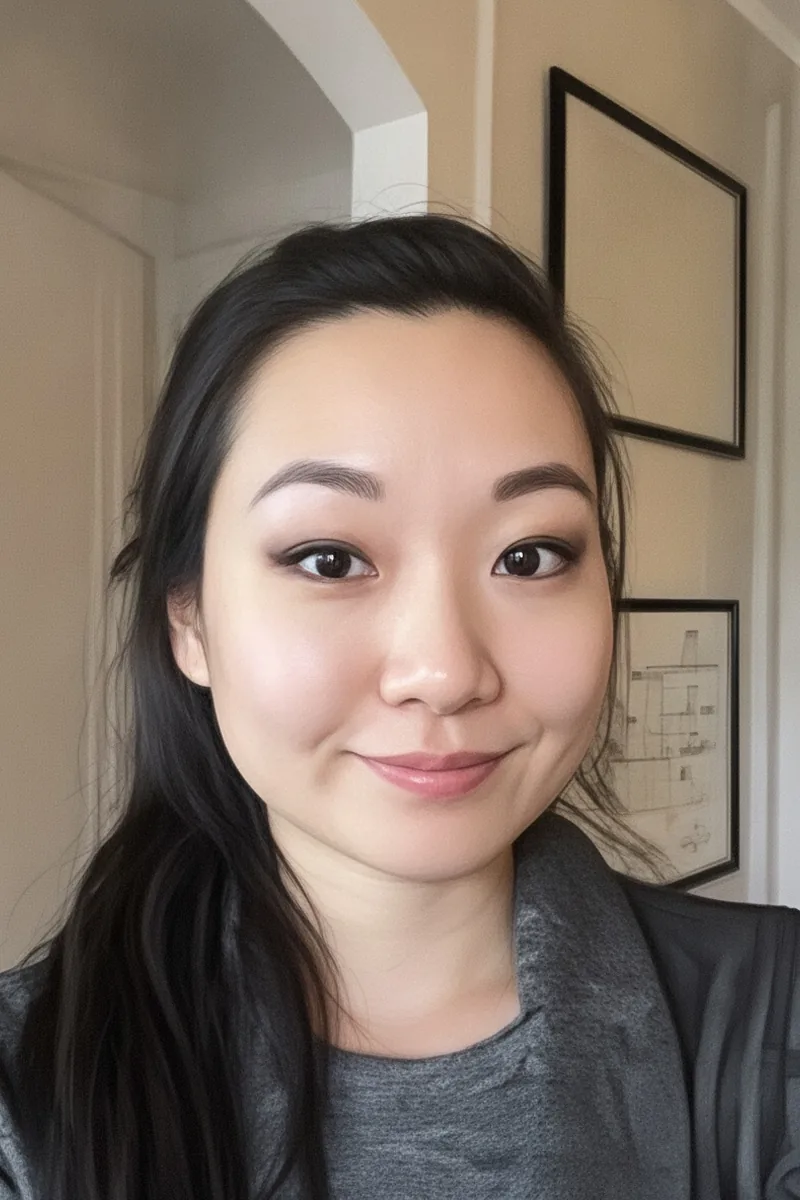
Erinrose has taught English at every level — from Philadelphia public high schools to a Connecticut prep school to undergraduate workshops at Washington University — covering everything from contemporary fiction analysis to expository writing to close reading of poetry. That range means she adapts quickly to whatever a student needs, whether it's unpacking metaphor in a novel or structuring a five-paragraph essay. Rated 5.0 across her tutoring sessions.
A Brown University graduate with a 1550 SAT, Zofia brings the same precision she applies to mathematical proofs to breaking down sentence structure, thesis development, and close reading. She's particularly effective at teaching students how to build arguments with textual evidence — a skill sharpened by years of rigorous IB coursework that demanded analytical writing across disciplines.
Between writing a master's thesis, studying Spanish literature abroad in Barcelona, and scoring a 1410 on the SAT, Jasmyn has engaged with English from multiple angles — analytical, creative, and test-driven. She teaches students to read closely for author's purpose and craft, then translate that understanding into clear, well-organized written responses.
Reading a poem or essay closely enough to say something original about it is a skill most students haven't been explicitly taught. Lacey walks through annotation techniques, thesis construction, and evidence selection with the kind of interdisciplinary perspective that comes from studying both philosophy and literature — so students learn to build arguments that go beyond plot summary.
Reading a poem or short story shouldn't feel like decoding a secret message. Tara's training in anthropology and museum studies taught her to analyze texts for meaning, context, and argument — the same skills students need for comprehension passages, literary analysis essays, and close-reading assignments. She brings genuine enthusiasm for literature that tends to be contagious.
From close-reading a poem to constructing a thesis-driven essay, English demands skills that build on each other in ways students don't always see. Alicia's history degree trained her to analyze texts and argue from evidence, and her Master's in Education sharpened her ability to teach those same analytical and writing skills at every level from middle school through college.
Because Tina has spent years researching how Chinese and English differ at the sentence level, she approaches English with a linguist's eye for structure and clarity. She's particularly effective at teaching students how to organize their ideas into cohesive paragraphs and sharpen their word choice, whether they're working on a personal essay or a class assignment.
Reading a short story and actually analyzing its themes are two very different skills, and that gap is where most middle schoolers struggle. Oliver teaches students to annotate actively, identify literary devices like foreshadowing and symbolism, and organize their ideas into clear paragraphs. His 5.0 rating speaks to how well that structured approach works for younger writers.
Engineering majors don't usually get credit as English tutors, but Christian's experience with college essays and essay editing gives him a practical edge — he knows how to structure an argument, tighten prose, and eliminate the vague language that drags down a paper. His 5.0 rating speaks to an ability to break down grammar and writing mechanics in a straightforward, no-nonsense way that clicks with students who don't consider themselves "English people."
Reading a text closely and writing a clear argument about it are two different skills, and most students need targeted practice on both. Brockton tackles English by connecting analytical reading — identifying tone, theme, and authorial choices — directly to the essay-writing process, so the leap from "I understood it" to "I can write about it" gets shorter. His formal pedagogy training at CU Boulder keeps his teaching structured and adaptive.
Between her TEFL certification and years of guiding students through college essays and literature, Melissa treats English as an interconnected skill set — reading critically, building arguments, and writing with precision all reinforce each other. Her neuroscience background also gives her practical insight into how students process and retain new material, which she applies when tackling everything from close reading to thesis development.
Paul approaches English through the lens of someone who reads literature in multiple languages, including Latin and French, which sharpens his eye for how authors use syntax, tone, and word choice to build meaning. Whether a student is analyzing a novel, strengthening a thesis statement, or preparing for a timed essay, he connects close-reading techniques to clear, structured writing.
Strong analytical writing doesn't belong exclusively to English majors — Jude's physics and math training at Colorado School of Mines sharpened his ability to build clear, evidence-driven arguments and communicate complex ideas precisely. He brings that structured thinking to essay organization, thesis development, and close reading, treating each assignment like a problem to solve rather than a mystery to endure.
An avid reader and writer who scored 1470 on the SAT, Lena tackles English by teaching students to read like writers — noticing how authors structure arguments, develop tone, and deploy evidence. Whether the assignment is a close reading of a novel or a persuasive essay draft, she digs into the craft behind the text rather than just summarizing what happens on the page.
Though English isn't Colton's primary discipline, his background as a TA and his personal love of reading and writing give him a practical handle on essay structure, thesis development, and close reading. He approaches English assignments the way an engineer approaches a problem — breaking arguments into components and making sure each piece supports the whole.
Journalism and IB Language & Literature gave Heidi two very different ways of engaging with English — one focused on clarity and audience, the other on literary analysis and close reading. That combination makes her versatile across reading comprehension, analytical essays, and vocabulary development. She's taught both native and non-native English speakers, so she adapts her explanations to match what each student actually needs to hear.
Emma approaches English as interconnected skills — reading comprehension fuels better writing, and stronger grammar sharpens both. Currently studying elementary education at the University of Oklahoma, she teaches students how to pull meaning from a text and then express their own ideas clearly on the page, whether that's a book response or a creative essay. Rated 5.0 by students.
A Cornell business graduate who minored in Real Estate, Cory brings sharp analytical reading and persuasive writing skills honed through years of case studies and proposal writing. He breaks down everything from thesis construction to close reading of texts, teaching students how to build arguments that hold up under scrutiny. Rated 4.8 by students, he's especially effective at strengthening grammar and essay structure.
Finding your voice on the page is something Seth has coached dozens of young adults through, from college application essays to analytical writing. His graduate work in theology and philosophy required close reading of dense, layered texts — a skill he now applies to teaching students how to unpack an author's argument and build their own in response.
Rohith's background spans scientific writing and humanities — he studied astronomy while leading a college club focused on history and religion, which meant constantly shifting between technical precision and persuasive argumentation. That range shows up in how he teaches English skills like thesis construction, textual analysis, and grammar mechanics, adapting his explanations to whatever a student is reading or writing.
Between his love of reading and his experience crafting college essays and analytical writing, Graham approaches English as a subject where precision matters just as much as creativity. He walks students through close-reading strategies — identifying tone shifts, tracking motifs, building thesis statements from textual evidence — and turns revision from a vague instruction into a concrete, repeatable process.
Cody's academic life spans engineering reports and graduate-level analysis of philosophical texts, so he's comfortable unpacking everything from a short story's narrative arc to the argument structure of a persuasive essay. That range lets him tailor reading and writing instruction to whatever a student is actually working on, whether it's literary analysis or a research paper.
From teaching ESL undergraduates in Santiago to working with high schoolers on literary analysis back home, Paige has seen how differently students engage with English depending on what clicks for them. She leans into close reading — pulling apart an author's word choices, tone shifts, and structural decisions — to show students that interpretation isn't guesswork but a skill built on textual evidence. Her 5.0 rating speaks to how well that approach lands.
Writing college essays across two very different majors — biological sciences and political science — taught Marcus how to adapt tone, structure, and evidence for different audiences. He brings that versatility to English tutoring, whether a student needs to strengthen a thesis statement, integrate textual evidence into a literary analysis, or simply organize ideas before drafting. His background in civic education also sharpens his ability to teach persuasive and argumentative writing.
Science writing — lab reports, research summaries, structured explanations of complex processes — was a constant throughout Michelle's biology degree at Trinity, and that training translates directly to the grammar mechanics and organized paragraph construction that English students need. She's especially effective at teaching students how to tighten their prose and build clear arguments, skills she reinforces daily in her physical therapy graduate coursework. Rated 4.8 by students.
A communications degree sharpened Ed's instincts for clear, structured writing — skills he now applies to teaching grammar mechanics, thesis development, and close reading of texts. His background in both analytical and creative work means he can walk students through everything from parsing complex sentences to crafting persuasive essays.
I am a student at the Georgia Institute of Technology studying Chemical Engineering. For the past several years, I have worked with students extensively. Through hosting events for younger kids to learn about STEM and for older teens to practice empathetic design, I know the importance of teaching students in ways that engage them rather than frustrate them, which I apply to my teaching. I have tutored high school students in a drop-in resource center in various subjects including math of all levels, chemistry, and English, making me adequately equipped in a variety of topics. I have also tutored several students long-term. Establishing relationships with students and exploring their unique learning styles is my favorite part of tutoring. I prioritize helping students discover HOW to learn in a manner that is the most effective for them, so they can begin to use those skills on their own throughout their education. Learning is a lifelong skill that requires practice for improvement; I strive to help my students gain confidence in their ability to learn.
I am a undergraduate student who is willing to help other students in subjects that they may be experiencing difficulties in.
Between teaching SAT Reading, college essays, comparative literature, and essay editing, Hannah has seen nearly every type of English assignment a student can face. Her particular strength is analytical writing — she walks students through how to build a thesis from textual evidence and revise for argument structure, not just surface-level polish. She holds a 5.0 rating across her subjects.
Between literature analysis, essay writing, and grammar instruction, Rosemary covers the full range of English skills from middle school through college level. She's particularly strong at teaching students how to build an argument from a text — pulling specific evidence, structuring a thesis, and revising for both logic and style. Her background in college essays and essay editing means polished final drafts are always the goal.
Between tutoring college essays and editing student writing for years, Brenna has developed a knack for teaching the mechanics behind clear, persuasive prose — thesis construction, paragraph transitions, and evidence integration. Her analytical training in actuarial science gives her a unique angle on English: she treats essay organization like solving a problem, where every paragraph has a specific job to do.
An English degree gave Carson deep experience with everything from close reading poetry to structuring analytical essays — skills that show up in nearly every English class from middle school through college. He's particularly sharp at teaching students how to move from a vague response to a specific, text-supported argument in their writing.
Whether a student needs to unpack a reading passage or build a five-paragraph essay from scratch, Jalonna treats English as two connected skills: understanding what you read and expressing what you think. Her tutoring background spans elementary through high school, and she's developed a brainstorming-to-final-draft process that gives students a clear roadmap for any writing assignment.
Science writing shaped Katie's approach to English — her environmental studies and biology coursework required translating complex research into clear, structured prose, a skill she now applies to grammar, essay organization, and revision. She's particularly good at teaching students how to build an argument from a rough draft, tightening language and logic at the same time so the final product reads as both creative and precise.
Between his college essays work, literature tutoring, and membership in the KU Honors Program, Austin brings serious reading and writing chops to English sessions. He digs into thesis development, textual analysis, and argument structure — teaching students how to move from a vague reaction to a piece of writing into a precise, well-supported claim.
An avid reader and writer outside the classroom, Anthony approaches English by connecting literary analysis to the writing process — showing students how to pull specific evidence from a text and build it into a coherent argument. His experience with essay editing means he can walk through everything from thesis construction to paragraph-level revision in a single session.
Annie's education studies at CU Boulder keep her immersed in reading, writing, and literary analysis on a daily basis. She walks students through everything from crafting a strong thesis statement to close-reading a passage for tone and figurative language, making the connection between what they notice in a text and how to articulate it on paper.
From essay structure to close reading of literature, Evan covers the full range of English skills with an analytical precision shaped by his science training. He's especially effective at teaching students to build arguments from textual evidence — pulling specific quotes, unpacking their significance, and weaving them into a thesis that actually says something.
Between her high school teaching background and graduate-level work, Sarah covers the full spread of English skills — close reading, thesis-driven essays, and analytical writing that holds up under scrutiny. Her experience living in France and the Middle East also brings a comparative lens to literature and composition that keeps discussions from feeling one-dimensional.
Testimonials
Because the right English tutor makes all the difference.
Average Session Rating – Based on 3.4M Learner Ratings
Nearby English Tutors
Other Colorado Springs Tutors
Related English Tutors in Colorado Springs
Frequently Asked Questions
Students often struggle with writing mechanics (grammar, punctuation, and sentence structure), reading comprehension across different text types, and time management during standardized tests. With Colorado Springs' average student-teacher ratio of 15.7:1, many students benefit from personalized attention to address these specific gaps. Personalized 1-on-1 instruction allows tutors to identify whether a student needs foundational skill work or strategies for tackling more complex literary analysis and essay writing.
Your tutor will start by assessing your current skill level, understanding your specific goals (whether that's improving grades, preparing for standardized tests, or building writing confidence), and learning about your learning style. This diagnostic conversation helps the tutor create a personalized plan tailored to your needs. Subsequent sessions build on this foundation with targeted instruction and practice in the areas where you need the most support.
Tutors working with students for students in Colorado Springs are familiar with Colorado State Standards for English Language Arts and the specific curricula used across the district's 18 school districts. Whether your student attends a school in District 11, District 20, or another local district, tutors can reinforce classroom learning, preview upcoming units, and ensure skills align with grade-level expectations. This targeted approach helps students succeed in their actual coursework while building deeper understanding.
Personalized instruction breaks writing into manageable components—brainstorming, organization, drafting, revision, and editing—allowing tutors to focus on your specific weaknesses. Rather than generic feedback, tutors can model strong writing techniques, provide real-time guidance on your actual assignments, and help you develop a sustainable writing process. Many students see measurable improvement in essay quality, clarity of expression, and confidence within a few weeks of consistent tutoring.
Yes. Tutors use targeted strategies to help students understand complex texts, identify main ideas and supporting details, and analyze themes, character development, and literary devices. For students preparing for AP Literature, honors courses, or standardized tests, tutors can teach active reading techniques and help students develop the critical thinking skills needed for deeper literary analysis. Personalized instruction allows tutors to work with texts your student is actually reading in class.
Varsity Tutors connects students with tutors experienced in preparing for standardized tests including the SAT (which includes Evidence-Based Reading and Writing sections), ACT English, AP Literature and Composition, and other state-level assessments. Tutors teach test-specific strategies, help students practice with real test questions, and build the time management and confidence needed for test day. Personalized prep focuses on your specific weak areas rather than generic test-taking tips.
In a classroom of 15-20+ students, teachers must move at an average pace that doesn't always match individual learning needs. Personalized 1-on-1 instruction allows tutors to slow down on challenging concepts, skip material you've already mastered, and use teaching methods that match your learning style. This customized approach often leads to faster progress and deeper understanding than classroom learning alone, especially for students who need extra support or are ready to move ahead.
Start by telling us about your student's English goals, current challenges, and preferred learning style. Varsity Tutors will match you with a tutor who has expertise in the specific areas you need—whether that's elementary writing foundations, high school essay skills, or test preparation. You can then schedule your first session and begin working toward measurable improvement in reading, writing, and overall English skills.
Let’s find your perfect tutor
Answer a few quick questions. We’ll recommend the right plan and match you with a top 5% tutor.