Award-Winning French Tutors
serving Sacramento, CA
French
Tutors in Sacramento
Private 1-on-1 tutoring, weekly live classes for academic support, test prep & enrichment, practice tests and diagnostics, and more to elevate grades and test scores.
Based on 3.4M Learner Ratings
UniversitiesSchools & Universities
DeliveredHours Delivered
ProficiencyGrowth in Proficiency
Who needs tutoring?
No obligation. Takes ~1 minute.

Having studied French through the advanced level, Jackie tackles everything from verb conjugation patterns and pronoun placement to reading comprehension in the target language. She connects grammar rules to practical usage so that concepts like the subjunctive mood or passé composé vs. imparfait distinction actually make sense instead of feeling like arbitrary rules to memorize.
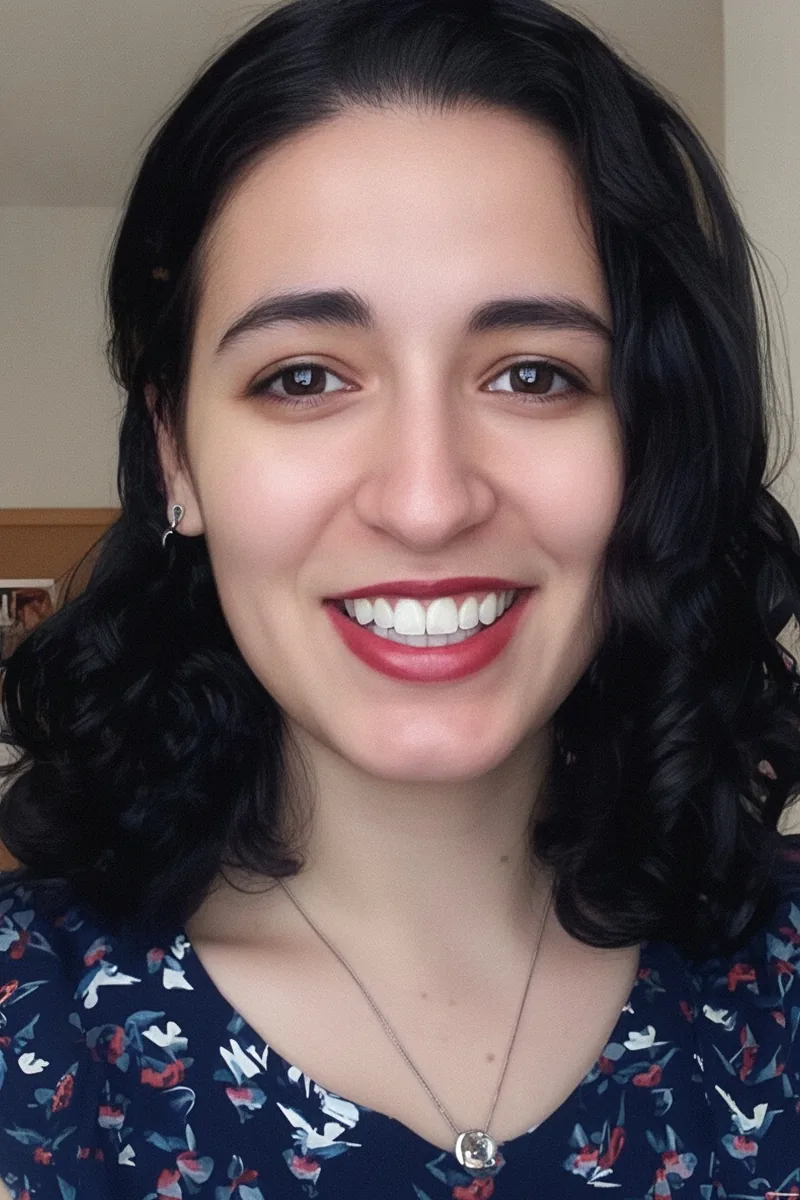
Between teaching French at multiple levels, preparing students for the SAT French with Listening exam, and baking French desserts in her spare time, Carla lives with the language daily in ways that go well beyond textbook exercises. Her English literature background sharpens how she teaches reading comprehension and written expression in French, while her conversational fluency keeps pronunciation and dialogue practice grounded in how the language actually sounds. Rated 5.0 by students.
Linda teaches French alongside Spanish, which gives her a useful comparative lens — she can pinpoint exactly where the two Romance languages overlap in structure and where they diverge, especially around verb tenses and gendered noun patterns. Her education background at USC's Rossier School means she thinks carefully about how to sequence lessons so that new grammar builds on what a student already knows. She covers French 1 through French 3, adjusting her approach for beginners still mastering présent tense and intermediate students tackling passé composé.
Living in Paris at age seven and again in northern France's Nord-Pas-de-Calais region as a teenager gave Nina the kind of immersive French fluency that's hard to replicate in a classroom. She tackles everything from verb conjugation drills to reading comprehension, but she's especially strong on pronunciation and the idiomatic expressions that textbooks tend to skip. Her 33 ACT reflects the disciplined study habits she brings to every subject she teaches.
Learning French grammar can feel like an endless list of conjugation tables until someone shows you the patterns underneath. Sarah has studied French through advanced coursework and approaches the language with the same analytical eye she brings to her English and Journalism studies at NYU — breaking down verb tenses, pronoun usage, and sentence construction so they make logical sense rather than requiring brute-force memorization.
Trained in foreign languages and literature at the University of Verona, Enrico studied French alongside Italian at an academic level, giving him insight into how the two Romance languages overlap and diverge. He unpacks tricky concepts like the subjunctive mood, pronoun placement, and passé composé vs. imparfait by drawing connections that make French grammar feel less arbitrary and more logical.
Sarah grew up attending French schools between Paris and Los Angeles, so her fluency isn't classroom-acquired — it's native-level. She teaches everything from passé composé versus imparfait distinctions to advanced literary analysis, adjusting naturally between formal grammar instruction and immersive conversation.
I am a BS/MS student at Columbia University studying Electrical engineering and also following the premed curriculum. After my undergraduate, I hope to pursue an MD-PhD and work in a teaching/research hospital as a physician-engineer.
Jacob studied French alongside his East Asian Languages degree at the University of Chicago and teaches across all four levels of the language, from foundational verb conjugations to the nuanced reading and listening comprehension required for AP French Language and Culture. He approaches grammar and vocabulary through cultural immersion techniques he's developing himself, connecting sentence structure to real French media and conversation rather than rote drills. Rated 5.0 by students.
Skyler's language-learning background extends beyond her Russian specialization — she has studied French formally and brings a linguist's eye to verb conjugation patterns, pronoun usage, and the grammatical structures that trip up English speakers. Her approach connects French grammar to the logic behind it, so rules like the subjunctive mood or passé composé vs. imparfait distinction actually make sense rather than feeling arbitrary.
Earning a full Bachelor of Arts in French means Julie didn't just study the language — she read, wrote, and argued in it at an advanced academic level. She digs into verb tenses, subjunctive triggers, and pronoun placement with the kind of precision that moves students past intermediate plateaus. Whether the goal is conversational fluency or mastering written grammar, her dual-degree background keeps lessons grounded in how French is actually used.
While French isn't Finley's primary academic focus, he has studied the language through multiple levels and brings the same structured, analytical approach he uses in his Harvard coursework to grammar rules, verb conjugations, and reading comprehension. He's particularly useful for students who need help organizing their study approach and building vocabulary systematically.
Eight months living and studying in France gave Kate the kind of fluency that textbooks alone can't provide — she knows how French actually sounds and flows in real conversation. She covers everything from passé composé vs. imparfait distinctions to advanced reading comprehension, and she's tutored both high school and adult learners.
Four levels of French coursework gave Alessia a thorough command of everything from partitive articles to the plus-que-parfait. She teaches grammar as a system rather than a set of isolated rules, so students start recognizing patterns — like how object pronoun order works — instead of memorizing charts. Her 5.0 rating speaks to the clarity she brings to the language.
Of all the subjects Daniel covers, foreign languages — especially French — represent his deepest tutoring experience, from foundational vocabulary and verb conjugations to preparing students for AP French Language and Culture. He also teaches Spanish, so he can draw on the structural similarities between the two Romance languages to make French grammar patterns like agreement rules and tense formation feel more intuitive. Holds a 5.0 rating.
Learning French from someone who has actually lived and taught in Paris changes the experience entirely — pronunciation, idiomatic expressions, and cultural context come through naturally rather than as footnotes in a textbook. Anniessa tackles grammar concepts like the subjunctive, object pronoun placement, and passé composé versus imparfait by connecting them to real spoken and written French. Her Master's in second language education means she understands how language acquisition actually works, not just what the rules are.
While French isn't Cindy's primary language specialty, her experience learning and teaching multiple languages gives her a structured approach to grammar, verb conjugation, and vocabulary acquisition. She's especially effective at showing students how to decode reading passages and write clear, grammatically sound compositions.
Teaching Spanish, Italian, and French gives Katherine a Romance language toolkit — she can show students exactly how French conjugation patterns, gendered nouns, and sentence structures map onto (and diverge from) languages they may already know. Her English degree and graduate work in religious studies also mean she's comfortable guiding learners through French reading comprehension, from simple passages to more nuanced texts. Rated 5.0 by students.
Though her primary expertise runs through biology and medicine, Amanda's structured, analytical approach to learning transfers well to picking apart French grammar — she treats verb conjugation patterns and noun-gender rules like systems to decode rather than lists to memorize. Her experience preparing for the SAT Spanish with Listening exam also means she's familiar with the discipline of foreign language study, from building vocabulary systematically to training your ear for spoken comprehension.
Most French tutors learned the language; Nicholas studied how it works at the graduate level, earning a master's in French Linguistics and Pedagogy. That means he can explain why certain verb conjugations follow the patterns they do, how pronoun placement shifts in complex sentences, and what makes French syntax feel intuitive rather than arbitrary.
Testimonials
Because the right French tutor makes all the difference.
Average Session Rating – Based on 3.4M Learner Ratings
Nearby French Tutors
Other Sacramento Tutors
Related Languages Tutors in Sacramento
Frequently Asked Questions
Speaking practice is one of the biggest challenges in traditional classroom settings, where students often get limited opportunities to speak. With personalized 1-on-1 instruction, you get dedicated conversation time with a tutor who can provide real-time feedback on pronunciation, grammar, and fluency. This regular speaking practice—combined with listening to native speakers and discussing topics that interest you—helps you build confidence and develop a natural accent much faster than classroom-only learning.
French verb conjugation is notoriously complex because verbs change based on tense, mood, and subject—and irregular verbs don't follow predictable patterns. Rather than memorizing conjugation tables, expert tutors help you understand the logic behind verb forms and practice them in real conversations and writing. This approach builds intuitive fluency instead of rote memorization, so conjugations become second nature over time.
Vocabulary sticks when you use it in meaningful contexts—not through isolated flashcard drills. Personalized tutoring incorporates spaced repetition and retrieval practice, where new words appear in conversations, writing exercises, and real-world scenarios you care about. A tutor can also help you learn vocabulary by topic or context (food, travel, business) rather than random word lists, making connections that help your brain retain and retrieve words when you need them.
Yes. While full immersion requires living in a French-speaking country, personalized tutoring creates an immersion-adjacent experience by maximizing your exposure to authentic French. Tutors can conduct sessions entirely in French, use authentic materials (news articles, podcasts, films), discuss French culture and current events, and create scenarios where you must think and respond in French. This targeted immersion approach helps you develop the listening and speaking skills that classroom instruction often lacks.
Reading and writing require different skills than speaking and listening, and expert tutors address all four. For reading, tutors help you tackle authentic texts (literature, news, blogs) and build comprehension strategies. For writing, they provide feedback on grammar, style, and clarity—helping you move beyond textbook exercises to writing that actually communicates. This balanced approach ensures you develop well-rounded proficiency across all language skills.
Sacramento's 27 school districts follow state standards for language learning, which emphasize communication, culture, and connections across all proficiency levels. Tutors can support your school's curriculum directly—whether you're in a French 1, AP French, or IB program—by reinforcing classroom concepts, preparing for exams, or filling gaps in understanding. They can also accelerate your progress if you're aiming for advanced placement or college credit through AP or IB exams.
Absolutely. Pronunciation is one of the clearest benefits of 1-on-1 tutoring because you get immediate, personalized feedback that's impossible in a classroom of 20+ students. Expert tutors can break down challenging French sounds (like the 'r' and nasal vowels), model correct pronunciation, and help you adjust your mouth position and breathing. Consistent practice with corrective feedback trains your ear and mouth to produce authentic French sounds naturally.
Your first session is about getting to know each other and understanding your goals. A tutor will assess your current level (beginner, intermediate, advanced), learn what you want to achieve (conversational fluency, exam prep, cultural understanding), and identify your biggest challenges. From there, they'll create a personalized learning plan that targets your specific needs, whether that's building vocabulary, mastering grammar, or gaining confidence in conversation.
Let’s find your perfect tutor
Answer a few quick questions. We’ll recommend the right plan and match you with a top 5% tutor.