Award-Winning French Tutors
serving Mission Viejo, CA
French
Tutors in Mission Viejo
Private 1-on-1 tutoring, weekly live classes for academic support, test prep & enrichment, practice tests and diagnostics, and more to elevate grades and test scores.
Based on 3.4M Learner Ratings
UniversitiesSchools & Universities
DeliveredHours Delivered
ProficiencyGrowth in Proficiency
Who needs tutoring?
No obligation. Takes ~1 minute.

Having studied French through the advanced level, Jackie tackles everything from verb conjugation patterns and pronoun placement to reading comprehension in the target language. She connects grammar rules to practical usage so that concepts like the subjunctive mood or passé composé vs. imparfait distinction actually make sense instead of feeling like arbitrary rules to memorize.
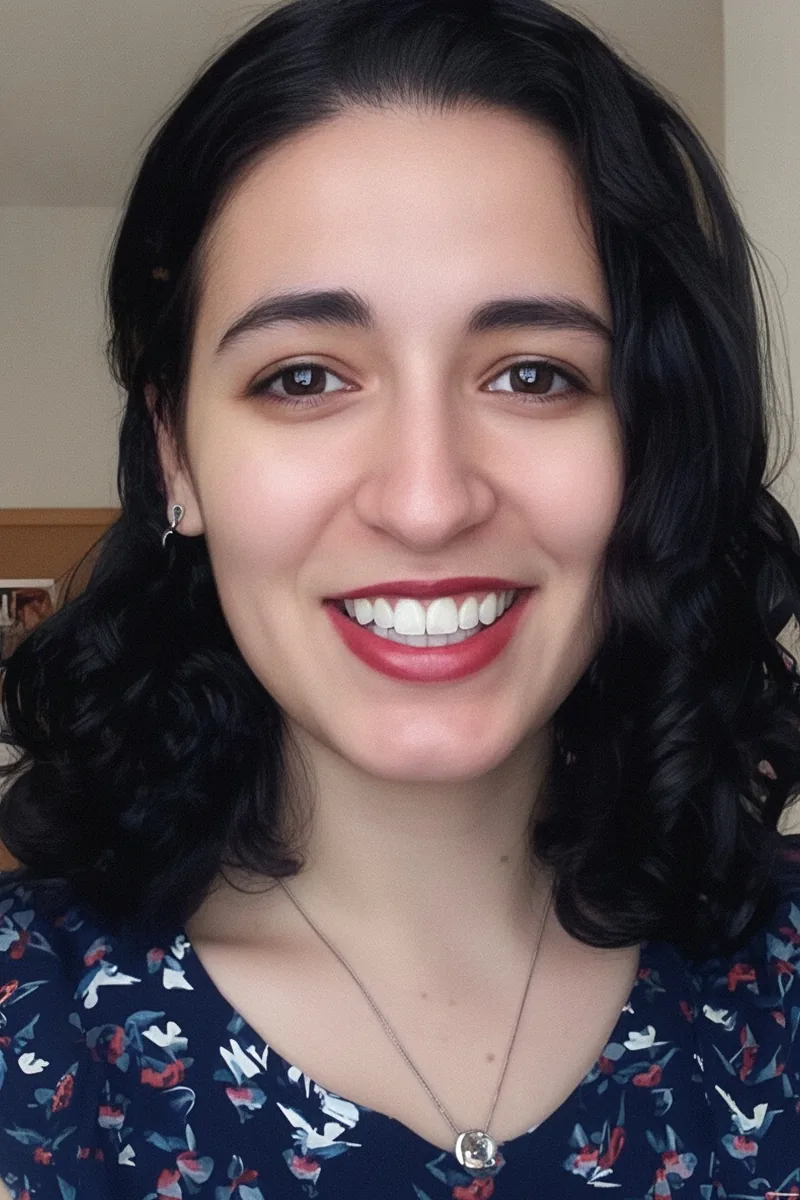
Between teaching French at multiple levels, preparing students for the SAT French with Listening exam, and baking French desserts in her spare time, Carla lives with the language daily in ways that go well beyond textbook exercises. Her English literature background sharpens how she teaches reading comprehension and written expression in French, while her conversational fluency keeps pronunciation and dialogue practice grounded in how the language actually sounds. Rated 5.0 by students.
Linda teaches French alongside Spanish, which gives her a useful comparative lens — she can pinpoint exactly where the two Romance languages overlap in structure and where they diverge, especially around verb tenses and gendered noun patterns. Her education background at USC's Rossier School means she thinks carefully about how to sequence lessons so that new grammar builds on what a student already knows. She covers French 1 through French 3, adjusting her approach for beginners still mastering présent tense and intermediate students tackling passé composé.
Living in Paris at age seven and again in northern France's Nord-Pas-de-Calais region as a teenager gave Nina the kind of immersive French fluency that's hard to replicate in a classroom. She tackles everything from verb conjugation drills to reading comprehension, but she's especially strong on pronunciation and the idiomatic expressions that textbooks tend to skip. Her 33 ACT reflects the disciplined study habits she brings to every subject she teaches.
Learning French grammar can feel like an endless list of conjugation tables until someone shows you the patterns underneath. Sarah has studied French through advanced coursework and approaches the language with the same analytical eye she brings to her English and Journalism studies at NYU — breaking down verb tenses, pronoun usage, and sentence construction so they make logical sense rather than requiring brute-force memorization.
Trained in foreign languages and literature at the University of Verona, Enrico studied French alongside Italian at an academic level, giving him insight into how the two Romance languages overlap and diverge. He unpacks tricky concepts like the subjunctive mood, pronoun placement, and passé composé vs. imparfait by drawing connections that make French grammar feel less arbitrary and more logical.
Sarah grew up attending French schools between Paris and Los Angeles, so her fluency isn't classroom-acquired — it's native-level. She teaches everything from passé composé versus imparfait distinctions to advanced literary analysis, adjusting naturally between formal grammar instruction and immersive conversation.
I am a BS/MS student at Columbia University studying Electrical engineering and also following the premed curriculum. After my undergraduate, I hope to pursue an MD-PhD and work in a teaching/research hospital as a physician-engineer.
While French isn't Cindy's primary language specialty, her experience learning and teaching multiple languages gives her a structured approach to grammar, verb conjugation, and vocabulary acquisition. She's especially effective at showing students how to decode reading passages and write clear, grammatically sound compositions.
Eleven years of French study and time living abroad in a Francophone country turned Abby into a self-described French grammar geek — the kind of tutor who can explain the subjunctive mood or the nuances of passé composé vs. imparfait with genuine enthusiasm. She tackles everything from verb conjugation drills to advanced reading comprehension. Her deep comfort with the language means she can adapt quickly whether a student is struggling with basics or preparing for the SAT Subject Test.
Though her primary expertise runs through biology and medicine, Amanda's structured, analytical approach to learning transfers well to picking apart French grammar — she treats verb conjugation patterns and noun-gender rules like systems to decode rather than lists to memorize. Her experience preparing for the SAT Spanish with Listening exam also means she's familiar with the discipline of foreign language study, from building vocabulary systematically to training your ear for spoken comprehension.
Living in France for a year and tutoring in Dartmouth's French department gave Ben a feel for the language that goes well beyond verb charts. He unpacks tricky grammar concepts like the subjunctive and object pronoun placement by connecting them to real spoken patterns, making the rules intuitive rather than arbitrary. Rated 5.0 by students.
Time spent actually living in France separates Heather from tutors who learned the language only in a classroom. She teaches French grammar — verb conjugations, gendered nouns, subjunctive mood — with the kind of intuition that comes from navigating daily life in the language, from ordering at a boulangerie to reading Le Monde.
Jacob studied French alongside his East Asian Languages degree at the University of Chicago and teaches across all four levels of the language, from foundational verb conjugations to the nuanced reading and listening comprehension required for AP French Language and Culture. He approaches grammar and vocabulary through cultural immersion techniques he's developing himself, connecting sentence structure to real French media and conversation rather than rote drills. Rated 5.0 by students.
Learning French well means internalizing patterns — when to use the subjunctive, how object pronouns rearrange in compound tenses, why certain prepositions follow certain verbs. Martha treats these not as arbitrary rules but as a system students can reason through, drawing on her background in psychology to understand how learners actually acquire and retain new structures. She's taught French from introductory through advanced levels and holds a 5.0 client rating.
Jenna earned her bachelor's degree in French from the University of Kentucky, which means she didn't just study grammar tables — she read Camus, debated in French seminars, and built the kind of fluency that comes from living inside the language academically. Whether a student is conjugating être for the first time or working through passé composé versus imparfait, she explains the logic behind French grammar so the rules actually stick.
Learning French through all four levels takes sustained momentum, and Ivanna keeps students progressing by linking new grammar — passé composé versus imparfait, relative pronouns, conditional constructions — back to patterns they already know. Her own experience as a multilingual learner gives her sharp instincts for where English speakers tend to stumble in French.
Laura studied French through the third-year level and approaches the language with the same analytical rigor she applies to her other subjects. She unpacks grammar concepts like the subjunctive and object pronoun placement by connecting them to patterns students already recognize, making conjugation tables and agreement rules feel less arbitrary.
As a French major who studied the language through advanced literature and cultural analysis, Xaviera brings depth that goes well beyond conjugation drills. She connects grammar concepts like the subjunctive and passé composé to real usage — showing students how French actually sounds and functions in context. From beginning vocabulary to complex written expression, she adapts to each level.
Of all the subjects Daniel covers, foreign languages — especially French — represent his deepest tutoring experience, from foundational vocabulary and verb conjugations to preparing students for AP French Language and Culture. He also teaches Spanish, so he can draw on the structural similarities between the two Romance languages to make French grammar patterns like agreement rules and tense formation feel more intuitive. Holds a 5.0 rating.
Testimonials
Because the right French tutor makes all the difference.
Average Session Rating – Based on 3.4M Learner Ratings
Nearby French Tutors
Other Mission Viejo Tutors
Related Languages Tutors in Mission Viejo
Frequently Asked Questions
One of the biggest challenges in traditional classrooms is getting enough speaking practice—with a 20.8:1 student-teacher ratio in Mission Viejo schools, it's nearly impossible for teachers to give each student meaningful conversation time. Personalized 1-on-1 instruction gives you dedicated speaking practice every session, with a tutor who can listen carefully to your pronunciation, correct your accent in real time, and adjust the conversation to your level. This consistent, personalized feedback accelerates your ability to understand native speakers and communicate confidently.
Verb conjugation is one of the most common pain points for French learners, but personalized tutoring breaks it down systematically rather than expecting you to memorize endless charts. Tutors focus on the patterns and rules that actually matter, teach you how native speakers think about tense, and give you targeted practice with verbs you'll actually use in conversation. Over time, conjugation becomes automatic through spaced repetition and real-world usage rather than rote memorization.
Most students forget vocabulary because they learn it in isolation. Expert tutors use retrieval practice—bringing up words you learned weeks ago in new contexts—and connect vocabulary to themes and real-life situations that matter to you. Whether you're learning food vocabulary through a conversation about French cuisine or travel words through discussing your dream vacation, personalized instruction anchors new words in meaning and usage, making them much harder to forget.
Absolutely. Varsity Tutors connects you with tutors who understand the French curriculum taught across Mission Viejo's schools and can support whatever level you're at—whether you're in French I, French II, AP French, or preparing for the DELF exam. Tutors can reinforce what you're learning in class, help you prepare for tests and speaking assessments, and fill in gaps where you need extra support.
Not with personalized tutoring. Expert tutors weave cultural context throughout lessons—discussing how grammar reflects French culture, exploring authentic media like French films and music, and teaching you the social norms of French communication. This immersion-style approach helps you understand not just the language, but how to use it appropriately and confidently in real French-speaking contexts.
Your first session is about assessment and connection. The tutor will listen to you speak, ask about your goals (whether that's passing your class, preparing for an exam, or becoming conversational), identify your specific challenges, and get a sense of your learning style. From there, they'll create a personalized plan that targets your weaknesses while building on your strengths, so every session moves you closer to fluency.
Personalized tutoring covers all four language skills: reading, writing, speaking, and listening. Tutors can help you analyze French texts, improve your essay writing, master written grammar in context, and develop strategies for understanding authentic French materials. A well-rounded approach ensures you're not just speaking French, but reading, writing, and comprehending it too.
The timeline depends on your starting point and how often you practice, but research suggests that reaching conversational proficiency in French typically requires around 600-750 hours of study. With consistent personalized tutoring combined with your own practice, most students can hold basic conversations within a few months and develop stronger conversational ability within 6-12 months. Your tutor will set realistic milestones and help you track progress along the way.
Let’s find your perfect tutor
Answer a few quick questions. We’ll recommend the right plan and match you with a top 5% tutor.