Award-Winning French Tutors
serving Bakersfield, CA
French
Tutors in Bakersfield
Private 1-on-1 tutoring, weekly live classes for academic support, test prep & enrichment, practice tests and diagnostics, and more to elevate grades and test scores.
Based on 3.4M Learner Ratings
UniversitiesSchools & Universities
DeliveredHours Delivered
ProficiencyGrowth in Proficiency
Who needs tutoring?
No obligation. Takes ~1 minute.

Having studied French through the advanced level, Jackie tackles everything from verb conjugation patterns and pronoun placement to reading comprehension in the target language. She connects grammar rules to practical usage so that concepts like the subjunctive mood or passé composé vs. imparfait distinction actually make sense instead of feeling like arbitrary rules to memorize.
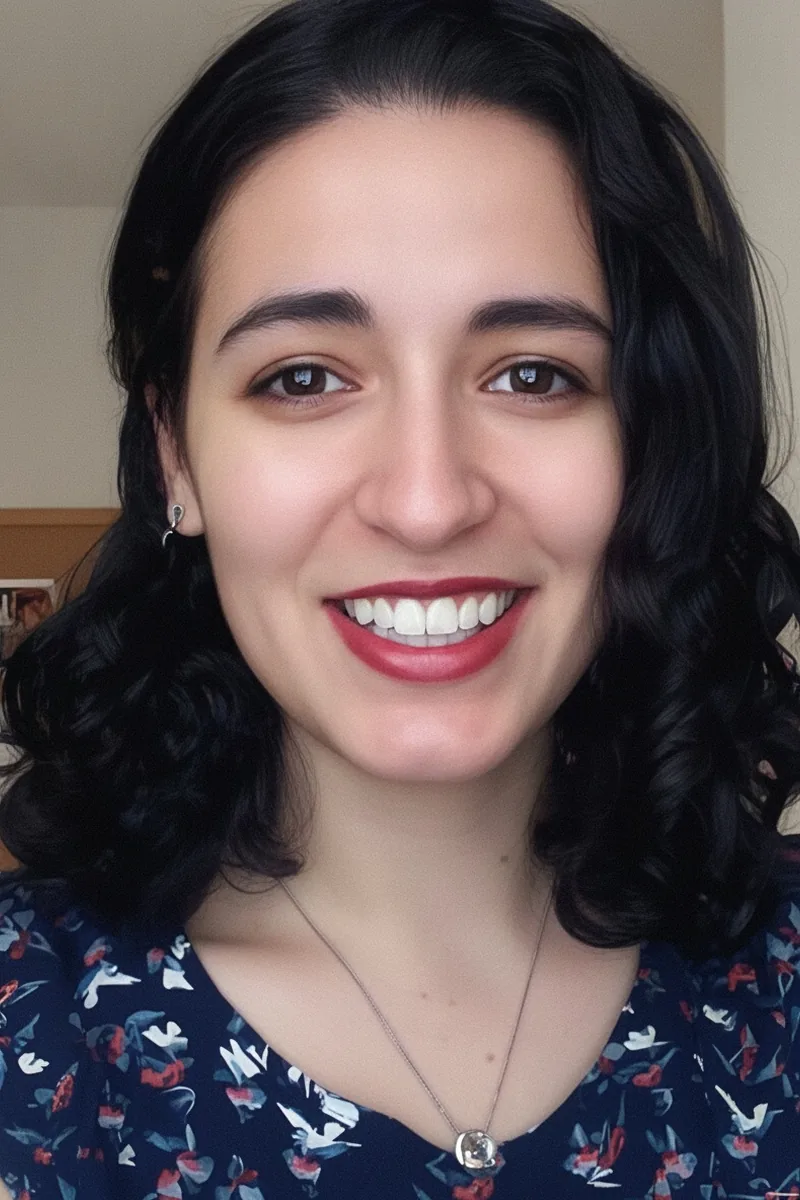
Between teaching French at multiple levels, preparing students for the SAT French with Listening exam, and baking French desserts in her spare time, Carla lives with the language daily in ways that go well beyond textbook exercises. Her English literature background sharpens how she teaches reading comprehension and written expression in French, while her conversational fluency keeps pronunciation and dialogue practice grounded in how the language actually sounds. Rated 5.0 by students.
Linda teaches French alongside Spanish, which gives her a useful comparative lens — she can pinpoint exactly where the two Romance languages overlap in structure and where they diverge, especially around verb tenses and gendered noun patterns. Her education background at USC's Rossier School means she thinks carefully about how to sequence lessons so that new grammar builds on what a student already knows. She covers French 1 through French 3, adjusting her approach for beginners still mastering présent tense and intermediate students tackling passé composé.
Living in Paris at age seven and again in northern France's Nord-Pas-de-Calais region as a teenager gave Nina the kind of immersive French fluency that's hard to replicate in a classroom. She tackles everything from verb conjugation drills to reading comprehension, but she's especially strong on pronunciation and the idiomatic expressions that textbooks tend to skip. Her 33 ACT reflects the disciplined study habits she brings to every subject she teaches.
Learning French grammar can feel like an endless list of conjugation tables until someone shows you the patterns underneath. Sarah has studied French through advanced coursework and approaches the language with the same analytical eye she brings to her English and Journalism studies at NYU — breaking down verb tenses, pronoun usage, and sentence construction so they make logical sense rather than requiring brute-force memorization.
Trained in foreign languages and literature at the University of Verona, Enrico studied French alongside Italian at an academic level, giving him insight into how the two Romance languages overlap and diverge. He unpacks tricky concepts like the subjunctive mood, pronoun placement, and passé composé vs. imparfait by drawing connections that make French grammar feel less arbitrary and more logical.
Sarah grew up attending French schools between Paris and Los Angeles, so her fluency isn't classroom-acquired — it's native-level. She teaches everything from passé composé versus imparfait distinctions to advanced literary analysis, adjusting naturally between formal grammar instruction and immersive conversation.
I am a BS/MS student at Columbia University studying Electrical engineering and also following the premed curriculum. After my undergraduate, I hope to pursue an MD-PhD and work in a teaching/research hospital as a physician-engineer.
Though her primary expertise runs through biology and medicine, Amanda's structured, analytical approach to learning transfers well to picking apart French grammar — she treats verb conjugation patterns and noun-gender rules like systems to decode rather than lists to memorize. Her experience preparing for the SAT Spanish with Listening exam also means she's familiar with the discipline of foreign language study, from building vocabulary systematically to training your ear for spoken comprehension.
Ashley has studied French through the advanced level and maintained her fluency alongside a demanding engineering career. She tackles tricky grammar concepts like the subjunctive mood and compound tenses with the same structured, logical approach she applies to engineering problems — breaking rules into patterns students can internalize rather than just memorize.
William teaches French across multiple levels, from foundational verb conjugations and noun-adjective agreement through more complex structures like the subjunctive and conditional tenses. His approach connects grammar rules to real reading and writing so that patterns stick instead of feeling like isolated drills.
Learning French grammar often clicks faster when someone can explain why a structure works, not just what the rule is. Kirstie's liberal arts training and strong grounding in Latin give her an unusual ability to connect French syntax back to its roots, making patterns like subjunctive triggers and pronoun placement feel logical rather than arbitrary.
A French major at Northwestern, Emma doesn't just teach vocabulary lists and verb conjugations — she builds lessons around reading, listening, and conversation so that grammar concepts like the subjunctive or object pronoun placement click in context. Her dual background in French language and French literature gives her a depth that's especially useful for students moving past the intermediate plateau.
From nailing the partitive article to untangling the imparfait/passé composé distinction, French grammar has a logic that clicks once someone lays it out clearly. Jorge spent years reading and discussing Francophone texts during his studies at Harvard and Columbia, and that deep familiarity with how French actually works — in academic writing, in conversation, in culture — comes through in how he teaches the language.
Having studied through French 3, Annelisa is well-suited for students building their foundation in the language — verb conjugation patterns, gendered nouns, and the tricky rules around articles and prepositions. She breaks down grammar concepts methodically, connecting written exercises to how the language actually sounds and flows in practice.
Fluency in Spanish and Portuguese gives Lisanne an intuitive grasp of how Romance languages work — the shared Latin roots, the gendered noun systems, the verb tense structures that map across French, Spanish, and Portuguese in predictable ways. She draws on that multilingual foundation to unpack French grammar for students who benefit from seeing the connections between languages rather than learning each rule in isolation. Her PhD work at Harvard, rooted in international and cross-cultural research, keeps her engaged with French-language scholarship and discourse.
Manolya teaches French across multiple levels — from verb conjugation patterns and gendered noun agreement through advanced reading comprehension and composition. Her depth in the language spans AP-level coursework and standardized French exams, giving her a clear sense of what trips students up at each stage. Rated 5.0 by students.
Of all the subjects Daniel covers, foreign languages — especially French — represent his deepest tutoring experience, from foundational vocabulary and verb conjugations to preparing students for AP French Language and Culture. He also teaches Spanish, so he can draw on the structural similarities between the two Romance languages to make French grammar patterns like agreement rules and tense formation feel more intuitive. Holds a 5.0 rating.
Jenna earned her bachelor's degree in French from the University of Kentucky, which means she didn't just study grammar tables — she read Camus, debated in French seminars, and built the kind of fluency that comes from living inside the language academically. Whether a student is conjugating être for the first time or working through passé composé versus imparfait, she explains the logic behind French grammar so the rules actually stick.
Eight months living and studying in France gave Kate the kind of fluency that textbooks alone can't provide — she knows how French actually sounds and flows in real conversation. She covers everything from passé composé vs. imparfait distinctions to advanced reading comprehension, and she's tutored both high school and adult learners.
Testimonials
Because the right French tutor makes all the difference.
Average Session Rating – Based on 3.4M Learner Ratings
Nearby French Tutors
Other Bakersfield Tutors
Related Languages Tutors in Bakersfield
Frequently Asked Questions
Your first session is an opportunity to discuss your French learning goals, current level, and any specific challenges you're facing—whether that's verb conjugation, conversation confidence, or exam preparation. The tutor will assess your strengths in reading, writing, speaking, and listening to create a personalized learning plan tailored to your needs. This foundation helps ensure every session that follows builds on what works best for you.
In a classroom setting, speaking time is limited—but with personalized 1-on-1 instruction, you get dedicated conversation practice every session. A tutor can engage you in real dialogue, correct your pronunciation and grammar in the moment, and gradually increase complexity as your confidence grows. This consistent, interactive practice is one of the most effective ways to develop fluency and overcome the anxiety many students feel about speaking French aloud.
The best approach combines both. Understanding grammar rules gives you the foundation and structure needed to communicate accurately, while practicing natural usage helps you sound fluent and understand how native speakers actually use the language. A tutor can help you balance these by teaching grammar concepts in context, using real French conversations and texts, so you're not just memorizing rules but learning how to apply them naturally.
Research on learning science shows that spaced repetition and retrieval practice—reviewing words at increasing intervals and using them in different contexts—are far more effective than cramming. A tutor can help you build vocabulary through conversation, reading, and writing exercises rather than isolated word lists, making new terms stick because you're using them meaningfully. They can also tailor vocabulary selection to your interests and goals, whether that's conversational French, academic writing, or exam preparation.
French verb conjugation is tricky because there are many tenses, irregular verbs, and subtle distinctions that don't exist in English. Rather than memorizing tables, a tutor can teach you patterns and help you practice conjugations in actual sentences and conversations, which builds automaticity faster than rote learning. Consistent practice with personalized feedback helps you internalize these patterns until conjugating becomes natural.
Language and culture are deeply connected—understanding French customs, history, media, and social norms helps you grasp nuances in meaning, idioms, and communication styles that grammar alone can't teach. A tutor can weave cultural context into your lessons through authentic materials like French films, news articles, and literature, making your learning richer and helping you communicate more naturally and respectfully. This cultural immersion also makes French feel more relevant and engaging.
With 196 schools across Bakersfield's 19 school districts, French programs vary widely in pacing and expectations. Personalized tutoring fills gaps in classroom instruction, whether you need help keeping up with your current curriculum, preparing for exams like AP French or SAT Subject Tests, or building confidence in all four language skills. A tutor can align their instruction with your specific school's requirements while also providing the one-on-one speaking practice that classroom settings simply can't offer.
Yes—this is one of the biggest advantages of personalized 1-on-1 instruction. A tutor can listen to your pronunciation, identify specific sounds or patterns that need work, and provide immediate feedback and modeling. With consistent practice and guidance, you can develop a more authentic French accent and improve your listening comprehension, since understanding native pronunciation helps you recognize and process spoken French more easily.
Let’s find your perfect tutor
Answer a few quick questions. We’ll recommend the right plan and match you with a top 5% tutor.