Award-Winning AP Human Geography Tutors
serving Mesa, AZ
AP Human Geography
Tutors in Mesa
Private 1-on-1 tutoring, weekly live classes for academic support, test prep & enrichment, practice tests and diagnostics, and more to elevate grades and test scores.
Based on 3.4M Learner Ratings
UniversitiesSchools & Universities
DeliveredHours Delivered
ProficiencyGrowth in Proficiency
Who needs tutoring?
No obligation. Takes ~1 minute.
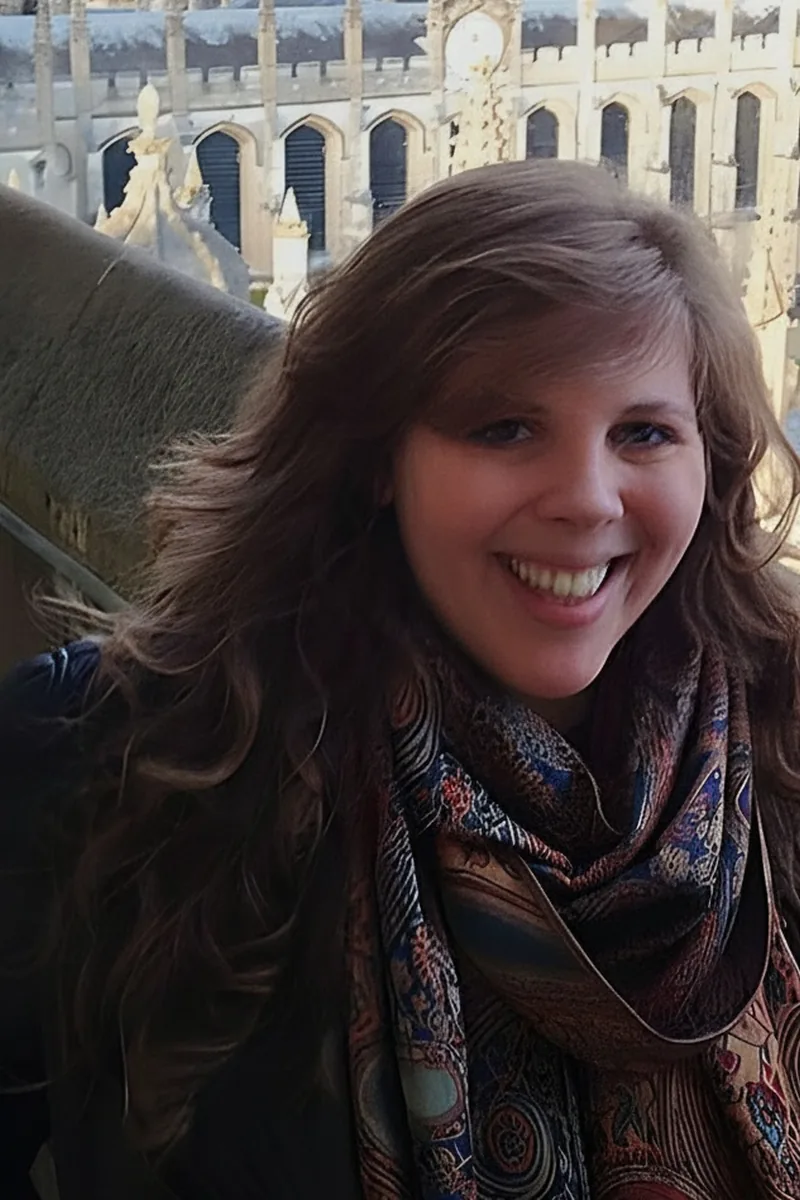
An anthropology degree from Northwestern means Samantha spent years studying exactly what AP Human Geography tests — how cultures form, spread, and collide across regions, and why migration and political organization look different depending on where you are in the world. She brings that ethnographic lens to units on cultural patterns, population dynamics, and political geography, turning abstract models into the kind of human stories that actually stick before exam day.

Economic development models, urbanization patterns, and the politics of agricultural land use sit at the intersection of Dana's economics expertise and AP Human Geography's core units. She teaches students to read spatial data critically and to write FRQ answers that link geographic concepts — like Rostow's stages or the demographic transition model — to specific real-world examples.
A UChicago BA and UBC master's degree — both in geography — plus a Fulbright research fellowship in Bulgaria mean Duncan has lived the discipline AP Human Geography introduces: migration, cultural landscapes, political boundaries, and spatial organization aren't abstract textbook units for him but the actual substance of his academic career. He teaches students to apply models like the von Thünen or demographic transition not as vocabulary to memorize but as tools for interpreting the stimulus maps and data sets the exam puts in front of them. Rated 5.0 by students.
Living and teaching in Ecuador for over a decade gave Joy a ground-level understanding of the cultural diffusion, language patterns, and development challenges that AP Human Geography tests in units on culture, political organization, and economic development — she's seen concepts like core-periphery dynamics and acculturation play out in real life, not just in textbook diagrams. Her biology background in ecology and conservation also strengthens her approach to the agriculture and land-use units, where students need to connect environmental constraints to human settlement patterns.
Teaching World History and Economics to high schoolers means Bradley already covers the historical forces — colonialism, industrialization, migration — that sit behind most AP Human Geography units. He connects those classroom experiences to the exam's trickiest content, like applying the demographic transition model or explaining how Wallerstein's world-systems theory plays out in real trade patterns. His 33 ACT composite also signals the kind of analytical reading skill that pays off on stimulus-based multiple choice.
Between her political science major, criminal justice minor, and Latine/Mexican American studies certificate at UNT, Lianna's coursework covers the political boundaries, migration patterns, and cultural identity questions that drive AP Human Geography's most heavily tested units. She's especially grounded in the Latin America case studies that make concepts like acculturation, devolution, and economic development models concrete rather than abstract. Rated 4.8 by students.
A Latin American History degree from Duke means Jean spent years studying the exact processes — colonialism, land reform, rural-to-urban migration, political boundary shifts — that AP Human Geography tests across nearly every unit. She unpacks models like Rostow's stages of development or the core-periphery framework using real Latin American case studies that make the content stick far better than textbook definitions alone. Her 1500 SAT also reflects the analytical reading skill that pays off on the exam's stimulus-based questions.
Population pyramids, the Demographic Transition Model, spatial diffusion — AP Human Geography throws a lot of vocabulary at students and expects them to apply it to real-world scenarios on the FRQs. Liraz teaches students to think geographically, connecting concepts like urbanization patterns and cultural landscapes to places they already know about.
Population pyramids, Ravenstein's laws of migration, and the Wallerstein world-systems model can feel abstract until someone ties them to actual places and patterns. Kshitij approaches AP Human Geography by grounding each model in concrete examples — why Rostow's stages look different in Sub-Saharan Africa versus East Asia, or how gerrymandering reshapes political boundaries. That real-world anchoring makes the free-response questions far less intimidating on exam day.
I am very interested in a career in the medical field, so I am apart of some pre-medical organizations. I really enjoy playing all different sports, from soccer to volleyball to tennis.
Shrina's math and computer science background gives her an unexpected edge in AP Human Geography — she's comfortable with the spatial data analysis, population models, and quantitative reasoning behind concepts like the gravity model or rank-size rule that trip up students who approach the course as pure memorization. She also brings strong writing chops (1540 SAT, plus experience coaching college essays) to FRQ prep, where translating geographic patterns into structured written arguments is half the battle.
The trickiest part of AP Human Geography for most students isn't the content — it's learning to write FRQ responses that explain geographic concepts rather than just describe them. Samantha's writing and essay-editing expertise makes her particularly sharp at teaching students how to structure those responses, connecting models like the gravity model or Rostow's stages to specific evidence. Rated 5.0 by students.
Testimonials
Because the right AP Human Geography tutor makes all the difference.
Average Session Rating – Based on 3.4M Learner Ratings
Practice AP Human Geography
Free practice tests, flashcards, and AI tutoring for AP Human Geography
Other Mesa Tutors
Related Social Studies Tutors in Mesa
Frequently Asked Questions
AP Human Geography is a social science course that explores how people, cultures, and societies organize themselves across Earth's landscapes. The course covers eight main units: thinking geographically, population and migration patterns, cultural geography, political organization, economic systems, cities and urban development, agriculture and food systems, and human-environment interactions. Understanding these interconnected topics helps you see how geography shapes everything from politics to economics to daily life.
The AP Human Geography exam is 2 hours and 15 minutes long, split into two sections: a 60-minute multiple-choice section (60 questions) and a 75-minute free-response section (3 essays). The multiple-choice questions test your ability to identify concepts and apply them to real-world scenarios, while the essays require you to explain geographic principles with specific examples. Pacing is critical—you'll have about one minute per multiple-choice question and 25 minutes per essay, so practicing under timed conditions is essential.
Many students struggle with distinguishing between similar concepts (like different types of migration or economic systems) and applying geographic vocabulary precisely. Others find it difficult to balance memorizing case studies and examples with truly understanding the underlying principles—the exam rewards conceptual thinking, not just facts. Time management on the free-response section is another frequent challenge, especially when students aren't sure how much detail to include in their answers.
Start by mastering the core concepts unit by unit rather than cramming everything at the end. Use practice tests regularly to identify weak areas and get comfortable with the exam format—this builds confidence and reveals patterns in question types. Create a personal case study bank with examples from each unit (like specific countries, cities, or regions) that you can reference in essays. Finally, practice writing timed free-response essays and get feedback on your explanations—this is where most score improvement happens.
Score improvement depends on where you're starting and how much you engage with personalized instruction. Students who work with tutors typically see 1-3 score point improvements (on the 1-5 scale) by focusing on their specific weak areas—whether that's understanding political geography concepts, mastering essay structure, or improving multiple-choice strategy. The key is identifying exactly what's holding you back (concept gaps, timing issues, or answer clarity) and addressing it systematically rather than studying broadly.
Strong essays start with a clear thesis that directly answers the prompt, then support it with specific geographic examples and vocabulary. Use the "claim-evidence-reasoning" structure: make your point, provide a concrete example (like a specific country or city), and explain why it matters geographically. Many students lose points by using vague language or generic examples—instead, reference actual places and populations you've studied. Practice outlining essays in 2-3 minutes so you have a roadmap before writing, which helps you stay organized under time pressure.
Your first session typically includes a diagnostic assessment to understand your current knowledge, identify which units or concepts need the most work, and discuss your specific goals (improving overall understanding, boosting essay scores, or test anxiety management). Tutors will also learn your learning style and preferences so they can tailor future sessions. By the end, you'll have a personalized study plan and a clear sense of how personalized 1-on-1 instruction can help you succeed on the exam.
Varsity Tutors connects you with expert tutors who know the AP Human Geography curriculum inside and out and understand how to help students in Mesa succeed. You can share your goals, preferred schedule, and any specific topics you want to focus on, and you'll be matched with a tutor who fits your needs. Whether you're preparing months in advance or cramming before exam day, personalized instruction helps you build confidence and improve your score.
Let’s find your perfect tutor
Answer a few quick questions. We’ll recommend the right plan and match you with a top 5% tutor.