Award-Winning Statistics Tutors
serving New York, NY
Award-Winning
Statistics
Tutors in New York
Private 1-on-1 tutoring, weekly live classes for academic support, test prep & enrichment, practice tests and diagnostics, and more to elevate grades and test scores.
Based on 3.4M Learner Ratings
UniversitiesSchools & Universities
DeliveredHours Delivered
ProficiencyGrowth in Proficiency
Who needs tutoring?
No obligation. Takes ~1 minute.
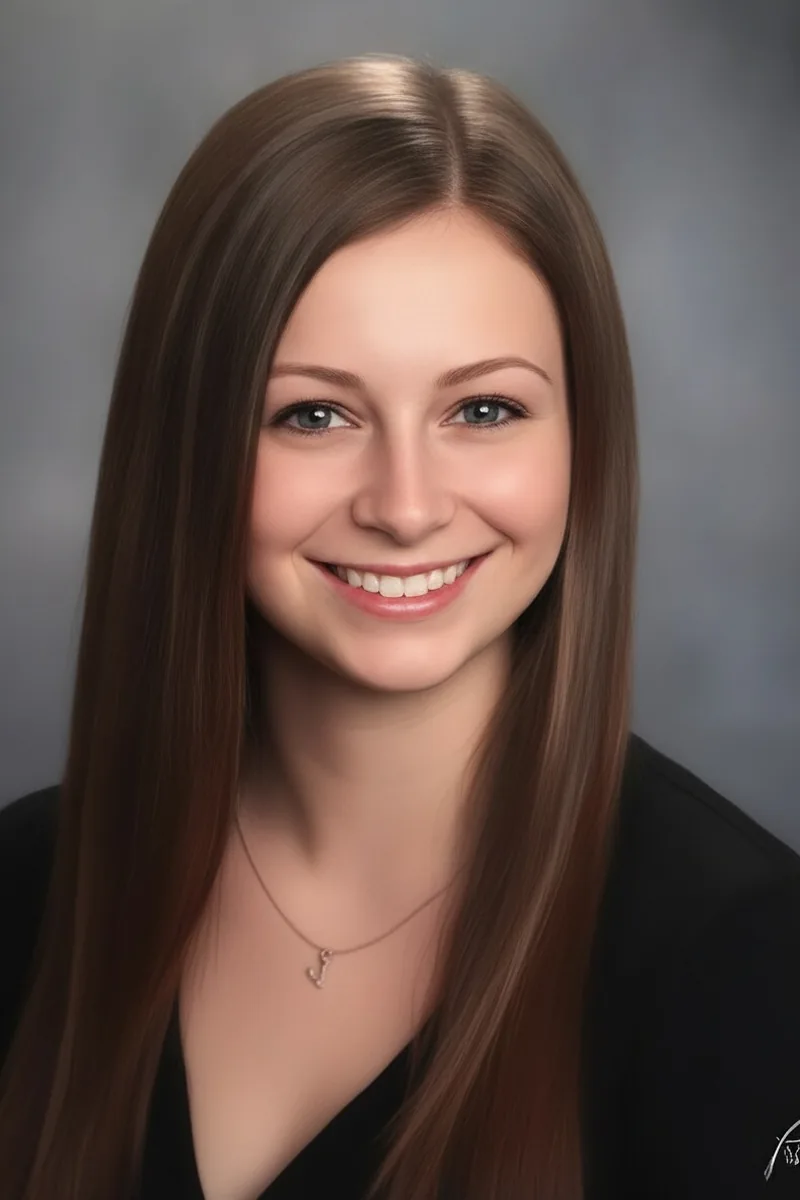
Probability distributions, hypothesis testing, and regression can feel like a foreign language the first time through. Nina breaks these concepts down by connecting them to real datasets and research questions drawn from her biostatistics training at Columbia and NYU. Rated 5.0 by students, she's especially effective at making the jump from formulas to interpretation feel intuitive.
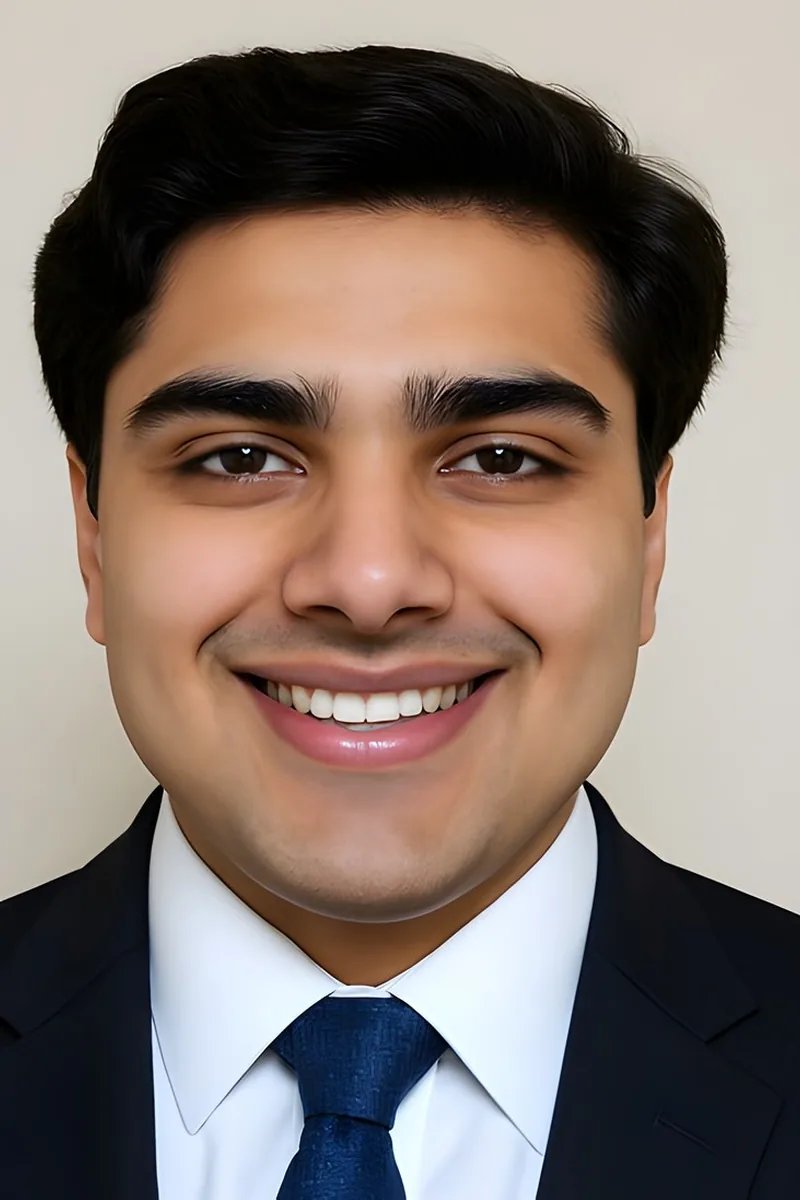
A year as a course assistant in Harvard's math department gave Richard a front-row seat to where students get tripped up — and in statistics, it's almost always the jump from computing a value to interpreting what it means. He teaches concepts like variability, correlation, and probability by connecting the math to the kind of data-driven arguments he encounters in his government coursework, where a misread confidence interval can derail an entire policy claim.
Probability distributions, hypothesis testing, and regression analysis each require a different kind of thinking — and Rahi distinguishes clearly between the conceptual reasoning and the mechanical calculation so students know which skill a problem is actually testing. His applied mathematics background means he can explain the logic behind formulas like the Central Limit Theorem instead of just handing students a recipe to follow.
A political science degree from Brown meant Lyall spent years interpreting polling data, regression models, and probability distributions in real research contexts. He brings that applied lens to statistics tutoring, connecting concepts like standard deviation and confidence intervals to situations where the numbers actually matter. Students get someone who treats stats as a tool for making arguments, not just a formula sheet to memorize.
Engineering Physics at Cornell requires serious statistical reasoning — error analysis, probability distributions, hypothesis testing — so Daniel brings a practical lens to statistics rather than a purely textbook one. He walks through concepts like standard deviation, regression, and confidence intervals by tying them to real data questions, which makes the logic behind each formula click.
Jonathan holds an MS in Statistics, which means probability distributions, hypothesis testing, and regression analysis aren't just textbook topics for him — they're the core of his graduate training. He breaks down intimidating formulas like Bayes' theorem or ANOVA tables by connecting them to the real-world questions they were designed to answer.
Studying conducting at Juilliard means Molly lives in data — analyzing scores, interpreting patterns, and making decisions based on complex information. She brings that same analytical mindset to statistics, breaking down probability distributions, hypothesis testing, and data interpretation into logical steps. Her 5.0 client rating speaks to how clearly she communicates even the trickiest concepts.
Studying Statistics at NYU means Dennis doesn't just teach probability distributions and hypothesis testing from a textbook — he's actively working through these concepts in his own coursework. He's especially sharp at translating the notation-heavy language of statistics into plain English, which makes topics like confidence intervals and regression analysis far less intimidating.
Every research methods course in Daniel's neuroscience program at Penn relies heavily on statistics — from designing experiments with proper controls to running t-tests and interpreting p-values. That daily exposure to real data analysis gives him a practical lens on probability distributions, hypothesis testing, and regression that most stats tutors can't offer.
I am currently working in a Bronx Public School as a teaching apprentice in Algebra. I have four years of experience tutoring one on one with students of all ages.
Probability distributions, hypothesis testing, and regression analysis all click faster when you understand the engineering problems they were designed to solve. Zora's Management Science and Engineering coursework at Stanford means she teaches statistics through real applications — modeling uncertainty, interpreting p-values, and designing experiments — not just formula sheets.
Probability distributions, hypothesis testing, and regression analysis each require a different kind of thinking than most math courses demand. Romeo unpacks the reasoning behind statistical methods so that concepts like p-values and confidence intervals actually make sense, not just as formulas to memorize but as tools for drawing real conclusions from data.
Testimonials
Because the right Statistics tutor makes all the difference.
Average Session Rating – Based on 3.4M Learner Ratings
Practice Statistics
Free practice tests, flashcards, and AI tutoring for Statistics
Nearby Statistics Tutors
Other New York Tutors
Related Math Tutors in New York
Frequently Asked Questions
Statistics requires both conceptual understanding and practical application—many students struggle with interpreting what statistical measures actually mean rather than just calculating them. Common pain points include understanding probability concepts, working with data distributions, hypothesis testing, and translating real-world scenarios into statistical problems. Personalized tutoring helps students move beyond memorizing formulas to truly grasping how statistics reveals patterns in data.
A tutor works with you to identify exactly where concepts break down—whether that's interpreting graphs, setting up statistical tests, or applying the right method to a problem. By breaking down multi-step problems into manageable pieces and connecting theory to practice, personalized instruction builds both confidence and mastery. Students who work with tutors typically develop stronger problem-solving strategies and perform better on assessments.
New York schools across the state's 64 districts do use different curricula and textbooks, and some focus more heavily on AP Statistics preparation than others. A tutor familiar with your specific course can align their instruction with your textbook's notation, examples, and emphasis areas. This curriculum-matched approach ensures you're learning material in a way that directly supports your classwork and exams.
Word problems require you to translate a scenario into statistical thinking—identifying what you're measuring, what method applies, and what the answer actually means. Tutors help you develop a systematic approach: reading carefully, identifying the statistical question, choosing the right tool, and interpreting results in context. With practice and guided feedback, the pattern-recognition skills transfer across different problem types.
Absolutely. Math anxiety often comes from feeling lost or confused, and one-on-one instruction builds confidence by working at your pace and celebrating progress. A tutor creates a judgment-free space to ask questions, clarify misconceptions, and develop strategies that make Statistics feel less overwhelming. Many students who struggled with math anxiety find that personalized support transforms their relationship with the subject.
Varsity Tutors connects you with expert tutors who have Statistics experience and understand the New York curriculum. You can share your specific needs—whether you're preparing for AP Stats, working through a college course, or looking for test prep—and get matched with someone who fits your learning style. The process is straightforward, and you can start personalized instruction that's tailored to your goals.
Let’s find your perfect tutor
Answer a few quick questions. We’ll recommend the right plan and match you with a top 5% tutor.