Award-Winning Special Education Tutors
serving Richmond, VA
Special Education
Tutors in Richmond
Private 1-on-1 tutoring, weekly live classes for academic support, test prep & enrichment, practice tests and diagnostics, and more to elevate grades and test scores.
Based on 3.4M Learner Ratings
UniversitiesSchools & Universities
DeliveredHours Delivered
ProficiencyGrowth in Proficiency
Who needs tutoring?
No obligation. Takes ~1 minute.
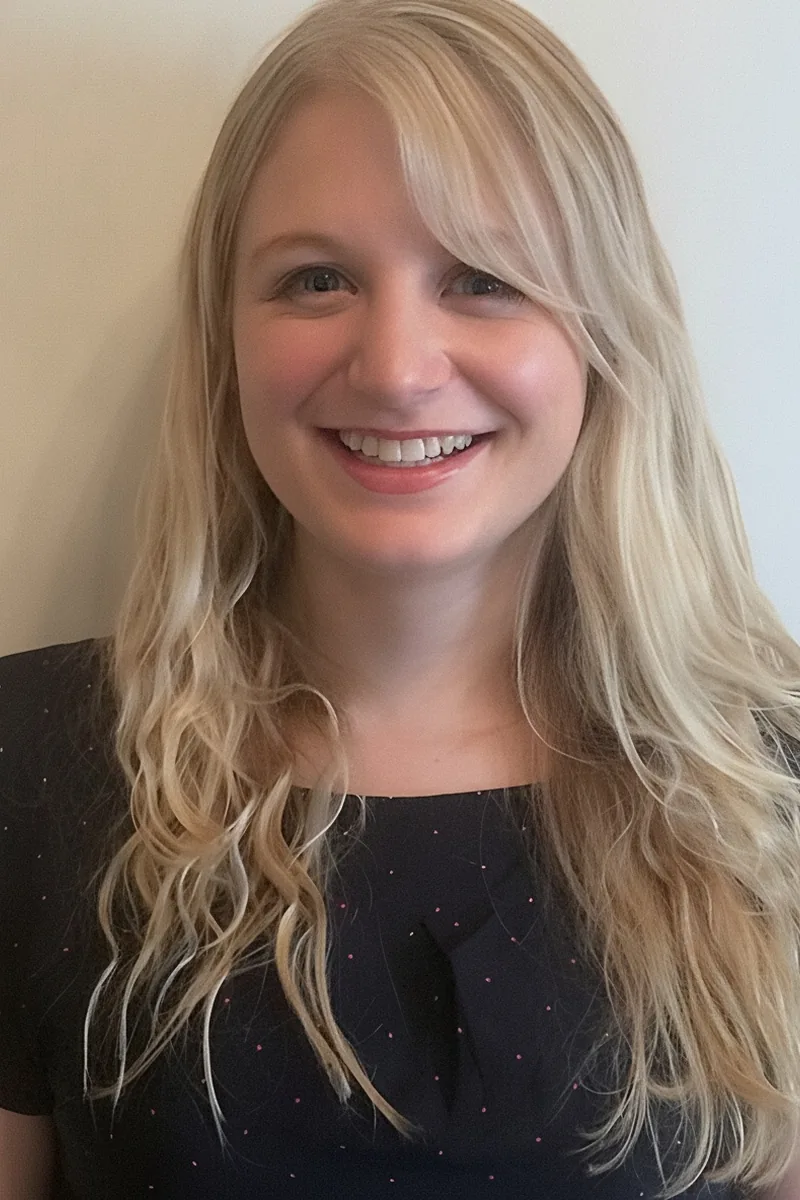
Allison spent years teaching special needs students at summer camp, adapting lessons on the fly for kids with different processing speeds, attention profiles, and learning styles. That hands-on experience, combined with her understanding of medical and genetic conditions, means she can design approaches that account for how a student's brain actually works rather than forcing a one-size-fits-all method.
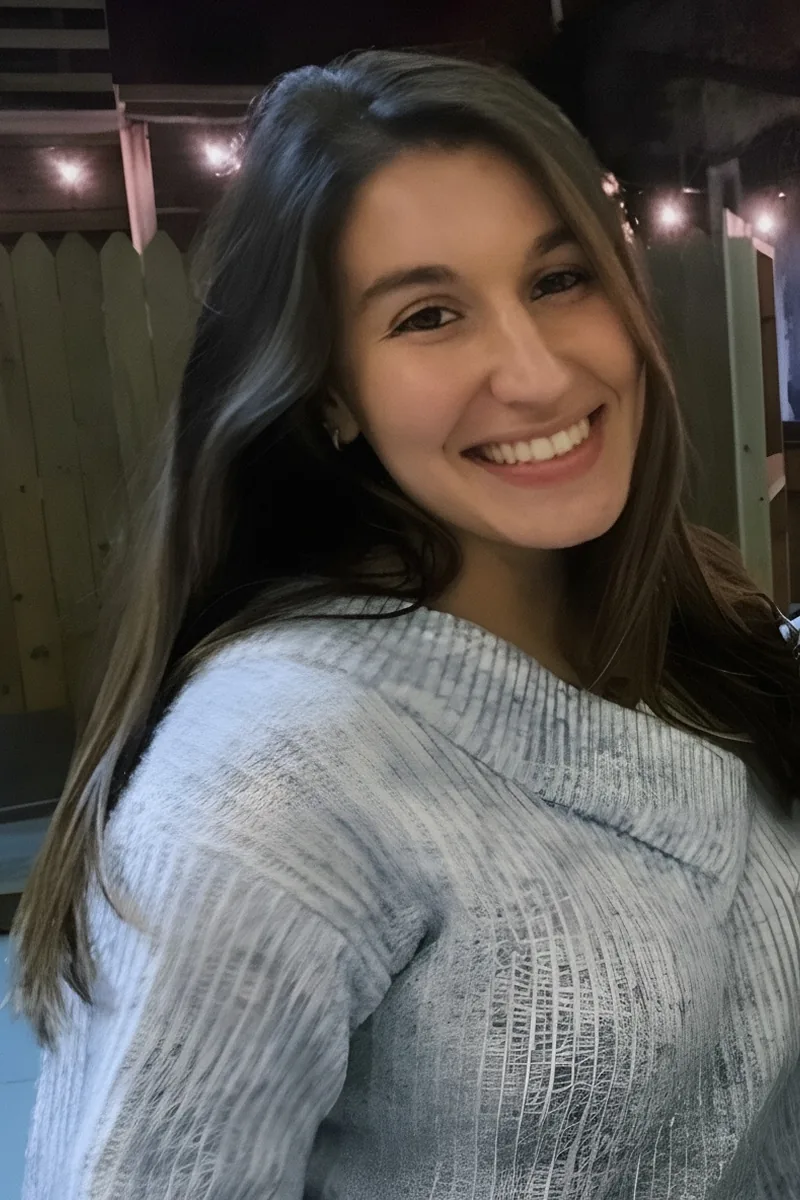
During high school, Kara worked consistently with a group of special needs students, learning to adapt pacing, instructions, and materials based on each learner's processing style. She carries that experience into sessions where she breaks tasks into smaller, clearly defined steps and uses repetition without making it feel repetitive. Her biology background is especially useful for explaining concepts visually and kinesthetically when traditional text-based approaches aren't working.
Kim's approach starts with identifying the specific barrier a student faces — whether it's processing speed, attention, or difficulty transferring skills across contexts — and then adapting instruction around it. Her background spanning anthropology and business gives her an unusually flexible toolkit for reframing concepts in ways that click for different learners. She holds a 5.0 rating across her students.
Co-teaching in NYC public schools means Rhiannon designs lessons daily for classrooms where IEPs, 504 plans, and diverse learning profiles are the norm — not the exception. She breaks down academic content into scaffolded steps, builds in sensory and processing accommodations, and adjusts pacing based on how each student actually learns. That real-world experience with differentiated instruction translates directly into one-on-one sessions where modifications aren't an afterthought.
Rosemary's graduate work in occupational therapy included extensive training in adaptive learning strategies, sensory processing, and task analysis — the clinical side of what special education looks like in practice. She volunteers regularly with the Down syndrome community, giving her hands-on experience tailoring instruction to different cognitive and developmental profiles. That combination means she doesn't just know accommodations exist; she knows how to implement them in real learning moments.
Hans completed his Northwestern economics degree in three years rather than four, which required him to develop precise study systems and organizational strategies — skills he now applies when building structured routines for students who need extra support with executive function, task management, and academic planning. His 5.0 rating and broad teaching range across math, reading, and writing mean he can identify where a student is struggling and adjust his approach across multiple subject areas in a single session.
Every learner processes information differently, and Jessica adapts her teaching style accordingly — breaking concepts into smaller steps, using visual organizers, or finding alternative explanations when the standard one doesn't click. Her science and economics training means she can support students across multiple subjects while keeping the focus on building confidence and independence. She's patient, structured, and attentive to what each individual student actually needs to move forward.
I am persuasive and capable of developing rapport and trust, as well as experienced in influencing the attitudes and ideas of others.
Brendan holds a Master's in Special Education, which means he's trained in differentiated instruction, IEP goal alignment, and evidence-based interventions for learning disabilities like dyslexia and dyscalculia. He adapts lessons to match each student's processing style — whether that means multisensory math manipulatives, graphic organizers for writing, or modified pacing for reading tasks. His experience spans a wide range of ages and ability levels.
Teaching on an ESL elementary campus meant Madison regularly adapted lessons for students with vastly different learning needs, processing speeds, and communication styles. She builds individualized approaches — breaking instructions into smaller steps, using visual and auditory reinforcement, and adjusting in real time — so that each student can access the material at their own pace without feeling left behind.
As a state-certified teacher with special education experience, Marina adapts lessons to match each learner's processing style — whether that means breaking multi-step directions into smaller chunks, using visual supports for abstract concepts, or building in movement breaks that reset focus. Her UCLA background in public health sharpened her understanding of how environment and individual needs shape learning outcomes.
I am a graduate of UC San Diego with a Bachelors in Neuroscience through the Psychology department. After graduating, I went to Michigan Technological University and did some graduate work, before moving to Texas to be closer to my parents. I did my alternative certification program through Texas Teachers and am highly qualified to teach Science for grades 7-12. I have been a teacher in public and charter schools for the last four years, and have tutoring experience extending over ten years behind me as well.
Every learner processes information differently, and Professor Florence draws on her psychology training at UCLA to identify where a student's understanding is breaking down and restructure the material accordingly. She adapts pacing, visual aids, and practice strategies to match each student's learning profile, whether the challenge involves processing speed, attention, or executive function.
Jamie holds a Master's in Special Education, which means he doesn't just adapt lessons on the fly — he designs instruction around how each student processes, retains, and demonstrates understanding. Whether a learner has an IEP addressing executive function challenges, reading disabilities, or autism spectrum needs, Jamie builds structured, multi-sensory approaches that connect to the student's strengths rather than spotlighting gaps.
Testimonials
Because the right Special Education tutor makes all the difference.
Average Session Rating – Based on 3.4M Learner Ratings
Other Richmond Tutors
Frequently Asked Questions
Special education tutoring is personalized 1-on-1 instruction designed for students with Individualized Education Programs (IEPs) or 504 plans. Unlike classroom learning, where teachers manage 14+ students at once, special education tutoring focuses entirely on your child's unique learning style, pace, and goals outlined in their IEP. Tutors work closely with your child's school team to reinforce skills, address specific learning disabilities, and build confidence in areas where your student struggles most.
Varsity Tutors connects you with tutors who understand IEP requirements and can target the specific academic and functional goals in your child's plan. Before starting, tutors review your child's IEP to identify priority areas—whether that's reading comprehension, math fluency, executive function skills, or social-emotional learning. This alignment ensures tutoring directly supports what your child is working on at school, creating consistency and accelerating progress toward measurable IEP objectives.
Students in Richmond's 8 school districts often struggle with foundational reading and math skills, executive function (organization, time management, planning), and social communication. With an average student-teacher ratio of 14:1, classroom teachers have limited time to provide the intensive, repetitive practice and individualized feedback that many students with learning disabilities need. Personalized tutoring fills this gap by offering the focused, multi-sensory instruction that research shows is most effective for students with dyslexia, dyscalculia, ADHD, and other learning differences.
The first session is an assessment and relationship-building opportunity. Your tutor will get to know your child, understand their learning style, review their IEP and recent school assessments, and identify immediate areas to focus on. Rather than jumping into academics, tutors spend time building rapport and establishing a safe, low-pressure environment where your child feels comfortable asking questions and taking risks—critical for students who may have experienced frustration or failure in traditional classroom settings.
Progress is tracked through regular assessment and communication. Tutors monitor skill development using curriculum-based measurement, informal assessments, and observation of your child's confidence and independence. You'll receive updates on what's being worked on, what's improving, and what adjustments might help. Many families also see progress reflected in IEP progress monitoring data, classroom grades, and standardized test scores—though meaningful progress often shows up first in your child's attitude toward learning and willingness to tackle challenging tasks.
Varsity Tutors connects you with tutors who have specialized training in special education, learning disabilities, and evidence-based intervention strategies. When you describe your child's needs—whether they have dyslexia, ADHD, autism spectrum disorder, or other diagnoses—we match them with tutors experienced in those specific areas. You can discuss qualifications, teaching approach, and familiarity with Richmond schools to ensure the right fit for your child.
Research shows that 1-on-1 instruction is significantly more effective for students with learning differences because it allows for immediate feedback, adaptive pacing, and targeted intervention based on your child's exact needs. In a classroom of 14+ students, even well-intentioned teachers can't provide the repetition, multi-sensory approaches, and emotional support that many students with special needs require. Personalized tutoring removes distractions, builds confidence, and allows tutors to use specialized techniques—like structured literacy for dyslexia or explicit strategy instruction for executive function—that accelerate learning.
Pricing varies based on your child's needs, the tutor's qualifications, and session frequency. Tutors with specialized training in special education or specific certifications may have different rates than general tutors. Many families find that investing in targeted tutoring pays dividends through improved grades, stronger IEP progress, reduced need for more intensive services, and—most importantly—a child who feels more confident and capable as a learner. Contact Varsity Tutors to discuss your budget and find a tutor who's the right fit.
Let’s find your perfect tutor
Answer a few quick questions. We’ll recommend the right plan and match you with a top 5% tutor.