Award-Winning Reading Tutors
serving Miami, FL
Award-Winning
Reading
Tutors in Miami
Private 1-on-1 tutoring, weekly live classes for academic support, test prep & enrichment, practice tests and diagnostics, and more to elevate grades and test scores.
Based on 3.4M Learner Ratings
UniversitiesSchools & Universities
DeliveredHours Delivered
ProficiencyGrowth in Proficiency
Who needs tutoring?
No obligation. Takes ~1 minute.
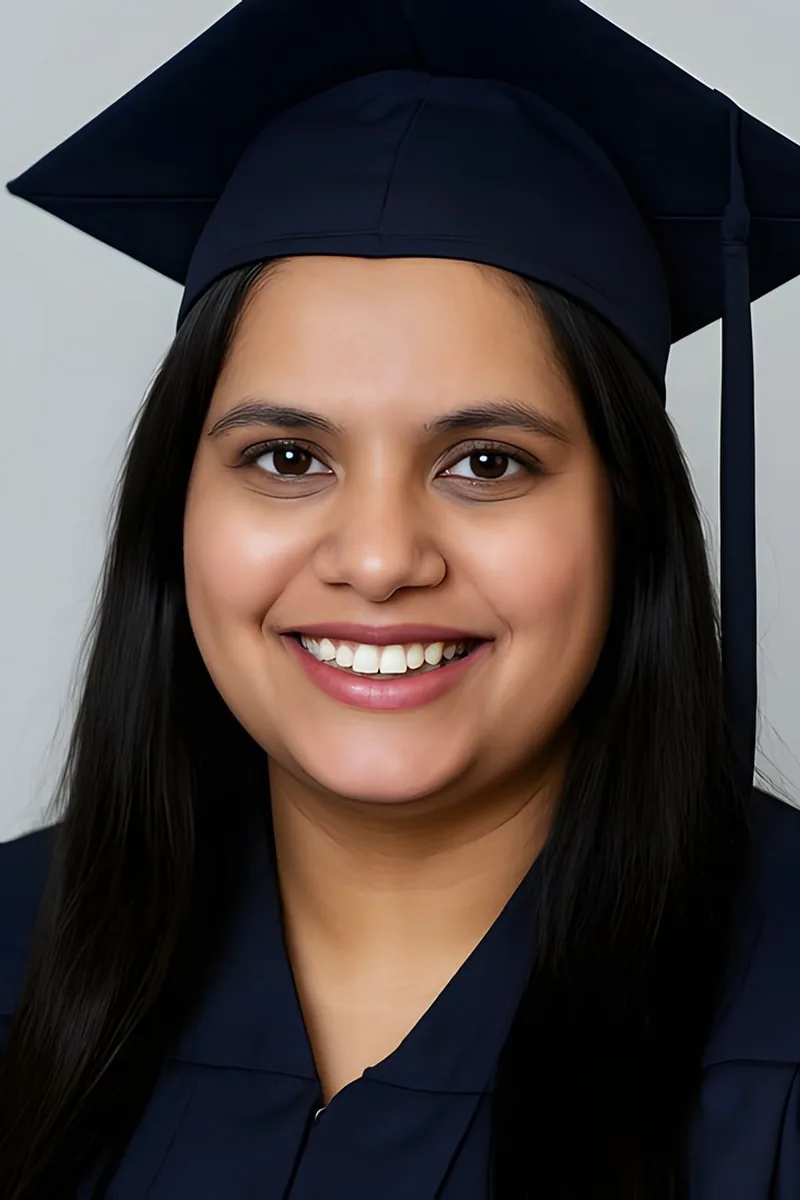
Engineering textbooks don't reward skimming — Apoorva learned that firsthand through a biomedical engineering degree where misreading one variable in a dense technical passage meant getting an entire problem wrong. She applies that same precision to teaching reading comprehension, showing students how to slow down, identify what a sentence is actually communicating, and build meaning across a full passage instead of grabbing at isolated details.

Breaking down a dense passage starts with knowing what to look for: tone shifts, the author's unstated assumptions, how one paragraph sets up the next. Andrew treats reading comprehension as an active skill — annotating, questioning, and summarizing in real time rather than passively scanning. His biology background means he's comfortable tackling nonfiction and scientific texts alongside literary ones.
Volunteering as an English tutor in rural Guatemala taught Marina something most reading instructors learn much later — that comprehension isn't just about vocabulary or fluency, but about connecting a text to what a reader already knows and cares about. Her Women's Studies background at UCLA, heavy on analyzing dense public health research and argumentative essays, gave her practice breaking down challenging nonfiction and teaching others to do the same.
St. John's College assigns nothing but primary sources — no textbooks, no summaries — which means Kelsey has spent years extracting meaning from dense, unfamiliar texts. She brings that same close-reading discipline to younger readers, teaching skills like identifying main ideas, making inferences, and distinguishing an author's purpose from their tone. Her volunteer tutoring with middle schoolers gives her a practical sense of where reading comprehension tends to break down.
Dylann's first teaching experience was through America Reads, where she designed individualized reading plans for kindergartners at varying skill levels, including students with learning differences. That early work gave her a practical understanding of how comprehension builds — from decoding and fluency all the way up to inference and critical analysis — and she adapts her approach depending on where a reader currently struggles.
Stephanie tackles reading comprehension by teaching students to identify an author's argument before getting lost in details — a skill she sharpened parsing dense neuroscience research papers in college. She walks through strategies like annotation, summarization, and inference-building that transfer across fiction, nonfiction, and standardized test passages.
Strong readers don't just decode words — they actively question the text, predict what's coming, and connect new information to what they already know. Jairo teaches these comprehension strategies explicitly, whether a student is working through a middle-school novel or a dense nonfiction passage. He brings genuine enthusiasm for reading across genres, which tends to be contagious.
Strong reading comprehension isn't about speed; it's about knowing what to pay attention to in a passage and what to let go. Jenna teaches active annotation strategies — identifying author's purpose, tracking tone shifts, and distinguishing main claims from supporting detail — that transfer across fiction, nonfiction, and standardized test passages alike.
I am a current undergraduate student at Duke University seeking a major in neuroscience and a possible minor in literature or chemistry. I have been tutoring higher level courses since the beginning of high school, and although I tutor in a variety of subjects, I specialize in writing, English, and essay editing (especially IB Extended Essays or college essays). I also help students with standardized testing, particularly in the SAT Reading portion of the exam. My passion for tutoring comes from my love of learning and helping others learn, and in my free time I enjoy painting, poetry, and fashion design.
I am currently a Harvard student majoring in Computer Science with a minor in Applied Mathematics. I graduated Class Valedictorian in high school and was named National Merit Finalist. I took 16 AP classes in high school, including AP Calculus AB, AP Calculus BC, AP Computer Science A, AP Physics C : Mechanics and AP Physics 1, with a score of 5 in all of the tests. I scored a 1570/1600 in my SAT and 800 in the SAT Math Level 2 Subject Test and 790 in the SAT Physics Subject Test.
I am Pre-Med but majored in Romance Languages and Literatures. I was born in Colombia and speak Spanish at home. I studied abroad in France junior year of high school and in Chile junior year of college, and my experience abroad really strengthened my passion for languages and other cultures.
I am a graduate of Rice University (B.A. in Biochemistry and Cell Biology, History) and Emory University (MPH). Through my undergraduate and graduate studies, I have tutored students in various subjects in one-on-one and group tutoring sessions. I am fluent in Spanish and English and enjoy teaching and tutoring students in Spanish, History, English, Algebra I and II, Calculus, Biology and Chemistry. I have personal experience and tutor for the following standardized exams: AP, IB, SAT, ACT and GRE.
Testimonials
Because the right Reading tutor makes all the difference.
Average Session Rating – Based on 3.4M Learner Ratings
Nearby Reading Tutors
Other Miami Tutors
Related English Tutors in Miami
Frequently Asked Questions
Miami's school districts emphasize a progression of reading skills tailored to each grade level. Elementary grades typically focus on phonics, fluency, and comprehension strategies. Middle school students work on analyzing texts, identifying author's purpose, and understanding complex narratives. High school readers develop skills in literary analysis, evaluating arguments, and synthesizing information across multiple texts. With Miami's average student-teacher ratio of 18.6:1, personalized 1-on-1 instruction can help students master these grade-level benchmarks at their own pace, addressing any foundational gaps that may slow progress.
Many students struggle with maintaining focus while reading longer texts, distinguishing between main ideas and supporting details, and understanding vocabulary in context. Some readers also find it difficult to make inferences, understand an author's tone, or connect themes across different works. Personalized tutoring can address these specific challenges by breaking down reading strategies into manageable steps, providing targeted practice with texts at the student's level, and building confidence through consistent feedback and guided practice.
A tutor can teach students how to identify literary devices (symbolism, metaphor, imagery), develop strong thesis statements that make meaningful claims about a text, and structure arguments with textual evidence. The tutoring process includes close reading techniques, guided practice analyzing various text types, and personalized feedback on student essays—helping them understand not just what to write, but why their analysis works. This targeted instruction often leads to significant improvements in standardized test reading sections and classroom performance.
If your child is struggling with reading, the first step is identifying whether the challenge stems from phonics and decoding skills, fluency, comprehension, or engagement. Varsity Tutors can connect you with a tutor who can assess your student's specific needs and create a personalized plan. Early intervention is important—consistent 1-on-1 support helps build foundational skills, increases reading confidence, and can prevent frustration from compounding over time. Many tutors also incorporate engaging texts and materials tailored to your student's interests to help rebuild enthusiasm for reading.
Yes. Standardized reading tests assess comprehension, vocabulary, inference skills, and the ability to analyze arguments—all areas where personalized tutoring is highly effective. A tutor can teach test-specific strategies like previewing passages, managing time efficiently, and identifying key information quickly. They'll also provide practice with similar question types, give feedback on why certain answer choices are correct, and help students build the stamina needed for longer reading sections. This targeted preparation typically leads to noticeable score improvements.
Varsity Tutors connects you with qualified reading tutors who understand the needs of Miami students and work flexibly with your schedule. Simply share information about your student's current level, specific reading challenges, and learning goals. You'll then be matched with an experienced tutor, and you can start personalized instruction right away. The matching process ensures a good fit based on your student's needs, preferred teaching style, and availability.
An effective reading tutor should have strong expertise in reading instruction, literature, and age-appropriate teaching strategies. Look for tutors with experience working with students at your child's grade level and familiarity with Miami's curriculum standards. It's also valuable to find someone skilled at diagnostic assessment—they should be able to identify exactly where your student is struggling and why. The best tutors combine subject knowledge with patience and an ability to explain concepts in ways that make sense to your child, adjusting their approach as needed.
Let’s find your perfect tutor
Answer a few quick questions. We’ll recommend the right plan and match you with a top 5% tutor.