Award-Winning Python Tutors
serving Boston, MA
Python
Tutors in Boston
Private 1-on-1 tutoring, weekly live classes for academic support, test prep & enrichment, practice tests and diagnostics, and more to elevate grades and test scores.
Based on 3.4M Learner Ratings
UniversitiesSchools & Universities
DeliveredHours Delivered
ProficiencyGrowth in Proficiency
Who needs tutoring?
No obligation. Takes ~1 minute.
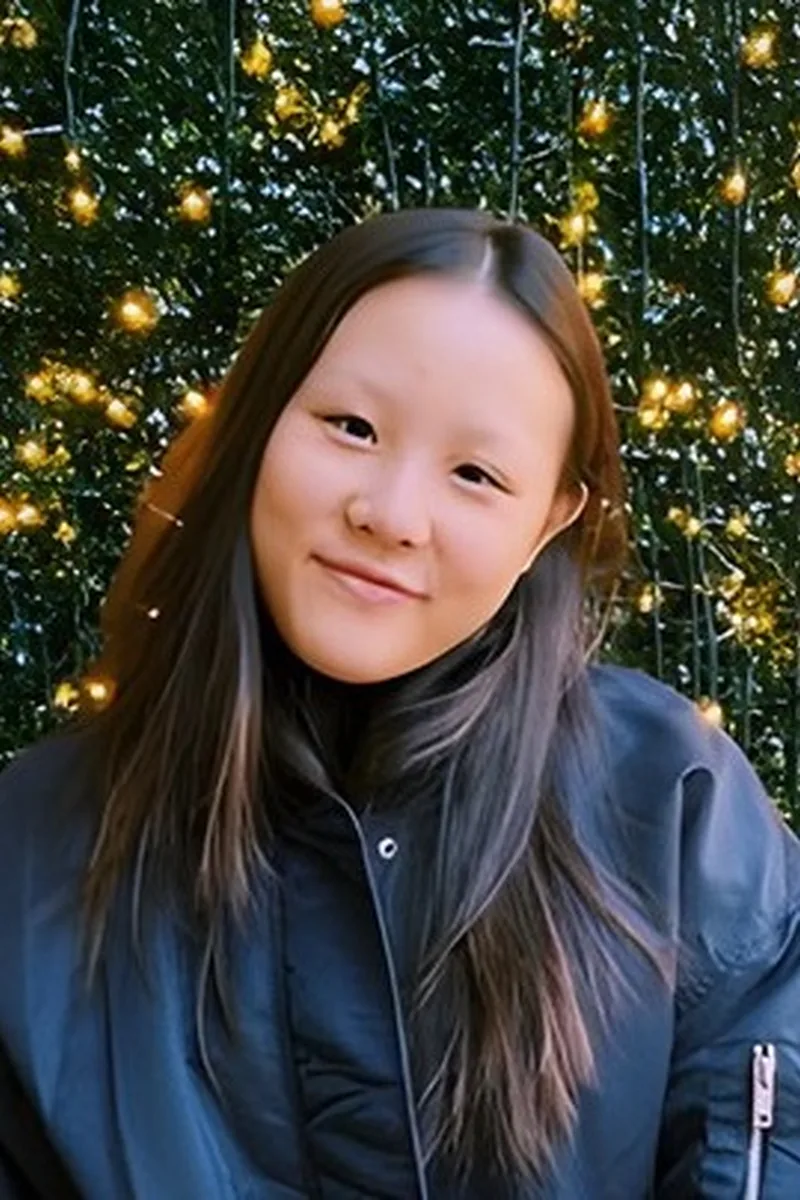
Studying computer science at Northeastern, Eunice writes Python daily and knows exactly where beginners get stuck — from understanding data types and control flow to debugging list comprehensions and recursive functions. She breaks down each concept by building small, working programs rather than lecturing through syntax rules, so students see their code actually do something at every step.

Between engineering simulations and data analysis scripts, Diego has used Python across enough real projects to know where beginners get stuck — list comprehensions that look like hieroglyphics, debugging indentation errors, or figuring out when to write a function versus a class. He walks through each concept with live coding so students actually build something by the end of every session.
Learning Python means learning to think in loops, conditionals, and data structures — not just copying code that runs. As a computer science undergrad, Allison breaks down concepts like list comprehensions, file handling, and object-oriented design so students understand the logic behind each line they write.
Learning Python at MIT's engineering program means Cori picked it up the way most students will use it — writing scripts to process data, automate calculations, and solve real problems. She breaks down core concepts like loops, functions, and data structures by connecting each one to a tangible task rather than abstract theory.
Python's readable syntax makes it a great first language, but students still struggle when they hit list comprehensions, file I/O, or debugging recursive functions. Brice has taught Python to beginners as young as middle school and to college peers working on more advanced projects. He walks through each concept by writing real code alongside students rather than lecturing from slides.
Python's readability makes it a popular first language, but students still hit walls on list comprehensions, class inheritance, and debugging logic errors they can't see. Milo teaches Python within a computer science framework — connecting syntax to the underlying concepts — drawing on both his CS master's work at UMass Amherst and years of tutoring experience. He's rated 5.0 by students.
From list comprehensions to class hierarchies to libraries like NumPy and pandas, Vincent covers Python at every level — whether a student is writing their first loop or building a machine learning pipeline. His computational science background at MIT means he doesn't just teach syntax; he connects each concept to practical problems in data analysis, automation, and algorithm design.
Nuclear engineering at MIT means Kevin writes Python to solve problems most students never encounter — simulating reactor physics, processing experimental datasets, and automating complex calculations that would be impossible by hand. That computational science background lets him teach core concepts like loops, functions, and data structures through code that actually computes something meaningful, giving students a visceral sense of what programming is for.
Python's readability makes it a great first language, but students still get tripped up by list comprehensions, scope, and debugging logic errors in loops. William uses Python regularly in his Northeastern CS program and teaches it by building projects incrementally — starting with simple scripts and layering in functions, dictionaries, and file handling as confidence grows.
Python's beginner-friendly syntax can mask real complexity once students hit list comprehensions, recursion, or object-oriented design. Connor, a computer science major at UMass Amherst, teaches Python by connecting each concept to a working example — building a small script or function that makes the logic visible and testable, not just theoretical.
Python's readable syntax makes it a great first language, but students still get stuck on concepts like list comprehensions, loops, and debugging their own logic errors. Erin takes a methodical, step-by-step approach to writing and testing code — breaking problems into smaller pieces before touching a keyboard, a habit that comes naturally from her training as a writer and journalist.
Python's readability makes it a great first language, but students often hit a wall at list comprehensions, recursion, or object-oriented design — the points where syntax alone stops being enough. Adriano teaches the underlying logic behind each construct so students can debug their own code and tackle new problems independently, drawing on the problem-solving mindset he's built through MIT's CS curriculum.
Having built projects in Java, JavaScript, C#, and Unity alongside his Penn State CS degree, Nicholas teaches Python with a polyglot programmer's perspective — he can pinpoint exactly where Python's syntax feels weird if you're coming from another language, and where its simplicity is a genuine superpower. He's especially sharp at debugging sessions, breaking down error messages and tracing logic step by step until students can diagnose their own code. Rated 5.0 by students.
Python's readability makes it a great first language, but students still stumble on list comprehensions, recursion, and knowing when to use a dictionary versus a list. Avram connects programming logic to the problem-solving mindset he developed in physics, teaching students to plan their code's structure before writing a single line.
From list comprehensions to object-oriented class design, Brian teaches Python with an emphasis on writing clean, efficient code — not just code that runs. His Caltech CS background included heavy use of Python for data analysis and algorithm implementation, which means he can adapt sessions to whatever a student needs: introductory scripting, NumPy workflows, or preparing for technical interviews.
As an electrical and computer engineering student, Alfonso writes Python regularly for coursework involving data processing, automation, and problem-solving. He teaches core concepts like loops, conditionals, functions, and data structures by building small projects that show why each tool exists. Students pick up not just syntax but the logic of thinking like a programmer.
Python's readability makes it a great first language, but students still stumble on list comprehensions, class inheritance, and debugging logic errors they can't see. Daniel writes Python professionally and teaches it with the precision of someone who holds a master's in CS and a bachelor's in applied mathematics. He connects each concept to real use cases — scripting, data manipulation, algorithm implementation — so the syntax sticks.
Python's readability makes it a great first language, but students still stumble on list comprehensions, dictionary manipulation, and debugging runtime errors they've never seen before. Ethan uses Python across his Vanderbilt engineering coursework and walks through each concept with real scripts — not just slides — so the logic becomes second nature.
As experienced and passionated educator with a Bachelor's degree in Computer Science from Rice University, I am passionate about empowering students to achieve their academic goals. With over 3 years of tutoring experience in subjects such as AP Computer Science A, Machine Learning, and SAT Math, I adapt to different learning styles and create a supportive learning environment. My teaching philosophy centers on personalized instruction, where I connect with each student to understand their unique learning styles and challenges. I take pride in guiding students through the complexities of computer science and college application essays, equipping them with the skills they need for future success. Outside of tutoring, I enjoy exploring new technologies and engaging in coding projects to improve my teaching approach.
Whether it's scripting a data pipeline or implementing a sorting algorithm from scratch, Florence teaches Python with the pragmatism of someone who's used it across academic and industry settings — including software development at IBM. She walks through core concepts like list comprehensions, dictionary manipulation, and file I/O with clear explanations rooted in her Duke CS coursework and TA experience.
Whether it's writing a first for-loop or building out a data pipeline with pandas and NumPy, Bryan adapts his Python teaching to what the student actually needs to accomplish. His CS coursework at Penn means he's written Python for everything from web scraping to algorithm design, so he can connect syntax lessons to real projects that make concepts stick.
Python's readability makes it a great first language, but students still get stuck on concepts like list comprehensions, class inheritance, and debugging recursive functions. Noah uses Python daily in his cybersecurity graduate work and writes clean, well-documented code — a habit he passes along from the start. He teaches by building: small scripts first, then layering in complexity so each new concept has a working example behind it.
Whether it's writing a first script or wrestling with list comprehensions and object-oriented patterns, Michael breaks Python down into logical steps that mirror how professional developers actually think. His background as a working software engineer means he can show students not just correct syntax but clean, readable code that follows real industry conventions.
Prakash picked up Python as a practical tool during his electrical engineering work — automating calculations, processing data sets, and scripting simulations. That industry context means he teaches loops, functions, and libraries like NumPy not as abstract exercises but as tools for solving real problems, which tends to make syntax and logic click faster for students.
Testimonials
Because the right Python tutor makes all the difference.
Average Session Rating – Based on 3.4M Learner Ratings
Nearby Python Tutors
Other Boston Tutors
Related Technology and Coding Tutors in Boston
Frequently Asked Questions
Your first session is all about understanding your goals and current level. A tutor will discuss whether you're learning Python for web development, data science, game development, or general programming skills, then assess your comfort with coding fundamentals. From there, they'll create a personalized plan that matches your pace and learning style, whether you're just starting out or working through advanced concepts like data structures and algorithms.
Debugging is one of the most valuable skills a tutor can help you develop. Rather than just fixing errors for you, tutors teach you how to read error messages, trace through your code logically, and identify where things went wrong. This hands-on approach builds your problem-solving confidence and helps you catch bugs independently in future projects.
Syntax is the rules of Python—how to write valid code—while logic is how you structure your thinking to solve problems. Many students can memorize syntax but struggle with algorithmic thinking. Tutors help you master both by connecting syntax to real problem-solving: they'll show you how to break down a challenge, design a solution, and then write the code to implement it.
Absolutely. Project-based learning is one of the most effective ways to solidify Python skills. Tutors can guide you through building applications like web scrapers, data analysis scripts, games, or web apps depending on your interests. Working on real projects helps you understand how different concepts—functions, loops, data structures, libraries—work together in practical ways.
The best path depends on your interests and goals. Web development focuses on frameworks like Django or Flask; data science emphasizes libraries like Pandas and NumPy; game development uses libraries like Pygame. In your first session, a tutor can discuss your interests and help you choose a direction, then tailor lessons accordingly. Many students also start with core Python fundamentals before specializing.
Data structures are the foundation for writing efficient, clean code. They determine how you organize and access information, which affects everything from program speed to readability. Tutors help you understand not just how to use lists and dictionaries, but when and why to choose one over another—skills that make you a stronger programmer and prepare you for more advanced topics like algorithms and optimization.
Yes. Tutors working with Boston students understand the computer science standards across the city's 32 schools and 6 school districts. Whether you're in a classroom where Python is part of your curriculum or learning independently, tutors can align their instruction with what you're being taught in school while also providing deeper exploration of topics that interest you.
Completely. Many tutors specialize in teaching Python to beginners with no programming background. They'll start with the fundamentals—variables, data types, loops, and conditionals—and build your confidence through hands-on practice. The personalized 1-on-1 approach means you learn at your own pace without feeling rushed, and you can ask questions freely as you encounter new concepts.
Let’s find your perfect tutor
Answer a few quick questions. We’ll recommend the right plan and match you with a top 5% tutor.