Award-Winning Psychology Tutors
serving Tucson, AZ
Psychology
Tutors in Tucson
Private 1-on-1 tutoring, weekly live classes for academic support, test prep & enrichment, practice tests and diagnostics, and more to elevate grades and test scores.
Based on 3.4M Learner Ratings
UniversitiesSchools & Universities
DeliveredHours Delivered
ProficiencyGrowth in Proficiency
Who needs tutoring?
No obligation. Takes ~1 minute.
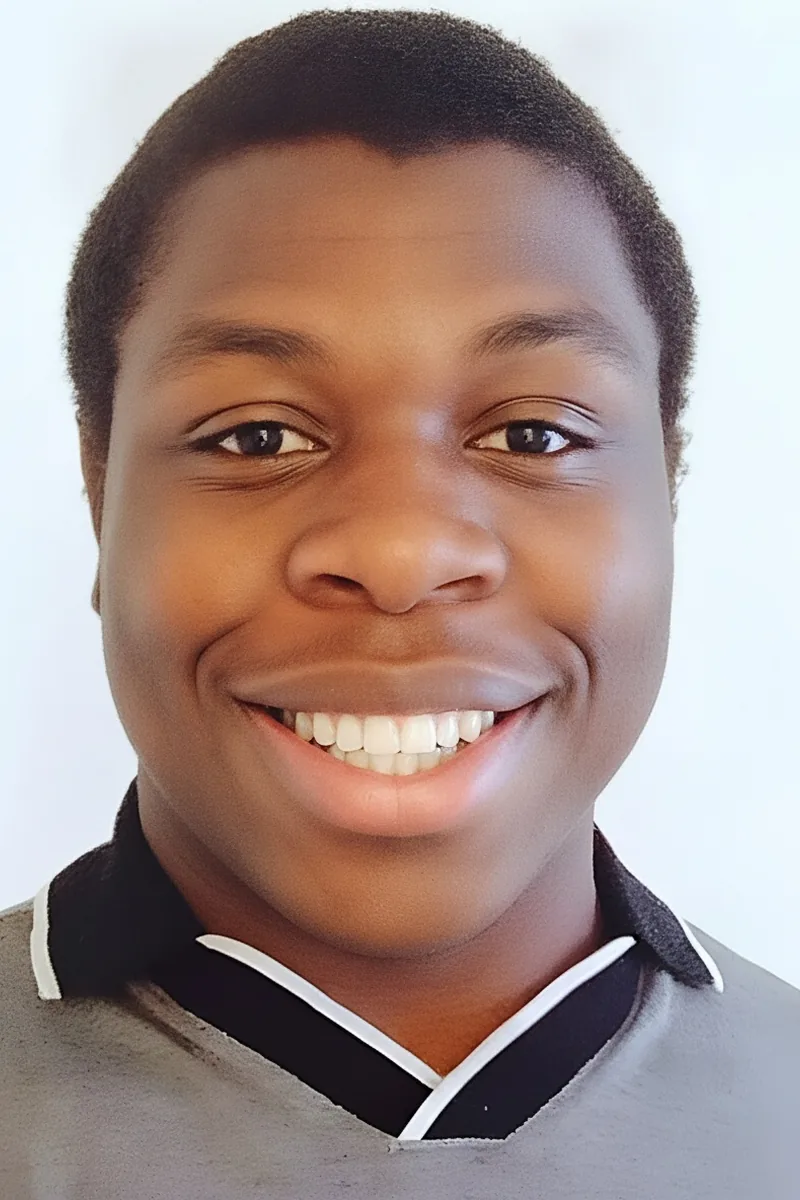
Holding a bachelor's degree in psychology, Niabari digs into the subject with real depth — whether that's distinguishing classical from operant conditioning, unpacking research methodology, or explaining the biological basis of memory. She connects textbook theories to recognizable, everyday examples that make concepts like cognitive dissonance or attachment styles genuinely stick.
Philosophy majors spend years dissecting how humans construct knowledge, justify beliefs, and reason through moral dilemmas — questions that sit at the foundation of psychological theories on cognition, moral development, and decision-making. Rachelle's Summa Cum Laude philosophy degree from Arizona State sharpened exactly that kind of analytical thinking, and her legal training adds a layer of rigor when it comes to evaluating research claims and constructing evidence-based arguments on psych assessments.
There's a big difference between memorizing Piaget's stages and actually understanding how developmental theory connects to research methods, abnormal behavior, and cognition. Robert is completing his M.S. in Psychology while running his own research projects and preparing publications, so he teaches the subject as a working scientist — not just from a textbook. He unpacks concepts like operant conditioning or statistical significance using real experimental examples from his own lab experience.
Holding a bachelor's degree in psychology, Jacob digs into the subject with real fluency — from classical conditioning and Piaget's developmental stages to research methodology and statistical analysis. He connects abstract theories to concrete examples, which is especially useful for students tackling AP Psychology or introductory college courses. His 5.0 rating speaks to how well that approach lands.
Law school trains you to read human behavior through a specific lens — evaluating testimony, understanding cognitive biases, and dissecting how people make decisions under pressure. Andrew applies that same analytical framework to psychology concepts like social influence, memory reliability, and behavioral motivation, drawing on his Tulane legal training and Northwestern economics background to make the discipline's research findings feel grounded and logical. Rated 4.9 by students.
Anthropology and psychology share deep roots — both interrogate how humans think, behave, and form social bonds. Amanda's graduate work in anthropology means she's comfortable unpacking concepts like cognitive development, social identity, and cross-cultural behavioral research with real ethnographic examples that make abstract theories concrete. Rated 4.9 by students.
Teaching high school social studies while pursuing a Master's in Education at Notre Dame means Bridget regularly explains how societies shape individual behavior — the exact thread that ties together psychology topics like conformity, obedience research, and attitude formation. Her secondary education training also gives her a practical toolkit for breaking down dense concepts like classical conditioning or memory models into clear, structured explanations that actually stick for exam prep.
Lindsey studied psychology through the lens of a neuroscience degree at Trinity University, which means she can connect abstract psychological theories — classical conditioning, cognitive development, abnormal behavior classifications — to the underlying brain mechanisms that drive them. That dual perspective makes concepts like neurotransmitter function or the biological basis of memory click faster for students. She's rated 5.0 across her tutoring subjects.
Madeleine's life-science coursework — including anatomy, physiology, microbiology, and human development — gives her a concrete foundation for the biological and developmental chapters that trip up many psychology students. She's especially comfortable explaining research methodology and statistical analysis in psych studies, since that's essentially what her applied math training prepared her to do.
Jared's background in Romance Languages and state-certified teaching trained him to decode how people communicate, interpret meaning, and process language — cognitive skills that map directly onto psychology's units on memory, perception, and linguistic development. He also brings strong analytical reading and writing chops to the discipline's research-heavy assessments, teaching students to dissect a study's methodology and craft clear, evidence-driven responses.
Hanna earned her bachelor's degree in psychology alongside her premed coursework, so she isn't just reviewing a textbook — she's teaching from a discipline she studied in depth. Whether the course covers classical conditioning, cognitive development, or research methods and statistical design, she connects psychological concepts to the biological mechanisms underlying them.
Currently pursuing a Master's in Psychology at NYU with an undergraduate degree in the same field, Chris lives and breathes this subject daily. He breaks down everything from classical conditioning and cognitive biases to research methodology and statistical analysis — the applied math minor means he's equally comfortable with the quantitative side of psych. Whether it's an intro course or AP Psychology, he knows which concepts trip students up and how to clarify them.
Angie is earning her B.S. in Psychology from Arizona State's Barrett Honors College, which means she's actively immersed in the material — from classical conditioning and cognitive development to research methods and statistical analysis. She breaks down dense concepts like neurotransmitter pathways or Piaget's stages by tying them to real-world examples students can actually remember.
Ekta's biomedical background gives her a concrete grip on the biological side of psychology — neural pathways, hormonal influences on behavior, the mechanics of sensation and perception. She unpacks these topics with real-world examples from her medical studies, then ties them back to the psychological theories students need to master.
I am a recent graduate of the University of Arizona, with a BS in Biology and minors in Mathematics and Biochemistry. I am currently working on computer coding and enjoy tutoring students, specializing in test preparation for the ACT, SAT, and GRE.
Cognitive neuroscience is where psychology meets the brain, and Samantha studies exactly that at Penn. She unpacks everything from classical conditioning and memory models to abnormal psychology and research methods, connecting textbook concepts to the underlying neural mechanisms that make them click.
Reporting for a trade magazine means Meghan spends her days interviewing people, reading their motivations, and figuring out why they make the decisions they do — skills that map directly onto psychology's core questions about behavior, cognition, and social influence. Her Northwestern journalism training emphasized research methodology and evidence evaluation, which translates well to unpacking psychological studies and writing the kind of analysis that psych courses grade on. Rated 5.0 by students.
Studying both economics and cancer biology at UChicago gives Jessica an unusual lens on psychology — she understands the subject from both the behavioral-science side and the biological-mechanisms side. Whether a student is sorting through classical conditioning paradigms or trying to remember the difference between the sympathetic and parasympathetic nervous systems, she connects abstract concepts to concrete examples that stick.
Neuroscience and psychology share a deep root system — synaptic transmission, neural plasticity, and the biological basis of behavior all live at the intersection of Matt's undergraduate training. He unpacks concepts like classical conditioning, cognitive development, and abnormal psych by connecting them to the underlying brain science, which makes abstract theories far more concrete.
Esther's PPE coursework at Penn covers the empirical and philosophical sides of human behavior, giving her a grounding in psychological concepts like cognitive biases, decision-making theory, and social influence. She connects these ideas to real-world examples — from advertising to courtroom behavior — so that textbook definitions actually stick.
Holding a master's degree in research and experimental psychology, Yi has firsthand experience designing studies, analyzing behavioral data, and navigating the theoretical frameworks — from cognitive to developmental — that underpin the field. She unpacks concepts like operant conditioning, statistical significance, and research ethics in ways that connect textbook definitions to how psychologists actually work.
As a health sciences grad student preparing for the MCAT's behavioral sciences section, Mosab engages with psychological concepts daily — from classical conditioning paradigms to the biological bases of behavior and social cognition theories. He connects textbook terms like schema, operant reinforcement, and the James-Lange theory to real-world examples that make them stick.
Understanding psychology means seeing how biological processes, cognitive patterns, and social environments interact — and Todd has formal training in all three. His biology undergraduate work at UIUC grounds his teaching in neuroscience and research design, while his MSW from the University of Chicago deepens his explanations of topics like therapeutic modalities, personality theory, and psychopathology.
Margaret holds a bachelor's degree in psychology and is currently pursuing a Master's in Medical Science at Boston University, which means she understands the subject from both the research and clinical sides. She digs into core concepts like classical conditioning, cognitive development theories, and experimental design methodology — the topics that anchor most introductory and AP psychology exams.
Cognitive science and psychology share deep roots — perception, memory, learning, and decision-making sit at the core of both fields. Zachary studied these topics rigorously at the college level and can unpack concepts like classical conditioning, cognitive biases, and the structure of the brain in ways that go beyond rote definitions. He connects psychological theories to real-world examples that make the material intuitive.
Ellie's autism research at the Yale School of Medicine gives her a hands-on understanding of cognitive and behavioral concepts that most psychology tutors only know from textbooks. She connects topics like neurodevelopment, research methodology, and psychological disorders to real lab work, making abstract theories concrete and easier to retain.
Bidyut's biomedical engineering background at Johns Hopkins overlaps heavily with psychology's biological foundations — neurotransmitter pathways, brain anatomy, and the physiological basis of behavior. He unpacks concepts like classical conditioning, cognitive development stages, and research methodology by grounding them in the science behind how the brain actually works.
Testimonials
Because the right Psychology tutor makes all the difference.
Average Session Rating – Based on 3.4M Learner Ratings
Other Tucson Tutors
Related Social Sciences Tutors in Tucson
Frequently Asked Questions
Your first session is about understanding your goals and current level. A tutor will discuss what psychology topics you're studying, identify specific challenges (whether it's understanding theories, memorizing terminology, or analyzing case studies), and create a personalized plan to help you succeed. This foundation ensures every session that follows is tailored to your needs.
Many students struggle with connecting abstract psychological theories to real-world applications, memorizing the numerous schools of thought and key figures, and understanding research methodology and statistics. Others find it difficult to analyze case studies critically or distinguish between similar concepts like classical and operant conditioning. Personalized tutoring addresses these specific gaps through targeted practice and explanation.
Tutors work with the psychology curriculum taught in Tucson schools, whether you're taking AP Psychology, honors psychology, or introductory courses. They understand grade-level expectations and can help you master both foundational concepts and advanced topics like cognitive development, abnormal psychology, and research design that appear on standardized assessments and final exams.
In a classroom with a 15.2:1 student-teacher ratio, it's challenging for teachers to address individual learning gaps or adjust pacing to your needs. With personalized 1-on-1 instruction, a tutor focuses entirely on your understanding, can slow down for complex theories, speed up through familiar material, and use teaching methods that match how you learn best. This targeted approach typically leads to faster progress and deeper comprehension.
Yes. Tutors can help you master the AP Psychology curriculum, which covers history and approaches, research methods, sensation and perception, learning, cognition, motivation and emotion, personality, testing and individual differences, abnormal psychology, and treatment. They use practice questions, exam-style responses, and targeted review to build both content knowledge and test-taking strategies for the AP exam or your school's assessments.
Varsity Tutors connects you with expert tutors who have strong backgrounds in psychology and experience teaching students at your level. You can discuss your specific needs—whether you need help with theory, research methods, or exam preparation—and get matched with someone who's a good fit for your learning style and goals.
Students typically see improvement in their understanding of key concepts, ability to analyze case studies and research, exam performance, and confidence discussing psychological theories. The timeline depends on your starting point and goals, but many students notice stronger grades and deeper comprehension within a few weeks of consistent sessions.
Yes. Tutoring sessions can be scheduled around your classes, extracurriculars, and other commitments. Whether you need weekly sessions for ongoing support or intensive help before an exam, you can work with a tutor to find a schedule that works for you.
Let’s find your perfect tutor
Answer a few quick questions. We’ll recommend the right plan and match you with a top 5% tutor.