Award-Winning Physiology Tutors
serving Philadelphia, PA
Physiology
Tutors in Philadelphia
Private 1-on-1 tutoring, weekly live classes for academic support, test prep & enrichment, practice tests and diagnostics, and more to elevate grades and test scores.
Based on 3.4M Learner Ratings
UniversitiesSchools & Universities
DeliveredHours Delivered
ProficiencyGrowth in Proficiency
Who needs tutoring?
No obligation. Takes ~1 minute.
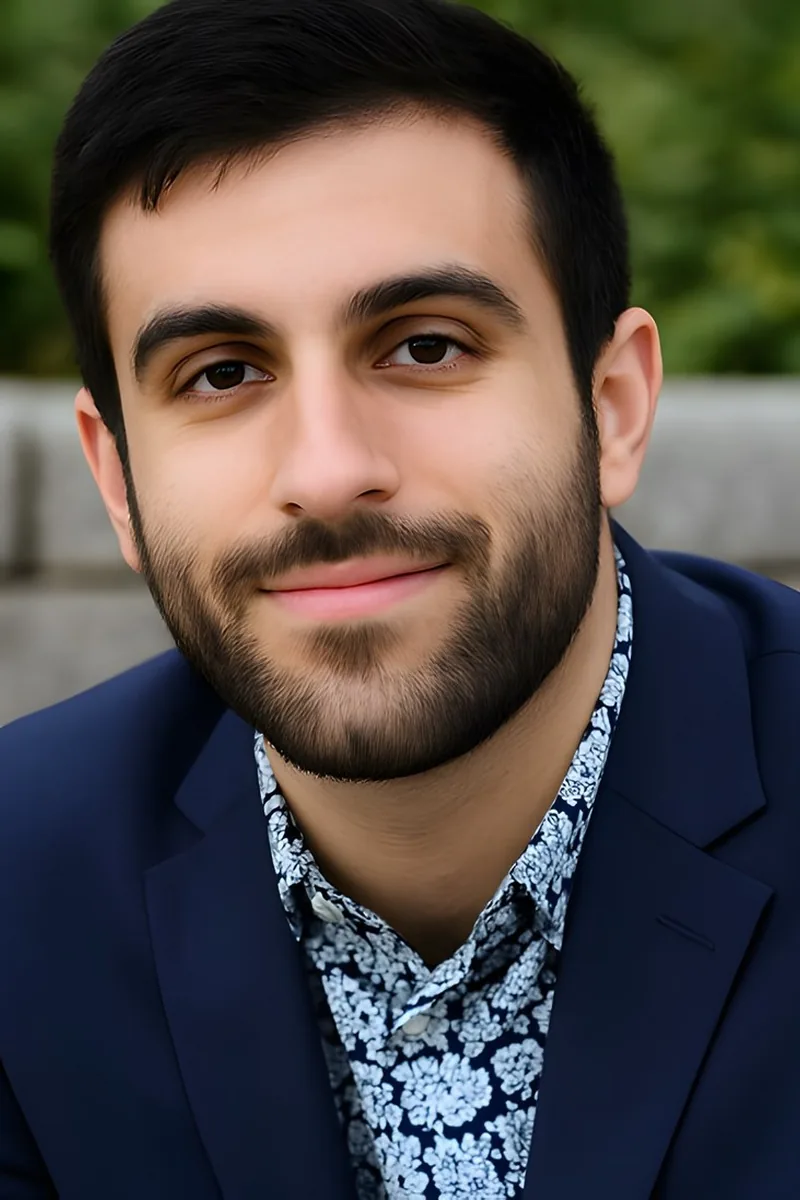
Understanding physiology means thinking in systems — how a nerve impulse triggers muscle contraction, how the nephron filters blood, how cardiac output adjusts during exercise. Shayan's pre-health training at Penn gives him a clinical lens on these mechanisms, and he teaches each system by walking through what happens when it breaks down, which makes normal function far more intuitive.
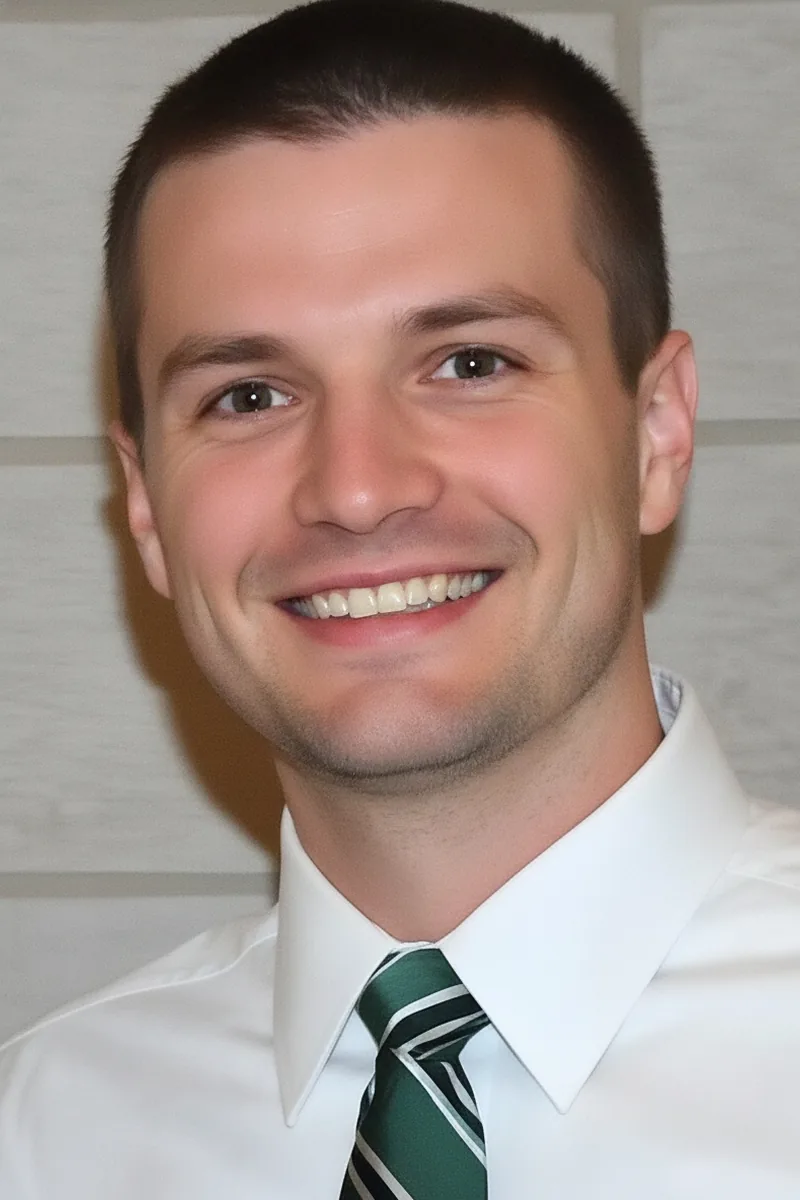
Understanding physiology means seeing the body as an integrated system, not a list of organ functions to memorize. Matt's graduate work in nutrition required mastering renal, endocrine, and cardiovascular physiology at the molecular level, so he teaches concepts like action potentials, cardiac output, and hormonal feedback loops with the mechanistic depth that college-level courses demand. Rated 5.0 by students.
Studying physiology in medical school at Drexel meant Prateek had to master cardiac output equations, renal filtration mechanics, and neuronal action potentials at a level most tutors never reach. He unpacks complex organ-system interactions — like how the renin-angiotensin system ties the kidneys to blood pressure regulation — in a way that makes the logic visible instead of requiring brute-force memorization. Whether it's for a college course or MCAT prep, his clinical training gives him a practical edge.
Preparing for PA school means Jennifer lives and breathes physiology — cardiac output equations, nephron function, the mechanics of gas exchange across alveolar membranes. She teaches organ system physiology by connecting structure to function at every level, so students can reason through unfamiliar scenarios instead of relying on rote recall.
Medical school is essentially an advanced physiology course, and Meghan applies that daily immersion to teaching concepts like action potentials, renal filtration, and cardiac cycle mechanics. She connects organ-system function to the underlying cellular biology, so students see how individual mechanisms produce whole-body outcomes.
Magdi earned his Doctor of Medicine degree, which means he didn't just study physiology from a textbook — he applied it in clinical contexts where understanding renal filtration, cardiac cycles, and endocrine feedback loops actually mattered. He unpacks complex organ system interactions by connecting each mechanism to what a student can observe in their own body.
Kimberly's biology degree from UNC Chapel Hill included biochemistry coursework that makes her especially sharp on the molecular underpinnings of physiological processes — things like how ion gradients drive nerve impulses or how enzyme cascades regulate digestion and clotting. She teaches physiology by connecting the chemistry happening inside cells to the larger behavior of organ systems, so students can reason through unfamiliar scenarios instead of relying on rote recall. Rated 4.9 by students.
Two mechanical engineering degrees trained Nicholaus to think about complex systems in terms of inputs, outputs, and control loops — a framework that maps surprisingly well onto physiological processes like thermoregulation, blood pressure homeostasis, and respiratory gas exchange. He breaks down feedback mechanisms the same way he'd analyze a control system in engineering: identify the sensor, the integrator, and the effector, then trace what happens when one variable shifts. That structured, systems-level thinking gives students a repeatable method for working through multi-step physiological chains on exams.
I am a first year medical student at the Sidney Kimmel Medical College at Thomas Jefferson University. I have been a private tutor in the past in subjects such as math, biology, chemistry, and the SATs and every single one of my more than twenty students have shown significant improvement. Most importantly, I have a passion for teaching, and your needs and preferences as the learner will always be paramount. I hope to help every one of my students reach every bit of their potential, and along the way, to utterly shatter any self-induced limitations that have been placed upon what they can accomplish.
I am currently a second year medical student. I was a Physiological Sciences major at UCLA (class of 2015), and pursued research during my gap year between undergrad and medical school.
I am currently entering my fourth year of medical school at Perelman School of Medicine at the University of Pennsylvania. I obtained a Bachelor of Science in Biology from Wheaton College in Illinois, where I graduated in 2017 with high honors. Throughout my undergraduate years, I tutored extensively in several academic fields with a focus on the sciences and preparation for the MCAT.
I am so very interested in working with you through Varsity Tutors!
I am currently a first-year medical school student. Prior to med school, I graduated from Duke University with a Bachelor's degree in Biomedical Engineering and received my Master's degree in Biomedical Studies from Drexel College of Medicine. I have over 6 years of experience tutoring individual students and also worked as a teaching assistant at the graduate school level. I am passionate about teaching and working with students. I have experience working with high school, college and graduate students and have a subject expertise that include Biology, Physics, Math, Physiology, Biochemistry.
I'm Sophie, and I'm a medical student with a passion for teaching. I want to work with patients, but my other goal is to go into academic medicine. I can't picture my present or future without education in it. I began tutoring for my little sister when both of us were in high school, helping her with math, English, science, and Spanish. In college, I started branching out to tutor friends. In 2019 I began volunteer tutoring for my college's chemistry department, and soon after, I took on a job at a local tutoring center teaching biology and chemistry (and occasionally physics and math) to high school students. Since taking the MCAT and scoring 99th percentile, I started tutoring for that as well. Biology and chemistry are my main teaching areas: chemistry because I've had the most tutoring experience in it, and biology because I have practical experience through lab research and patient care. I can also teach math or physics (I used to be an engineering student so I know those subjects well). I pride myself on bringing a real passion for the subjects I teach. I also strive to abolish simple; disjointed memorization and help my students see their subject matter through a logical, problem-solving oriented lens. I look forward to learning with you!
I am a recent graduate of Wagner College who received a Bachelor of Science in Nursing with a minor in French. I am currently a RN at the Children's Hospital of Philadelphia in the Pediatric ICU and come with fresh experience in NCLEX/TEAS test prep and clinical fieldwork. I have tutored students in the past with Kumon, in private, and while in university, so I'm very familiar working with students of all ages (children and adults alike), and very excited to begin work with Varsity Tutors! I always make sure to have fun and involve students in lessons so that the subjects are more relatable to students and they can find personal ways to engage with the topics taught. Although I tutor a broad range of subjects, I am most passionate about French language and culture, particularly francophone tradition, food, and celebration. My trips to France really kept my French knowledge and interests alive.
I am here to help with pre-med coursework, MCAT prep, and many other classes. I am frequently available for online tutoring.
I graduated with a B.A from Cornell University and majored in biology (premed) with a concentration in genetics. I am currently a 3rd year medical student at DUCOM and am passionate about biology, biochemistry and English. I understand the struggle of memorising small details and struggling to understand the big picture conceptually. I look forward to working with students struggling with stem courses
I am a first-year medical student attending Sidney Kimmel Medical College at Thomas Jefferson University in Philadelphia. I am originally from the Chicago suburbs and graduated from the University of Michigan in 2020 with a bachelor's degree in Biomolecular Science. During 2020-2021, I remained in Ann Arbor for a year, working as a research technician to gain experience and strengthen my future application. For 2021-2022, I returned home to Chicago and worked as a Certified Nursing Assistant at Ann & Robert H. Lurie Children's Hospital of Chicago for a year before beginning medical school in July 2022.
I have earned a B.S. in Molecular Biology from Messiah College and I am working towards a Ph.D. in Biochemistry at Drexel University. When I am not lost in the world of academia, I enjoy spending time in nature, reading science-fiction books, and cooking plant-based foods.
I am very patient and I was always someone in school that could turn a long tedious problem/ information into something that I remembered forever.
Testimonials
Because the right Physiology tutor makes all the difference.
Average Session Rating – Based on 3.4M Learner Ratings
Other Philadelphia Tutors
Related Science Tutors in Philadelphia
Frequently Asked Questions
Physiology is the study of how living organisms and their body systems function—it focuses on the "why" and "how" of biological processes. While anatomy deals with structure (what organs look like), physiology explores function (how organs work together). Understanding both is essential for success in biology, health sciences, and pre-medical coursework, and personalized instruction helps students grasp these interconnected concepts more deeply than lecture-based classes alone.
Students often struggle with understanding complex systems like cardiovascular, respiratory, and nervous function—especially when trying to visualize how multiple processes happen simultaneously. Many also find it difficult to connect molecular-level mechanisms (like ion channels and enzyme activity) to whole-body responses. Personalized tutoring breaks these concepts into manageable pieces, uses targeted explanations and visual strategies, and addresses the specific gaps holding each student back.
In your first session, a tutor will assess your current understanding of physiology—what concepts you've mastered, where you're struggling, and your learning style. They'll discuss your goals (whether it's improving a grade, preparing for an exam, or building foundational knowledge) and create a personalized plan tailored to your needs. This diagnostic approach ensures every session after that focuses directly on what will help you most.
Tutors work with students across Philadelphia's diverse school districts and understand the standards and pacing guides used in local schools. Whether you're in a traditional high school biology course, an AP Biology unit on physiology, or an advanced anatomy and physiology class, personalized instruction can be customized to match your specific curriculum and exam requirements. Tutors also help bridge gaps from earlier coursework that might be affecting your current understanding.
Yes. Beyond theory, tutors can help you understand lab procedures, interpret experimental results, and develop the critical thinking skills needed for hands-on work. They can explain what you're observing under a microscope, help you design or troubleshoot experiments, and prepare you for practical exams. This bridges the gap between classroom learning and real-world application, which is especially valuable for students pursuing health sciences or biology-related careers.
Personalized test prep focuses on your specific weak areas rather than generic review. A tutor will use practice questions, concept mapping, and retrieval practice—proven techniques that strengthen memory and understanding. They'll also help you develop test-taking strategies for physiology, such as how to approach multi-step questions about system interactions and how to manage time on cumulative exams. This targeted approach typically leads to measurable score improvements.
Absolutely. Tutors work with students on advanced topics like cellular respiration, neurophysiology, endocrine regulation, and homeostatic mechanisms. They're also equipped to help with AP Biology physiology content, college-level human physiology courses, and specialized topics needed for health professions entrance exams. Personalized instruction allows tutors to go deeper into challenging concepts at your pace, rather than moving at classroom speed.
Varsity Tutors connects you with expert tutors who specialize in physiology and understand the needs of Philadelphia students. You can share your current challenges, goals, and schedule preferences, and we'll match you with the right tutor for your situation. From there, you'll work together to build a personalized plan that fits your learning style and gets you the results you're looking for.
Let’s find your perfect tutor
Answer a few quick questions. We’ll recommend the right plan and match you with a top 5% tutor.